
Why I Usually Pick Airbnb's Over Hotels And When I Don’t
A traveler’s guide to finding balance between authenticity, convenience, and the feeling of home.

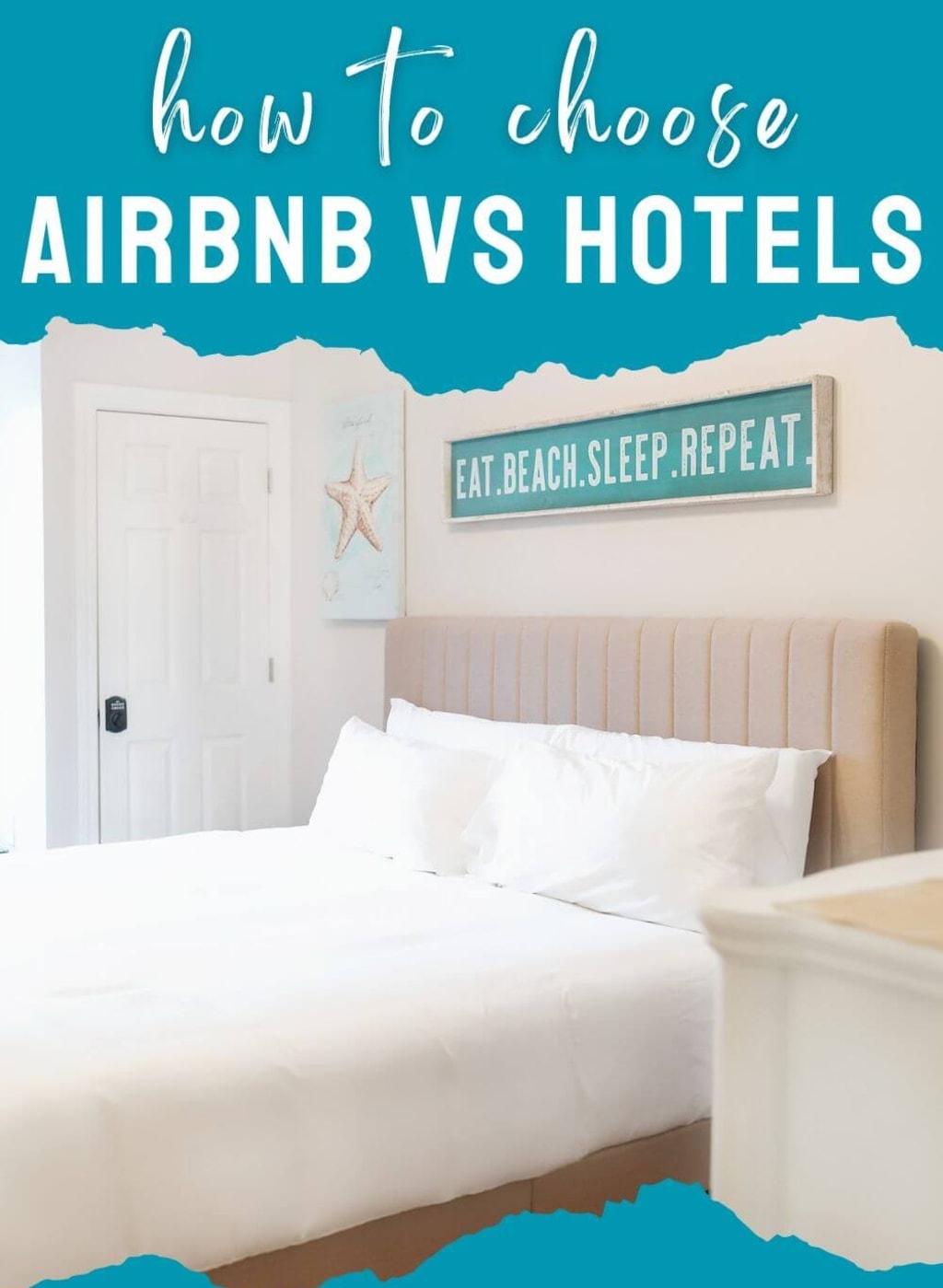
When I first started traveling full-time, hotels felt like the obvious choice. They promised convenience, comfort, and a sense of luxury I associated with “real travel.” There was always someone to clean up, breakfast was handled, and the front desk could answer any question at any hour.
But after a few months of living this way, something shifted. Every room started to look the same, beige walls, white sheets, polite smiles, and no real sense of place. I realized I wasn’t living in these destinations. I was simply passing through them.
That’s when I booked my first Airbnb. It wasn’t fancy, just a small apartment in Lisbon with creaky floors, a balcony full of plants, and a host who left me a handwritten note and a list of neighborhood cafés. Yet something about that stay felt different. It felt real. I shopped for groceries, greeted the same barista every morning, and felt, for the first time, like I wasn’t just visiting a city, but becoming part of its rhythm.
That was the turning point. Since then, I’ve stayed in more Airbnbs than I can count, from beachside lofts in Bali to tiny attic studios in Paris, and they’ve shaped my experience of travel more than any tour ever could.
Still, hotels have their place. There are moments when convenience, predictability, or even indulgence matter more than authenticity. The trick is knowing when to choose which.
Why I Lean Toward Airbnbs
1. Space to Live, Not Just Sleep
Hotels are designed for short stays. They’re made for travelers who spend most of their day elsewhere and return only to sleep.
But as a remote worker and long-term traveler, I often spend 8–10 hours a day in my temporary “home.” A hotel room with a single chair and desk wedged between the bed and the minibar quickly becomes suffocating.
An Airbnb, even a small one, gives me the feeling of living, not just existing. I can cook, stretch, move from the couch to the balcony, and create a rhythm that feels like life, not transit. When you’re on the road for months, that feeling of normalcy is gold.
2. Kitchens Save Money and My Sanity
Eating out sounds like a dream until you actually do it every day for three weeks. The excitement fades. You crave something simple, a plate of eggs, a salad, or tea in your own mug.
Airbnbs make that possible. Having a kitchen doesn’t just save money (though it does, cooking even a few meals per week can save hundreds). It also gives me control over how I feel. After long days or stressful projects, cooking becomes grounding.
I’ve learned that a good pan and a local market can do wonders for your budget and your mental health.
3. Local Vibes Over Corporate Uniformity
Hotels, no matter the country, tend to follow the same formula: neutral tones, white sheets, lobby music. That predictability is comforting but also sterile.
Airbnbs, on the other hand, carry the fingerprints of real people. I’ve stayed in places filled with hand-painted tiles, vintage furniture, and quirky art, reflections of the host’s personality and the local culture.
These little details connect you to the city in ways a standardized hotel room never can. You start to notice what people value, how they decorate, what stories their homes tell.
It’s not just accommodation, it’s cultural immersion.
4. Better for Longer Stays
Hotels are rarely designed for slow travel. Even with “long stay” deals, the costs add up quickly.
Airbnbs, however, reward duration. Many hosts offer weekly or monthly discounts, sometimes shaving off 20–40% of the total cost. For digital nomads or anyone staying longer than a week, that difference is huge.
Plus, you get a washing machine, closets, and space to unpack, small luxuries that make long-term travel sustainable.
5. More Work-Friendly Environments
As a remote worker, I need solid Wi-Fi and a comfortable workspace. Most Airbnbs have at least a dining table, and some even come with desks and ergonomic chairs.
Hotels, on the other hand, often treat their “work area” as decorative — a small desk facing a wall with poor lighting.
In an Airbnb, I can rearrange furniture, create a mini office by a window, or take calls from the balcony. That freedom keeps me productive and inspired.
The Downsides of Airbnbs
Of course, Airbnbs aren’t perfect. They come with their own set of frustrations, lessons I learned the hard way.
1. Inconsistency
Every host is different. Some are amazing communicators, others vanish after check-in. “High-speed Wi-Fi” can mean anything from fiber optics to “barely enough to load Gmail.”
2. More Work
You’ll be doing your own dishes and laundry, taking out the trash, and sometimes restocking basics like toilet paper. It’s real life, not hotel life.
3. Hidden Costs
Cleaning fees and service charges can make short stays surprisingly expensive. I once booked a two-night stay that cost more in fees than the nightly rate itself.
4. Check-In Hassles
Hotels have 24-hour desks. Airbnbs have lockboxes, codes, or meet-ups. When your flight lands late or your phone dies, this can quickly become a headache.
So, yes, while Airbnb offers authenticity and space, it also requires flexibility, patience, and a little self-sufficiency.
When I Pick Hotels Instead
As much as I love the homey chaos of Airbnbs, there are times when hotels are the smarter choice. Over the years, I’ve noticed patterns in when I instinctively reach for a hotel booking app instead.
1. Short Stays (1–3 Nights)
If I’m only staying somewhere for a couple of days, I don’t need a full kitchen or living room. I need convenience.
Hotels are built for efficiency, quick check-ins, daily cleaning, and on-site services. For short stays, those benefits outweigh the charm of an Airbnb.
2. Late-Night Arrivals
After a long travel day, the last thing I want is to coordinate with a host or search for a hidden key box down an unfamiliar street. Hotels win here, hands down. There’s always someone awake, lights on, doors open.
It’s one of those small details that makes a big difference when you’re tired and just want a hot shower and a bed.
3. Business Trips or Conferences
When attending professional events, proximity and reliability matter more than atmosphere. Hotels near conference centers or airports make life easier, especially when meetings run late or schedules change at the last minute.
4. A Little Luxury Reset
Every now and then, I want soft robes, breakfast delivered to my door, and zero chores.
A good hotel feels like a reset, a small pause in the constant motion of nomad life. It’s not about indulgence; it’s about rest.
When I’ve been moving too fast for too long, a few nights of pampering recharge my mind better than any vacation.
5. When Airbnbs Don’t Make Sense
In some cities, Airbnb prices have skyrocketed, or short-term rentals are tightly restricted (looking at you, New York and Barcelona). In these cases, hotels often turn out to be cheaper, safer, and more ethical.
It’s about respecting local rules and understanding that not every market is Airbnb-friendly.
My Personal Rule of Thumb
Over time, I developed a simple framework that keeps me sane (and budget-conscious):
Long stay + need to work = Airbnb
Short trip + convenience matters = Hotel
Airbnbs are for when I want to sink into a place, cook, and live like a temporary local. Hotels are for when I need quick comfort, predictability, or a break from logistics.
There’s no “better” choice, only what fits the moment.
How I Decide: A Real Example
Let’s say I’m heading to Portugal.
If I’m spending one week exploring Lisbon before heading south, I’ll book a hotel for those first few nights. I’ll want easy access to everything, no check-in hassles, daily breakfast, central location.
But if I’m staying in the Algarve for a month to work remotely, I’ll rent a cozy Airbnb with a kitchen, a balcony, and space to breathe. That combination of comfort and independence makes long-term living realistic.
It’s a dance between two types of travel: movement and settlement. Knowing when to switch between them is what keeps nomad life sustainable.
Final Thoughts
Choosing between Airbnbs and hotels isn’t about loyalty or trendiness. It’s about alignment, matching your needs with the type of trip you’re taking.
Airbnbs have taught me to slow down, to cook local food, to notice the details of neighborhoods most tourists rush past. Hotels have taught me that sometimes comfort and simplicity are worth every penny.
There’s a certain beauty in alternating between both worlds.
Airbnbs make me feel like I belong.
Hotels remind me that I’m free.
The best part of this balance? It keeps travel fresh. One month, I’m shopping for vegetables in a farmer’s market, chatting with locals as I plan my day. Next, I’m sinking into crisp hotel sheets, savoring a break from doing the dishes.
Both serve their purpose, and both shape the way I experience the world, one lived, one observed, each essential in its own way.
So when it comes to choosing, I ask myself one simple question:
Do I want to feel at home, or do I want to be taken care of?
That answer tells me everything I need to know.
About the Creator
Jasmine Bowen
I’m a digital nomad with a love for history, hidden corners, and real connections. From bustling cities to quiet villages, I share stories that uncover the authentic side of travel, the kind you won’t find in guidebooks.
Keep reading
More stories from Jasmine Bowen and writers in Writers and other communities.
How to Make Train Travel in Europe Work for Remote Life
There is something almost poetic about opening your laptop in a train as it glides through Europe, the world passing like a movie outside your window. One moment you are in Germany, the next you are crossing into Belgium, without ever needing to take off your shoes or stand in a line behind a security belt. The gentle rocking, the low hum of conversation, and the flash of vineyards, villages, and rivers passing by have a way of making work feel softer, less rigid.
By Jasmine Bowen3 months ago in Writers
Multi-Shot Sequencing: How AI Supports Continuous, Coherent Video Narratives
Introduction A continuous video scene is built from a series of deliberate choices. The camera may begin with a wide establishing shot, move into a close-up of a character’s expression, and then shift perspective as another character enters the frame. Lighting, spatial layout, and camera movement all contribute to how the story is understood.
By CEO A&S Developers7 days ago in Writers


Comments
There are no comments for this story
Be the first to respond and start the conversation.