
The Global Hardwood Flooring Market: An In-Depth Analysis
The Global Hardwood Flooring Market: Comprehensive Insights, Trends, and Growth Drivers

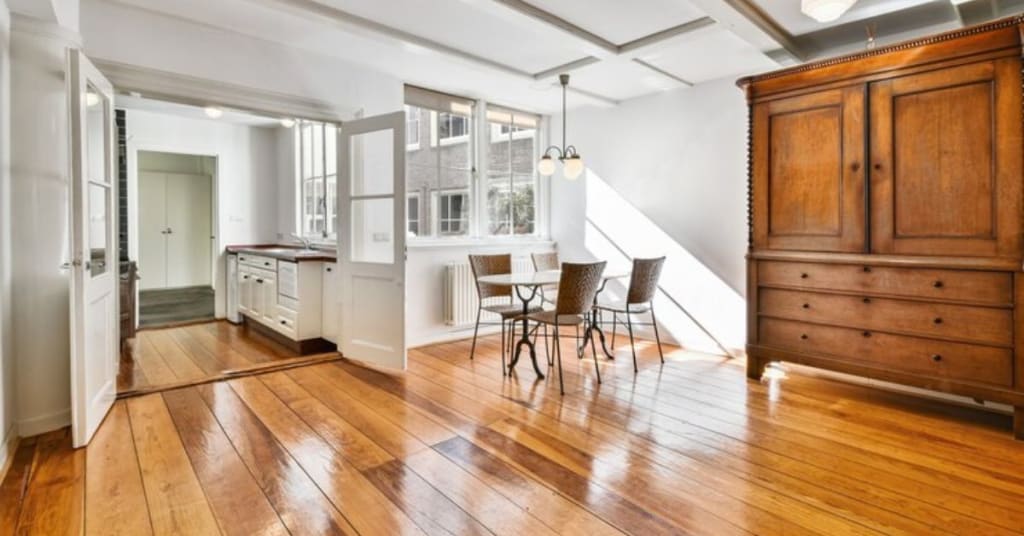
Introduction: The Resilience of Nature
The global Hardwood Flooring Market stands as a testament to the enduring human desire for organic beauty within the built environment. Valued at tens of billions of dollars globally, this industry is currently navigating a complex landscape defined by high interest rates, a shift toward sustainable luxury, and a technological revolution in manufacturing. Unlike "disposable" flooring options, hardwood is increasingly viewed by global consumers not just as a surface, but as a generational asset.
1. Market Overview and Economic Drivers
The trajectory of the hardwood flooring market is intrinsically linked to the health of the global real estate and construction sectors. Despite the rise of synthetic alternatives like Luxury Vinyl Plank (LVP) and Laminate, hardwood maintains a dominant share of the "premium" and "ultra-premium" segments.
The Residential Resurgence
In North America and Western Europe, the "Home Improvement" boom triggered by the early 2020s has evolved into a "Value Addition" trend. Homeowners are opting for hardwood because it offers the highest Return on Investment (ROI) among flooring types—often recovering 70% to 100% of its cost upon the sale of a home.
Urbanization in Emerging Economies
In regions like Asia-Pacific—specifically China, India, and Vietnam—rapid urbanization and a rising middle class are driving demand. As disposable incomes increase, the prestige associated with real timber flooring is fueling a transition away from traditional stone or tile in luxury high-rise developments.
2. The Great Pivot: Solid vs. Engineered Hardwood
A defining characteristic of the modern market is the aggressive growth of Engineered Hardwood compared to traditional Solid Hardwood.
Solid Hardwood: The Purist's Choice
Solid wood remains the gold standard for historical preservation and luxury estates. Its primary advantage is longevity; a ¾-inch solid plank can be sanded and refinished 5 to 7 times, lasting over a century. However, its susceptibility to "cupping" and "crowning" in high-humidity environments limits its use in basements or tropical climates.
Engineered Hardwood: The Market Leader
Engineered wood now accounts for a significant majority of new installations. By utilizing a real wood "wear layer" atop a cross-laminated plywood or HDF core, it offers:
Dimensional Stability: It resists expansion and contraction, making it suitable for installation over concrete slabs and radiant heating systems.
Resource Efficiency: A single log can produce significantly more square footage of engineered veneer than solid planks, reducing the pressure on slow-growing forests.
3. Leading Wood Species and Aesthetic Trends
Consumer preferences in the hardwood flooring market have shifted away from the dark, heavy aesthetics of the early 2000s toward lighter, more "airy" palettes.
The Dominance of White Oak
European and American White Oak currently dominate the market. Its neutral tannin profile allows for a wide range of staining possibilities—from "bleached" Nordic whites to sophisticated "fumed" greys. Its Janka hardness rating (approx. 1360) makes it durable enough for high-traffic households.
The Decline of Exotic Tropics
Species like Brazilian Cherry (Jatoba) and Tigerwood have seen a decline in market share due to stricter CITES regulations and a shift in design trends toward domestic, sustainable species.
Texture and Format
Wide Planks: The market has moved from standard 2 ¼" strips to 7", 9", and even 12" wide planks. This reduces visual "clutter" and makes rooms feel more expansive.
Wire-Brushing and Hand-Scraping: These textures are popular because they hide everyday wear and tear (scratches from pets or furniture) better than smooth finishes.
4. Technological Innovations in Manufacturing
The hardwood flooring market is no longer a "low-tech" industry. Innovation is happening at the cellular level of the wood.
UV-Cured Oil Finishes
Traditional polyurethane finishes sit "on top" of the wood, creating a plastic-like barrier. Modern markets are shifting toward UV-cured oils. These penetrate the wood fibers, protecting them from within while maintaining the natural feel of the grain. They are also easier to "spot-repair" without refinishing the entire room.
Waterproof Hardwood
The industry's most recent breakthrough is "Waterproof Hardwood." By combining a real wood veneer with a Stone Polymer Composite (SPC) core and specialized locking systems, manufacturers are now competing directly with vinyl in "wet" areas like kitchens and even some bathrooms.
5. Sustainability: The Industry’s New North Star
The Hardwood Flooring Market faces intense scrutiny regarding its environmental impact. Sustainability is no longer a marketing "extra"—it is a survival requirement.
FSC and PEFC Certifications
Chain-of-custody certification ensures that the timber is harvested from responsibly managed forests that provide environmental, social, and economic benefits. Many commercial projects now require these certifications to meet LEED or BREEAM standards.
The Carbon Sink Argument
Industry advocates are increasingly positioning hardwood as a "Climate Positive" choice. Unlike carpet or vinyl, which are petroleum-based and have high carbon footprints, wood sequestered carbon during its growth. When installed in a home for 100 years, that carbon remains locked away.
Reclaimed and Salvaged Timber
The high-end niche market for reclaimed wood (from old barns, bridges, or sunken logs) is growing. Consumers are willing to pay a premium for the "story" and the unique patina of aged wood that cannot be replicated in a factory.
6. Challenges Facing the Market
Despite its growth, the market faces significant headwinds:
Raw Material Costs: Fluctuating lumber prices and energy costs for kiln-drying have made pricing volatile.
The "Labor Gap": Hardwood installation and refinishing is a skilled trade. A global shortage of experienced sand-and-finish professionals is driving up installation costs.
The "LVP Threat": Luxury Vinyl Plank has become the industry’s biggest competitor by mimicking the look of wood at a fraction of the price and maintenance.
7. Future Outlook (2025-2033)
The future of the Hardwood Flooring Market lies in "Value-Added" products. We expect to see:
Smart Floors: Integration of sensors for fall detection in elder-care homes or under-floor heating optimization.
Hyper-Customization: Digital printing onto real wood veneers to create intricate, custom marquetry at an affordable price point.
Circular Economy: Manufacturers implementing "take-back" programs to recycle old engineered flooring into new HDF cores.
8. Regional Market Breakdowns
North America
The largest market for wide-plank White Oak. The focus here is on "Modern Farmhouse" and "Coastal" aesthetics.
Europe
The leader in engineered wood technology and strict environmental regulations. European manufacturers often set the global trends for colors and finishes.
Asia-Pacific
The fastest-growing market. While historically dominated by tile, the "Westernization" of interior design in urban centers is creating a massive vacuum for high-quality hardwood imports.
9. Conclusion: The Permanent Foundation
The hardwood flooring market remains a cornerstone of the global economy because it appeals to both the head and the heart. Economically, it represents a stable investment in real estate value; emotionally, it provides a tactile connection to the natural world. As technology continues to solve the traditional weaknesses of wood—such as moisture sensitivity and maintenance—hardwood is set to remain the "aspirational" flooring choice for decades to come.
10. Key Statistics for Stakeholders
Market CAGR: Expected to grow at a steady 4-5% annually through 2030.
Dominant Species: Oak (approx. 50% of the temperate market).
Growth Segment: Multi-layer engineered flooring.
Primary Consumer Concern: Durability vs. Environmental impact.
About the Creator
Rahul Pal
Market research professional with expertise in analyzing trends, consumer behavior, and market dynamics. Skilled in delivering actionable insights to support strategic decision-making and drive business growth across diverse industries.
The Future of Digital Identity: How Meta Earth is Pioneering Web3 Universal Basic Income 🌍
In an era where digital scams and data breaches have become the "new normal," the search for legitimate, privacy-preserving blockchain projects is more critical than ever 🛡️. The crypto landscape is often cluttered with noise, making it difficult to distinguish between fleeting trends and projects with a robust technological foundation. One such project gaining significant traction in 2026 is Meta Earth, specifically through its innovative ME Pass ecosystem.
By Piotr Nowak3 days ago in 01




Comments
There are no comments for this story
Be the first to respond and start the conversation.