Through every word, seeks to build bridges — one story, one voice, one moment of peace at a time.
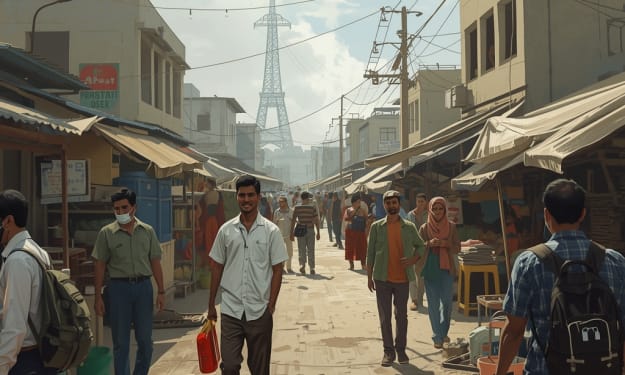
The marketplace of Ziaabad was once the heartbeat of the town. In the mornings, the smells of spices and fresh bread drifted into the narrow streets. Children ran between stalls selling fruits, flowers, and colorful fabrics. Shopkeepers greeted each other by name. Everyone knew everyone — sometimes too much, some would say, but mostly it created warmth and familiarity.
By M.Farooq21 days ago in Humans
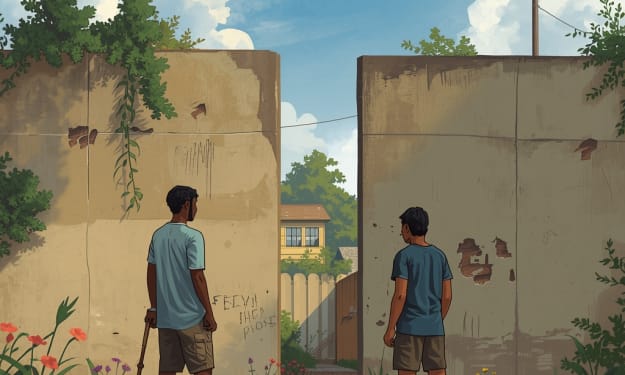
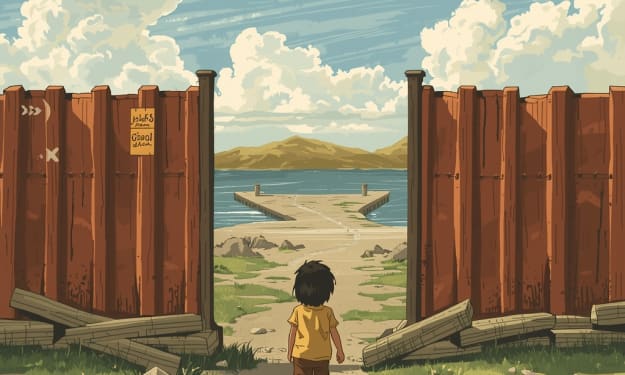
The wall had been half-built for years. It sliced through the heart of Imran Street, a quiet lane where generations had lived, laughed, and argued together. Once, neighbors had shared meals, borrowed sugar, celebrated weddings, and mourned losses as one.
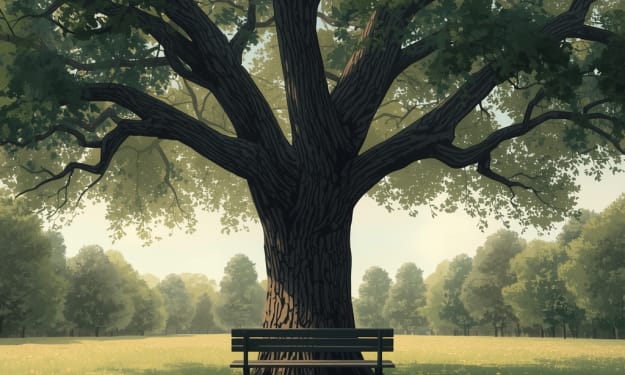
In the old neighborhood of Gulshan Colony, there stood a neem tree older than any house around it. Its branches stretched wide, offering shade through scorching summers and shelter during sudden rains. Beneath it sat a wooden bench — simple, cracked, and uneven — placed there decades ago by someone nobody remembered.
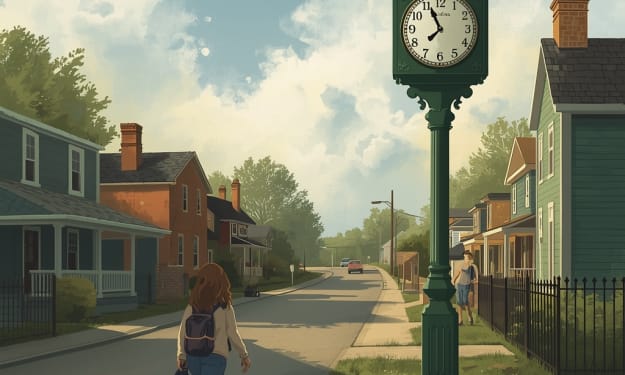
In the town of Qasba-e-Noor, there was a bell that no one rang anymore. It hung in the center of the town, above an old stone archway that once marked the entrance to the marketplace. Long ago, the bell had meaning. It was rung to announce weddings, to warn of storms, to gather people when someone was lost or when help was needed.
The river had been there longer than the town. Before houses rose on its banks, before names were given to streets and families, before arguments learned how to settle into generations — the river flowed. Wide, patient, and steady.
THE STORY Between two villages—Noorabad to the north and Rehmatpur to the south—lay a wide, open field. Once, it had been the pride of both villages. Wheat grew tall there. Children ran freely. Farmers worked side by side, sharing tools, water, and laughter.
By M.Farooqabout a month ago in Humans
THE STORY At the far end of a quiet village named Mehrun, there stood an old house unlike any other. It had two front doors.
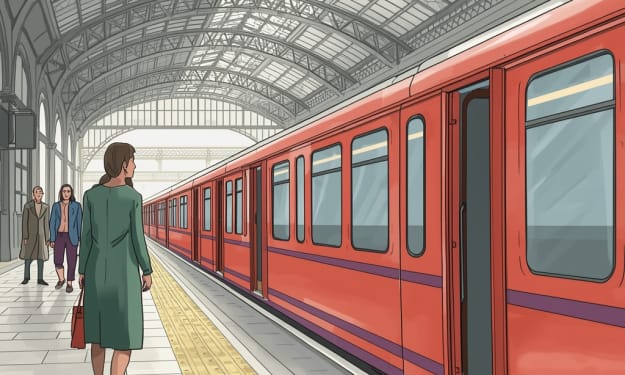
THE STORY The railway station of Mehrabad did not sleep—it only waited. During the day, it looked tired. Dust settled on the benches, stray dogs curled into shadows, and tea stalls shut their wooden doors as if the place itself needed rest. But at night, especially before the 2:15 a.m. train, the station woke with quiet urgency.
THE STORY At the far edge of the town of Gulshanpur, where paved roads slowly turned into dusty lanes, stood two houses that had once felt like one home divided into two halves.
THE STORY Sarangpur was a town split by a wide, winding river. On the west bank lived the Khans, known for their storytelling, poetry, and traditional music. On the east bank lived the Shahids, skilled artisans who crafted wood, metal, and stone with unmatched precision.
By M.Farooq2 months ago in Humans
THE STORY The village of Noorabad lay between gentle hills and a winding river. Its homes were simple—clay walls, wooden doors, and roofs that caught the golden light of sunset. For generations, the village had been united by a tradition: every evening, someone would climb the hill at the edge of town and light the old lantern, a symbol of hope, guidance, and togetherness.
THE STORY Rahimabad was a small town, quiet and dusty, surrounded by low hills and winding roads. People knew each other, but they had stopped truly listening. Disagreements over land, water, and school management had slowly widened the gap between neighbors.