Through every word, seeks to build bridges — one story, one voice, one moment of peace at a time.
Every morning before the world was awake, there was a man who climbed the eastern hill carrying a small wooden box filled with paints. His name was Sikandar, but the people in town simply called him The Painter of Sunrises. Nobody remembered when he started painting. Some said it had been ten years, others said twenty. But everyone knew one thing clearly — he never missed a dawn.
By M.Farooq3 months ago in Humans
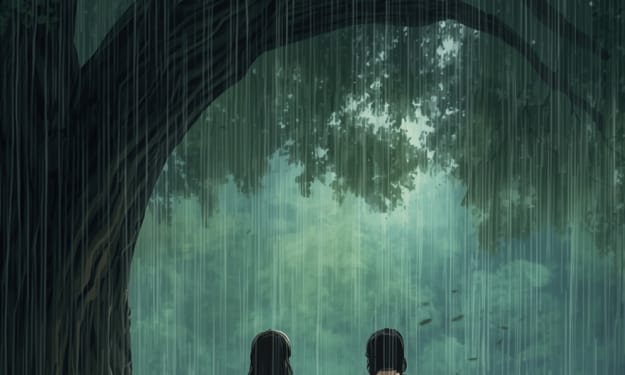
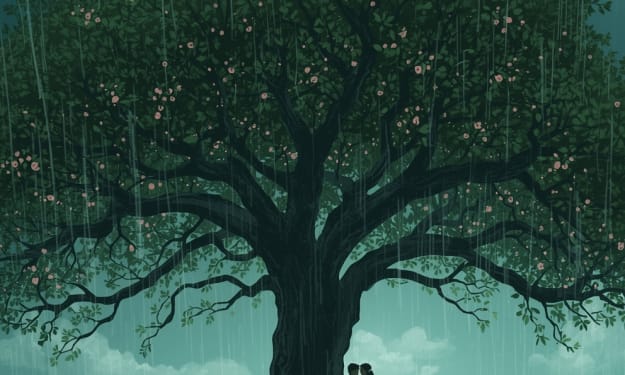
I. The Park That Held Their Childhood For as long as she could remember, Naila had loved the old neighborhood park. Not because it was beautiful—most benches were cracked, the swings squeaked, and the paint on the slide had long faded—but because of the banyan tree.
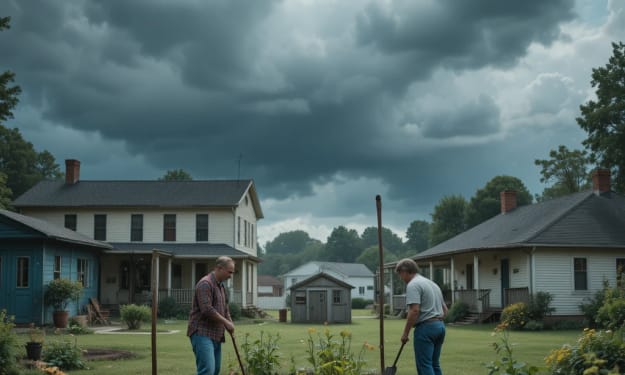
The Village Nobody Returned To Hill Seven was not the tallest hill in the region, nor the most beautiful. But it was the most abandoned. The villagers believed that anyone living there was either hiding from their past or running from their future.
The Village of Quiet Roads In the heart of a valley surrounded by mountains, there lay a small, peaceful village named Miranpur. It was a place where time moved slow—where shopkeepers knew every child’s name, where birds woke the villagers before the sun, and where every home had a courtyard full of memories.
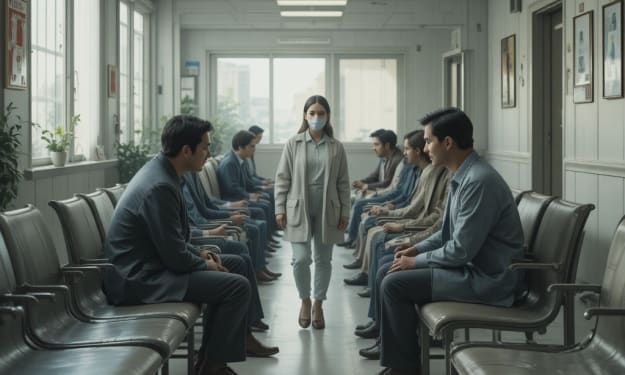
The rain hammered against the hospital windows as people rushed inside, dripping, anxious, and tired. The emergency ward was full—nurses shouting instructions, doctors running from one room to another, and families holding each other in worry.
Every night, when the city streets grew quiet and the day’s noise faded away, a small tea stall lit up on the corner of Railway Street.
In the heart of a busy city, a small bakery named “Golden Crust” stood quietly on a corner. Its owner, Hassan, had inherited the shop from his father, who taught him that baking was more than just making bread — it was a way to nurture, to connect, and sometimes, to heal.
In the quiet town of Afsanaabad, there was a small public garden known as Nafees Park. Old wooden benches, a narrow walking path, and a fountain that barely worked — nothing special, yet the garden held a warmth that made people visit after long days.
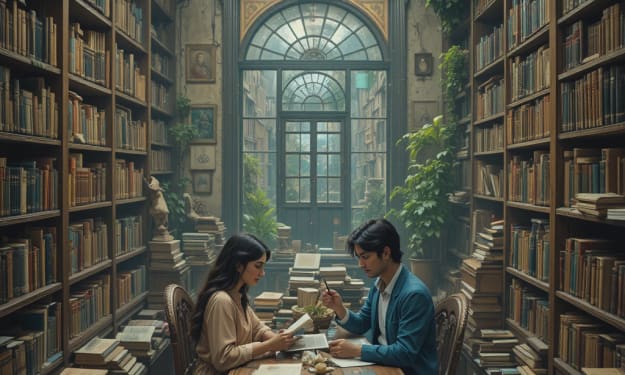
In the middle of a crowded, noisy city, there was a library that few people visited. Its walls were lined with books from floor to ceiling, many with cracked spines and yellowed pages. Dust lingered in the corners, and the smell of old paper mixed with the faint scent of lavender that the librarian, Mr. Naveed, always carried.
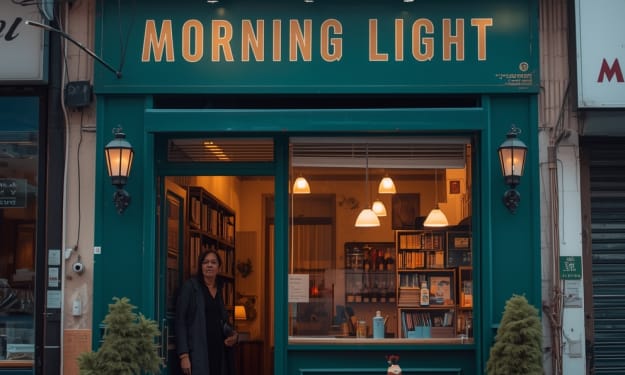
In the heart of a bustling city, where honking cars and hurried footsteps never seemed to stop, there was a small café at the corner of two streets called “Morning Light.” It was modest — a few wooden tables, a counter polished to a warm glow, and a window overlooking the crowded intersection. But for those who entered, it felt like a haven.
In the heart of a crowded, bustling city, life often felt rushed and disconnected. Narrow streets, honking cars, and towering apartment buildings pressed close together. Between two such buildings, hidden from most passersby, lay a long, narrow strip of land — neglected, overgrown with weeds, littered with broken bricks, old tires, and garbage. Residents ignored it, calling it an eyesore, a “forgotten space.”
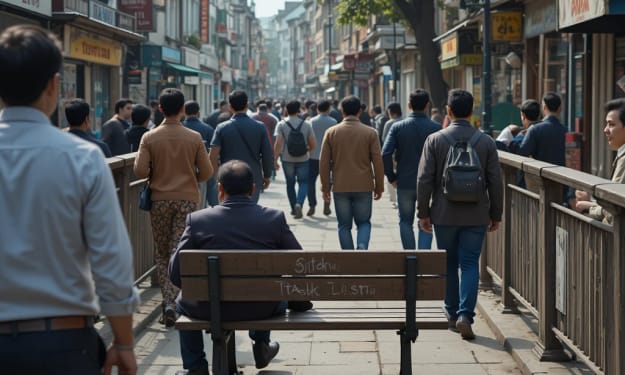
In a crowded city, a narrow pedestrian bridge connected two busy neighborhoods. Every day, hundreds of people crossed it — rushing to work, carrying groceries, or walking to school. Most ignored one another, their eyes glued to the ground or their phones.