Muhammad Hassan
Bio
Muhammad Hassan | Content writer with 2 years of experience crafting engaging articles on world news, current affairs, and trending topics. I simplify complex stories to keep readers informed and connected.
Stories (467)
Filter by community
£5,000 invested in the FTSE 100 a year ago is now worth…
If you had invested £5,000 in the FTSE 100 a year ago, what would it be worth today? For many retail investors, retirees, and ordinary households, this question isn’t just academic — it directly impacts financial security, planning, and confidence in the markets.
By Muhammad Hassanabout a month ago in The Swamp
Trump Calls UK’s Chagos Islands Sovereignty Decision an Act of ‘Great Stupidity’. AI-Generated.
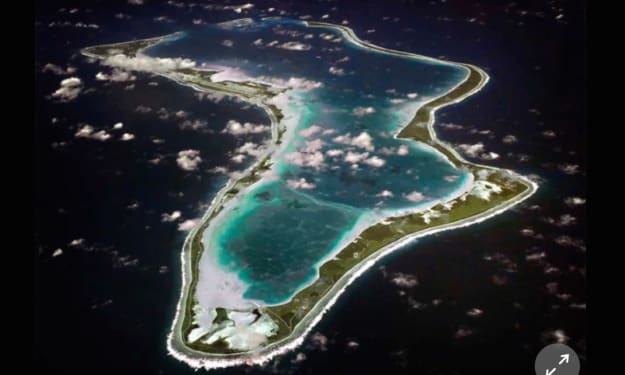
Former U.S. President Donald Trump has criticized the United Kingdom’s decision to hand over sovereignty of the Chagos Islands to Mauritius, calling it an act of “great stupidity.” This high-profile statement has reignited debates over colonial legacies, geopolitical alliances, and the rights of local communities. While the issue may seem distant to many, it carries significant implications for global politics, regional stability, and the affected communities. The Chagos Islands, a strategically located archipelago in the Indian Ocean, have long been a point of contention between the UK, Mauritius, and the United States, which maintains a military base on Diego Garcia, one of the largest islands. The latest political statements have highlighted not only international disagreements but also how decisions by governments can affect local populations and global perceptions. Why the UK Is Handing Over the Chagos Islands The UK’s decision to transfer sovereignty to Mauritius comes after years of legal challenges and international pressure. The United Nations has repeatedly called for the return of the islands to Mauritius, stating that the previous detachment in 1965 was illegal. The move aims to: Resolve a longstanding international dispute Acknowledge the rights of the Chagossian people, many of whom were forcibly removed from the islands decades ago Comply with international law and UN recommendations For many in Mauritius and the Chagossian diaspora, the transfer represents justice and recognition of their historical grievances. Trump’s Criticism and Its Context Trump described the UK’s decision as “an act of great stupidity,” emphasizing strategic and military concerns. The United States relies on Diego Garcia for one of its key military bases, crucial for operations in the Indian Ocean region and beyond. From Trump’s perspective, the sovereignty transfer could: Complicate U.S. military logistics Create uncertainty over strategic agreements Signal weakness in alliances with close partners like the UK However, critics argue that such statements overlook the rights of the displaced Chagossian communities and the importance of resolving colonial-era injustices. Impact on Local Communities The Chagos Islands have a unique human story. In the 1960s and 1970s, the indigenous Chagossian population was forcibly removed to make way for a U.S. military base. Families were relocated to Mauritius, the Seychelles, and other areas, often under harsh conditions. The sovereignty transfer could: Support efforts for Chagossians to return home Enable compensation and recognition of historical wrongs Promote cultural and community restoration Community advocates argue that international legal decisions should prioritize the welfare and rights of displaced populations, not just geopolitical or strategic interests. Geopolitical Implications The dispute is more than a bilateral issue between the UK and Mauritius. It has global political ramifications, including: U.S.-UK relations: While the UK maintains a strategic alliance with the U.S., the sovereignty decision may raise tensions over military operations. Indian Ocean stability: The islands are located in a key maritime region, affecting naval operations, trade routes, and regional security. International law precedent: Recognizing Mauritius’ claim reinforces UN rulings on decolonization and territorial sovereignty. For communities that follow global politics, these dynamics highlight how high-level political decisions impact both strategy and society. Media and Public Reaction Trump’s comments have dominated media coverage, sparking debate in international communities and online forums. Public opinion is divided: Supporters of Trump’s viewpoint cite national security concerns and strategic importance. Critics highlight colonial injustices and the need to respect the rights of indigenous populations. Social media discussions reveal growing interest in the balance between military strategy and human rights, showing that global decisions resonate with everyday communities. Legal and Ethical Considerations The transfer of the Chagos Islands raises several legal and ethical issues: Sovereignty and Self-Determination: The Chagossian people’s right to return and their cultural identity must be respected. Colonial History: Addressing past injustices is an ethical obligation for governments involved in colonial-era displacement. Military Agreements: Ensuring strategic stability while honoring international law is a complex balancing act. Legal scholars note that this case could set a precedent for other disputed territories, influencing how communities worldwide perceive justice, sovereignty, and rights. Why This Matters to Communities Even though the Chagos Islands are remote, the controversy touches on community awareness and engagement: Diaspora Communities: Chagossians and Mauritians see this as a historic moment affecting their families and heritage. Global Citizens: People interested in human rights and international law follow such cases to understand justice and accountability. Policy Advocates: NGOs and advocacy groups use this dispute to promote awareness of displacement, sovereignty, and ethical governance. In short, political decisions at the top level ripple down to real people, influencing lives, cultural identity, and community cohesion. Looking Ahead The future of the Chagos Islands will depend on: Implementation of sovereignty transfer: Ensuring legal and diplomatic arrangements are respected. U.S.-UK negotiations: Maintaining strategic interests while addressing human rights. Chagossian return programs: Supporting the restoration of communities affected by displacement. The controversy is a reminder that politics and community welfare are intertwined, and decisions made in boardrooms or government offices can have lasting effects on populations far from the center of power. The Takeaway Trump’s statement about the Chagos Islands sovereignty highlights the tension between geopolitical strategy and community justice. While international relations and military interests are important, the voices of the displaced Chagossian community cannot be ignored. For communities following global politics, the case demonstrates how: International decisions affect local populations Human rights and sovereignty are key considerations Awareness and advocacy by communities can influence global policy As debates continue, the story of the Chagos Islands serves as a reminder that political and strategic choices have human consequences, and that protecting community rights is as vital as maintaining alliances.
By Muhammad Hassanabout a month ago in Earth
One Wall Street Bank Downgrades Europe Over Greenland Threat. AI-Generated.
A leading Wall Street bank has wasted no time downgrading its outlook on Europe following U.S. former President Donald Trump’s controversial Greenland threat. The decision underscores the growing concern among investors, analysts, and communities who closely monitor global markets about the potential economic and social impact of geopolitical tensions. While headlines often focus on the stock market numbers, these developments have real consequences for communities worldwide, from small investors to multinational businesses and even everyday citizens affected by trade policy changes. What Happened The downgrade comes in response to Trump’s renewed push over Greenland, where he suggested the U.S. might pursue tariffs or take a more aggressive stance toward allied European countries unless negotiations favor U.S. interests. Following the announcement, Wall Street reacted immediately: European stocks were marked down as analysts revised forecasts. Futures for indices like Germany’s DAX and France’s CAC 40 showed sharp declines. Safe-haven assets, including gold and government bonds, gained traction as investors sought stability. This quick reaction from a major Wall Street bank reflects the speed at which financial institutions now respond to political events, and how market moves can ripple into communities far beyond Wall Street itself. Why Analysts Are Concerned Experts highlight several reasons for the downgrade: Trade Disruptions: Tariffs or sanctions could disrupt European exports and imports, affecting jobs, manufacturing, and small businesses. Investor Uncertainty: When global tensions rise, investment slows. Markets may overreact, causing volatility that affects pensions, retirement funds, and savings accounts. Economic Growth Risks: Reduced confidence can slow spending and investment, potentially impacting households and local economies in Europe and beyond. For communities that rely on stable economic conditions, these shifts are more than numbers on a screen — they impact real lives. Geopolitical Context Trump’s Greenland threat is part of a broader pattern of using trade policy as leverage in geopolitical disputes. While often framed as economic strategy, such moves have social and communal consequences: Local industries may face sudden cost increases due to tariffs. Jobs in trade-dependent sectors could be at risk. Prices for imported goods could rise, affecting household budgets. Europe, historically a stable economic partner, now faces increased market scrutiny and potential disruption to community-level economic stability. How Communities Feel the Impact While the news seems distant to many, market changes affect communities in multiple ways: Investors: Pension funds and retirement accounts exposed to European markets could see fluctuations. Businesses: Importers, exporters, and small businesses dependent on trade with Europe may face uncertainty. Consumers: Price increases and reduced availability of goods could trickle down to households. Social media and local news outlets show that people are discussing the potential economic consequences, raising awareness about the link between geopolitical events and everyday life. Wall Street’s Role The bank’s quick downgrade illustrates how financial institutions act as both market influencers and risk indicators. Downgrades can: Signal caution to investors worldwide. Lead to sell-offs or reallocation of capital. Affect lending rates, borrowing costs, and investment confidence. When these actions cascade, communities dependent on a stable economic climate may feel the effects in employment, investment, and public services. Broader Implications This situation highlights the interconnectedness of global economies. Decisions made in Washington or on Wall Street can influence: European financial markets Local businesses and jobs Consumer prices in multiple countries It also emphasizes the importance of communities understanding how political and economic events intersect, making it crucial for individuals and organizations to be informed about global news and its local impact. Analysts’ Recommendations Financial analysts advise communities and investors to: Diversify Investments: Spread risk across multiple regions to buffer against geopolitical shocks. Monitor News Closely: Staying informed helps anticipate changes that might affect personal finances or local businesses. Plan for Volatility: Understand that global tensions can temporarily affect market stability and community economic confidence. These strategies are not just for large investors; every community member can benefit from being financially aware and prepared. Why This Matters to the Community The downgrade is not merely a Wall Street story — it is a community story: Schools, hospitals, and local services may face budget pressures if economic growth slows. Small businesses dependent on trade may see disruptions. Everyday families could feel the impact through rising prices or reduced job security. Understanding how geopolitical events ripple into local life helps communities advocate for responsible policy, informed investment, and resilience in uncertain times. Looking Ahead As the situation evolves, it will be critical to watch: How European governments respond to potential U.S. tariffs or threats. Market reactions across global indices and local stock exchanges. The long-term impact on community-level economic stability. While Wall Street focuses on markets, communities must consider the broader consequences of geopolitical tensions, trade disruptions, and economic downgrades. Awareness, planning, and engagement can help communities navigate uncertainty and maintain resilience. The Takeaway The Wall Street bank’s rapid downgrade of Europe over the Greenland threat is a reminder of the global interconnectedness between politics, finance, and everyday life. It is a wake-up call for communities to understand how international events affect local economies, jobs, and families. In an era of fast-moving global news, staying informed, preparing for volatility, and understanding the local impact of international actions are essential for community wellbeing.
By Muhammad Hassanabout a month ago in The Swamp
Prince Harry Returns to U.K. to Face Court Over Alleged Tabloid Snooping. AI-Generated.
Prince Harry has returned to the United Kingdom to appear in court for a high-profile case accusing several tabloids of illegal phone and email hacking. The case, which has captured global attention, raises significant questions about privacy, press freedom, and the rights of public figures — issues that resonate far beyond the royal family itself. The legal battle is part of a growing trend in which public figures, celebrities, and even ordinary citizens are taking a stand against invasive media practices. For communities concerned with media ethics, digital privacy, and responsible journalism, this case provides a high-profile lens into the tensions between public curiosity and personal boundaries. Why Prince Harry Is in Court The Duke of Sussex alleges that multiple U.K. tabloids engaged in illegal phone and email hacking to obtain private information. According to court filings, the publications collected sensitive details about his personal life and communications, which were then published without consent. Prince Harry’s legal team argues that such actions are a gross invasion of privacy, causing distress to both him and his family. While the public has long been fascinated by royal life, the case underscores that curiosity does not justify illegal surveillance. The Stakes: Privacy vs. Public Interest This case is about more than just celebrity gossip. It touches on fundamental questions of privacy in the digital age: How far should the media go to report on public figures? Do royals, as public personalities, have a reduced expectation of privacy? What limits exist for journalists when pursuing stories that attract massive attention? Legal experts say the outcome could reshape how the media approaches stories about private individuals, especially when technology makes personal data increasingly accessible. The Tabloid Culture in the U.K. U.K. tabloids have a long history of sensational reporting, often treading the fine line between investigative journalism and invasion of privacy. Prince Harry’s case follows previous high-profile instances, including actions by celebrities like Meghan Markle and members of the wider royal family. The tabloids involved in this case are accused of using sophisticated methods to access private information, including: Phone hacking to listen to voicemails Email interception to obtain sensitive correspondence Using insiders or intermediaries to gain personal details For many, these tactics raise ethical questions about journalistic integrity and the responsibility of media outlets toward their subjects and the wider public. Public Reaction and Community Impact Prince Harry’s court appearance has triggered widespread media coverage, sparking discussions in both traditional and online communities. Many have expressed support for the Duke, emphasizing the importance of protecting individual privacy. Others debate the role of public interest, arguing that royals, as global figures, are naturally newsworthy. Social media has become a platform for public discourse, where communities weigh in on: Media ethics and accountability Privacy rights in the digital era How public figures should respond to invasive reporting For citizens, this case serves as a reminder that privacy is not just a personal concern, but a community issue in a world where digital surveillance is increasingly common. Legal Context Prince Harry’s case draws on existing privacy laws in the U.K., including protections against: Phone hacking and interception of private communications Data protection breaches Harassment and misuse of personal information The legal framework is designed to balance freedom of the press with the right to personal privacy. However, critics argue that enforcement has historically been inconsistent, making high-profile cases like this essential for setting precedents. Legal observers note that if Prince Harry prevails, it could strengthen privacy protections for everyone, not just celebrities. This could influence how journalists and media outlets operate, potentially discouraging invasive practices. Implications for the Royal Family While the case focuses on Prince Harry, the outcome could impact the entire royal family. For younger royals and other public figures, it signals that taking legal action against media intrusion is a viable path. The case also reflects broader tensions within the royal family, especially as Prince Harry and Meghan Markle have previously spoken about media pressure affecting their mental health. Their experience highlights how media scrutiny can intersect with community wellbeing, prompting debates on responsible reporting. Why This Matters to the Public Prince Harry’s court battle is not just a celebrity issue; it resonates with anyone concerned about privacy, digital safety, and media accountability. Communities across the U.K. and around the world are increasingly aware that: Technology makes personal information vulnerable Media organizations wield significant power over public perception Legal protections are necessary to safeguard individuals from exploitation The case offers an opportunity for educational discussions, community engagement, and awareness-raising about digital privacy. It also underscores that privacy rights are a communal concern, affecting everyone who interacts with digital platforms or consumes media content. What to Watch for in Court Observers will be closely following several key aspects of the case: Evidence of illegal activity – Whether the tabloids violated laws related to hacking and data protection Extent of damages – How the invasion of privacy affected Prince Harry and his family Legal precedent – How the judgment might influence future privacy cases and media practices The outcome could either strengthen privacy protections or leave loopholes that allow continued intrusion by media organizations. Either way, it is a case with implications far beyond the royal family, affecting communities everywhere. The Takeaway Prince Harry’s return to the U.K. for this court case highlights the ongoing tension between public curiosity and individual rights. For communities concerned with media ethics, privacy, and responsible journalism, the case is a touchstone moment. It reminds us that privacy is not a luxury reserved for the famous; it is a fundamental right that communities must defend in a rapidly changing digital landscape. As the case unfolds, it will likely influence not only how the media covers public figures but also how communities understand and assert their own privacy rights in everyday life.
By Muhammad Hassanabout a month ago in The Swamp
Antarctic Penguin Breeding Is Heating Up Sooner — and That’s a Big Problem. AI-Generated.
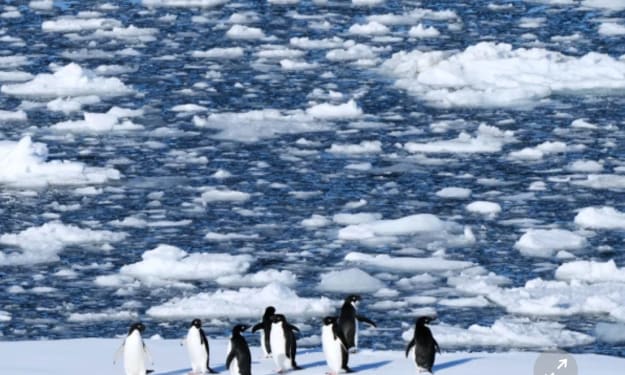
Scientists have discovered that penguins in Antarctica are starting their breeding season earlier than ever before — a change that might sound harmless but is actually raising alarms among researchers. As temperatures in the Southern Hemisphere rise and sea ice patterns shift, these iconic birds are facing challenges that could ripple through the entire Antarctic ecosystem. The finding, based on decades of field observations, highlights how climate change is not just melting glaciers or warming oceans — it is directly affecting wildlife behaviors in ways that could have long-term consequences. For communities of scientists, conservationists, and even eco-tourists who value Antarctica’s unique wildlife, the implications are serious. Why Penguin Breeding Is Happening Sooner For decades, researchers have tracked the Adélie and emperor penguin populations across Antarctica. By comparing breeding dates with historical data, they noticed a clear trend: penguins are laying eggs and hatching chicks earlier than in previous decades. Dr. Samantha Hughes, a marine biologist studying Antarctic ecosystems, explained: “Penguins are highly sensitive to environmental cues. Warmer temperatures and earlier ice melt mean that the conditions they rely on for breeding are coming sooner, so they adjust their reproductive cycles.” At first glance, this might seem like an adaptive behavior. After all, responding to environmental changes is part of survival. But scientists warn that earlier breeding can create new problems, particularly when it comes to food availability and weather patterns. The Challenges of Earlier Breeding Penguins depend on a delicate balance between breeding timing, ice coverage, and food supply. Fish and krill, which are the primary food sources for chicks, follow their own seasonal patterns. If penguins hatch too early, they may face a mismatch between the peak food supply and the period when chicks need it most. This phenomenon, known as phenological mismatch, can have serious consequences: Chick starvation: Chicks may hatch before food sources are abundant enough to sustain them. Increased predation: Younger, weaker chicks are more vulnerable to predators. Colony instability: Uneven survival rates can disrupt social structures and breeding success within colonies. Dr. Hughes adds: “Even a difference of a few weeks in hatching times can affect survival rates. In an environment as extreme as Antarctica, timing is everything.” Climate Change Is the Driving Force Scientists point to rising temperatures, changing sea ice patterns, and shifting winds as the main factors behind earlier breeding. Over the past 50 years, Antarctic regions have warmed at rates faster than the global average, leading to earlier ice melt in spring. Sea ice is critical because it provides stable platforms for penguins to nest and raise their chicks. When ice melts too early, penguins may be forced to nest in less secure locations, increasing the risk of flooding and chick loss. Additionally, the warming waters affect the abundance of krill, tiny crustaceans that are the foundation of the Antarctic food web. Less krill means less food for penguins, further exacerbating the effects of early breeding. Why This Matters Beyond Penguins Penguins are often seen as indicator species, meaning that changes in their populations can signal broader environmental shifts. If penguin breeding and survival are disrupted, it could indicate that the entire Antarctic ecosystem is under stress, including seals, seabirds, and even fish populations that humans rely on. Communities involved in Antarctic research are particularly concerned because this disruption can affect long-term conservation strategies. Protecting species like penguins isn’t just about preserving wildlife; it’s about maintaining ecosystem health in a region that plays a critical role in regulating global climate. Observing the Changes Researchers have been using a combination of satellite imaging, on-the-ground observation, and drones to monitor penguin colonies. These methods allow scientists to track: Egg-laying dates Chick hatching and growth Colony sizes and survival rates Data collected over decades show a clear pattern: in some regions, penguins are breeding up to two weeks earlier than 50 years ago. While that might seem minor, in the fragile Antarctic environment, even small changes can have cascading effects. What Can Be Done Addressing this problem requires both local and global action. On a local level, conservationists are working to protect key breeding grounds and monitor populations for signs of stress. International cooperation is crucial, because Antarctica is governed by treaties that involve multiple countries. On a broader scale, tackling the root cause — climate change — is essential. Scientists emphasize reducing greenhouse gas emissions to slow warming trends and protect fragile ecosystems. As Dr. Hughes notes: “If we don’t address climate change, these changes aren’t just a temporary anomaly. They could lead to permanent shifts in penguin populations and Antarctic ecosystems.” The Human Connection This issue isn’t just about penguins. Communities of researchers, scientists, and environmental advocates rely on a stable Antarctic ecosystem for studies that inform global climate policy. Eco-tourism communities also depend on healthy penguin populations for responsible tourism, which can be a source of income and education. In other words, the timing of penguin breeding may seem like a small, isolated detail, but it has broader implications for science, conservation, and global awareness. Looking Ahead The discovery that Antarctic penguins are breeding earlier is a wake-up call. It highlights how climate change can subtly, yet profoundly, alter animal behavior. Scientists, conservationists, and policymakers must collaborate to understand these changes and implement strategies to mitigate their impact. For communities around the world who care about wildlife, this is a reminder that even remote ecosystems are interconnected with human actions. Protecting penguins and their habitats isn’t just about saving a species — it’s about protecting the health of the planet and our shared future.
By Muhammad Hassanabout a month ago in Earth
Dow Set to Fall More Than 700 Points on Trump’s New Tariff Threat Over Greenland. AI-Generated.
Wall Street is bracing for a rough start to the week as the Dow Jones Industrial Average looks set to tumble sharply — potentially by more than 700 points — following a fresh round of tariff threats by former U.S. President Donald Trump. This new escalation revolves around Greenland, a vast Arctic territory of strategic importance, and has already rattled investors and markets worldwide. Futures for the Dow, S&P 500, and Nasdaq have all weakened significantly, pointing to a major sell-off when trading resumes. Analysts say the combination of geopolitical uncertainty and the potential for a new trade conflict with major European allies has created heightened anxiety among traders and investors alike. What Sparked the Market Drop? Trump’s latest announcement shocked the markets. He warned that the United States may impose new tariffs on imports from several NATO and European countries unless they negotiate over his controversial Greenland plans. Investors immediately feared the repercussions of a broad trade dispute. A prolonged tariff war could hurt corporate earnings, disrupt global supply chains, and slow economic growth. The Dow’s expected 700-point decline reflects concerns about these potential consequences. In Europe, the reaction was equally swift. Major indices such as Germany’s DAX and France’s CAC 40 fell more than 1% as traders priced in the risk of retaliatory measures. Meanwhile, safe-haven assets like gold and silver surged, as investors sought protection against rising uncertainty. The Details of Trump’s Tariff Threat Trump’s plan involves tariffs tied directly to Greenland, targeting imports from Denmark, Norway, Sweden, France, Germany, the Netherlands, Finland, and the United Kingdom. Initially, a 10% tariff would be imposed starting February 1. If negotiations fail by June 1, tariffs could jump to 25%, potentially escalating tensions further. This strategy is unprecedented because it targets allied nations rather than traditional trade rivals. Experts say it’s a bold move intended to pressure European governments into negotiating over Greenland, which Trump has repeatedly suggested could be of strategic and economic interest to the U.S. European leaders reacted strongly. British Prime Minister Keir Starmer called the threat “completely wrong,” while France’s Emmanuel Macron warned of coordinated EU retaliation if the tariffs go into effect. This diplomatic pushback adds another layer of complexity to the market reaction. How Global Markets Are Reacting The tariff threat is sending shockwaves across global markets: U.S. Stocks: Dow futures indicate a drop of over 700 points, with tech-heavy indices like the Nasdaq and S&P 500 also down sharply. European Markets: Germany, France, and other major indices fell as fears of a full-blown trade conflict escalated. Safe-Haven Assets: Gold and silver prices climbed as investors sought refuge from the volatile stock markets. Currencies: Traditional safe-haven currencies like the Swiss franc and Japanese yen strengthened against the U.S. dollar. Investors are watching the situation closely, worried that retaliatory tariffs from Europe could total billions of dollars in trade restrictions, further destabilizing global markets. Why Investors Are Concerned Several factors explain why Wall Street is reacting so strongly: Uncertainty Over Trade: The tariffs could spark a broader trade war with Europe, affecting multinational corporations with significant exposure to European markets. Corporate Earnings Risk: Higher tariffs usually translate to increased costs for U.S. companies, which could reduce profits and shake investor confidence. Geopolitical Tensions: This is a rare instance where trade policy is being used to pressure allies, creating additional unpredictability. Analysts caution that while volatility may be temporary, the potential economic impact could be serious if negotiations fail and tariffs are imposed. Investor Behavior in Times of Crisis When markets face sudden geopolitical shocks, investors typically move funds toward “safe-haven” assets. In this case, we’ve seen: Gold and silver prices rise significantly. Flight to secure currencies like the yen and Swiss franc. Equity sell-offs as traders exit riskier positions in tech and industrial stocks. These moves reflect broader market psychology: when uncertainty spikes, even short-term threats can trigger massive sell-offs. The Politics Behind the Markets Trump framed his Greenland tariffs as both a national security priority and an assertion of U.S. leverage. By threatening tariffs, he appears to be using economic pressure to influence European governments. European leaders, however, see it as an overreach. Starmer described the approach as “completely wrong” and warned it could escalate into unnecessary economic conflict. Macron echoed this sentiment, warning of coordinated EU retaliation if the tariffs are imposed. The situation underscores how closely politics and markets are intertwined. Geopolitical decisions now have immediate financial consequences, and markets are extremely sensitive to diplomatic developments. What Happens Next? Investors and traders are watching three key areas: Corporate Earnings Reports: These will indicate how resilient U.S. companies are to rising trade uncertainty. Economic Data: Jobs, inflation, and central bank signals could either calm or worsen market volatility. Diplomatic Negotiations: Talks between Washington and European capitals could ease tensions or further escalate the threat. The Dow’s projected drop of more than 700 points is a stark reminder of how quickly geopolitical events can influence investor confidence and market stability. Why This Matters The Greenland tariff threat demonstrates that even allies are not immune to trade-based leverage. Markets are now pricing in a level of uncertainty rarely seen in U.S.-European relations, showing how connected geopolitics and finance have become. For investors, this is a lesson in risk management. For policymakers, it is a cautionary tale of how rhetoric can affect global markets. And for the public, it underscores that events far from home — in Europe or Greenland — can ripple through Wall Street and beyond. The Takeaway As the Dow braces for a potential 700+ point drop, the story is about more than numbers. It reflects the fragility of global markets in the face of political decisions and highlights the importance of diplomacy in economic stability. Investors, governments, and communities alike will be watching closely in the coming weeks, as the Greenland dispute continues to shape the trajectory of global markets and trade relations.
By Muhammad Hassanabout a month ago in The Swamp
Australia Moves to Pass Tougher Gun and Hate Crime Laws After Bondi Shooting. AI-Generated.
Australia is at a pivotal moment in its approach to public safety, guns, and hate crimes. Following a shocking mass shooting at Bondi Beach in Sydney, lawmakers are rushing to pass sweeping reforms that could reshape the nation’s legal landscape for decades.
By Muhammad Hassanabout a month ago in The Swamp
Trump Slams UK Deal to Hand Over Chagos Islands After Previously Backing It. AI-Generated.
If you thought politics couldn’t surprise you anymore, Donald Trump just proved otherwise. In a dramatic U-turn, the former U.S. president criticized the United Kingdom’s decision to transfer sovereignty of the Chagos Islands to Mauritius—a deal he had previously backed. What was once considered a solution to a decades-long dispute has now become a hot topic, sparking debates about strategy, diplomacy, and international trust.
By Muhammad Hassanabout a month ago in Earth
65% of Workers Are Interested in ‘Microshifting’ Their Schedules as an Alternative to the Strict 9-to-5. AI-Generated.
The traditional 9-to-5 workday has long been considered the standard, but recent research suggests that employees are seeking more flexibility than ever before. A striking 65% of workers report interest in ‘microshifting’ their schedules, a concept that allows them to adjust their work hours in smaller increments rather than sticking to a rigid daily routine. For many, this is more than just a scheduling preference — it’s a way to reclaim control over their time, reduce stress, and boost productivity.
By Muhammad Hassanabout a month ago in Earth
Surrounded by Billionaires in Davos, Trump Plans to Lay Out How He’ll Make Housing More Affordable. AI-Generated.
As the world’s wealthiest leaders gather in Davos for the annual World Economic Forum, former U.S. President Donald Trump is making headlines for a different reason: he plans to unveil a strategy to make housing more affordable in the United States. The juxtaposition is striking — surrounded by billionaires discussing global markets, Trump’s focus is on a domestic challenge that affects millions of ordinary Americans.
By Muhammad Hassanabout a month ago in The Swamp
OpenAI Will Soon Test Ads on ChatGPT. AI-Generated.
Artificial intelligence has transformed how people search for information, write content, and solve problems. At the center of this transformation is ChatGPT, OpenAI’s conversational AI tool used by millions every day. Now, the platform is preparing for a major change: OpenAI will soon begin testing ads on ChatGPT.
By Muhammad Hassanabout a month ago in The Swamp
Why Is the USA Natural Gas Price Rising Today. AI-Generated.
The sudden rise in U.S. natural gas prices has caught the attention of consumers, investors, and policymakers alike. After a long period of relatively low prices, the market has shifted direction, leaving many people asking a simple but important question: why is the USA natural gas price rising today?
By Muhammad Hassanabout a month ago in Earth