Muhammad Hassan
Bio
Muhammad Hassan | Content writer with 2 years of experience crafting engaging articles on world news, current affairs, and trending topics. I simplify complex stories to keep readers informed and connected.
Stories (467)
Filter by community
GWR Confirms ‘Major Investment’ with Office Lease: What It Means for Plymouth and the South West. AI-Generated.
Great Western Railway (GWR) has confirmed a major long-term investment in Plymouth by securing a significant city-centre office lease close to the railway station. While the announcement may sound like a routine property deal on the surface, it actually signals something much bigger — a vote of confidence in the city, a boost for local regeneration, and a clear statement about the future direction of rail-led development in the South West.
By Muhammad Hassanabout a month ago in Earth
Step-Free Access Coming to More Railway Stations. AI-Generated.
For millions of people, catching a train isn’t just about timetables and ticket prices — it’s about access. Steep staircases, broken lifts, and narrow platforms can turn a simple journey into an exhausting or even impossible task. That’s why the announcement that step-free access is coming to more railway stations is being welcomed as a long-overdue breakthrough for inclusive transport.
By Muhammad Hassanabout a month ago in The Swamp
Google’s Gemini Sees Skyrocketing Business Sales. AI-Generated.
Artificial intelligence is no longer a futuristic concept reserved for tech giants and research labs. In 2026, AI has firmly planted itself at the center of everyday business operations — and Google’s Gemini is emerging as one of the biggest winners in this transformation. Over the past year, Gemini’s business sales have skyrocketed, signaling a major shift in how companies adopt, trust, and invest in AI-driven solutions.
By Muhammad Hassanabout a month ago in The Swamp
Canada’s Tariff Cut Just Made This High-Tech Chinese EV 50% Cheaper. AI-Generated.
If you’ve been dreaming of owning a high-tech electric vehicle (EV) but were scared off by the price tag, Canada’s latest trade move might just make that dream a lot closer to reality. Thanks to a dramatic cut in tariffs on Chinese-made EVs, one of the most advanced electric SUVs in the world is now up to 50% cheaper for Canadian buyers. Yes, you read that right — half off on a high-performance EV.
By Muhammad Hassanabout a month ago in The Swamp
Trump’s Greenland Threats Push Europe Toward Divorcing America. AI-Generated.
When you think of Greenland, the first things that probably come to mind are icebergs, polar bears, and maybe some adventurous explorers. But lately, Greenland has become the center of a major diplomatic drama — one that’s forcing Europe to question its long-standing relationship with the United States. And the spark? Donald Trump’s threats over Greenland. The Controversy: Trump’s Unusual Move Back in January 2026, Trump shocked the world again, not with an election campaign but with a bold — and many would say bizarre — plan to acquire Greenland. But he didn’t stop at just “expressing interest.” He threatened eight European nations with tariffs — starting at 10% and potentially climbing to 25% — unless Denmark agreed to sell Greenland to the U.S. Yes, you read that right: tariffs on allies to buy a remote Arctic island. For Europe, this was more than shocking — it felt like a betrayal from a partner they’ve relied on for decades. Europe’s Response: Outrage and Solidarity European leaders didn’t hold back. Germany, France, Norway, the UK, and others banded together to condemn Trump’s approach. The message was clear: Europe won’t be blackmailed. Even usually cautious leaders spoke up. Norway’s Prime Minister bluntly said, “Threats have no place among allies.” Meanwhile, European Commission President Ursula von der Leyen emphasized that tariffs between allies “have no place” and could undermine decades of cooperation. This isn’t just a political disagreement. Europe sees this as a test of trust, sovereignty, and alliance reliability. Why Greenland Matters At first glance, Greenland might seem like just a frozen island. But strategically, it’s a big deal: Location: Greenland sits between North America and Europe, controlling key air and sea routes. Military Importance: It hosts radar and U.S. military infrastructure critical to early-warning systems. Resources: Beneath the ice lie minerals and rare earth elements that the world desperately needs. For Europe, Greenland is also about principle. The island belongs to Denmark and the Greenlandic people, not Washington. Europe’s support for Denmark shows a broader commitment to respecting sovereignty — a principle that Trump’s threats directly challenged. The Bigger Picture: A Crisis of Trust Greenland may just be the tip of the iceberg. For years, European nations have felt frustrated by U.S. policies that seemed unpredictable — whether it’s climate agreements, trade deals, or security commitments. Trump’s Greenland threats amplified these frustrations. Suddenly, Europe is questioning something fundamental: Can the U.S. be trusted as a long-term partner? Some European leaders have even started talking about a kind of “divorce” from the U.S. — not literally leaving NATO, but rethinking how dependent they should be on America for security and strategic decisions. Europe’s Path Toward Strategic Independence This Greenland drama is accelerating discussions about European strategic autonomy. Basically, Europe is asking: Should we be able to protect our own interests without always relying on the U.S.? The EU has long talked about building stronger defense capabilities and investing more in its own military, but progress has been slow. Greenland might just be the wake-up call that finally pushes Europe to act. What’s Next? So, what happens from here? Europe isn’t just going to sit quietly. Leaders are looking at: Economic counter-measures like tariffs on U.S. goods Strengthening European defense and security collaboration Reasserting Europe’s role on the global stage, with less reliance on Washington Even if Europe doesn’t fully “divorce” America, Greenland is changing the terms of the transatlantic partnership. Europe will now demand more respect, clearer rules, and recognition of its sovereignty — and they’re not afraid to make that clear. Why This Matters to All of Us You might wonder why this matters if you’re not in Europe or the U.S. Greenland may seem remote, but this story is about alliances, trust, and how global power is shifting. The way Europe responds could reshape the world order, affect trade, military cooperation, and even the global economy. And for anyone following U.S.-European relations, it’s a reminder that sometimes the smallest places — even a frozen island — can have huge global consequences. Bottom line: Trump’s Greenland threats aren’t just a bizarre footnote in history. They’re a wake-up call for Europe, forcing the continent to rethink its ties with America and consider a future where it can act independently — strategically, economically, and politically. Greenland, icy as it is, might just melt the old rules of alliance forever.
By Muhammad Hassanabout a month ago in Earth
China’s Birthrate Plunges to Lowest Level Since 1949. AI-Generated.
China, long known for its staggering population, is now facing a demographic reality that could reshape its future. According to recent reports, the country’s birthrate has plunged to its lowest level since 1949, signaling a potential crisis not just for China’s economy, but for global markets that depend on its workforce.
By Muhammad Hassanabout a month ago in The Swamp
The Absolute Best French Fries in Every US State. AI-Generated.
Few foods are as universally loved across the United States as French fries. Golden, crispy, perfectly salted — they are a staple on fast-food menus, in diners, and even in fine dining establishments. But not all fries are created equal. Across the country, chefs and home cooks alike have elevated the humble potato into a culinary canvas, adding unique twists and flavors that make each state’s fries distinct. From the beaches of Hawaii to the plains of Kansas, there is a fry in every state that locals swear by — and visitors must try.
By Muhammad Hassanabout a month ago in The Swamp
Black Pepper and Olive Oil: The Ingredients That Super-Charge the Nutrients You Get from Food. AI-Generated.
When it comes to eating healthy, most people focus on getting the right foods: vegetables, fruits, whole grains, and lean proteins. But did you know that how you eat these foods—and what you eat them with—can make a huge difference in how your body absorbs nutrients? Two everyday ingredients—black pepper and olive oil—are proving to be nutrient powerhouses, not just for flavor, but for boosting your health. Why Nutrient Absorption Matters It’s one thing to eat healthy foods, but it’s another for your body to actually absorb all the vitamins, minerals, and antioxidants in them. Many nutrients in foods are fat-soluble or require certain compounds to be absorbed efficiently. For example: Curcumin in turmeric is poorly absorbed on its own. Fat-soluble vitamins A, D, E, and K need dietary fats to travel through your digestive system. This is where black pepper and olive oil come in. By combining the right ingredients, you can maximize the nutrients you get from your meals—without needing expensive supplements. Black Pepper: More Than Just a Spice Black pepper contains a compound called piperine, which is responsible for its signature pungent taste. But piperine does much more than add spice to your dishes. Research has shown that piperine can enhance nutrient absorption, particularly for certain vitamins and plant compounds. One of the most famous examples is curcumin, the active ingredient in turmeric. On its own, curcumin is notoriously difficult for the body to absorb. Studies show that combining it with black pepper can increase absorption by up to 2,000%. That means a pinch of black pepper can turn your turmeric latte or curry into a nutritional powerhouse. But curcumin isn’t the only nutrient affected. Piperine has been shown to help the body absorb: Beta-carotene (precursor to vitamin A) Selenium Vitamin B12 Certain minerals like iron In other words, black pepper doesn’t just make your food taste better—it makes your body get more from it. Olive Oil: Healthy Fat That Unlocks Nutrients Many vitamins and plant compounds are fat-soluble, meaning they need fat to be absorbed properly. Olive oil, a staple of the Mediterranean diet, is rich in monounsaturated fats and antioxidants like polyphenols, making it one of the healthiest fats you can use in cooking. Adding olive oil to vegetables, salads, or grains can dramatically improve the absorption of key nutrients: Carotenoids like beta-carotene, lutein, and lycopene are better absorbed when paired with olive oil. This means your spinach, tomatoes, and carrots can provide more eye, skin, and immune system benefits. Fat-soluble vitamins (A, D, E, and K) are more efficiently absorbed when consumed with olive oil. A study published in the Journal of Nutrition found that adding olive oil to salad increased the absorption of carotenoids by up to seven times compared to eating the salad without fat. That’s a massive nutrient boost from something as simple as drizzling olive oil on your food. The Synergy of Black Pepper and Olive Oil While each ingredient is powerful on its own, combining black pepper and olive oil can have a synergistic effect. Here’s why: Enhanced absorption of fat-soluble compounds – Black pepper helps your body absorb bioactive compounds, while olive oil ensures those compounds are transported effectively through your digestive system. Increased antioxidant activity – Olive oil’s polyphenols and black pepper’s piperine can work together to fight oxidative stress, protecting cells from damage. Better nutrient utilization – By helping your body extract and use nutrients efficiently, these two ingredients can make a standard meal much more health-promoting. For example, a simple roasted vegetable dish with olive oil and a dash of black pepper isn’t just tasty—it becomes a nutrient-dense meal that your body can actually use. Practical Tips for Using Black Pepper and Olive Oil Integrating these nutrient boosters into your diet is easy: Drizzle olive oil over cooked or raw vegetables: Spinach, kale, tomatoes, and carrots all benefit. Add black pepper to spice blends: A pinch on soups, stews, salads, or grains can boost nutrient absorption. Combine with turmeric or other spices: Black pepper and olive oil together can maximize absorption of curcumin and other polyphenols. Use as a salad or grain dressing: Mix olive oil, black pepper, and a splash of lemon juice for a nutrient-enhancing dressing. The beauty of these ingredients is that they are accessible, inexpensive, and versatile—no fancy supplements required. By making these small tweaks, you can significantly improve your nutrient intake without changing your diet drastically. Conclusion: Simple Ingredients, Big Impact Eating healthily isn’t just about what’s on your plate—it’s also about how your body absorbs and uses nutrients. Black pepper and olive oil, two everyday kitchen staples, have the power to super-charge your nutrient intake, making every meal more beneficial. By harnessing the natural properties of piperine and monounsaturated fats, you can improve absorption of vitamins, minerals, and antioxidants—turning simple dishes into nutrient-packed meals. Whether you’re adding black pepper to your soups, drizzling olive oil on your salads, or combining both with other spices like turmeric, these small changes can have a big impact on your overall health. Next time you cook, remember: a little black pepper and a drizzle of olive oil can do more than flavor your food—they can make your body get the most out of it.
By Muhammad Hassanabout a month ago in The Swamp
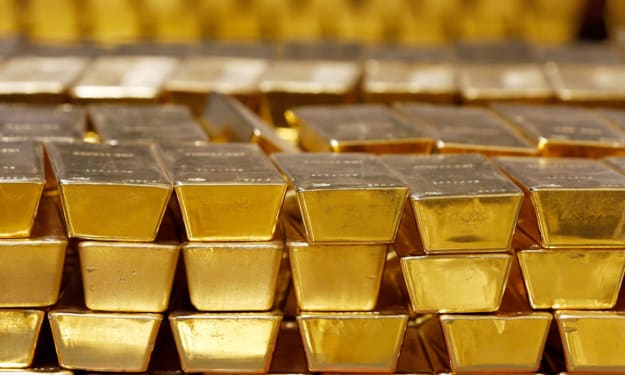
Markets Fall and Gold and Silver Hit New Highs After Trump’s Latest Tariff Threat. AI-Generated.
The financial world experienced another turbulent day as markets around the globe reacted sharply to former President Donald Trump’s latest tariff threat. Stock indices fell, with tech and industrial sectors taking the brunt of the decline, while gold and silver surged to new highs as investors sought safe-haven assets. The move underscores how geopolitical tensions and policy announcements can ripple through markets, affecting everything from investor sentiment to commodity prices. Trump’s announcement, made via a public statement on his social media platforms, suggested that tariffs could soon be imposed on a wide range of goods from several key trading partners. Though specific countries and products were not immediately clarified, investors interpreted the comments as a signal that trade tensions could escalate, reminiscent of the trade wars seen during his presidency. Financial markets reacted almost immediately. The S&P 500 dropped nearly 1.5%, while the Nasdaq Composite fell over 2%. European markets also mirrored the decline, with Germany’s DAX and the UK’s FTSE 100 losing value by close to 1% each. Analysts noted that the uncertainty surrounding trade policy often leads to heightened market volatility, as investors reassess corporate earnings forecasts, supply chain risks, and overall economic growth projections. Meanwhile, safe-haven assets experienced a significant rally. Gold prices surged above $2,100 per ounce, marking a new high for the year, while silver climbed past $27 per ounce. Traditionally, gold and silver are viewed as hedges against economic and political uncertainty. When traders anticipate instability or potential disruptions to trade and growth, they often flock to these precious metals, pushing prices upward. Economists warn that the market response reflects broader concerns about the global economy. “Trade tensions can have a tangible impact on business investment and consumer confidence,” said Julia Hansen, a senior analyst at Global Markets Advisory. “Even the suggestion of tariffs can create ripple effects, especially in industries that rely heavily on international supply chains. Investors respond by reducing exposure to riskier assets and moving toward commodities like gold and silver.” The tariff threat also reignites questions about inflation and central bank policy. Trade barriers often increase the cost of imported goods, which can lead to higher prices for consumers. In turn, central banks may need to adjust monetary policies to counteract inflationary pressures, affecting interest rates and bond yields. This complex interplay adds another layer of uncertainty for investors, as financial markets try to anticipate policy responses and their implications for different asset classes. Notably, technology companies are often among the most affected by tariff news. Firms that rely on global supply chains for components—like semiconductors, electronics, and machinery—face potential cost increases, which can reduce profit margins and affect stock valuations. Industrial companies, too, may be impacted, particularly those that export goods to countries that could be subject to new tariffs. While the initial market reaction was negative, some investors are adopting a longer-term perspective. Historically, markets have rebounded after initial tariff scares, especially if negotiations between trading partners resume or if specific exemptions are granted. “Volatility is part of the landscape when it comes to trade policy,” said Michael Lee, a portfolio manager at Horizon Investments. “The key is to assess which companies and sectors are truly at risk and which can weather short-term shocks.” The surge in gold and silver is also attracting attention from retail investors and traders. Precious metals have historically served as a hedge against not only economic uncertainty but also currency fluctuations. With the U.S. dollar experiencing mild weakness against other major currencies, the combination of dollar trends and geopolitical risk is contributing to elevated metal prices. For everyday investors, the situation underscores the importance of diversification. While equities may react sharply to policy announcements, having exposure to commodities, bonds, or alternative investments can help cushion portfolios against sudden market swings. Financial advisors often recommend maintaining a balanced approach, especially in periods of heightened volatility. Looking ahead, much will depend on the trajectory of trade talks and policy announcements. Analysts caution that while the headlines are attention-grabbing, the underlying impact on the economy may take time to materialize. Corporate earnings reports, consumer spending trends, and government trade negotiations will provide clearer indicators of how lasting the effects may be. In summary, the latest tariff threat from Trump has triggered a classic market response: falling stock prices and rising safe-haven assets. Gold and silver are hitting new highs as investors seek protection against uncertainty, while equities struggle under the weight of potential economic disruptions. For market watchers and investors, the situation serves as a reminder that geopolitical developments remain a key driver of financial markets, capable of influencing asset prices in both the short and long term. The current environment reinforces the value of strategic planning, careful risk assessment, and the recognition that volatility, while challenging, also presents opportunities for those who remain informed and adaptable. Whether the tariffs materialize or not, the market’s reaction illustrates the interconnectedness of policy, investor sentiment, and global economic trends—a dynamic that is unlikely to change anytime soon.
By Muhammad Hassanabout a month ago in The Swamp
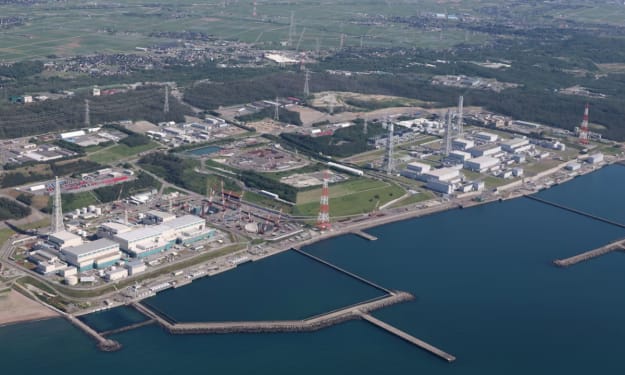
15 Years After Fukushima, Japan Prepares to Restart the World’s Biggest Nuclear Plant. AI-Generated.
Fifteen years after the catastrophic Fukushima disaster, Japan is preparing to restart the world’s largest nuclear power plant. The decision marks a significant turning point in the country’s energy policy, reflecting both the urgent need for stable energy sources and the ongoing concerns about safety, environmental impact, and public trust. The move underscores Japan’s complex relationship with nuclear energy—a technology that has fueled the nation’s economic growth but also caused one of the worst nuclear disasters in history. The Fukushima Legacy In March 2011, a massive earthquake and tsunami triggered a meltdown at the Fukushima Daiichi Nuclear Power Plant, releasing radioactive material and forcing the evacuation of tens of thousands of residents. The disaster exposed flaws in safety regulations and emergency preparedness, reshaping public perception of nuclear energy in Japan and around the world. Following the incident, Japan shut down nearly all its nuclear reactors, relying heavily on imported fossil fuels to meet energy demand. The decision led to increased energy costs and heightened greenhouse gas emissions, creating pressure to diversify energy sources. Why Japan is Restarting Nuclear Reactors The restart of nuclear plants, including the world’s largest facility, is driven by several factors: Energy Security: Japan imports over 90% of its energy needs. Restarting nuclear plants reduces dependence on foreign fossil fuels and helps stabilize electricity supply. Climate Goals: Nuclear power generates electricity with minimal carbon emissions. As Japan commits to reducing greenhouse gases, nuclear energy offers a low-carbon alternative to coal and natural gas. Economic Considerations: Importing fossil fuels is expensive. Nuclear energy provides a relatively cheaper source of electricity in the long term, helping households and industries manage costs. The government emphasizes that advanced safety measures and rigorous inspections are in place, aiming to restore public confidence and prevent another disaster. Safety Measures and Upgrades Since 2011, Japan has invested heavily in upgrading nuclear infrastructure. Lessons from Fukushima have led to stricter regulations and improved disaster preparedness: Reinforced Reactor Buildings: Structures are now designed to withstand larger earthquakes and tsunamis. Advanced Cooling Systems: Redundant and automated cooling systems reduce the risk of overheating. Emergency Response Planning: Local governments and plant operators coordinate evacuation drills and disaster simulations. Regulatory Oversight: Japan’s Nuclear Regulation Authority (NRA) conducts independent inspections to ensure compliance with safety standards. Despite these measures, skepticism remains. Many citizens fear that no system can fully eliminate the risks associated with nuclear power, especially given the unpredictable nature of natural disasters in Japan. Public Opinion and Controversy The decision to restart the world’s biggest nuclear plant has sparked debate across Japanese society. Supporters argue that nuclear energy is essential for economic stability, energy security, and climate goals. They point out that without nuclear power, Japan would struggle to meet rising electricity demand and climate commitments. Opponents, however, raise concerns about safety, environmental impact, and long-term waste management. Memories of Fukushima remain vivid, and surveys indicate that a significant portion of the population is uneasy about returning to nuclear energy. Local communities near nuclear plants have voiced particular concern, fearing potential accidents and contamination. Economic and Energy Implications Restarting nuclear plants could have broad economic benefits. Stable electricity supply reduces the risk of blackouts, supports industrial activity, and helps control electricity prices for households. From an energy policy perspective, nuclear power allows Japan to balance its energy mix more sustainably. It complements renewable sources like solar and wind, which can fluctuate depending on weather conditions. Nuclear plants provide a steady “baseload” supply that renewables alone cannot guarantee. However, challenges remain: the disposal of radioactive waste, decommissioning older plants, and ensuring consistent regulatory oversight are all long-term concerns that Japan must address to maintain credibility and safety. Global Perspective Japan’s decision is being watched closely worldwide. The Fukushima disaster reshaped global nuclear policy, leading countries like Germany to phase out nuclear energy while others, including China and South Korea, continue to invest in it. Restarting the world’s largest nuclear plant sends a signal about Japan’s commitment to energy self-sufficiency and low-carbon power. It also raises questions about how other nations handle the balance between energy security and safety, especially as climate change increases the urgency for reliable, low-emission energy sources. Lessons Learned Fifteen years after Fukushima, Japan’s experience provides key lessons for the global community: Preparedness is Crucial: Robust safety standards and disaster response systems are essential for operating nuclear plants in seismically active regions. Public Trust Matters: Long-term energy policy must consider public perception and involve communities in decision-making. Diversified Energy Strategy: Nuclear power should be part of a broader energy mix, complemented by renewables to reduce risk and emissions. Continuous Oversight: Independent regulatory bodies and transparent operations are critical for maintaining safety and credibility. These lessons are not only relevant for Japan but also for any country considering nuclear power as part of its energy transition strategy. Conclusion The restart of Japan’s largest nuclear plant, fifteen years after the Fukushima disaster, represents both hope and caution. It promises more stable energy, lower carbon emissions, and economic benefits. At the same time, it reminds the world of the inherent risks of nuclear power and the need for rigorous safety, transparent governance, and public engagement. Japan’s journey reflects a broader challenge faced by many nations: how to meet growing energy demand and climate goals while ensuring safety, sustainability, and public trust. The coming years will reveal whether this bold step strengthens Japan’s energy future or reignites debate over the role of nuclear power in a post-Fukushima era.
By Muhammad Hassanabout a month ago in Earth
Real Estate Crash Weighs on China’s Economic Growth. AI-Generated.
China’s economic growth, long driven by industrial expansion and a booming real estate sector, is now facing a critical test. The country’s real estate market, which has historically fueled investment, employment, and consumer wealth, is showing signs of a sharp downturn. With property developers struggling under heavy debt, homebuyers delaying purchases, and prices declining in key cities, economists warn that the housing slump could weigh heavily on China’s broader economic growth in the coming months.
By Muhammad Hassanabout a month ago in The Swamp
Mother of Elon Musk’s Child Sues xAI Over Grok Deepfakes. AI-Generated.
The world of artificial intelligence has taken another controversial turn, this time involving one of the most high-profile figures in tech: Elon Musk. Reports have surfaced that the mother of Musk’s child has filed a lawsuit against xAI, Musk’s AI company, over alleged misuse of AI-generated deepfake technology. The case centers on Grok, xAI’s chatbot, which, according to the lawsuit, created unauthorized deepfake content that impacted the plaintiff’s privacy and emotional wellbeing.
By Muhammad Hassanabout a month ago in The Swamp