Muhammad Hassan
Bio
Muhammad Hassan | Content writer with 2 years of experience crafting engaging articles on world news, current affairs, and trending topics. I simplify complex stories to keep readers informed and connected.
Stories (467)
Filter by community
Swiss Ski Bar Fire: Former Pupil at Hertfordshire School Among Those Missing. AI-Generated.
New Year’s Eve should have been a night of celebration, laughter, and memories to last a lifetime. But in the Swiss ski resort of Crans-Montana, the dawn of 2026 brought tragedy instead. A catastrophic fire at the popular basement bar Le Constellation has left at least 40 people dead, over 100 injured, and many still missing. Among them is 15-year-old Charlotte Niddam, a former pupil of Immanuel College in Hertfordshire. Her disappearance has deeply affected her UK community and drawn international attention. The Night the Celebration Turned to Horror The fire erupted just after 1:30 a.m. on January 1st, as hundreds of people were ringing in the New Year. Witnesses say the blaze began when sparklers attached to champagne bottles came too close to the flammable ceiling materials. In seconds, the bar was engulfed in flames. Survivors recount a chaotic scene: thick smoke, screaming, and desperate attempts to escape. Many were forced to break windows, while others could not reach the exits in time. Emergency services arrived quickly, but the sheer speed and intensity of the fire made rescue efforts extremely challenging. A Global Tragedy The victims were mostly young people from across Europe, many on holiday in the Alps. Hospitals in Switzerland were overwhelmed, and critically injured victims were transported to specialized burn units in neighboring countries. Identifying victims has been a slow, emotional process due to the severity of injuries, requiring DNA and dental comparisons. Among the confirmed deaths is 16-year-old Italian golfer Emanuele Galeppini, while families like those of Arthur Brodard-Sitre cling to hope as they await news of their loved ones. Charlotte Niddam: A Young Life in Limbo Charlotte’s story has captured hearts in the UK and France. After attending Immanuel College in Bushey, Hertfordshire, Charlotte moved back to France with her family. She was in Crans-Montana over the holidays, working as a babysitter in the resort. Her former school shared a statement expressing hope and solidarity: “We are all praying for a miracle for Charlotte and the others.” Social media has seen an outpouring of support from friends, teachers, and strangers alike, demonstrating just how far-reaching the impact of this tragedy is. How Did It Happen? Swiss authorities are investigating the cause of the fire. Preliminary findings suggest the spark from fountain candles or sparklers ignited highly flammable ceiling panels. Officials are also reviewing whether the bar complied with fire safety regulations, including the adequacy of emergency exits and safety inspections. Negligence or failure to follow safety measures could lead to serious criminal charges, and authorities are treating the investigation with urgency. Communities Come Together In the wake of the fire, communities around the world have shown solidarity. Vigils, memorials, and social media campaigns have sprung up in remembrance of victims and to support the families of the missing. In Hertfordshire, former classmates and teachers of Charlotte have held vigils and shared memories of her, emphasizing the personal toll behind the headlines. This tragic event is a stark reminder of the importance of safety in entertainment venues and the fragility of life. Looking Ahead As authorities continue their search for missing victims and investigate the causes, families are holding onto hope for survivors like Charlotte. Meanwhile, communities are mourning, supporting one another, and demanding lessons to prevent similar tragedies in the future. For now, the Crans-Montana fire is not just a news story — it’s a shared heartbreak, a reminder of our vulnerability, and a call for vigilance when it comes to safety in public spaces.
By Muhammad Hassanabout a month ago in The Swamp
First Victim of Swiss Ski Resort Fire Named, as New Video Shows Bar Ceiling Alight. AI-Generated.
A recent devastating fire at a renowned Swiss ski resort has left the community in shock and mourning after the first victim of the blaze was identified. The fire, which broke out in the early hours of the morning at a popular mountain resort, has drawn attention not only due to its tragic loss of life but also because of newly surfaced video footage that reveals the terrifying moments when the fire spread rapidly throughout the building. The fire, which occurred in Zermatt, one of Switzerland’s most famous ski destinations, has sparked a series of investigations and safety concerns about how the blaze escalated so quickly. As authorities work tirelessly to determine the full extent of the fire’s cause, new evidence has emerged, including chilling video footage showing the bar area of the resort with flames engulfing the ceiling. The Victim: A Tragic Loss Swiss authorities have confirmed that the first victim of the fire has been identified as Sophie Müller, a 32-year-old tourist from Germany. Müller was reportedly staying at the resort with friends and had been at the bar when the fire broke out. Although emergency services arrived on the scene promptly, the blaze was already well underway, and the building’s structure made it difficult for rescuers to gain full access to the area. Local authorities expressed their condolences to Müller’s family and friends, describing her as a beloved member of the community. The resort had become a popular destination for winter sports enthusiasts, and her tragic death has left a deep impact on both the locals and visitors. Her family, who had traveled to Zermatt to identify her body, released a heartfelt statement thanking the emergency responders and expressing their grief over the senseless loss. “Sophie was an adventurous spirit who loved the mountains and the magic of skiing. We are devastated by this tragedy and still in shock over what happened,” the statement read. The Fire: How It Started Initial reports indicate that the fire began in the lower levels of the resort complex. While the exact cause remains under investigation, authorities have confirmed that the fire spread quickly due to a combination of factors, including the dry, timber-framed structure of the building and the resort’s location in the mountains, which made access for firefighting teams more difficult. The resort is situated at a high altitude, which added additional challenges for responders. A lack of snow in the area during the time of the fire meant that the usual firefighting resources weren’t readily available. Instead, firefighters had to rely on helicopters to deliver water and firefighting materials, a slow and labor-intensive process. One witness, a fellow tourist who was staying in the resort, described the scene as chaotic. “I woke up to the sound of alarms and the smell of smoke,” said David Kern, a 45-year-old from the UK. “I rushed outside and saw flames shooting out of the windows. The whole building was on fire, and there were people screaming and trying to get out.” New Video Footage Raises Alarming Questions In the hours following the fire, authorities released newly uncovered video footage showing the terrifying spread of the blaze inside the resort’s bar area. The video, recorded by a bystander using their mobile phone, shows the bar ceiling rapidly becoming engulfed in flames, with thick black smoke billowing throughout the room. The footage, which has since gone viral on social media, has raised numerous questions about the resort's safety protocols. In the video, the flames appear to spread uncontrollably, leaving little time for the guests inside to escape the building. The intensity of the fire and the speed at which it spread suggest a possible lack of adequate fire safety measures. Swiss authorities have stated that the video will be used as a critical piece of evidence in the investigation. Experts are also analyzing the footage to determine if the building's fire suppression systems, such as sprinklers, were functioning properly at the time of the blaze. The video also shows several people rushing toward the exit, with one individual appearing to be trapped under a beam that collapsed as the flames spread. While some guests managed to escape, the fire's rapid escalation made it difficult for others to get out in time. Investigation and Safety Concerns As the investigation continues, questions surrounding the resort’s fire safety measures have come to the forefront. Zermatt, like many Swiss ski resorts, operates in a highly competitive market, where many establishments pride themselves on offering an unparalleled experience to visitors. However, the fire has raised concerns about the effectiveness of the resort’s fire prevention and safety protocols. Fire safety experts have pointed out that the resort’s timber-frame design, although aesthetically pleasing, may have contributed to the fire’s speed. “Timber buildings can be very beautiful, but they can also pose a significant fire risk,” said Christian Berger, a fire safety engineer based in Zurich. “Once a fire starts, the material can allow the flames to spread quickly, especially in buildings with poor ventilation or outdated fire suppression systems.” The resort is now under intense scrutiny as authorities attempt to uncover the root cause of the fire. Investigators are focusing on multiple areas, including potential electrical faults, cooking equipment, or other factors that may have contributed to the blaze. Local officials have also promised to implement stricter regulations regarding fire safety in resort buildings. Lena Meier, a member of the Zermatt city council, stated, “This tragedy will serve as a wake-up call for all resorts in the region. We need to ensure that our buildings meet the highest fire safety standards to prevent such a devastating event from happening again.” The Community’s Response In the aftermath of the fire, the community in Zermatt has rallied together to support those affected. Local businesses have opened their doors to provide shelter and comfort to those displaced by the fire. A memorial service for Sophie Müller is scheduled to take place next week, where the resort’s staff and visitors will gather to pay their respects. Residents of Zermatt have expressed their grief, with many describing the fire as one of the most tragic events to occur in the town’s history. The small, tight-knit community has been shaken by the incident, and efforts to provide support for the families and victims are ongoing. Conclusion: A Call for Action As the investigation into the Swiss ski resort fire continues, it is clear that the tragedy has exposed significant gaps in fire safety protocols. The tragic loss of Sophie Müller and the harrowing footage from the bar area will likely serve as a reminder to all ski resorts around the world to re-evaluate their safety measures. For the residents of Zermatt, and for the international community that frequents its beautiful ski resorts, this devastating event will not be forgotten. It is a sobering reminder of the importance of vigilance when it comes to safety, especially in high-risk environments like ski resorts.Start writing...
By Muhammad Hassanabout a month ago in The Swamp
A Megapolis Rising from Seven Islands: The Story of Mumbai's Transformation. AI-Generated.
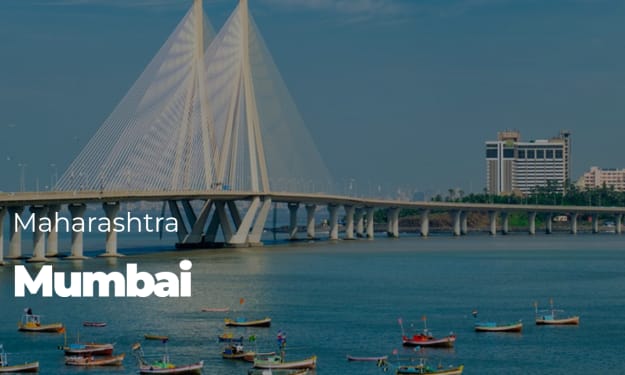
Mumbai, the city of dreams, is a global hub of commerce, culture, and entertainment. Known for its iconic skyline, bustling streets, and vibrant energy, it’s hard to imagine that this megacity was once just a cluster of seven islands. Today, Mumbai is India’s financial capital and the world’s most populous urban area. But the story of how this sprawling metropolis rose from humble beginnings is a tale of ambition, transformation, and resilience. The Seven Islands: A Humble Beginning Mumbai, originally known as Bombay, owes its existence to a unique geological formation. The city was originally composed of seven islands: Colaba, Old Woman’s Island, Bombay Island, Parel, Mazgaon, Worli, and Girgaon. These islands were once part of the Arabian Sea and were sparsely populated by fishing communities. However, the islands offered strategic advantages that made them ripe for development. The earliest known settlers in the area were the Koli fishermen, who made their homes along the shores of these islands. The islands saw little development until the arrival of the Portuguese in the 16th century and later, the British in the 17th century. The British Era and the Birth of Modern Mumbai The British East India Company took control of the islands in 1661, when Catherine of Braganza, the daughter of the Portuguese king, married King Charles II of England. As part of her dowry, the British received the islands of Bombay, which became part of their colonial empire. Under British rule, the islands saw significant changes that laid the foundation for what would become one of the world’s largest cities. In 1668, the British East India Company began leasing the islands from the Crown. Over time, Bombay grew as a trading port, becoming a key link in the British Empire’s maritime network. The British undertook major infrastructural projects to transform the islands. The most significant of these was the reclamation of land, which allowed for the merging of the seven islands into a single landmass. This ambitious engineering feat, known as the “Bombay Reclamation,” began in the early 19th century and continued well into the 20th century. Reclamation and the Expansion of Bombay The land reclamation projects were monumental in reshaping the geography of Mumbai. The British engineers and planners filled in large portions of the sea to create new land for buildings, roads, and infrastructure. This expansion made room for the city’s growing population and its economic activities. The newly created land was used for developing the financial districts, industrial zones, and residential areas. The construction of the iconic Victoria Terminus (now Chhatrapati Shivaji Maharaj Terminus), one of Mumbai’s most famous landmarks, was a part of the city’s transformation. The creation of Bombay’s first railway line in 1853 was another turning point, linking the city to the rest of India and further establishing its importance as a commercial hub. Mumbai’s Transformation into a Global City As the 20th century unfolded, Bombay grew rapidly in both population and importance. The city became a major center for trade, industry, and finance. The development of the textile industry, in particular, attracted thousands of migrants from rural India, making Mumbai one of the most densely populated cities in the world. Bombay was also a center for the film industry, which would later come to be known as Bollywood. The city’s cultural diversity, blending traditional Indian customs with Western influences, created a unique urban identity. Over time, the city expanded even further, with the addition of new suburbs and business districts. The development of the Mumbai Port and the establishment of the Bombay Stock Exchange solidified the city’s status as the economic engine of India. The 21st Century: A Modern Megacity In the 21st century, Mumbai has solidified its place as one of the world’s most influential cities. Despite the challenges of overcrowding, pollution, and poverty, the city continues to thrive. Mumbai’s skyline is now dotted with modern skyscrapers, luxury hotels, and high-end retail outlets. The city is home to numerous multinational corporations, making it an important player in the global economy. Mumbai also plays a pivotal role in the technology and startup ecosystem, with a growing number of tech companies and entrepreneurs calling the city home. From its bustling financial districts to its vibrant art scene, Mumbai continues to evolve and grow. Yet, despite its modern trappings, the city has not forgotten its roots. The Koli fishing communities still inhabit parts of the city, and many of Mumbai’s oldest neighborhoods retain their historical charm. This blend of old and new is what makes Mumbai truly unique. It’s a city that celebrates its rich cultural heritage while constantly evolving to meet the demands of the future. Conclusion: A City of Resilience From its origins as a group of seven islands to becoming a global megacity, Mumbai’s journey is a testament to the power of transformation. The city’s rise is not just about physical development but also about the resilience and spirit of its people. Mumbai, with its bustling streets, towering skyscrapers, and rich history, stands as a symbol of India’s growth and ambition. Today, Mumbai remains a beacon of hope and opportunity for millions of people, drawing individuals from across the country and the world. As the city continues to rise and evolve, one thing is certain: Mumbai, born from seven islands, will continue to shine as one of the world’s most dynamic and vibrant megacities.
By Muhammad Hassanabout a month ago in Earth
How to Spend a Week in Johannesburg, South Africa: A Perfect Guide for First-Time Visitors. AI-Generated.
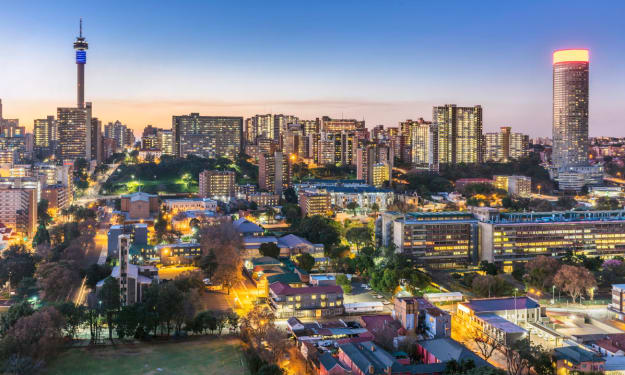
Johannesburg, often referred to as Jo’burg or Jozi, is South Africa’s largest city and a vibrant hub that embodies the country’s complex history, diverse cultures, and modern developments. Situated in the heart of Gauteng Province, Johannesburg is a city of contrasts, where towering skyscrapers sit alongside historic townships, world-class art galleries are just a short distance from street vendors, and high-end restaurants coexist with humble food stalls. If you’re planning to spend a week in this dynamic city, this guide will help you make the most of your time and experience everything Johannesburg has to offer, from its fascinating history to its buzzing nightlife.
By Muhammad Hassanabout a month ago in Earth
Masjid al-Haram: The Heart of Islam and the Grand Mosque of Mecca. AI-Generated.
Masjid al-Haram, also known as the Grand Mosque of Mecca, stands as the most sacred site in Islam. Located in the city of Mecca, Saudi Arabia, it holds immense significance for Muslims worldwide and is the focal point of Islamic worship, history, and spirituality. The mosque is home to the Kaaba, the cube-shaped building that Muslims face during their daily prayers. The Grand Mosque has a deep, rich history and is a testament to the dedication and faith of millions who have visited it throughout the centuries. It is not only an architectural masterpiece but also a symbol of the unity and devotion of the global Muslim community. A Historical Overview of Masjid al-Haram The history of Masjid al-Haram is deeply intertwined with the history of Islam itself. The mosque’s origins date back to the time of the Prophet Ibrahim (Abraham) and his son Ismail, who, according to Islamic tradition, were commanded by God to build the Kaaba. The Kaaba, which is housed within the mosque, is the most important and revered structure in Islam, as it is the direction (qibla) to which Muslims pray five times a day. This sacred building was originally constructed as a sanctuary dedicated to the worship of the one God. In the centuries following Ibrahim’s time, the Kaaba was reconstructed and renovated multiple times, with the mosque itself evolving to meet the growing needs of the Muslim community. After the advent of Islam in the 7th century CE, Prophet Muhammad played a crucial role in the preservation and sanctification of Masjid al-Haram. It was during the conquest of Mecca in 630 CE that the Prophet cleansed the Kaaba of idols and established it as the central site of Islamic worship. Over the centuries, the mosque expanded as the Muslim population grew, particularly during the reigns of the Umayyad, Abbasid, and Ottoman caliphates. Each dynasty added architectural and infrastructural elements to the mosque, enhancing its beauty and functionality. The mosque has undergone several large-scale expansions, most recently under the leadership of Saudi Arabia in the 20th and 21st centuries, to accommodate the ever-growing number of pilgrims who visit for the annual Hajj pilgrimage. The Significance of the Kaaba and the Mosque’s Spiritual Importance At the heart of Masjid al-Haram lies the Kaaba, a black cube-shaped structure that is central to Islamic worship and serves as a symbol of God’s absolute oneness. Muslims believe the Kaaba was originally built by Prophet Ibrahim and his son Ismail, and it is considered the “House of God” on earth. The significance of the Kaaba goes beyond its physical structure; it is a spiritual focal point for Muslims around the world. Each day, millions of Muslims turn towards the Kaaba during their daily prayers, a practice known as Salah, which unites the global Muslim community in devotion to God. The Kaaba is also the site of the Hajj, the pilgrimage that every Muslim must undertake at least once in their lifetime, provided they have the means to do so. Hajj is one of the five pillars of Islam, and millions of Muslims from around the world gather at Masjid al-Haram during the Hajj season to perform rituals that symbolize the unity of the Ummah (Muslim community) and their submission to God. The Tawaf, or the act of walking around the Kaaba seven times in a counterclockwise direction, is one of the most revered rituals performed during Hajj and Umrah (the lesser pilgrimage). This act symbolizes the devotion and submission of the believer to God, and it is often accompanied by heartfelt prayers and supplications. The Black Stone (Hajar al-Aswad), embedded in one corner of the Kaaba, is another significant feature, with pilgrims trying to kiss or touch it as part of the Tawaf ritual. Although the Black Stone is not an object of worship, it holds great symbolic value in Islam as a sacred relic that dates back to the time of the Prophet Ibrahim. Architectural Masterpiece: The Grandeur of Masjid al-Haram Masjid al-Haram stands as an unparalleled example of Islamic architecture, combining traditional designs with modern advancements to accommodate the vast number of worshippers and pilgrims who visit the mosque each year. The mosque covers an area of approximately 356,000 square meters and can accommodate up to 2 million worshippers during peak times, especially during the Hajj. The mosque’s design has evolved over the centuries, reflecting the changing needs of the Muslim community. The central courtyard, or Sahn, is the focal point of the mosque, where the Kaaba is situated. Surrounding the Kaaba are several prayer halls, each adorned with intricate Islamic calligraphy and designs that reflect the beauty and diversity of Islamic art. The mosque also features majestic minarets and a series of grand arches that give the structure a distinct and recognizable silhouette. In recent years, significant efforts have been made to modernize and expand the mosque to meet the needs of millions of pilgrims who visit annually. The introduction of air conditioning, advanced lighting systems, and the expansion of prayer areas has ensured that worshippers can perform their religious duties in comfort and safety. The Grand Mosque now boasts one of the largest and most advanced systems of escalators and ramps, enabling easy access for people with disabilities and the elderly. Masjid al-Haram During the Hajj and Umrah One of the most important events that takes place at Masjid al-Haram is the Hajj, which occurs annually during the Islamic month of Dhul-Hijjah. Hajj is one of the five pillars of Islam and involves a series of rituals performed over several days, culminating in the Tawaf around the Kaaba. Millions of Muslims from around the world come together during this time, making it one of the largest gatherings of people on Earth. In addition to Hajj, the mosque is also the site for Umrah, a pilgrimage that can be performed at any time of the year, except during Hajj. While Umrah is not obligatory like Hajj, it holds great spiritual significance and provides Muslims with the opportunity to visit the Kaaba and perform the sacred rituals of Tawaf and Sa’i (the walking between the hills of Safa and Marwah). Both Hajj and Umrah are profound experiences for Muslims, as they offer a chance for spiritual renewal and connection with God. The presence of Masjid al-Haram during these pilgrimages signifies the central role the mosque plays in the faith and devotion of Muslims. Masjid al-Haram’s Role in the Modern World In the modern era, Masjid al-Haram continues to play a central role in the lives of Muslims worldwide. It remains a symbol of faith, unity, and spiritual fulfillment. The mosque is not only a physical space but also a representation of the global Islamic community, transcending national and cultural boundaries. With modern technology, Muslims are now able to connect with the mosque through live broadcasts and virtual tours, allowing them to feel spiritually connected to Masjid al-Haram even if they cannot physically be present. The mosque’s importance in the contemporary world is evident in the millions of people who, year after year, perform Hajj and Umrah, seeking spiritual purification, forgiveness, and closeness to God. Conclusion: The Eternal Spiritual Center of Islam Masjid al-Haram, the Grand Mosque of Mecca, stands as a timeless symbol of faith, unity, and spiritual devotion. Whether viewed as a place of profound personal worship or as the center of the Hajj pilgrimage, the mosque continues to inspire millions of Muslims worldwide. Its rich history, architectural beauty, and deep spiritual significance make it a place of unparalleled importance in the Islamic world. As the site where the Kaaba rests, Masjid al-Haram remains the heart of Islam, drawing worshippers to its sacred precincts to seek blessings, peace, and divine proximity.
By Muhammad Hassanabout a month ago in History
The Great Wall of China: A Monument of History, Culture, and Engineering. AI-Generated.
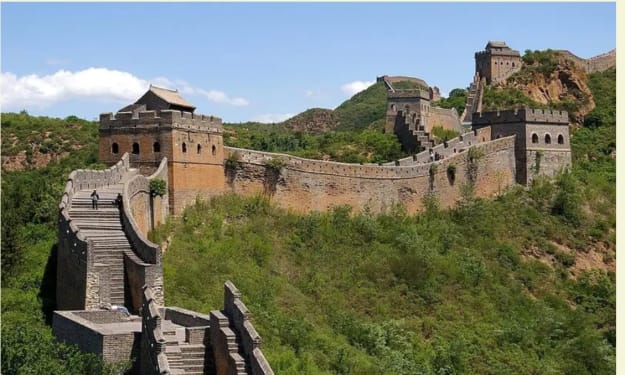
The Great Wall of China, one of the world’s most iconic structures, stands as a testament to both human ingenuity and the determination to protect a civilization. Stretching across northern China for over 13,000 miles, this architectural marvel is not only an engineering feat but also a symbol of China’s strength, perseverance, and cultural heritage. Throughout its history, the Great Wall has withstood the test of time, nature, and human conflict, serving as a guard against invasions and a unifying symbol of Chinese identity. The Origins of the Great Wall The origins of the Great Wall can be traced back to the 7th century BC during the Warring States period in ancient China. The first walls were built by various feudal states to defend against invasions from nomadic tribes in the north. These early walls were not as grand as the Great Wall we know today; they were more rudimentary, made of earth and wood, and used for defensive purposes. However, the true vision of the Great Wall emerged during the reign of Emperor Qin Shi Huang, the first emperor of China (221–206 BC). As part of his efforts to consolidate power and unify China, Qin Shi Huang ordered the connection of existing walls and the construction of new ones to create a continuous defensive line. Although the Qin Dynasty's wall was eventually abandoned and destroyed, it laid the groundwork for future walls that would evolve into the monumental structure we recognize today. The most extensive and well-preserved sections of the Great Wall were built during the Ming Dynasty (1368–1644). The Ming emperors, in response to the growing threat of Mongol invasions, constructed a more permanent and fortified wall with stone, brick, and mortar, fortifying watchtowers and garrison stations along the route. Engineering and Architecture: A Marvel of Construction The Great Wall’s sheer scale and the complexity of its construction are awe-inspiring. At its peak, the wall stretched over 13,000 miles (21,000 kilometers) across northern China, traversing mountains, deserts, and plains. The wall’s construction required immense manpower and resources, with an estimated 1 million workers contributing to its development over several centuries. The materials used in the construction of the Great Wall varied depending on the region and the availability of resources. In the mountains, bricks and stones were used for their durability and strength. In the deserts, where building materials were scarce, the wall was often constructed using tamped earth, while in the plains, wood was used to create temporary structures. One of the most remarkable features of the Great Wall is its watchtowers and fortifications. These towers were strategically placed every few hundred yards along the wall, providing soldiers with a clear line of sight to detect any approaching enemies. Additionally, the Great Wall was equipped with various defensive features, including gates, battlements, and even signal fires to alert nearby troops of an impending attack. The wall’s construction techniques were sophisticated for their time. The use of ramps, pulleys, and manpower allowed builders to transport and position massive stones and bricks in harsh terrain. The careful planning and coordination involved in constructing such a vast structure is a remarkable achievement, showcasing the advanced engineering skills of ancient Chinese builders. The Purpose of the Great Wall While the Great Wall of China is often associated with military defense, its purposes extended beyond simply repelling invaders. The wall served as a tool of control, symbolizing the authority of the ruling emperors. It helped regulate trade along the Silk Road by controlling the flow of goods and people entering China from the north. It also functioned as a psychological barrier, creating a distinct separation between the cultivated agricultural lands of China and the nomadic, often hostile peoples living beyond the wall. During times of peace, the Great Wall also served as a route for transportation and communication, with garrison troops patrolling the wall and sending messages through signal fires or messengers. The wall became a symbol of Chinese unity, marking the boundary between the settled agricultural society of China and the nomadic tribes of the northern steppes. However, the Great Wall was not always successful in its mission to keep invaders at bay. Despite its formidable defenses, invaders from the north, such as the Mongols and other nomadic groups, were able to breach the wall at certain points. Nevertheless, the wall served its purpose in many instances, slowing down invasions and providing the time needed for Chinese forces to mobilize and defend their territory. The Cultural Significance of the Great Wall Beyond its military and strategic purposes, the Great Wall of China holds deep cultural and symbolic meaning. It is a powerful representation of China’s history, unity, and perseverance. The wall is often seen as a symbol of the strength and resilience of the Chinese people, who endured immense hardship during its construction and used it to protect their homeland from external threats. The Great Wall also plays a central role in Chinese folklore and legend. Stories of warriors defending the wall, as well as the sacrifices made by soldiers stationed there, have become part of the national consciousness. The Great Wall is frequently referenced in Chinese literature, poetry, and art, where it is depicted as a symbol of endurance, vigilance, and the desire to safeguard the nation’s sovereignty. The wall’s cultural significance extends beyond China’s borders. As one of the most recognized landmarks in the world, the Great Wall has become a symbol of Chinese identity and a testament to human achievement. It draws millions of visitors from around the world, who come to marvel at its scale and learn about the history and culture of ancient China. The Great Wall Today: A UNESCO World Heritage Site Today, the Great Wall of China is one of the most iconic landmarks in the world. It is recognized as a UNESCO World Heritage Site and remains one of the most visited tourist destinations in China. Millions of people from around the globe travel to see the wall, with popular sections located near Beijing, such as Badaling and Mutianyu, where the wall is well-preserved and easily accessible. Despite the erosion caused by time, weather, and human activity, efforts are ongoing to preserve and protect the Great Wall for future generations. Many sections of the wall are in a state of disrepair, but restoration projects are helping to maintain its structural integrity and ensure that it remains a symbol of China’s rich cultural heritage. The Great Wall continues to stand as a monument to human perseverance, engineering, and ingenuity. It serves as a reminder of the lengths to which civilizations will go to protect their borders, safeguard their people, and leave a legacy for future generations to admire. Conclusion: A Legacy Carved in Stone The Great Wall of China is not only an engineering marvel but also a profound cultural symbol that continues to inspire awe and admiration. Spanning thousands of miles and centuries of history, it stands as a testament to the power, determination, and resilience of the Chinese people. Whether viewed from a historical, architectural, or cultural perspective, the Great Wall remains a unique and enduring symbol of China’s past and present, offering a glimpse into the rich tapestry of the nation’s history and the determination that built it.
By Muhammad Hassanabout a month ago in Earth
Four Decades of Progress: Spain and Portugal’s Transformative Journey in the European Union. AI-Generated.
In 1986, two Iberian nations, Spain and Portugal, took a momentous step in their political and economic evolution by joining the European Union (EU). For both countries, membership signified the culmination of years of effort to modernize their economies, democratize their political systems, and integrate with Europe’s growing political and economic bloc. Over the past four decades, Spain and Portugal have undergone profound transformations, and their journey within the EU has not only reshaped their domestic landscapes but also their roles on the world stage. The Road to EU Membership: A Historical Context The path to EU membership for Spain and Portugal was shaped by pivotal historical moments. Both nations had been under authoritarian regimes: Spain under the rule of Francisco Franco (1939-1975) and Portugal under António de Oliveira Salazar (1932-1968), followed by his successor Marcelo Caetano until the 1974 Carnation Revolution. The 1970s marked a period of political awakening for both countries, as they transitioned from authoritarian rule to democratic systems. The fall of these regimes laid the foundation for both nations to seek integration into Europe’s growing post-World War II order. EU membership was seen as essential for political stability, economic growth, and modernization. In 1986, after years of democratic reforms and economic adjustments, Spain and Portugal officially became members of the European Economic Community (EEC), the precursor to the EU. This moment marked a pivotal turning point in their modern history. Economic Growth and Transformation: From Agricultural to Industrial Powerhouses One of the most significant impacts of EU membership was the economic transformation Spain and Portugal underwent in the 1990s and 2000s. Before joining the EU, both countries had relatively underdeveloped economies, heavily reliant on agriculture, and lacking significant industrialization. EU membership brought substantial economic assistance through structural and cohesion funds designed to reduce regional disparities and promote modernization. Spain and Portugal received billions of euros in aid, which were used to build critical infrastructure, improve education and healthcare systems, and support small and medium-sized enterprises. For Spain, this period also saw the expansion of its industrial base, allowing it to become one of the leading economies in the Mediterranean region. Portugal, traditionally heavily dependent on agriculture, saw significant modernization. Productivity increased, and foreign investment surged. Over time, Portugal shifted toward more service-oriented sectors like tourism, technology, and telecommunications. By the 2000s, both nations experienced rapid GDP growth, reduced unemployment, and improved living standards for their citizens. Political Stabilization: Strengthening Democracy and Rule of Law Politically, Spain and Portugal’s membership in the EU provided a strong anchor for their newly established democratic systems. Before 1986, both countries faced the challenge of transitioning from authoritarian regimes to democratic governance. Membership in the European Union served as a powerful incentive for both countries to consolidate democratic practices, respect for human rights, and uphold the rule of law—values that are foundational to the EU. For Spain, the EU helped solidify its democratic transition, which had been achieved with the 1978 Constitution following Franco’s death. European integration acted as an external guarantee that Spain would not revert to authoritarianism, and its democratic institutions grew stronger as a result. Portugal’s democratic transition, which began with the Carnation Revolution in 1974, was similarly bolstered by EU membership. The country’s commitment to democratic governance and human rights aligned with EU principles, and EU membership provided Portugal with the resources and motivation to improve governance, reduce corruption, and stabilize its political system. Challenges Along the Way: Economic Crises and Austerity Measures Despite the successes, the journey of Spain and Portugal within the EU has not been without challenges. Both countries faced significant economic crises after the global financial meltdown of 2008. Spain’s economy, which had been growing steadily, was severely impacted by the collapse of the housing market, rising unemployment, and a banking crisis. Similarly, Portugal, already struggling with high public debt and low growth, sought financial assistance from the EU and the International Monetary Fund (IMF) in 2011. In exchange for this assistance, both nations were required to implement strict austerity measures, including cuts in public spending, pension reforms, tax hikes, and labor market changes. These policies led to widespread protests, social unrest, and an increase in poverty and inequality. While austerity measures helped reduce deficits and stabilize economies, they also fueled political discontent. In Spain, the rise of political parties like Podemos challenged the establishment, while in Portugal, the Socialist Party, led by António Costa, gained support by promising to roll back austerity policies and focus on social growth. Despite these challenges, both Spain and Portugal gradually recovered, benefiting from EU-backed recovery programs, including the long-term recovery plans and NextGenerationEU funds, aimed at stimulating growth through digital and green investments in the wake of the COVID-19 pandemic. Cultural and Social Integration: Embracing European Identity Culturally, Spain and Portugal’s membership in the EU has fostered a greater sense of European identity. Over the past four decades, travel between EU countries has become easier, particularly with the establishment of the Schengen Area, which removed internal borders between most EU nations. This has allowed Spanish and Portuguese citizens to explore other European countries, experiencing new cultures and enhancing tourism in their own nations. Moreover, both countries have benefited from the EU’s focus on social cohesion, equality, and human rights. EU policies promoting gender equality, labor rights, and environmental protections have influenced domestic policy in both Spain and Portugal, helping them improve standards of living, reduce poverty, and promote social justice. Looking Forward: Spain and Portugal’s Role in the EU As Spain and Portugal celebrate four decades of EU membership, both countries look to the future with optimism but caution. They continue to face challenges such as economic inequality, unemployment, and political polarization. However, their integration into the EU has undoubtedly transformed them into modern, prosperous democracies. In the broader EU context, Spain and Portugal’s membership remains a symbol of the power of European integration. Both countries have been ardent supporters of the EU’s enlargement, advocating for the inclusion of new member states from Eastern Europe and the Balkans. As members of the EU, Spain and Portugal will continue to play a critical role in shaping the union’s future, particularly in areas such as climate change, digital transformation, and foreign policy. Conclusion: A Journey of Transformation The journey of Spain and Portugal within the European Union over the last 40 years has been one of remarkable change and progress. From the economic growth of the 1990s to the challenges of the 2008 financial crisis, both countries have shown resilience in overcoming obstacles and building prosperous futures. As they continue to adapt to new challenges and opportunities, their journey within the EU remains an essential chapter in the story of European unity and cooperation.
By Muhammad Hassanabout a month ago in The Swamp
Four Decades in the European Union: Spain and Portugal’s Journey Since 1986. AI-Generated.
In 1986, two Iberian nations, Spain and Portugal, took a momentous step in their political and economic evolution by joining the European Union (EU). For both countries, membership signified the culmination of years of effort to modernize their economies, democratize their political systems, and integrate with Europe’s growing political and economic bloc. Over the past four decades, Spain and Portugal have undergone profound transformations, and their journey within the EU has not only reshaped their domestic landscapes but also their roles on the world stage.
By Muhammad Hassanabout a month ago in The Swamp
US Captures President Maduro in 'Large-Scale' Venezuela Strike: A New Chapter in the Venezuela-U.S. Conflict. AI-Generated.
In a dramatic escalation of the ongoing geopolitical conflict between Venezuela and the United States, the U.S. government announced the capture of Venezuela's President Nicolás Maduro in what it described as a "large-scale" military strike. This unprecedented move has sent shockwaves throughout the political landscape, not only in Venezuela but across the global stage, raising serious questions about the future of U.S.-Venezuela relations and the implications of this capture on international diplomacy. A Long-Standing Tension: The U.S. and Venezuela The relationship between the U.S. and Venezuela has been fraught with tension for over two decades. Ever since Hugo Chávez took office in 1999, Venezuela has distanced itself from U.S. influence, aligning itself with countries such as Russia, China, and Iran. Maduro, who succeeded Chávez after his death in 2013, furthered this opposition, turning Venezuela into a central player in the regional politics of Latin America. The U.S. government, under both the Obama and Trump administrations, imposed severe sanctions on Venezuela, targeting its oil industry, government officials, and military leaders. The Trump administration’s “maximum pressure” campaign sought to oust Maduro from power, supporting opposition leader Juan Guaidó as the legitimate president. Despite years of sanctions, political unrest, and economic collapse in Venezuela, Maduro has managed to hold on to power, aided by support from Russia, China, and other allies. The latest escalation in this long-standing rivalry centers around accusations from the U.S. government, which charges Maduro with drug trafficking and weapons offenses. These charges are part of a broader effort by U.S. law enforcement agencies to dismantle what they describe as a "narcoterrorist" regime operating within the Venezuelan government. The Arrest and Its Significance On January 1, 2026, U.S. Special Forces, in coordination with intelligence agencies, launched a covert operation that led to the capture of Nicolás Maduro. The operation was reportedly "large-scale," involving airstrikes and ground troops, and was designed to incapacitate key military installations in Venezuela's capital, Caracas. According to U.S. officials, the operation also targeted military infrastructure used by the Venezuelan government to facilitate illicit activities such as drug trafficking and weapons smuggling. While the specifics of the operation remain classified, sources claim that Maduro was arrested at a secret location in Caracas, where he had reportedly been hiding in the wake of growing unrest and pressure from international actors. The capture is said to have been carried out with little resistance, a stark contrast to the violent resistance anticipated by many observers. U.S. Attorney General Merrick Garland stated, "This is a historic day for justice. Nicolás Maduro has been a primary figure in one of the largest drug trafficking and weapons smuggling operations in the Western Hemisphere. Today, we take a crucial step toward holding him accountable for his crimes." The charges against Maduro include trafficking in illicit narcotics and arms dealing. According to U.S. prosecutors, the Venezuelan president’s regime has been directly involved in the distribution of cocaine and weapons to various criminal organizations throughout the Americas. The indictment also accuses him of using state resources to fund paramilitary groups that operate across the continent, further destabilizing the region. Venezuela's Response: Denials and Outrage As expected, Venezuela has vehemently denied the allegations and rejected the legitimacy of the U.S. operation. In a televised address, Vice President Delcy Rodríguez condemned the U.S. actions as "an illegal act of aggression" and a violation of Venezuela's sovereignty. She also called for immediate international condemnation of the U.S. government's actions, claiming that the operation was part of a broader plan to destabilize the Venezuelan government and install a puppet regime aligned with U.S. interests. "We will not allow foreign intervention in our internal affairs. This is a shameless attempt to overthrow the will of the Venezuelan people," Rodríguez said. In an ironic twist, Venezuela's government has invoked the memory of its late leader, Hugo Chávez, who famously resisted U.S. attempts to influence Venezuela's political trajectory. Chávez's legacy remains a central pillar of Maduro's leadership, and his supporters see Maduro’s capture as an affront to their cause. International reactions to Maduro's arrest have been mixed. While some Western countries, particularly those in Europe, have voiced support for the U.S. operation, other nations, including Russia and China, have denounced the move as an act of imperialism. The United Nations has called for an independent investigation into the circumstances surrounding Maduro's capture, warning against further escalation of the situation in Venezuela. The Legal and Diplomatic Fallout The legal ramifications of Maduro’s arrest are likely to unfold over the coming months. Maduro, along with several of his top aides, faces multiple charges in U.S. courts related to his alleged involvement in narcoterrorism. The U.S. has requested his extradition to stand trial for these offenses, though this will likely face significant obstacles. Venezuela is not a signatory to the U.S.-led extradition treaties, and it is uncertain whether Maduro will be transferred to the U.S. for prosecution. Many experts believe that this may lead to a prolonged diplomatic standoff, with Venezuela demanding his immediate return and the U.S. seeking to bring him to trial. Maduro’s capture also raises the question of who will succeed him as leader of Venezuela. In the wake of his arrest, several factions within Venezuela’s opposition have begun jockeying for position, hoping to assume leadership of the country. However, the political landscape remains deeply divided, and it is unclear whether a smooth transition of power is possible. Some analysts predict that the absence of Maduro may lead to a power vacuum that could further destabilize the country. A Turning Point for Venezuela The capture of Nicolás Maduro marks a significant turning point in the Venezuela-U.S. conflict. For the U.S. government, this represents a hard-won victory in its decades-long efforts to undermine Maduro’s rule. However, the broader implications of this event are still unfolding. The international community will be watching closely to see how the Venezuelan government responds, and whether this capture will lead to meaningful change in the country’s political trajectory or result in further violence and instability. What is clear is that the power dynamics in Venezuela have shifted dramatically, and the fallout from this operation will reverberate across the region for years to come. In the end, the future of Venezuela may depend on how the country navigates its political and diplomatic challenges in the wake of Maduro's arrest. One thing is certain: this is far from the end of the story
By Muhammad Hassanabout a month ago in The Swamp
Abu Ubaidah ibn al-Jarrah: The Trustworthy Guardian of Early Islam. AI-Generated.
Abu Ubaidah ibn al-Jarrah stands out as one of the most distinguished companions of the Prophet Muhammad (PBUH) and a figure whose life left a lasting impact on the early history of Islam. Known for his loyalty, bravery, and profound wisdom, Abu Ubaidah’s contributions during the formative years of Islam remain significant. His legacy as a military leader, his selfless service, and his unwavering faith made him a vital figure in the establishment of the Islamic state. As the "Trustworthy Guardian" of early Islam, his life story is an inspiration, serving as a model of sacrifice, loyalty, and courage for generations to come.
By Muhammad Hassanabout a month ago in The Swamp
Mourners Gather to Pay Tribute to Crans-Montana Resort Fire Victims. AI-Generated.
The quiet alpine resort town of Crans-Montana, known worldwide for its serene beauty and luxury ski slopes, was transformed into a place of mourning as residents, families, and visitors gathered to honor the victims of a devastating fire that claimed multiple lives. Against a backdrop of snow-covered peaks and candlelit vigils, the community came together in a powerful display of solidarity, grief, and remembrance.
By Muhammad Hassanabout a month ago in The Swamp
Donald Trump and Volodymyr Zelenskyy Talks Fail to Deliver Breakthrough on Ukraine Peace Deal. AI-Generated.
The much-anticipated talks between former U.S. President Donald Trump and Ukrainian President Volodymyr Zelenskyy have ended without the long-awaited breakthrough many hoped would move the Russia-Ukraine war closer to resolution. Despite optimistic statements from both sides, the discussions revealed deep and persistent divisions over key issues such as territorial integrity, security guarantees, and the future political landscape of Eastern Europe. While the meeting signaled continued diplomatic engagement, it also highlighted just how complex and fragile the road to peace remains. A Meeting Watched by the World The Trump–Zelenskyy meeting attracted global attention, as many believed it could mark a turning point in efforts to end the ongoing conflict that has reshaped Europe’s security order. Both leaders described the discussions as “constructive” and “productive,” fueling speculation that a peace framework might be within reach. However, as details emerged, it became clear that progress was limited. While dialogue was open and frank, no concrete agreement was reached, and several core disagreements remain unresolved. Territory: The Central Roadblock At the heart of the stalled negotiations lies the issue of territorial sovereignty. Ukraine continues to reject any settlement that would formalize Russian control over occupied regions, including parts of eastern Ukraine and strategically vital territories seized during the conflict. President Zelenskyy has repeatedly emphasized that Ukraine’s land is non-negotiable and that any territorial compromise would require public approval through a national referendum. For Ukrainians, the issue is not just political—it is deeply tied to national identity, sacrifice, and sovereignty. On the other hand, proposals reportedly discussed during the talks included potential territorial concessions as part of a broader peace framework, an idea that remains unacceptable to Kyiv at this stage. Security Guarantees Remain a Sticking Point Another major obstacle is the question of long-term security guarantees. Ukraine has consistently demanded binding, long-term assurances to prevent future aggression. While proposals have included limited security commitments from Western partners, Ukrainian officials argue that anything short of long-term, enforceable protection would leave the country vulnerable again. The gap between short-term assurances and Ukraine’s demand for decades-long guarantees remains wide. Without a clear and credible security framework, Kyiv is reluctant to sign onto any peace arrangement. Diplomatic Optimism vs. Political Reality Despite these challenges, both Trump and Zelenskyy sought to project optimism. Trump suggested that a broader peace plan was taking shape and hinted that further negotiations — possibly involving Russia directly — could follow. Zelenskyy echoed cautious optimism but made clear that Ukraine would not accept peace at the cost of sovereignty or national security. Behind closed doors, however, analysts note that the political realities facing both leaders limit flexibility. Trump faces domestic political pressure to end foreign conflicts swiftly, while Zelenskyy must answer to a nation that has endured years of war and sacrifice. Europe’s Role in the Negotiations European leaders continue to play a critical supporting role in the peace process. Several European governments have urged caution, emphasizing that any agreement must align with international law and respect Ukraine’s territorial integrity. European involvement also reflects concern that rushed negotiations could set dangerous precedents for future conflicts. As a result, many European leaders have encouraged continued diplomacy while resisting pressure for quick compromises. What Happens Next? While the talks did not yield a breakthrough, they did keep diplomatic channels open — an important development in itself. Further discussions between the United States, Ukraine, European allies, and potentially Russia are expected in the coming months. For now, the war continues, and so does the difficult search for peace. The failure to reach an agreement underscores how complex and deeply rooted the conflict has become. Any future settlement will require not only political compromise but also trust, security assurances, and international cooperation on an unprecedented scale. Conclusion The Trump–Zelenskyy talks offered hope but ultimately underscored the challenges of ending one of the most consequential conflicts of the modern era. While dialogue continues, peace remains elusive, constrained by unresolved territorial disputes, security concerns, and geopolitical rivalries. As the world watches, the path forward will demand patience, diplomacy, and a willingness from all sides to confront hard truths in pursuit of lasting peace.Start writing...
By Muhammad Hassanabout a month ago in The Swamp