Saboor Brohi
Bio
I am a Web Contant writter, and Guest Posting providing in different sites like techbullion.com, londondaily.news, and Aijourn.com. I have Personal Author Sites did you need any site feel free to contact me on whatsapp:
+923463986212
Stories (197)
Filter by community
Nicki Minaj in the Spotlight. AI-Generated.
Nicki Minaj has long been recognized as one of the most influential figures in modern hip-hop, celebrated for her distinctive voice, lyrical precision, and global fan base. Yet beyond music, the rapper frequently draws attention for her personal life and political associations. Recently, conversations surrounding nicki minaj, her relationship with former President Donald Trump, her immigration status, and her marriage to kenneth petty have sparked widespread discussion.
By Saboor Brohi 4 days ago in Geeks
Winter Storm Weather Forecast. AI-Generated.
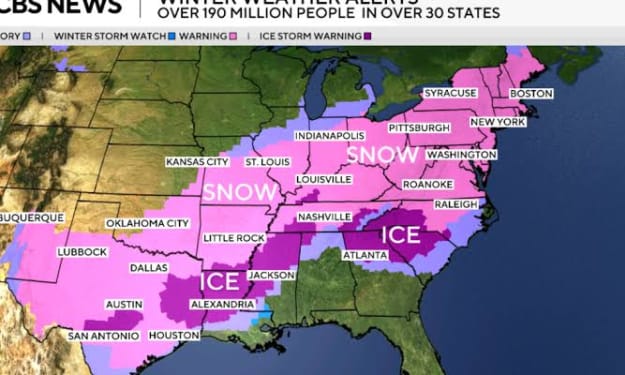
As winter tightens its grip across many regions, meteorologists are closely monitoring a developing storm system that is expected to bring a mix of snow, freezing rain, and bitter cold temperatures. Winter storms are complex weather events, often forming through the interaction of cold Arctic air and moist systems moving from warmer regions. While forecasts continue to evolve, early indicators suggest that this storm could have wide-reaching impacts on travel, infrastructure, and daily routines. Understanding the Current Weather Pattern The upcoming winter storm is being driven by a powerful jet stream dip, allowing cold polar air to surge southward. At the same time, a low-pressure system is pulling moisture from lower latitudes. When these two forces meet, they create ideal conditions for snow and ice. Forecast models show that temperatures will drop sharply ahead of the storm, setting the stage for frozen precipitation. Areas that typically experience mild winters may see rare snowfall, while colder regions could face heavy accumulation. The exact track of the storm remains a critical factor, as even slight shifts can change rain into snow or snow into ice. Snowfall and Ice Accumulation Expectations One of the main concerns with this winter storm is the potential for significant snowfall in some regions and dangerous ice buildup in others. Northern and higher-elevation areas are expected to see steady snowfall, with totals increasing over a 24- to 48-hour period. Consistent snowfall can reduce visibility, make roads slick, and increase the risk of accidents. In contrast, regions closer to the storm’s southern edge may experience freezing rain. Ice accumulation, even in small amounts, can be especially hazardous. Power lines, trees, and roadways are all vulnerable when ice forms rapidly. Forecasts suggest that some areas could see a transition from snow to sleet and freezing rain as warmer air briefly moves in at higher altitudes before cold air reasserts itself at the surface. Temperature Drops and Wind Chill Concerns Beyond precipitation, the storm is expected to usher in a wave of extremely cold air. Temperatures are forecast to fall well below seasonal averages, particularly overnight. Strong winds accompanying the system could push wind chill values even lower, making conditions feel dangerously cold. Wind chills can increase the risk of frostbite and hypothermia, especially for those spending extended time outdoors. Meteorologists warn that exposed skin may be affected within minutes in the coldest areas. These conditions emphasize the importance of proper winter clothing and limiting unnecessary outdoor exposure during peak cold periods. Travel Disruptions and Safety Risks Winter storms often bring widespread travel disruptions, and this event is unlikely to be an exception. Snow-covered roads, icy bridges, and reduced visibility can lead to delays and closures. Airports may experience cancellations or long delays as crews work to de-ice runways and aircraft. Drivers are urged to monitor road conditions closely and avoid travel during the worst of the storm if possible. Emergency services often see an increase in calls during winter weather events, making it critical for individuals to plan ahead. Stocking vehicles with basic emergency supplies, such as blankets, water, and flashlights, can make a significant difference if travel becomes unavoidable. Impact on Power and Infrastructure Heavy snow and ice can place strain on power grids, particularly when ice accumulates on power lines and tree branches. Forecasts indicate that some regions may face scattered power outages, especially where freezing rain is most likely. Utility crews typically prepare in advance, but restoration efforts can be slowed by ongoing weather conditions. Infrastructure such as water systems and heating equipment can also be affected by extreme cold. Frozen pipes remain a common issue during prolonged cold spells, highlighting the importance of insulation and preventive measures in homes and businesses. How Forecasts May Change While meteorologists rely on advanced computer models to predict storm behavior, winter weather remains one of the most challenging forecasts. Small changes in temperature profiles or storm track can significantly alter outcomes. As the storm approaches, forecasts will become more refined, offering clearer details on snowfall totals, ice accumulation, and timing. Residents are encouraged to stay informed through trusted weather updates rather than relying on early projections alone. Local forecasts often provide more precise information tailored to specific regions, which is especially important during rapidly changing conditions. Preparing for the Winter Storm Preparation is key to minimizing the impact of severe winter weather. Households should ensure they have sufficient food, medications, and heating supplies in case travel becomes difficult. Checking heating systems and sealing drafts can help maintain warmth indoors during extreme cold. For those in snow-prone areas, having snow removal tools ready can ease post-storm cleanup. Pet owners should also plan for their animals, ensuring they have warm shelter and limiting exposure to harsh conditions. A Reminder of Winter’s Power Winter storms serve as a reminder of nature’s ability to disrupt even the most routine aspects of daily life. While modern forecasting and infrastructure help reduce risks, the combination of snow, ice, and cold remains a serious challenge. Awareness, preparation, and timely information are the most effective tools for staying safe. As this storm develops, staying updated and taking precautions can help communities weather the cold safely. While the storm may pass in a matter of days, its effects can linger, making thoughtful preparation and patience essential throughout the winter season.
By Saboor Brohi 6 days ago in Geeks
Sudan’s Military Claims Breakthrough After Lifting RSF Siege in Kordofan. AI-Generated.
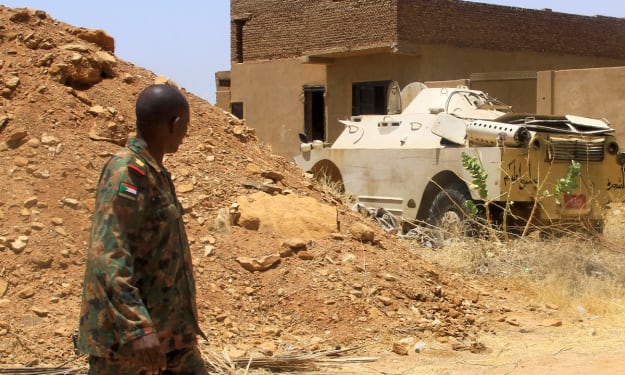
Sudan’s enduring civil war — now in its third year — has been marked by devastating sieges, shifting frontlines, and immense human suffering. On January 26, 2026, the Sudanese Armed Forces (SAF) announced a significant military development: they have broken the nearly two‑year siege imposed by the paramilitary Rapid Support Forces (RSF) on the strategically located town of Dilling in South Kordofan. According to the military, this achievement also means regaining control over major supply routes that had been choked off by the RSF in its attempt to dominate the region. Dilling sits at the heart of South Kordofan and once served as a vital connector between the state’s capital, Kadugli, and key cities to the north and west. By holding Dilling, the RSF had effectively isolated large parts of the region, constricting the flow of food, medicine, and other essential goods and deepening a severe humanitarian crisis. But Sudan’s military says it has reopened the main Dilling road, allowing relief supplies and trade to begin flowing once again. In an official statement, the SAF declared that its forces had inflicted “heavy losses” on the RSF and its allies during the operation to retake access to the town. The military described its advance as a “successful operation” and vowed to continue pressing its campaign until stability is restored across the country. Despite these claims, there has been no immediate response from the RSF — a group that has been in open conflict with the military since April 2023, when a power struggle between the two factions erupted into widespread violence across Sudan. Background: A War That Has Reshaped Sudan Sudan’s conflict began as a clash over control of the state between the established army and the RSF — a powerful paramilitary force originally formed from militia units. What started as a dispute within the Sudanese power structure soon escalated into a full‑blown civil war, engulfing multiple regions, displacing millions, and creating profound humanitarian challenges. International agencies estimate that tens of thousands of people have lost their lives, though exact figures vary, and more than 14 million people have been forced from their homes. The fighting has not been limited to South Kordofan. Other regions — including Darfur and parts of central Sudan — have seen intense clashes, siege operations, and shifting territorial control. Notably, the RSF took control of el‑Fasher in North Darfur in October 2025, a territory that had long been a bastion of resistance against its expansion. Against this backdrop, breaking the siege of Dilling represents a strategic victory for the Sudanese army. The reopening of major supply lines may enable deeper military advances into Kordofan and potentially disrupt RSF operations in other strongholds. Analysts also suggest that this development could weaken the RSF’s ability to project influence across key transportation routes in central and southern Sudan. What This Means for Civilians For the residents of Dilling and surrounding districts, the siege’s end could bring much‑needed relief. During the period of isolation, shortages of food, clean water, and medical supplies were severe. While independent verification is limited due to the conflict conditions, humanitarian groups have reported that hunger and malnutrition were widespread, and many families faced extreme hardship. The lifting of the siege could allow for the delivery of food, medicines, and other critical supplies — a lifeline that had been cut off for months. Yet, the challenges remain enormous. Even with the route open, securing safe and sustained humanitarian access requires cooperation among warring parties and protections for aid workers — neither of which are guaranteed in Sudan’s fragmented and violent environment. International observers caution that improvements on the ground may be slow and uneven, especially as fighting continues elsewhere in the country. Broader Implications for the Conflict The battle for Dilling underscores a broader strategic contest in Sudan’s protracted war. Control over infrastructure, roads, and supply routes has been as consequential as territorial gains in urban centers. For the military, regaining Dilling strengthens logistical capabilities and could pave the way for further operations into RSF‑held areas. For the RSF, the loss signals pressure on its hold over critical regions and potential vulnerabilities in its supply and communication networks. It also reflects a wider pattern of shifting fortunes. In recent months, both sides have had notable gains and setbacks. The RSF’s capture of key positions in West Kordofan and other zones demonstrated its continued capabilities, even as the SAF has pursued aggressive counter‑offensives on multiple fronts. The war’s complex alliances — including splinter factions and regional political interests — make any long‑term prediction difficult. The conflict is also drawing increased international concern. Humanitarian agencies have repeatedly highlighted the urgent need for peace to prevent further catastrophe. Donors, mediators, and neighbouring states are watching developments closely, though substantive breakthroughs in negotiations have been elusive. Looking Ahead As Sudan marks this new moment in its long conflict, the immediate focus will be on whether the opening of Dilling’s supply lines can translate into lasting improvements for civilians and whether the SAF can sustain its recent momentum on the battlefield. For now, the announcement has been cast by Sudan’s military as a symbolic and practical victory — one that could have far‑reaching implications for the future of the war and the lives of millions caught in it.
By Saboor Brohi 6 days ago in Geeks
Washington Signals Readiness for Dialogue with Tehran. AI-Generated.
In a development that may reshape diplomatic calculations in a volatile region, a senior United States official recently informed reporters that Washington remains “open for business” should Iran decide to pursue negotiations with the Trump administration. The statement, while cautious, reflects a distinct shift in tone from confrontation to conditional engagement, underscoring a complex interplay of domestic politics, regional security dynamics, and long‑term strategic interests. For years, U.S.‑Iran relations have been marked by deep mistrust, competing geopolitical aims, and periodic escalations that have threatened broader instability. The 2015 Iran nuclear deal — formally known as the Joint Comprehensive Plan of Action (JCPOA) — represented a rare point of cooperation between Tehran and a group of world powers including the United States. Yet under former President Donald Trump, the United States withdrew from the agreement in 2018, reimposing sanctions and adopting an “maximum pressure” campaign intended to compel Iran to accept broader limitations on its nuclear and missile programs. That policy, while aimed at curtailing Iran’s strategic capabilities, also contributed to increased tensions, including proxy conflicts in Yemen and Iraq, attacks on commercial shipping in the Gulf, and the U.S. killing of Iranian General Qassem Soleimani in 2020. In this context, any signal of willingness to talk — even one carefully framed — is notable and merits careful analysis. A Calculated Offer, Not a Promise The U.S. official’s comment that Washington is “open for business” with Iran is deliberately nuanced. It stops short of announcing a formal offer of negotiations or outlining specific terms. The phrasing suggests that the United States is prepared to engage if Iran takes the initiative, but it leaves the responsibility for starting dialogue on Tehran. This approach provides Washington with strategic flexibility while signaling seriousness to both domestic and international audiences. Such diplomatic language serves multiple purposes. It reassures U.S. allies in the region — who are wary of sudden shifts in American Middle East policy — that engagement will not come at the expense of their security. It also conveys to Iran that opportunities for dialogue remain available, even amid ongoing disagreements over nuclear activities, ballistic missile development, and regional influence. Iran’s Response: Cautious but Interested? So far, Iranian officials have offered mixed reactions. Some hardliners in Tehran continue to reject engagement with the United States outright, insisting that Western powers cannot be trusted. Others, particularly voices within Iran’s diplomatic corps, have expressed pragmatic interest in negotiations that could ease economic sanctions and improve conditions for the Iranian public. Iran’s economy has struggled under heavy sanctions that limit oil exports, foreign investment, and access to global financial systems. For many Iranians, the economic impact of these policies has translated into unemployment, inflation, and constrained access to essential goods. Against this backdrop, the prospect of negotiations that could lead to sanctions relief holds significant appeal — provided such talks respect national sovereignty and core strategic interests. Strategic Patience and Global Perceptions The United States’ willingness to appear open to negotiation reflects a broader strategy of patient diplomacy. Rather than demanding immediate concessions or imposing unrealistic preconditions, Washington appears ready to create an environment where Iran can engage without fear of precipitous escalation. This stance aligns with broader American interests in managing regional conflicts, ensuring the free flow of commerce through key waterways like the Strait of Hormuz, and fostering stability that benefits global markets. From a global perspective, the United States’ statement may also be aimed at reassuring other actors — including the European Union, China, and Russia — that Washington is not abandoning diplomatic avenues in favor of perpetual confrontation. Following the U.S. withdrawal from the JCPOA, European signatories endeavored to preserve the agreement while maintaining channels of communication with Iran. The latest U.S. position may complement those efforts by demonstrating that engagement remains a viable option for all parties. Domestic Political Calculations Domestic U.S. politics play a significant role in shaping foreign policy. For the Trump administration, which is preparing for an election year, foreign policy achievements — or at least the avoidance of new conflicts — carry political weight. By signaling openness to negotiation without committing to specific terms, the administration may be attempting to appeal to a broad constituency that favors strength tempered with diplomacy. This approach also allows Washington to manage expectations at home. Hardline critics of engagement with Iran remain vocal in American political discourse, insisting that Tehran must first demonstrate substantive changes in behavior. By framing the offer as contingent on Iranian willingness to negotiate, the administration can address domestic concerns about appearing weak or overly conciliatory. Regional Implications and Security Considerations For Middle Eastern countries, particularly U.S. allies such as Saudi Arabia, the United Arab Emirates, and Israel, the notion of U.S.‑Iran negotiations prompts both hope and apprehension. On one hand, reduced tensions between Washington and Tehran could lessen the likelihood of wider conflict and create space for cooperative security arrangements. On the other, these countries fear that negotiations might sideline their own concerns or lead to compromises that do not adequately address Iran’s regional activities. In the security realm, issues such as Iran’s ballistic missile program and support for non‑state armed groups remain top concerns for the United States and its allies. Any future negotiations would likely need to address these issues alongside nuclear constraints, requiring careful balancing of priorities and pragmatic expectations on all sides. The Path Forward: Opportunities and Obstacles The path toward meaningful negotiations between the United States and Iran is strewn with challenges, but it is not impassable. Key factors that will influence the trajectory include: Political Will in Tehran: Iran’s leadership must decide whether engaging with Washington is more advantageous than continued resistance. Internal debates between pragmatists and hardliners will shape this decision. International Support and Mediation: Third‑party actors, particularly European countries, may facilitate dialogue by offering forums, confidence‑building measures, or incentives for both sides. Clear Objectives and Phased Engagement: Both parties will need to establish realistic goals. A phased approach that begins with limited, confidence‑building measures could pave the way for broader negotiations. Managing Regional Stakeholders: Ensuring that Middle Eastern allies feel included or at least heard in negotiations will be critical to maintaining regional stability. Conclusion: Diplomacy Remains on the Table The recent U.S. official’s comment that Washington is “open for business” if Iran wishes to negotiate is more than a simple soundbite. It reflects a deliberate diplomatic posture aimed at preserving options, reducing risk, and signaling to a wary world that engagement remains possible even amid complex disagreements. While the path to substantive negotiations will not be straightforward, this moment offers a reminder that diplomacy, even when cautious and conditional, remains a vital tool in addressing some of the most entrenched international conflicts of our time. Whether Iran chooses to take the first step toward dialogue will be a decision with far‑reaching implications — not just for Tehran and Washington, but for the broader Middle East and global security alike.writing...
By Saboor Brohi 6 days ago in Geeks
US aircraft carrier enters Middle East region, officials say. AI-Generated.
In a significant military movement that underscores the fragility of Middle East dynamics, a United States Navy aircraft carrier strike group has entered the Middle East region, according to senior U.S. officials. The deployment comes at a time of heightened political tensions between Washington and Tehran, following months of unrest inside Iran and contentious diplomatic rhetoric that has reverberated across the broader Middle East. The centerpiece of the deployment is the USS Abraham Lincoln (CVN‑72), a Nimitz‑class nuclear‑powered aircraft carrier, accompanied by a group of guided‑missile destroyers. The group has entered the area of responsibility overseen by the U.S. Central Command — a designation covering strategic maritime and land zones in the Gulf and surrounding waters. U.S. military officials describe the movement as a reinforcement of existing forces rather than the beginning of immediate combat operations. They say the presence of additional naval assets gives U.S. leaders increased capacity to defend American personnel and interests and offers a broader set of options should escalation occur. Context: Rising Tensions and Domestic Unrest in Iran The deployment follows a period of intense domestic unrest inside Iran, where widespread protests over economic conditions and government policies have repeatedly drawn international attention. Human rights groups and activists estimate thousands of civilian casualties over the past weeks, prompting global concern. The United States and other nations have publicly criticized Tehran’s response to these demonstrations. President Donald Trump has repeatedly suggested that forceful repression of protesters could warrant a range of responses, including military options, although U.S. officials stress the current posture is defensive. Trump told reporters recently that a “massive fleet” was moving toward the region but emphasized the hope that it would not be used in combat. Iran’s leadership has responded with resolute language. A senior Iranian official warned that any attack on Iranian territory would be considered an “all‑out war.” Such rhetoric reflects long‑standing mistrust between Tehran and Washington, dating back decades and compounded by recent sanctions, nuclear tensions, and proxy conflicts in neighboring countries. Wider Regional Responses The carrier’s arrival has drawn responses from several key regional actors. The United Arab Emirates (UAE) — which hosts U.S. air bases — has publicly stated it will not allow its territory, airspace, or waters to be used for any actions hostile to Iran. This marks a clear diplomatic effort to maintain neutrality and avoid escalating conflict around its borders. Meanwhile, Iranian‑aligned militias in Yemen and Iraq, such as the Houthis and Kataib Hezbollah, have issued warnings of retaliation, including threats to target international shipping or American forces if hostilities break out. These groups have previously been involved in confrontations with U.S. interests and allied shipping lanes, adding another layer of complexity to an already tense situation. Military Capabilities and Strategic Posture Modern U.S. aircraft carriers like the Abraham Lincoln operate as mobile airbases at sea, capable of launching and recovering dozens of fighter jets, surveillance aircraft, and support planes. They also serve as platforms for Tomahawk cruise missiles and are protected by destroyers equipped with advanced radar, missile defenses, and anti‑submarine systems. The presence of such a complex strike group is intended to communicate strategic capability and resolve. In addition to the carrier group, U.S. military moves include the deployment of fighter jets and air defense systems to the region, aimed at enhancing readiness and deterrence. A planned multinational exercise within the U.S. Central Command area of responsibility is underway, designed to demonstrate the ability to deploy and sustain airpower across the region. Diplomacy and the Prospects for De‑escalation Despite the military buildup, there are ongoing discussions about diplomatic engagement. U.S. officials have stated they are prepared to engage with Iranian counterparts if conditions allow. President Trump has repeatedly stressed his preference for avoiding armed conflict, even as he maintains that pressure — including the naval deployment — is necessary to uphold regional security and deter further repression. Inside Iran, there are mixed signals. Some government representatives continue to reject foreign pressure and accuse the U.S. of psychological tactics, while other factions hint at willingness to return to dialogue under specific circumstances. However, talks remain strained, and mutual distrust is high. What This Means for the Region The carrier’s presence adds a visible and powerful element to an already complex geopolitical landscape. For allies like Israel and Jordan, broader U.S. military deployments offer assurances of continued strategic cooperation. For adversaries or skeptical neighbors, it may reinforce perceptions of external intervention. For ordinary citizens across the region, the deployment stokes concerns about possible escalation and the prospects of instability affecting everyday life.
By Saboor Brohi 6 days ago in Geeks
India and the EU Announce a Landmark Trade Deal. AI-Generated.
India and the European Union have announced a landmark trade deal that could reshape economic ties between two of the world’s most influential markets. The agreement, long in the making, signals a renewed commitment to cooperation at a time when global trade is being tested by geopolitical tensions, supply chain disruptions, and shifting economic priorities. Rather than focusing on short-term gains, this deal reflects a broader strategic vision. Both sides are looking to strengthen resilience, diversify partnerships, and reduce overdependence on any single market. For India, the agreement marks another step in its effort to position itself as a global manufacturing and services hub. For the EU, it offers access to one of the world’s fastest-growing large economies. A Deal Years in the Making Trade discussions between India and the EU have spanned many years, often slowing due to differences over tariffs, market access, labor standards, and environmental regulations. The latest announcement represents a breakthrough, suggesting that both sides were willing to compromise to reach common ground. While the full legal text is expected to be finalized over time, the announcement outlines a shared framework aimed at reducing trade barriers, encouraging investment, and deepening cooperation across key sectors. Officials from both sides have described the deal as forward-looking, emphasizing sustainability, innovation, and inclusive growth. This approach reflects a shift from traditional trade agreements that focused narrowly on tariffs. Instead, the India-EU deal seeks to align economic growth with long-term social and environmental goals. Economic Opportunities for India For India, the agreement opens the door to expanded access to European markets for a wide range of goods and services. Sectors such as textiles, pharmaceuticals, information technology, engineering goods, and agriculture are expected to benefit from smoother trade processes and improved regulatory cooperation. Indian service providers, particularly in technology and professional services, stand to gain from clearer rules and improved mobility frameworks. This could help Indian firms scale operations in Europe while strengthening India’s reputation as a global talent hub. The deal also supports India’s broader economic strategy of attracting foreign investment. European companies, many of which are seeking alternatives to traditional manufacturing centers, may see India as a more attractive destination for production and innovation. Benefits for the European Union From the EU’s perspective, the agreement offers access to a massive consumer market with a growing middle class. European exporters in sectors such as automobiles, renewable energy, luxury goods, and advanced manufacturing are likely to find new opportunities in India. The deal also strengthens the EU’s presence in the Indo-Pacific region, which has become increasingly important in global trade and geopolitics. By deepening ties with India, the EU diversifies its economic partnerships and reinforces its role as a key global trade actor. Additionally, European businesses may benefit from greater regulatory transparency and improved investment protections, making long-term planning in India more predictable. Sustainability and Standards at the Core One of the defining features of the India-EU trade deal is its emphasis on sustainability. Both sides have highlighted commitments related to environmental protection, climate action, and responsible business practices. The agreement is expected to encourage cooperation in clean energy, green technologies, and sustainable supply chains. This aligns with the EU’s broader climate goals and India’s increasing focus on renewable energy and environmental resilience. Labor standards and inclusive growth have also been emphasized. While implementation will take time, the inclusion of these elements reflects a growing recognition that trade agreements must address social concerns alongside economic interests. Strategic Implications Beyond Trade Beyond economics, the deal carries significant strategic weight. In a world where trade is increasingly influenced by politics, the India-EU partnership sends a message about the value of multilateral cooperation and open markets. Both India and the EU have expressed interest in reducing vulnerabilities exposed by recent global crises. Strengthening bilateral trade ties is one way to build more resilient supply chains and reduce exposure to economic shocks. The agreement also complements India’s expanding network of trade partnerships and the EU’s efforts to engage more deeply with emerging economies. Challenges Ahead Despite the optimism surrounding the announcement, challenges remain. Translating a political agreement into practical outcomes requires careful implementation, ongoing dialogue, and trust between stakeholders. Differences in regulatory systems, compliance requirements, and domestic priorities could still create friction. Small businesses, in particular, may need support to fully benefit from new opportunities created by the deal. However, the willingness shown by both sides to reach this point suggests a shared understanding of the long-term value of cooperation. A Step Toward a New Trade Era The India-EU landmark trade deal represents more than just an economic agreement. It reflects a shift in how major economies approach trade in an uncertain world. By focusing on sustainability, strategic partnership, and mutual growth, the deal sets a tone for future international agreements. As details continue to emerge and implementation begins, the true impact of the agreement will become clearer. What is certain, however, is that India and the European Union have signaled their intent to work together more closely, shaping a trade relationship that responds to both present challenges and future opportunities.
By Saboor Brohi 6 days ago in Longevity
Bombardier Challenger 650 Crash. AI-Generated.
The Bombardier Challenger 650 is widely regarded as one of the most reliable large-cabin business jets in the world. Known for its long-range capability, advanced avionics, and strong safety record, the aircraft is used by corporations, charter operators, and government agencies alike. When news of a Challenger 650 crash surfaces, it naturally raises concerns across the aviation community and the general public. Understanding what such an incident means—and what it does not—requires careful examination rather than speculation. Understanding the Challenger 650 Platform The Challenger 650 is an evolution of the Challenger 600 series, a family of aircraft that has been flying for decades. Bombardier designed the 650 with a focus on performance consistency, pilot workload reduction, and passenger comfort. It features the Collins Aerospace Pro Line 21 avionics suite, advanced weather radar systems, and enhanced situational awareness tools that help crews manage complex flight environments. Because of these features, the aircraft has built a reputation for dependable operation in a wide range of weather conditions and airports. This makes any reported crash involving the Challenger 650 particularly noteworthy, not because the aircraft is considered unsafe, but because such incidents are relatively rare. What Typically Happens After a Business Jet Crash When a Bombardier Challenger 650 is involved in a crash or serious incident, aviation authorities immediately begin a structured investigation. Depending on the location, this may involve agencies such as the National Transportation Safety Board (NTSB), the Transportation Safety Board of Canada (TSB), or other international aviation regulators. Investigators focus on multiple factors, including flight data, cockpit voice recordings, weather conditions, air traffic communications, maintenance history, and crew training records. Importantly, these investigations avoid early conclusions. Aviation safety is built on evidence, not assumptions, and final reports can take months—or even years—to complete. Human Factors and Operational Complexity In many aviation incidents involving business jets, human factors play a significant role. This does not necessarily imply pilot error, but rather highlights the complexity of modern flight operations. Business jet crews often operate into smaller airports, deal with tight schedules, and fly long sectors that can contribute to fatigue. The Challenger 650 is designed to reduce these pressures through automation and advanced warning systems. However, no aircraft can fully eliminate risk. Decision-making under stress, rapidly changing weather, or unexpected mechanical alerts can challenge even experienced crews. Investigators typically analyze how these elements interacted during the moments leading up to a crash. Mechanical Issues and Maintenance Oversight Another area of focus in any Challenger 650 crash investigation is the aircraft’s mechanical condition. Business jets operate under strict maintenance programs governed by both manufacturers and aviation authorities. Components such as engines, flight controls, and avionics are inspected on defined schedules. If a mechanical failure is suspected, investigators work closely with Bombardier and component manufacturers to determine whether the issue was isolated or part of a broader pattern. In many cases, findings from a single incident lead to service bulletins or procedural updates that enhance safety across the entire fleet. The Role of Weather and Environment Weather remains one of aviation’s most unpredictable variables. Even with modern forecasting tools, conditions such as wind shear, icing, or sudden visibility changes can significantly affect flight operations. Business jets like the Challenger 650 are certified to handle challenging weather, but environmental factors are always examined closely following a crash. Terrain and airport layout are also critical considerations. Approaches into mountainous regions, short runways, or airports with limited navigation aids can increase operational demands. These environmental factors are evaluated alongside crew actions to form a complete picture of what occurred. Why One Crash Does Not Define an Aircraft It is important to place any Bombardier Challenger 650 crash into proper context. Aviation history shows that no aircraft type is immune to accidents, regardless of its safety record. What matters most is how the industry responds. Each investigation contributes valuable data that helps improve training, procedures, and technology. The Challenger 650 continues to be operated safely around the world, completing thousands of flights every year. Its overall reliability and performance history remain strong, and operators continue to choose it for missions that demand range, comfort, and operational flexibility. Lessons Learned and Ongoing Improvements If an investigation reveals contributing factors—whether technical, operational, or environmental—those findings often lead to meaningful change. These can include updated pilot training modules, revised approach procedures, software enhancements, or maintenance guidance. This continuous improvement cycle is a cornerstone of aviation safety. Crashes, while tragic, often lead to advancements that prevent similar events in the future. The Challenger series, like many long-standing aircraft families, has benefited from decades of incremental safety enhancements driven by real-world data. A Measured Approach to Aviation News Public interest in aircraft crashes is understandable, but responsible reporting and analysis are essential. Early reports may be incomplete or inaccurate, and speculation can overshadow verified facts. For readers and aviation enthusiasts alike, patience is key while investigators do their work. A Bombardier Challenger 650 crash should be viewed as an isolated event until evidence suggests otherwise. The broader picture of business aviation safety remains one of steady progress, rigorous oversight, and a strong commitment to learning from every incident. Final Thoughts The Bombardier Challenger 650 stands as a reminder that modern aviation is both highly advanced and deeply human. While crashes are rare, they serve as critical learning opportunities for the entire industry. Through thorough investigation and transparent reporting, each incident helps make future flights safer. As investigations continue and facts emerge, the focus should remain on understanding—not assigning blame—and on supporting the systems that keep business aviation among the safest forms of travel in the world.
By Saboor Brohi 6 days ago in Geeks
Kanye West. AI-Generated.
Exploring accountability, reinvention, and the evolving identity of Ye Kanye West has always existed at the intersection of brilliance and controversy. Known for his groundbreaking contributions to music, fashion, and pop culture, Kanye has also been one of the most debated public figures of the 21st century. In recent years, conversations around a Kanye West apology have become increasingly prominent, raising deeper questions about accountability, personal growth, and how society responds to public mistakes in the digital age. Kanye West, now widely known as Ye, is not just an artist but a cultural force. His words and actions often spark global discussion, making any apology—or lack of one—significant beyond personal intent. To understand the importance of a Kanye apology, it’s essential to look at the broader context of his evolution as both a creator and a public figure. The Rise of Kanye West as a Cultural Icon Kanye West first gained attention as a producer before emerging as a rapper who challenged industry norms. His early albums combined vulnerability, ambition, and innovation, helping redefine modern hip-hop. Fans admired his honesty and willingness to speak openly about insecurity, faith, and success. At this stage, Kanye was seen as bold but relatable. However, as his influence expanded, so did the scrutiny. Public statements, social commentary, and unpredictable behavior increasingly overshadowed his artistic output. This shift marked the beginning of a more complicated relationship between Kanye and the public—one that would later fuel calls for a Kanye West apology. Controversy and the Demand for Accountability Over the years, Kanye became involved in multiple controversies that sparked backlash from fans, media, and fellow artists. In today’s connected world, such moments spread rapidly and remain accessible indefinitely. As a result, public expectations have changed. Audiences now demand not only acknowledgment of mistakes but also clear accountability. The idea of a Kanye apology is complicated by his communication style. Rather than offering traditional, scripted apologies, Kanye often speaks in abstract or emotional terms. For some, this feels authentic. For others, it feels evasive. This divide has shaped how people interpret Kanye West apology moments—are they genuine expressions of regret, or incomplete attempts at damage control? Ye: A Name, a Statement, a Reset When Kanye West announced that he would go by Ye, it symbolized more than a name change. It represented a desire to redefine himself on his own terms. Ye described the shift as spiritual and personal, suggesting a break from past identities that carried heavy baggage. This transformation raised important questions. Can personal reinvention coexist with accountability? Does changing one’s identity lessen the responsibility for previous actions? Supporters argue that Ye is seeking growth and clarity. Critics counter that growth must include direct acknowledgment of harm caused. Still, the Ye era reflects a broader truth: public figures are constantly evolving, even when the public resists letting go of past versions of them. Mental Health and Public Perception Any discussion about Kanye West and apology must consider mental health. Kanye has openly discussed living with bipolar disorder, which influences how people interpret his actions and words. While mental health challenges do not excuse harmful behavior, they do provide important context. The internet often reduces complex individuals to headlines and viral clips. In Kanye’s case, this has intensified reactions to his behavior. A Kanye apology offered under such pressure is not just a personal act—it becomes a global event, judged instantly by millions. This reality highlights a larger issue: society’s struggle to balance empathy with accountability. Why Apologies Matter More Than Ever In modern culture, apologies are no longer private gestures. They are public signals of responsibility and awareness. When people ask for a Kanye West apology, they are often seeking reassurance that influence comes with accountability. Kanye’s reach extends far beyond entertainment. His opinions can shape conversations, beliefs, and attitudes. Because of this influence, many feel that acknowledging harm is not optional—it is necessary. At the same time, there is growing fatigue around performative apologies. Audiences are increasingly skeptical of statements that feel forced or insincere. This places figures like Kanye in a difficult position, where silence and speech are both heavily criticized. Art, Growth, and Legacy Kanye West’s artistic impact is undeniable. His innovation has shaped an entire generation of creators. However, legacy is built not only on talent, but on how one responds to mistakes. Whether or not individuals believe a Kanye apology has been sufficient often depends on personal values. Some prioritize redemption and growth. Others focus on accountability and consequences. Both perspectives reflect valid concerns in an evolving cultural landscape. Conclusion: A Story Still Being Written Kanye West remains one of the most complex figures in modern pop culture. The ongoing conversation around a Kanye West apology is ultimately about more than one individual. It reflects society’s struggle to define forgiveness, growth, and responsibility in a world where nothing is forgotten. As Ye continues to evolve, the hope for many is not perfection, but progress—an ability to learn, acknowledge, and change. In the end, an apology is not just about words. It is about consistent actions over time, and that chapter of Kanye’s story is still unfolding.
By Saboor Brohi 6 days ago in Geeks
Amazon Layoffs. AI-Generated.
Over the past few years, Amazon has been widely recognized as one of the world’s most influential technology and retail companies. From cloud computing through Amazon Web Services (AWS) to global e-commerce and digital entertainment, the company has touched nearly every corner of modern consumer life. However, despite its massive scale and continued relevance, Amazon has also faced a challenging period marked by multiple rounds of layoffs. These workforce reductions have raised questions about the company’s long-term strategy, the health of the tech industry, and the broader future of work. Why Amazon Implemented Layoffs The primary reason behind Amazon’s layoffs can be traced to rapid expansion during the pandemic years. As online shopping surged and remote work became the norm, Amazon significantly increased its workforce to meet growing demand. Warehouses expanded, corporate teams grew, and new projects launched at an accelerated pace. When global conditions shifted—marked by inflation, rising interest rates, and changing consumer behavior—Amazon, like many tech giants, was forced to reassess its spending. Demand stabilized, operational costs increased, and investors began pushing for greater efficiency. Layoffs became a strategic response aimed at balancing growth with long-term sustainability rather than a sign of immediate financial distress. Departments Most Affected Amazon’s layoffs were not limited to a single area. Several divisions experienced workforce reductions, including human resources, recruiting, devices, retail operations, and even parts of AWS. Corporate roles were hit more heavily than frontline warehouse positions, reflecting a broader trend in the tech industry where administrative and project-based teams were scaled back. This approach allowed Amazon to maintain its core logistics and fulfillment operations while trimming roles considered less essential to immediate revenue generation. While this decision made sense from a business perspective, it had a significant emotional and professional impact on employees who had contributed to the company’s growth. Impact on Employees For many workers, Amazon layoffs came as an unexpected and difficult experience. Employees reported feelings of uncertainty, stress, and disappointment, especially those who had relocated or made long-term career plans around their roles. Although Amazon offered severance packages, extended benefits, and job placement support in many cases, the transition was still challenging. Layoffs also affected company morale. Remaining employees faced increased workloads and concerns about job security, leading to discussions around workplace culture and communication. Transparency became a key expectation, with workers seeking clearer explanations about future restructuring and leadership decisions. How Amazon Responded Publicly Amazon leadership framed the layoffs as a necessary adjustment following years of extraordinary growth. Executives emphasized the importance of operating more efficiently and prioritizing projects that directly serve customers and long-term innovation. Public statements highlighted that difficult decisions were made to protect the company’s future and maintain competitiveness in a rapidly changing market. At the same time, Amazon acknowledged the human cost of layoffs and expressed gratitude for employee contributions. This balance between corporate responsibility and business realism was central to the company’s messaging. The Bigger Picture: Tech Industry Trends Amazon’s layoffs were not an isolated event. Major technology companies across the globe implemented similar workforce reductions during the same period. The broader tech industry faced a correction after years of aggressive hiring, fueled by low interest rates and high investor confidence. This shift revealed a new reality: sustainable growth matters more than rapid expansion. Companies began focusing on profitability, operational efficiency, and strategic clarity. In this context, Amazon’s layoffs reflected a larger industry recalibration rather than a unique internal crisis. Effects on Innovation and Growth One concern surrounding layoffs is their potential impact on innovation. Amazon has long been known for experimentation and long-term thinking, often investing in projects that may not generate immediate returns. Reducing staff can limit risk-taking and slow creative development. However, Amazon continues to invest heavily in artificial intelligence, cloud infrastructure, automation, and logistics optimization. By reallocating resources toward high-impact areas, the company aims to remain innovative while operating within tighter financial constraints. What This Means for Job Seekers For professionals in the tech sector, Amazon layoffs serve as a reminder that even the most successful companies are not immune to change. Job seekers are increasingly prioritizing adaptable skills, such as data analysis, cloud computing, cybersecurity, and AI development. Additionally, workers are placing greater value on flexibility, remote opportunities, and diversified career paths. The era of lifelong employment at a single tech giant is fading, replaced by a more dynamic and skills-focused labor market. Looking Ahead: Amazon’s Future Workforce Strategy Despite layoffs, Amazon remains one of the world’s largest employers and continues to hire in key areas. The company’s future workforce strategy appears focused on targeted hiring rather than broad expansion. Roles that support core services, emerging technologies, and customer experience are likely to see continued demand. Amazon’s leadership has indicated that workforce decisions will remain data-driven, with an emphasis on long-term resilience. This suggests that while layoffs may continue periodically, they will be part of a more disciplined approach to growth. Conclusion Amazon layoffs represent a complex intersection of economic reality, corporate strategy, and human impact. While difficult, these decisions reflect a broader shift in how major companies approach growth in an uncertain global environment. For employees, job seekers, and industry observers, Amazon’s experience offers valuable lessons about adaptability, transparency, and the evolving nature of work. As Amazon moves forward, its ability to balance efficiency with innovation—and business goals with employee well-being—will shape not only its own future but also the direction of the global tech industry.
By Saboor Brohi 6 days ago in Longevity
Keurig Coffee Pods Recall. AI-Generated.
For millions of people, a Keurig machine is part of the daily routine. Drop in a pod, press a button, and coffee is ready in seconds. That simplicity is exactly why news of a Keurig coffee pods recall can feel unsettling. When a product tied so closely to everyday life is flagged for safety concerns, consumers naturally have questions: What happened? Is my coffee safe? And what does this recall say about product quality and consumer trust? This article takes a closer look at the Keurig coffee pods recall, why recalls happen in the food and beverage industry, and what consumers should do if they believe they are affected. Understanding Product Recalls in the Coffee Industry Product recalls are more common than many people realize. They are not always the result of negligence or widespread danger. In many cases, recalls are issued as a preventive measure when a company identifies a potential risk before serious harm occurs. In the coffee industry, recalls may stem from: Packaging defects Contamination risks Labeling errors Manufacturing irregularities Coffee pods, including single-serve varieties, involve multiple components such as plastic casings, foil lids, filters, and sealed contents. Any issue in this chain can trigger a recall if it poses even a small safety concern. What Prompted the Keurig Coffee Pods Recall? The Keurig coffee pods recall reportedly centered on concerns related to packaging integrity and potential safety issues during the brewing process. In some cases, consumers reported unusual pod behavior, such as leaking, improper sealing, or material failure under heat and pressure. When hot water is forced through a pod at high pressure, even minor defects can become significant. Keurig, like many major brands, follows strict quality control standards. Once a possible issue was identified, affected batches were voluntarily removed from circulation. It is important to note that recalls do not necessarily mean all Keurig pods are unsafe. Typically, recalls apply only to specific production lots or product lines, not the entire brand. How Recalls Protect Consumers While recalls can sound alarming, they are actually a sign that safety systems are working as intended. Regulatory agencies and manufacturers rely on data from internal testing, consumer feedback, and third-party inspections to identify problems early. In the case of coffee pods, a recall helps prevent: Exposure to unsafe materials Risk of burns or leaks during brewing Consumption of compromised products By acting quickly, companies limit the scope of potential harm and demonstrate accountability. What Should Consumers Do? If you use Keurig coffee pods regularly, the first step is not to panic. Instead, take a few practical actions: Check official announcements Look for recall notices from Keurig or authorized retailers. These notices typically include product names, lot numbers, and purchase dates. Inspect your packaging Lot numbers are usually printed on the box or pod packaging. Matching these details is the easiest way to confirm whether your product is affected. Stop using recalled products If your pods are part of the recall, discontinue use immediately, even if they appear normal. Follow return or refund instructions Most recalls offer refunds, replacements, or credits. Companies often provide clear steps through customer support or online forms. Stay informed Future updates may clarify the issue further or confirm that corrective actions have been completed. Impact on Brand Trust and Consumer Confidence Keurig has built its reputation on convenience and consistency. A recall, while inconvenient, does not automatically erode trust. In fact, how a company responds matters far more than the issue itself. Transparent communication, clear recall instructions, and consumer-focused solutions help preserve confidence. Many consumers appreciate brands that acknowledge problems openly rather than ignoring them. Historically, companies that handle recalls responsibly often recover quickly, especially when no serious injuries or widespread harm occur. The Bigger Picture: Quality Control in Single-Serve Coffee The rise of single-serve coffee has transformed how people consume coffee at home and in offices. However, it has also increased the complexity of manufacturing. Unlike traditional ground coffee bags, pods must withstand heat, pressure, and moisture without failing. This recall highlights the importance of: Continuous quality testing Responsive consumer feedback channels Strong supply chain oversight As the market grows, manufacturers must adapt their processes to maintain safety without sacrificing convenience. Should You Stop Using Keurig Products? For most consumers, the answer is no. Recalls are usually limited in scope and do not suggest systemic failure. If your pods are not included in the recall, they are generally considered safe to use. That said, staying informed and paying attention to official notices is always a good practice. Food and beverage safety is a shared responsibility between companies and consumers. Final Thoughts The Keurig coffee pods recall serves as a reminder that even familiar household products can face unexpected challenges. Rather than viewing recalls as a sign of failure, they can be seen as evidence of active safety monitoring and responsible business practices. For consumers, the key is awareness. Checking product details, following recall guidance, and staying informed ensures peace of mind. For manufacturers, transparency and swift action remain essential to maintaining trust in a competitive marketplace.
By Saboor Brohi 6 days ago in Geeks
Deadly Nipah Virus Outbreak. AI-Generated.
In recent years, the world has become painfully familiar with viral outbreaks. From COVID-19 to Ebola, infectious diseases have repeatedly reminded humanity how fragile global health systems can be. Among these threats, the Nipah virus stands out as one of the deadliest and least understood viruses, capable of causing severe illness and sudden outbreaks with devastating consequences. Although Nipah virus outbreaks are relatively rare, their high fatality rate and lack of a specific cure make them a serious public health concern. Each new outbreak reignites fears and highlights the urgent need for awareness, preparedness, and global cooperation. What Is the Nipah Virus? The Nipah virus is a zoonotic virus, meaning it spreads from animals to humans. It was first identified in 1998 during an outbreak among pig farmers in Malaysia. Since then, cases have been reported mainly in South and Southeast Asia, including Bangladesh and India. Fruit bats, particularly those from the Pteropus species, are considered the natural carriers of the virus. These bats often show no symptoms but can transmit the virus to humans either directly or through intermediate hosts such as pigs. Human-to-human transmission has also been documented, making outbreaks especially difficult to contain. How Nipah Virus Spreads One of the most alarming aspects of the Nipah virus outbreak is how easily it can spread in certain environments. Common modes of transmission include: Direct contact with infected animals Consumption of food contaminated by bat saliva or urine, such as raw date palm sap Close contact with infected individuals, especially in healthcare or household settings In many affected regions, traditional practices and limited access to healthcare increase the risk of exposure. Once the virus enters a community, it can spread rapidly if preventive measures are not taken seriously. Symptoms and Severity The symptoms of Nipah virus infection can vary widely, which often makes early diagnosis difficult. Initial symptoms may resemble common illnesses, including: Fever Headache Muscle pain Vomiting and sore throat However, the disease can quickly progress to severe neurological complications such as encephalitis (brain inflammation). In advanced cases, patients may experience confusion, seizures, coma, and respiratory distress. What makes Nipah virus particularly deadly is its high mortality rate, which has ranged from 40% to as high as 75% in some outbreaks. Survivors may also suffer long-term neurological problems, significantly impacting their quality of life. Recent Outbreaks and Global Concern Each new Nipah virus outbreak raises international alarm, not only because of its fatality rate but also due to its potential to spark a larger epidemic. The World Health Organization (WHO) has listed Nipah virus as a priority pathogen, meaning it has the potential to cause a public health emergency with limited treatment options available. Recent outbreaks, even when limited to a few cases, have required massive public health responses, including contact tracing, quarantines, and community lockdowns. These measures, while effective, place immense strain on healthcare systems and local economies. The fear is not just about the present outbreak but about the virus’s potential to mutate and spread more efficiently among humans in the future. Why There Is No Cure Yet Currently, there is no specific antiviral treatment or approved vaccine for the Nipah virus. Medical care focuses on managing symptoms and providing supportive treatment, such as respiratory support and intensive care when needed. Several experimental treatments and vaccines are under development, but progress is slow due to the sporadic nature of outbreaks and limited funding compared to more widespread diseases. This lack of a cure makes prevention the most powerful tool in fighting Nipah virus outbreaks. Prevention and Control Measures Preventing a Nipah virus outbreak relies heavily on public awareness and early action. Key preventive strategies include: Avoiding consumption of raw or unprocessed foods that may be contaminated Limiting contact with bats and sick animals Using protective equipment when caring for infected individuals Strengthening infection control practices in hospitals Governments and health organizations also play a crucial role by monitoring potential hotspots, educating communities, and responding swiftly to suspected cases. The Role of Global Awareness The deadly nature of the Nipah virus is a stark reminder that global health threats do not respect borders. An outbreak in a small village can quickly become an international concern if ignored. This is why transparency, rapid reporting, and global cooperation are essential. Raising awareness through accurate information helps prevent panic while encouraging responsible behavior. Media outlets, healthcare professionals, and policymakers must work together to ensure communities understand both the risks and the protective measures. Looking Ahead As the world continues to recover from recent pandemics, the Nipah virus outbreak serves as a warning rather than a prediction. It highlights the importance of investing in research, strengthening healthcare infrastructure, and respecting the delicate balance between humans and wildlife. While Nipah virus may not yet be a household name, its potential impact is undeniable. Preparedness today can save countless lives tomorrow. By staying informed and supporting global health initiatives, humanity can reduce the risk posed by this silent but deadly threat.
By Saboor Brohi 6 days ago in Earth
Fireworks on Australia Day. AI-Generated.
Australia Day has always been about shared moments—barbecues by the beach, community gatherings, music, reflection, and celebration. Among all these traditions, fireworks on Australia Day remain one of the most anticipated highlights. As 26 January approaches, people across Western Australia begin asking familiar questions: Is there fireworks on Australia Day? What time are the Australia Day fireworks? And, most importantly for locals, what time are the fireworks in Perth tonight? In 2026, Perth Australia Day fireworks once again stand as a centerpiece of the city’s celebrations, blending spectacle, community spirit, and the iconic skyline of Western Australia. The Role of Fireworks in Australia Day Celebrations For decades, fireworks have symbolized unity and reflection on Australia Day. While the day carries complex meanings for many Australians, public celebrations continue to evolve with a greater focus on inclusivity, culture, and shared experiences. Fireworks events are often paired with live music, family-friendly activities, and cultural performances that bring people together in open spaces. Across the country, fireworks Australia Day 2026 events are expected to follow this same thoughtful approach—celebratory yet respectful—offering moments of joy while acknowledging Australia’s diverse history. Why Perth Fireworks Are So Popular Among all Australian cities, Perth fireworks are often described as uniquely scenic. The Swan River, wide open foreshore areas, and city skyline create a natural amphitheater for light shows. This is why fireworks Perth Australia Day events attract thousands of residents and visitors each year. Popular viewing locations usually include riverfront parks, bridges, and designated public spaces where families can gather early in the evening. These events are often well-organized, with food trucks, entertainment, and safety measures in place, making them accessible to people of all ages. Australia Day Fireworks Perth 2026: What to Expect While official schedules are typically confirmed closer to the event date, Australia Day fireworks Perth 2026 are expected to continue the tradition of evening displays set against the Swan River. Many locals track announcements closely, searching online for updates like “Perth fireworks today” or “Perth Australia Day fireworks 2026” to plan their night. In recent years, fireworks shows have been designed with synchronized music, longer display sequences, and environmentally conscious planning. These enhancements turn a standard fireworks show into a full visual experience rather than just a brief finale. Timing: When Do the Fireworks Begin? One of the most common questions each year is: What time are the Australia Day fireworks? In Perth, fireworks traditionally take place after sunset, allowing the colors to stand out vividly against the night sky. This leads many to ask specifically, what time are the fireworks in Perth tonight, especially on the evening of January 26. Exact times are typically announced by local authorities and event organizers, and it’s always best to check official city or community channels on the day of the event. Arriving early is recommended, as popular viewing spots fill quickly. Are There Fireworks on Australia Day Every Year? A frequent question—especially from visitors—is is there fireworks on Australia Day every year? While most major cities, including Perth, host fireworks displays regularly, schedules can change due to weather, safety concerns, or community decisions. However, Perth has consistently maintained its fireworks tradition, making Perth fireworks Australia Day a reliable highlight of the city’s annual calendar. Community Atmosphere and Safety What sets Perth Australia Day fireworks apart is not just the display itself but the atmosphere surrounding it. Families spread picnic blankets, friends meet after long workdays, and tourists experience a sense of local warmth. Security, transport services, and crowd management have improved significantly over the years, allowing people to enjoy the event with peace of mind. Public transport is often extended during major celebrations, making it easier for attendees to travel without worrying about parking or traffic congestion. Looking Ahead to Fireworks Australia Day 2026 As fireworks Australia Day 2026 approach, expectations remain high. The blend of modern pyrotechnics, scenic waterfront views, and a relaxed summer evening creates an experience that feels distinctly Western Australian. Whether you’re a lifelong local or attending for the first time, Perth fireworks offer a moment to pause, look up, and share in something larger than yourself. For many, the night ends not when the last firework fades, but when conversations continue on the walk home—about the colors, the music, and what Australia Day means to each person. Final Thoughts Fireworks Perth Australia Day celebrations are more than just a visual display. They reflect how communities come together—sometimes to celebrate, sometimes to reflect, and often to simply enjoy each other’s company under a glowing sky. As Perth prepares for Australia Day fireworks Perth 2026, one thing remains certain: when the sky lights up, the city watches together. Whether you’re searching for perth fireworks today, planning ahead for perth australia day fireworks, or simply wondering what time are the Australia Day fireworks, the experience itself is what truly stays with you long after the final spark fades.
By Saboor Brohi 7 days ago in Geeks