

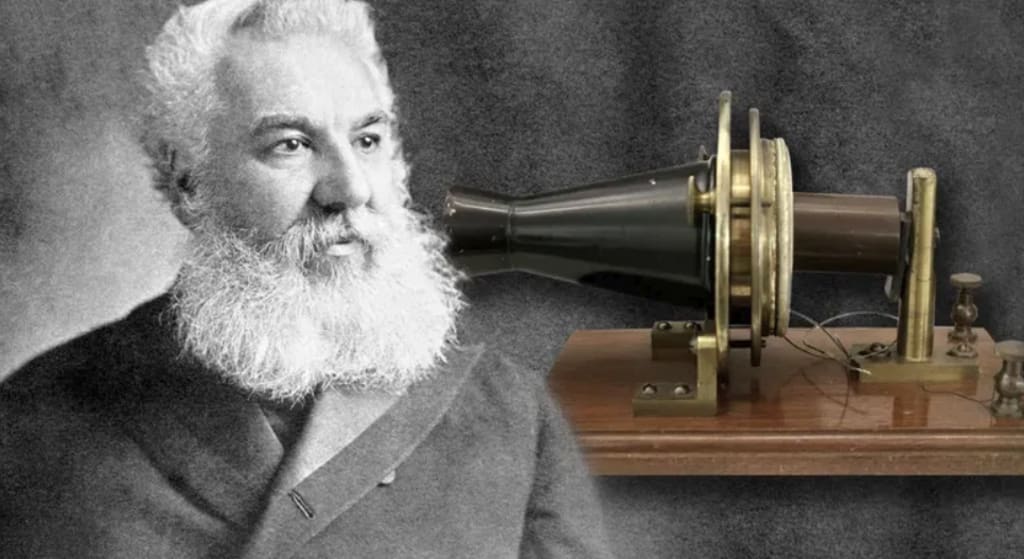
Speakers play a crucial role in modern audio technology, from home entertainment systems to smartphones. Their development spans over a century, leading to the high-quality sound systems we use today. This article explores the history of speakers and explains how they function.History of Speakers
Early Beginnings (19th Century)
The origins of speaker technology trace back to the invention of the telephone. In 1876, Alexander Graham Bell patented the first rudimentary loudspeaker for his telephone system, which was capable of converting electrical signals into sound.
Electromagnetic Speaker (1898)
British engineer Oliver Lodge developed an early electromagnetic loudspeaker that utilized an electromagnet to produce sound. However, it lacked the necessary amplification for practical use.
Moving Coil Speakers (1925)
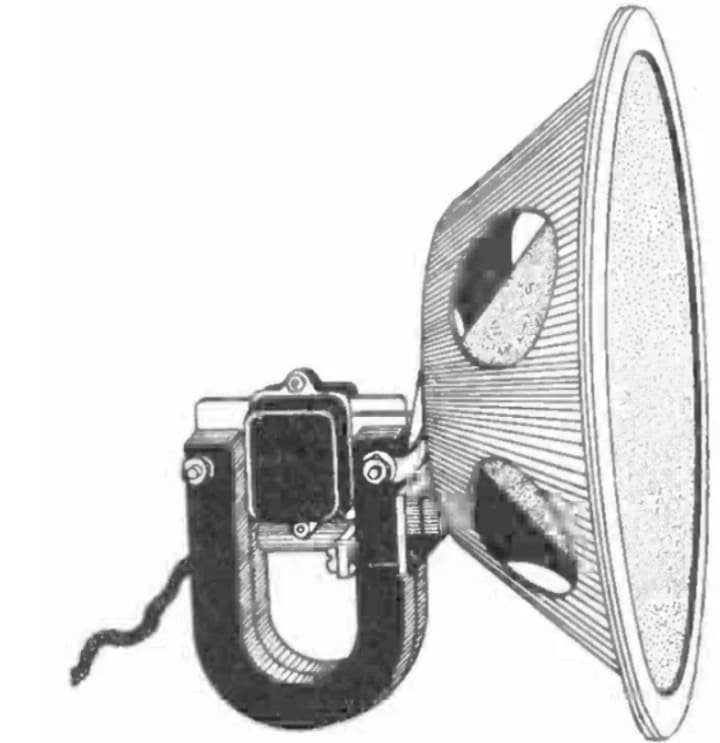
A significant advancement came in 1925 when Edward W. Kellogg and Chester W. Rice patented the moving coil loudspeaker. Their design, which incorporated an electromagnet and diaphragm, laid the foundation for modern speakers by delivering clearer and more powerful sound.
High-Fidelity Audio (1950s-1970s)
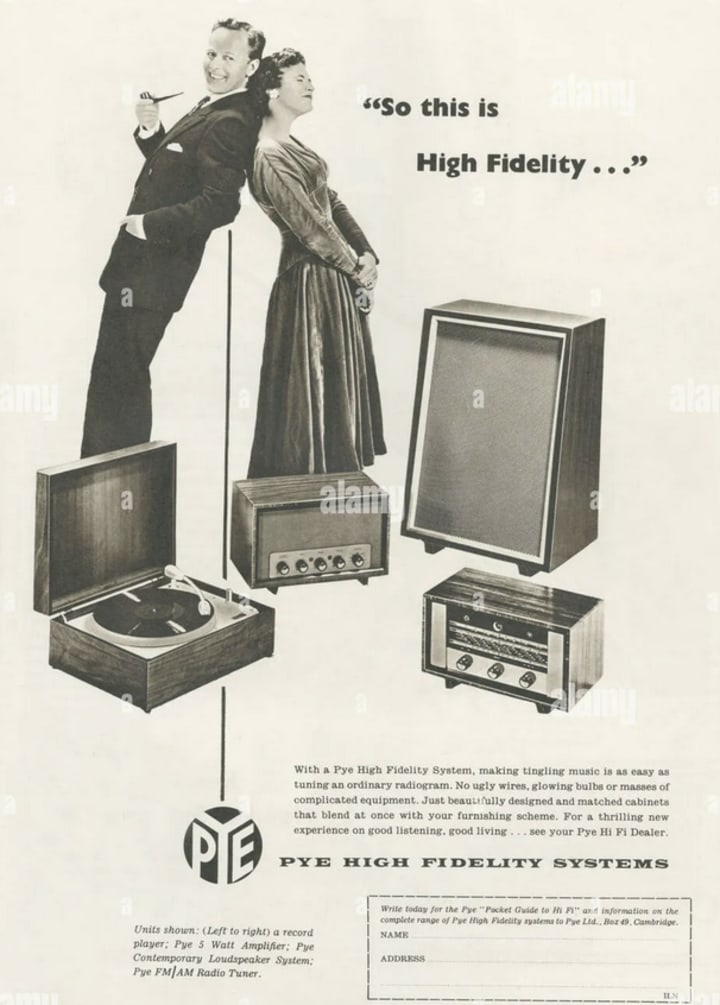
The mid-20th century saw a surge in high-fidelity (hi-fi) audio development. Innovations such as woofer and tweeter combinations allowed for better frequency response, providing richer bass and clearer treble.
Portable and Wireless Speakers (1990s-Present)
With advancements in digital audio, Bluetooth, and battery technology, portable and wireless speakers became widely available. Companies like Bose, JBL, and Sonos introduced compact designs with high-quality sound, revolutionizing how we experience music and audio.
How Speakers Work
Speakers function by converting electrical signals into sound waves through several key components:
1. Voice Coil: A coil of wire that generates a magnetic field when an electrical signal flows through it.
2. Magnet: A permanent magnet interacts with the voice coil’s magnetic field, causing movement.
3. Diaphragm (Cone): A lightweight, cone-shaped structure attached to the voice coil that moves in response to electrical signals, pushing air to create sound waves.
4. Suspension System (Spider and Surround): These components keep the diaphragm centered and allow it to move freely without distortion.
When an amplifier sends an electrical signal to the voice coil, the coil moves back and forth within the magnet’s field. This movement causes the diaphragm to vibrate, producing pressure waves in the air that our ears interpret as sound.
From early electromagnetic designs to sophisticated wireless systems, speakers have evolved significantly. As technology advances, we can expect further improvements in audio clarity, efficiency, and connectivity, enhancing the way we experience sound in our daily lives.
About the Creator
Keep reading
More stories from Gustavo Woltmann and writers in Chapters and other communities.
The History of the American Civil War
Causes of the Civil War The Civil War’s origins can be traced to tensions between the Northern and Southern states, which had developed over decades. The primary issue was slavery, particularly its expansion into newly acquired territories. The Northern states, driven by an industrial economy, largely opposed slavery, while the agrarian South depended on enslaved labor for its economy.
By Gustavo Woltmann8 days ago in Chapters
The Cave Part 6
If you have ever heard a tale about yourself that you cannot remember and doubtless think is made up, you will know how I felt when Tharkin related all that the eagle had seen of me before my memories were scattered. Of far distances and traveling companions that I did not recall, camping out under the stars and making our way to the mountains with deliberate purpose. The great bird had lost contact with my party once we entered the forests, and the seven other members were not seen again by him or his brethren since.
By Jamye Sharpabout 15 hours ago in Chapters



Comments