
Saudi Arabia Adds 20 New High-Speed Trains to Haramain Railway
Expansion of the Makkah–Madinah line strengthens pilgrimage mobility, supports Vision 2030, and sets new benchmarks for regional rail transport
Subtitle
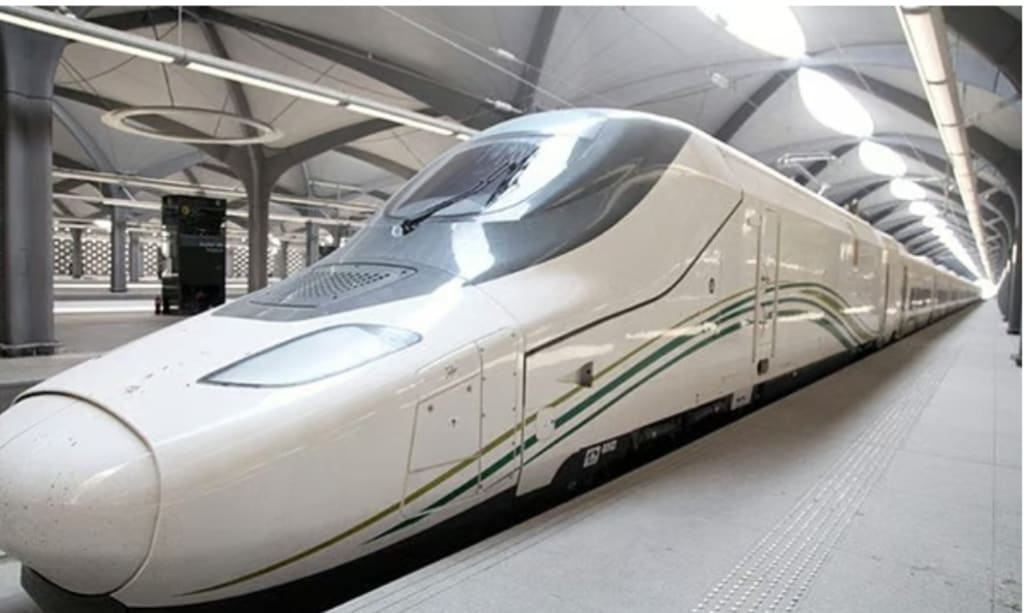
Saudi Arabia has taken a major step in modernizing its transportation infrastructure by adding 20 new high-speed trains to the Haramain High-Speed Railway. The move significantly enhances capacity on one of the Kingdom’s most important rail corridors, which connects the holy cities of Makkah and Madinah via Jeddah and King Abdullah Economic City. As millions of pilgrims travel to the holy sites each year, the expansion underscores Riyadh’s commitment to improving mobility, safety, and comfort while advancing the broader goals of Vision 2030.
The Haramain Railway is not just a transport project; it is a strategic national asset that sits at the intersection of religious tourism, economic diversification, and sustainable urban development. The addition of new trains reflects Saudi Arabia’s determination to future-proof this vital link as demand continues to rise.
Meeting Growing Pilgrimage Demand
Each year, millions of Muslims from around the world travel to Saudi Arabia for Hajj and Umrah. Managing this influx efficiently is one of the Kingdom’s most complex logistical challenges. The Haramain High-Speed Railway has already transformed pilgrimage travel by reducing journey times between Makkah and Madinah to around two hours, compared to five or six hours by road.
By adding 20 new high-speed trains, Saudi authorities aim to further ease congestion during peak seasons. The expanded fleet allows for more frequent departures, greater passenger capacity, and improved scheduling flexibility. This is especially critical during Hajj, when even small disruptions can have significant consequences.
The new trains are expected to operate at speeds of up to 300 kilometers per hour, maintaining the railway’s status as one of the fastest in the region. For pilgrims, this translates into shorter travel times, less physical strain, and a more dignified journey between the holy cities.
Technology and Passenger Comfort
The newly added trains are designed with a strong emphasis on passenger comfort and safety. Modern high-speed rail systems incorporate advanced braking systems, real-time monitoring, and automated controls to ensure smooth and reliable operations. Spacious seating, climate-controlled cabins, and dedicated areas for luggage are particularly important for pilgrims, many of whom are elderly or traveling with families.
Accessibility has also been a key focus. The trains and stations are equipped with features to support passengers with reduced mobility, aligning with Saudi Arabia’s broader push toward inclusive infrastructure. Multilingual information systems further enhance the experience for international travelers.
Supporting Vision 2030
The expansion of the Haramain Railway fleet directly supports Saudi Arabia’s Vision 2030, which seeks to diversify the economy and reduce reliance on oil revenues. Religious tourism is a central pillar of this strategy. By improving transport links and visitor experience, the Kingdom aims to significantly increase the number of Umrah pilgrims in the coming years.
High-speed rail also plays a role in developing non-religious tourism and business travel. Jeddah, a major commercial hub and gateway to the holy cities, benefits from faster and more reliable connections. This strengthens the city’s position as a regional logistics and tourism center.
Moreover, investment in rail infrastructure contributes to local job creation, skills development, and technology transfer. From operations and maintenance to station management, the railway supports a growing ecosystem of employment opportunities.
Environmental Advantages
In addition to economic and social benefits, high-speed rail offers clear environmental advantages. Compared to road transport and domestic air travel, electric trains produce significantly lower emissions per passenger. As Saudi Arabia works to improve sustainability and reduce its carbon footprint, expanding rail capacity is an important step.
The Haramain Railway helps reduce traffic congestion on major highways, lowering fuel consumption and improving road safety. During peak pilgrimage seasons, this shift from road to rail can have a measurable positive impact on air quality and energy use.
Regional Leadership in Rail Transport
The addition of 20 new trains further cements Saudi Arabia’s position as a regional leader in high-speed rail. Few countries in the Middle East operate rail systems of this scale and sophistication. The Haramain Railway has become a model for how large-scale infrastructure can be integrated into culturally and religiously significant contexts without compromising efficiency.
This leadership has broader implications. As Gulf countries invest heavily in transport and urban development, Saudi Arabia’s experience with high-speed rail may inform future projects across the region.
Looking Ahead
As demand for pilgrimage and tourism continues to grow, the Haramain High-Speed Railway will remain a critical artery of Saudi Arabia’s transport network. The addition of new trains is not the final step, but part of an ongoing process of expansion and optimization. Future enhancements may include further fleet upgrades, digital ticketing innovations, and closer integration with airports and urban transit systems.
Conclusion
Saudi Arabia’s decision to add 20 new high-speed trains to the Haramain Railway represents a significant investment in the Kingdom’s future. By enhancing capacity, improving passenger experience, and supporting environmental and economic goals, the expansion strengthens one of the world’s most important religious transport corridors. As Vision 2030 progresses, the Haramain Railway stands as a powerful example of how modern infrastructure can serve tradition, development, and sustainability at the same time.
About the Creator
Keep reading
More stories from Sadaqat Ali and writers in Criminal and other communities.
By Dumping Sand Into the Ocean for More Than a Decade, China Has Created Entirely New Islands From Scratch
For more than a decade, China has been quietly but relentlessly transforming stretches of the ocean into solid ground. By dredging sand from the seabed and dumping it onto coral reefs and shallow waters, Beijing has managed to create entirely new islands from scratch. What began as limited land reclamation has evolved into one of the most ambitious maritime engineering efforts in modern history, fundamentally reshaping the geography of the South China Sea and redefining the balance between infrastructure development, geopolitics, and environmental stewardship.
By Sadaqat Ali8 days ago in The Swamp
No Arrests Made in the Nancy Guthrie Case
The disappearance of Nancy Guthrie, an 84‑year‑old grandmother from Tucson, Arizona, has captured national attention over the past two weeks. Recent law enforcement activity, including the detaining of three people, has raised questions and hope among the public and Nancy’s family. But as of now, no one has been arrested in connection with her disappearance, and the investigation continues.
By sehzeen fatima3 days ago in Criminal
Canada Shooting Shocks the Nation: Inside the Deadly Tumbler Ridge Tragedy
A Rare and Devastating Act of Gun Violence Rekindles National Debate on Safety, Mental Health, and Firearms in Canada Canada is mourning after one of the deadliest mass shootings in its modern history unfolded in the small community of Tumbler Ridge, British Columbia, leaving ten people dead, including the suspected shooter, and more than two dozen injured. The attack, which took place on February 10, 2026, shattered the sense of security in a country where such violence remains rare and deeply unsettling.
By Story Prism6 days ago in Criminal



Comments
There are no comments for this story
Be the first to respond and start the conversation.