
12 Human Foods that Are Actually Good for Cats
Cats can benefit from certain human foods
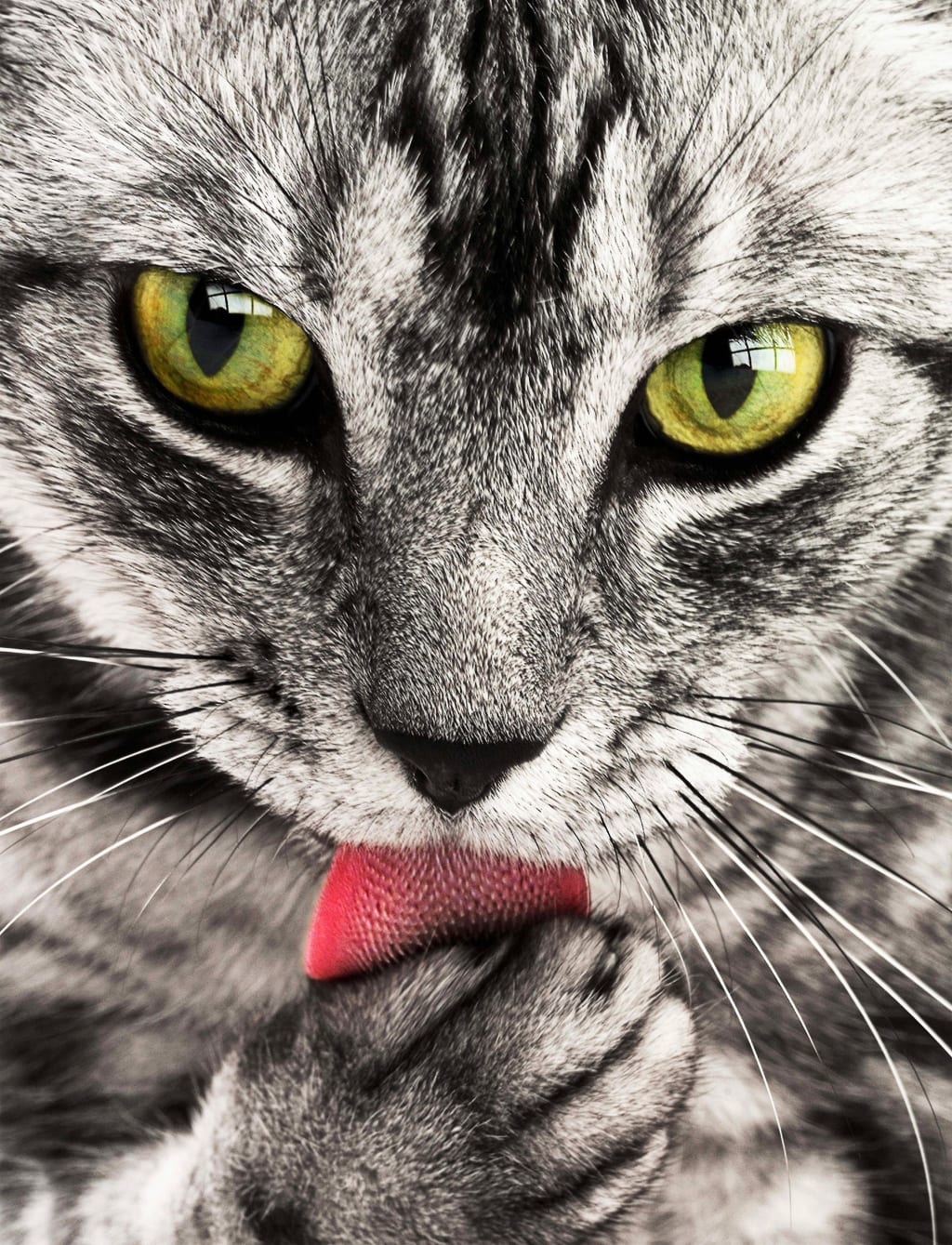
If you're in search of a healthy and delicious treat for your cat, there's no need to look beyond your own pantry. Not only can some human foods be safe for cats, but many of your everyday groceries can actually be beneficial for your pet. With the increasing demand for freshly prepared food, your feline companion also deserves the best treats. Knowing which foods are safe for cats can help you prepare a delightful homemade meal for your pet occasionally. It's a great way to show them how much you love them. In this video, we will discuss 12 human foods that cats can enjoy, ranging from chicken and eggs to bananas. Stay tuned to learn more.
Number 12: Meat
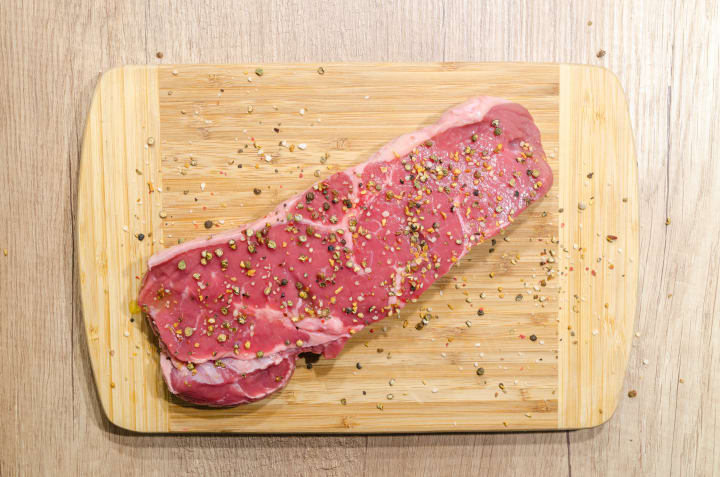
Cats are obligate carnivores, meaning they require meat in their diet to survive and maintain good health. Meat is rich in amino acids and animal protein, serving as the primary nutrient source for cats. You can feed your cat beef, chicken, and turkey, as long as they are served without any seasonings like sauces, garlic, or onions, which can be harmful. Raw meat from the grocery store is generally cautioned against due to the risk of bacterial contamination. Ensure the meat is cooked thoroughly to eliminate any bacteria or viruses. Grilled, boiled, or baked meat is preferable, while fried meat should be avoided due to its high fat content. It's important not to add salt as it is unhealthy for cats. Remove cooked meat from the bone, as cooked bones can splinter and pose a choking or gastrointestinal risk. Dehydrated organs and meats also make a tasty chewy snack that promotes dental health.
Number 11: Bread

Bread forms a significant part of our diet, leading to the question of whether cats can eat burgers, sandwiches, or even whole loaves. Plain white and wheat bread is generally safe for cats to consume in moderation. However, it's essential to note that bread has no nutritional value for them and should not replace their regular cat food diet. Not all breads are harmless, as some may contain toxic ingredients that should never be fed to cats. Ingredients like garlic, onions, nuts, seeds, or chocolate found in certain breads can be toxic and cause serious side effects such as vomiting, diarrhea, collapse, or even raisin toxicity. Always double-check the ingredient list before feeding your cat any fancy bread.
Number 10: Eggs
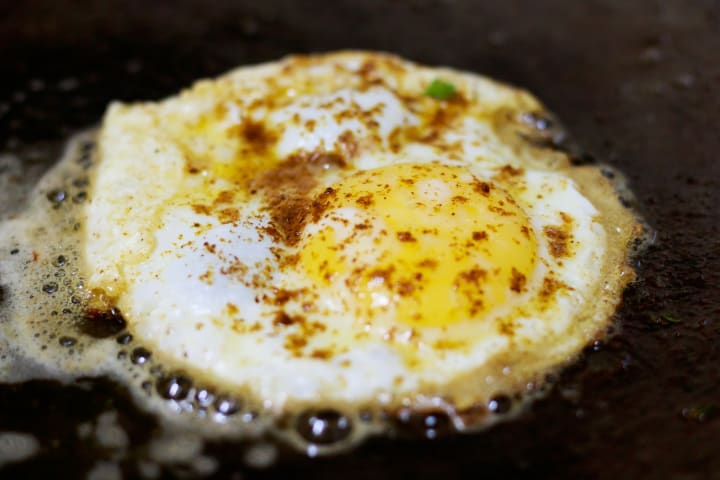
Surprisingly, eggs are on the menu when considering human foods that cats can eat. Eggs are safe and even beneficial for cats as they are packed with protein, amino acids, and B vitamins. However, it's important to cook the eggs before feeding them to your cat, as raw eggs can carry salmonella and other harmful bacteria. Cooking eggs to a safe temperature eliminates these risks. Feeding raw eggs to cats can also lead to vitamin B7 deficiency due to avidin, an enzyme present in egg whites that hampers the absorption of vitamin B7 in the body. This deficiency can result in skin and coat problems.
Number 9: Fish
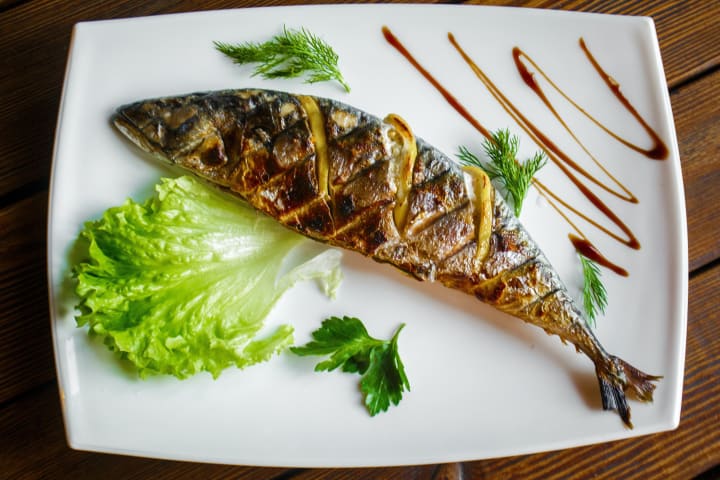
Cooked fish is safe for cats and serves as an excellent source of protein in their diet. It provides essential vitamins and amino acids that help maintain a healthy coat. The best way to serve fish to your cat is by boiling it, cutting it into small pieces, and avoiding any seasonings. Be cautious and remove all bones carefully. Most cats love the smell and taste of fish, whether it's salmon, tuna, or sardines. Ensure the fish is cooked thoroughly, as raw fish can contain bacteria causing food poisoning. Raw fish also contains an enzyme that destroys thiamine, an essential B vitamin. Cats can also enjoy other seafood variants such as cooked shrimp.
Number 8: Spinach
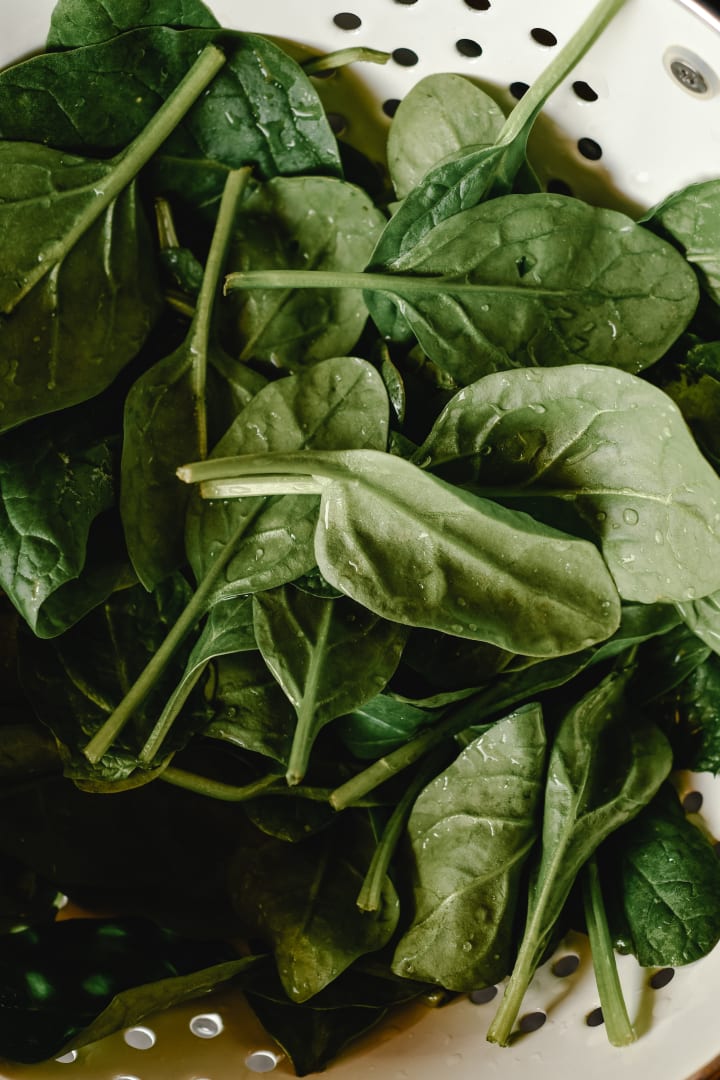
If you've seen your cat nibbling on grass, you know they have a liking for leafy greens. Spinach, packed with vitamins and minerals like A, C, and K, iron, and calcium, can be a healthy treat for your feline friend. Many cat food companies also include spinach in their recipes due to its numerous health benefits. However, if your cat has a history of kidney or urinary tract stones, it's best to avoid feeding them spinach as it is high in calcium oxalate.
Number 7: Pork
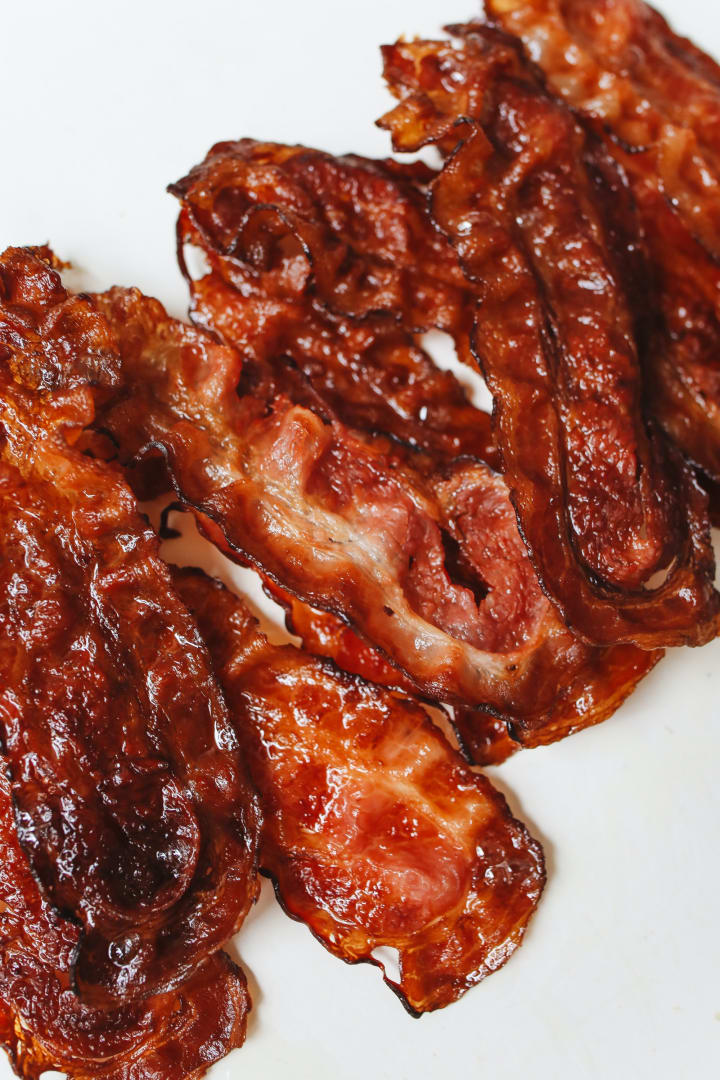
Cats can eat bacon and ham, but these should only be given as occasional treats in small amounts. These meats are high in fat and salt content, making moderation crucial. Ensure they are well-cooked and cut into small pieces similar in size to your cat's kibble. Processed pork meats, as well as all processed meats, are unsafe for cats due to their high salt, fat, chemical preservatives, and added spice content, which can upset their stomach.
Number 6: Pumpkin

Pumpkin is not only high in fiber and low in calories but also an effective treatment for cats with loose stools. Many veterinarians recommend pumpkin as a remedy for constipation in cats. You can incorporate plain pumpkin into cat treats as it is safe and healthy. Avoid canned pumpkin products that contain saltand spices, as these can be harmful to cats. Instead, opt for plain, cooked, and mashed pumpkin.
Number 5: Fresh fruits
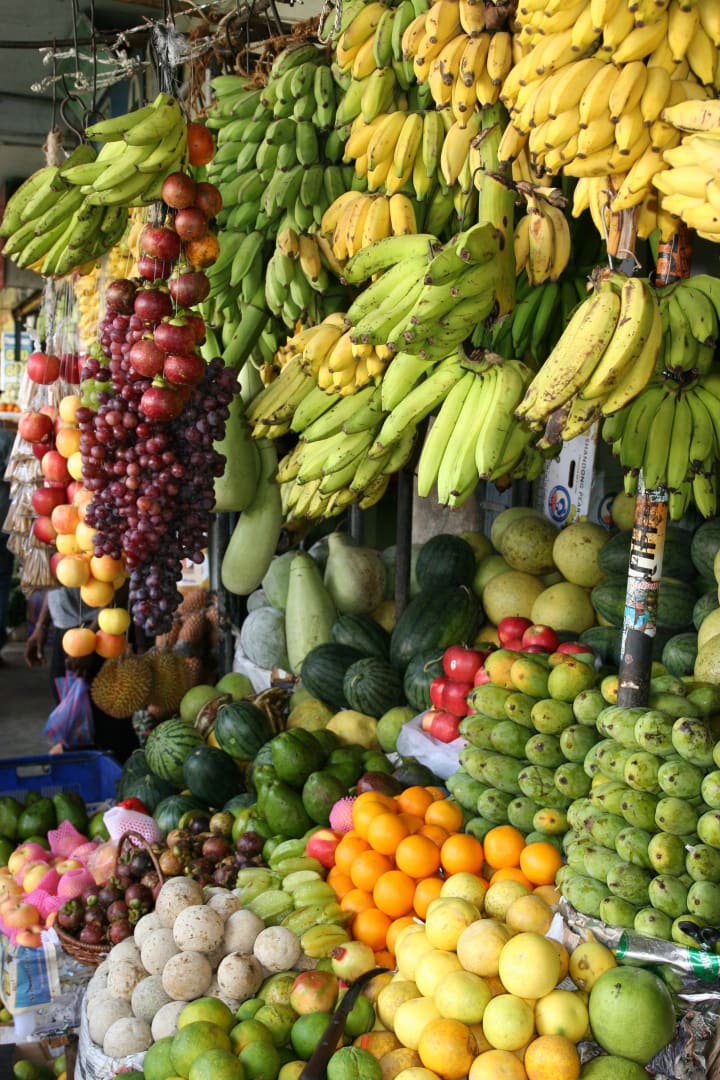
You have probably noticed that some cats chew on house plants more often than not. Cats chew on plants because they need vegetation in their diet. Some green stuff provides them with nutrients like folic acid and aids in the removal of non-digestible materials such as fur. Fruits also assist in relieving constipation. Although many cats don't like fruits, they are actually a healthy option for them. For example, cantaloupe helps maintain their skin and eye health. Another fruit that you can feed your feline friend is watermelon. Not only is it safe for cats, but many cats enjoy it, especially during the summer months because it helps keep your pet hydrated. Just make sure to remove all the seeds and rind. Other fruits such as blueberries, strawberries, seedless apples, and mangoes also make excellent snacks for cats as they are full of vitamins, minerals, and high in fiber too. However, avocado and grapes should never be given to cats as they have been proven to be very toxic for felines. Keep in mind that cats are natural carnivores and have a very small capacity to digest and regulate vegetarian food. So, if you are giving them fruits, keep the portions small. A vegetarian diet is a big no-no for cats.
Number 4: Rice.

Cats can eat rice as long as it is well-cooked and fed in small quantities. In fact, vets sometimes recommend mixing some rice with the cat's usual food to treat diarrhea. That's because rice contains soluble fiber, which helps stabilize and bind the stool. However, keep in mind that rice is not part of a feline's natural diet and is unlikely to provide any nutritional benefits.
Number 3: Carrots.
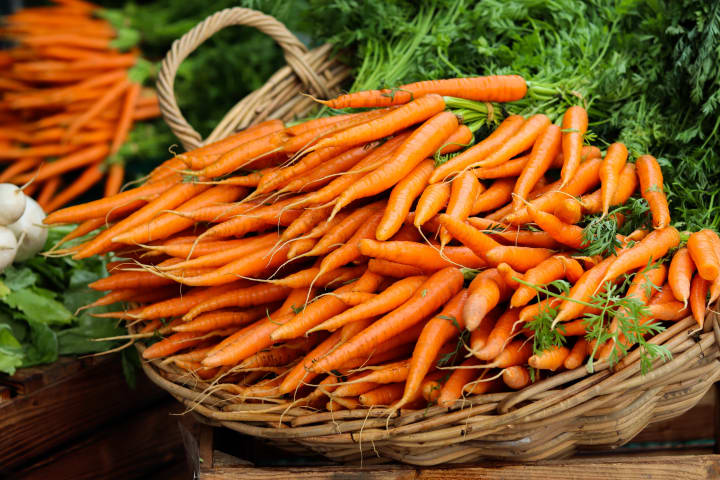
You will be surprised to know that carrots are perfect for cats. This healthy, low-calorie snack is a great source of vitamin A, magnesium, and many other nutritious elements for cats. It helps strengthen your cat's immune system, promotes good health, and gives your pet a healthy skin. Keep in mind that essential vitamins are an important part of your cat's diet to stay healthy. As with most foods on the list, keep the portion small. After all, cats are natural carnivores, and the majority of your cat's diet should be meat-based.
Number 2: Oatmeal.
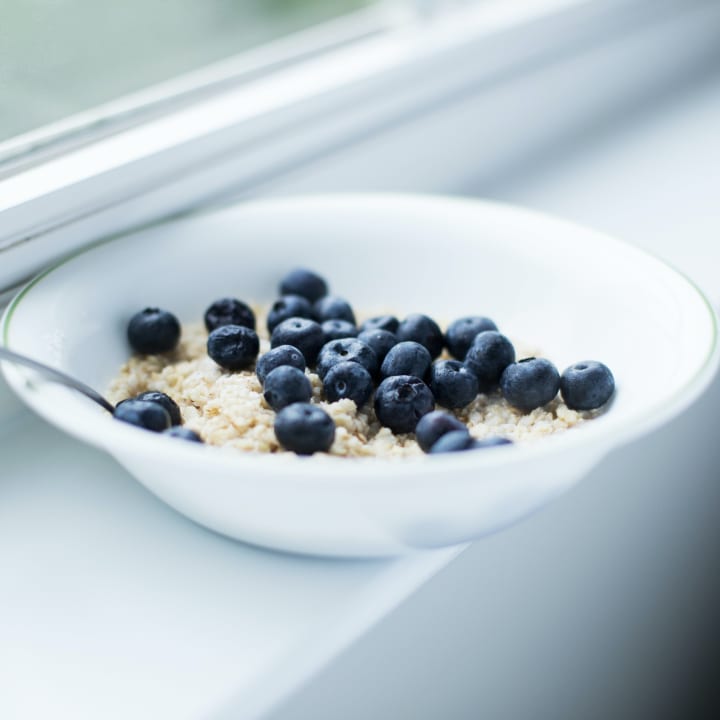
Oatmeal is a source of energy and B vitamins for your pet. It is another human food that can be found in many commercial cat foods. Compared to other types of cereal grains, oats are relatively high in protein and nutritional value. They are packed with fiber, antioxidants, and vitamins that are beneficial to your cat's overall health. You can use oatmeal as a supplemental meal and introduce it slowly into your cat's diet.
Number 1: Bananas.
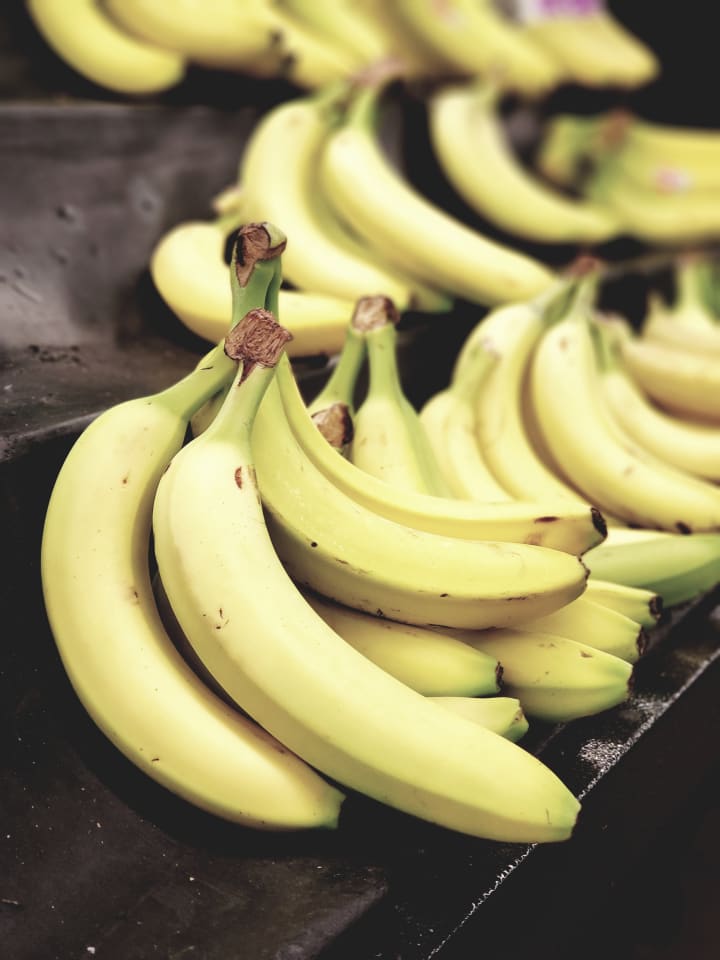
Bananas are loaded with potassium, fiber, and nutrients that make them a safe snack for cats. Although bananas are a healthy treat, they should be given to your cat in moderation and small amounts. Bananas are high in sugar, which can lead to diabetes and weight problems. Avoid offering your feline any bananas if your pet has diabetes.
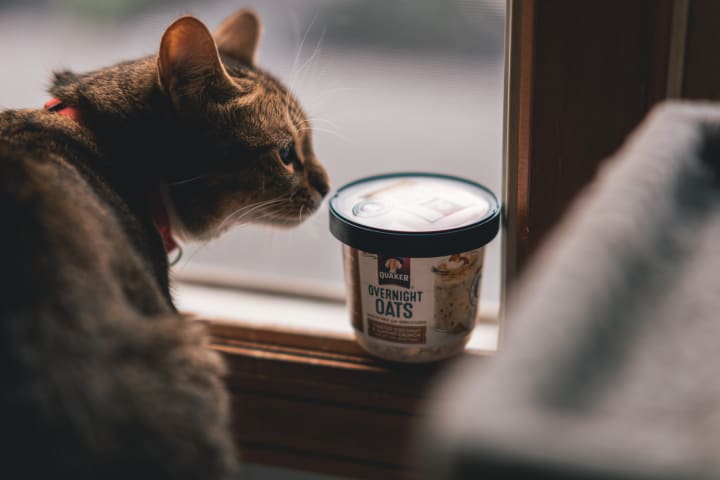
Remember, while these human foods can be a safe and healthy addition to your cat's diet, they should never replace a complete and balanced cat food. Consult your veterinarian before making any significant changes to your cat's diet, especially if they have any underlying health conditions or dietary restrictions.
In conclusion, it's important to choose human foods for cats carefully. Some foods can be beneficial and enjoyable for cats, such as meat, eggs, fish, spinach, pumpkin, yogurt, blueberries, sweet potatoes, carrots, and bananas. However, always feed these foods in moderation, prepare them properly, and avoid any harmful ingredients or seasonings. Your cat's health and well-being should always be the top priority.
About the Creator
The Cave Part 6
If you have ever heard a tale about yourself that you cannot remember and doubtless think is made up, you will know how I felt when Tharkin related all that the eagle had seen of me before my memories were scattered. Of far distances and traveling companions that I did not recall, camping out under the stars and making our way to the mountains with deliberate purpose. The great bird had lost contact with my party once we entered the forests, and the seven other members were not seen again by him or his brethren since.
By Jamye Sharp3 days ago in Chapters



Comments (1)
hi everyone