

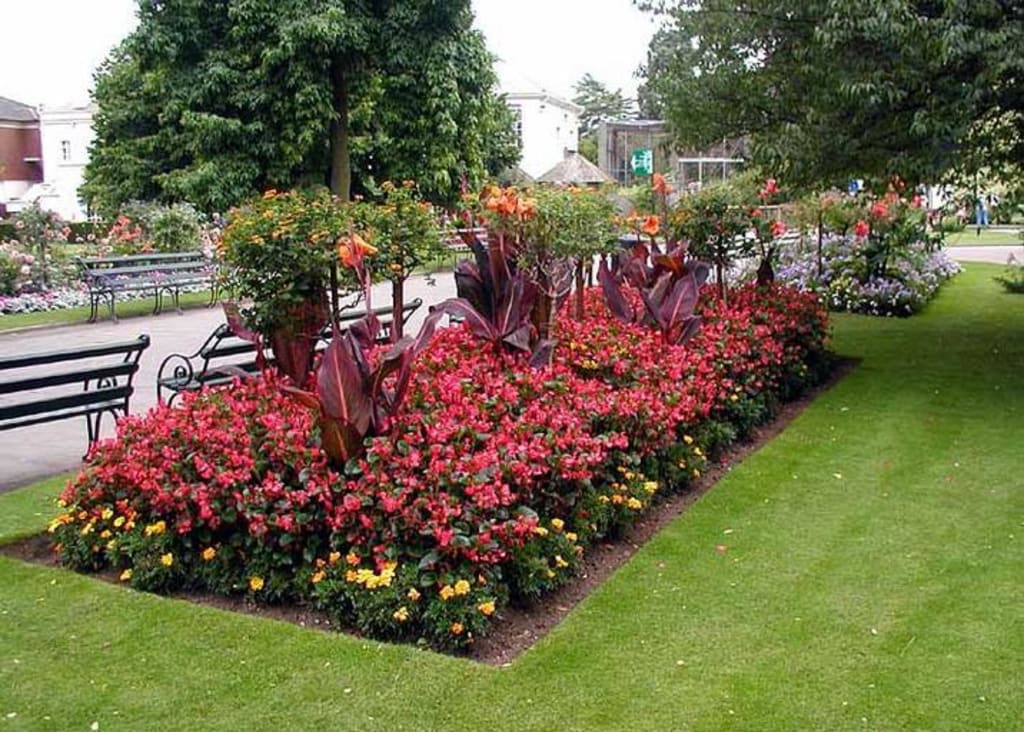
Gardening offers numerous beauty and benefits, both for individuals and the environment. Engaging in gardening activities provides physical exercise, contributing to improved strength, flexibility, and cardiovascular health. Spending time outdoors and being exposed to sunlight also helps the body produce vitamin D. Gardening has been shown to reduce stress levels, alleviate symptoms of anxiety and depression, and enhance overall mental well-being.
Gardening allows individuals to connect with the natural world. It offers an opportunity to observe and appreciate the beauty of plants, flowers, and wildlife. Gardening can be a therapeutic experience, fostering a sense of calmness and mindfulness.
Here are 50 gardening tips to help you cultivate a thriving garden:
1. Start with healthy soil by adding compost or organic matter.
2. Plan your garden layout to optimize sunlight and space.
3. Water your plants deeply but infrequently to encourage deep root growth.
4. Mulch your garden beds to retain moisture and suppress weeds.
5. Use companion planting to maximize space and deter pests.
6. Rotate your crops each year to prevent soil-borne diseases.
7. Choose plants that are well-suited for your climate and growing conditions.
8. Deadhead spent flowers to promote new blooms.
9. Prune your plants regularly to maintain their shape and health.
10. Use organic pest control methods, such as neem oil or insecticidal soap.
11. Attract beneficial insects by planting flowers that they love, like marigolds or lavender.
12. Plant herbs like basil or rosemary to naturally repel pests.
13. Test your soil's pH and adjust if necessary to meet the needs of your plants.
14. Harvest vegetables and herbs when they are at their peak for the best flavor.
15. Start seeds indoors before the growing season to get a head start.
16. Label your plants to keep track of what you've planted.
17. Provide support for climbing plants like tomatoes or cucumbers.
18. Remove weeds regularly to prevent them from competing with your plants.
19. Consider using raised beds to improve drainage and prevent soil compaction.
20. Fertilize your plants with organic fertilizers to provide essential nutrients.
21. Create a compost pile to recycle kitchen scraps and garden waste.
22. Use a rain barrel to collect rainwater for watering your plants.
23. Install a drip irrigation system to conserve water and deliver it directly to plant roots.
24. Remove faded or diseased leaves to prevent the spread of diseases.
25. Practice proper spacing between plants to allow for air circulation and prevent overcrowding.
26. Harden off seedlings before transplanting them outdoors to acclimate them to outdoor conditions.
27. Protect delicate plants from frost with covers or cloches.
28. Regularly inspect your plants for signs of pests or diseases.
29. Introduce beneficial nematodes or ladybugs to control specific pests.
30. Create a bee-friendly garden by planting flowers that attract pollinators.
31. Use organic weed killers, such as vinegar or boiling water, instead of chemical herbicides.
32. Harvest rainwater to minimize your water usage and lower your water bill.
33. Preserve excess harvest through canning, freezing, or drying.
34. Learn about the specific needs of each plant variety you grow to provide proper care.
35. Take advantage of vertical gardening techniques to save space.
36. Regularly clean and sharpen your gardening tools to keep them in good condition.
37. Keep a gardening journal to record your successes, failures, and observations.
38. Provide shade for delicate plants during hot summer days.
39. Use a trellis or stake to support tall and floppy plants.
40. Create a welcoming habitat for birds by adding birdhouses and bird feeders.
41. Integrate native plants into your garden to support local wildlife.
42. Prune fruit trees during the dormant season to shape them and improve fruit production.
43. Remove faded flowers from annual plants to encourage continuous blooming.
44. Use organic slug and snail control methods, such as diatomaceous earth or copper barriers.
45. Apply a layer of organic mulch around your plants to retain moisture and suppress weeds.
46. Take regular breaks and drink plenty of water while working in the garden.
47. Experiment with different plant varieties and cultivars to discover your favorites.
48. Use natural pest deterrents like garlic or chili pepper sprays.
49. Encourage biodiversity
About the Creator
Shamreena
Spread love and be loved by love💌.
The Nature that Raised Me
I believe in nature, because in truth, she raised me. My life thus far has been touched by a never-ending series of the most wild and mystical landscapes one could ever hope to behold. And each place is so different, so phenomenally awe-inspiring, that the memories I hold of each one are still as vivid as though I were there yesterday.
By Maura Bernstein4 days ago in Earth
Life After Cancer: Reclaiming Identity and Finding Joy Back at Work
For many people, a cancer diagnosis marks the beginning of a journey that affects not just physical health, but identity, relationships, and daily life. After months or even years of treatment, patients often find themselves confronting a new challenge: life after cancer. Stepping back into normal routines, especially returning to work, can be both a relief and a revelation. It’s a moment where survivors start to reclaim their identity — and discover that life can be joyful again.
By Aarif Lashari3 days ago in Earth




Comments
There are no comments for this story
Be the first to respond and start the conversation.