
Britain’s Relentless Rain: Climate Predictions Turning Into Daily Reality
From Forecast Models to Flooded Streets — How Extreme Rainfall Is Becoming the New Normal in the UK
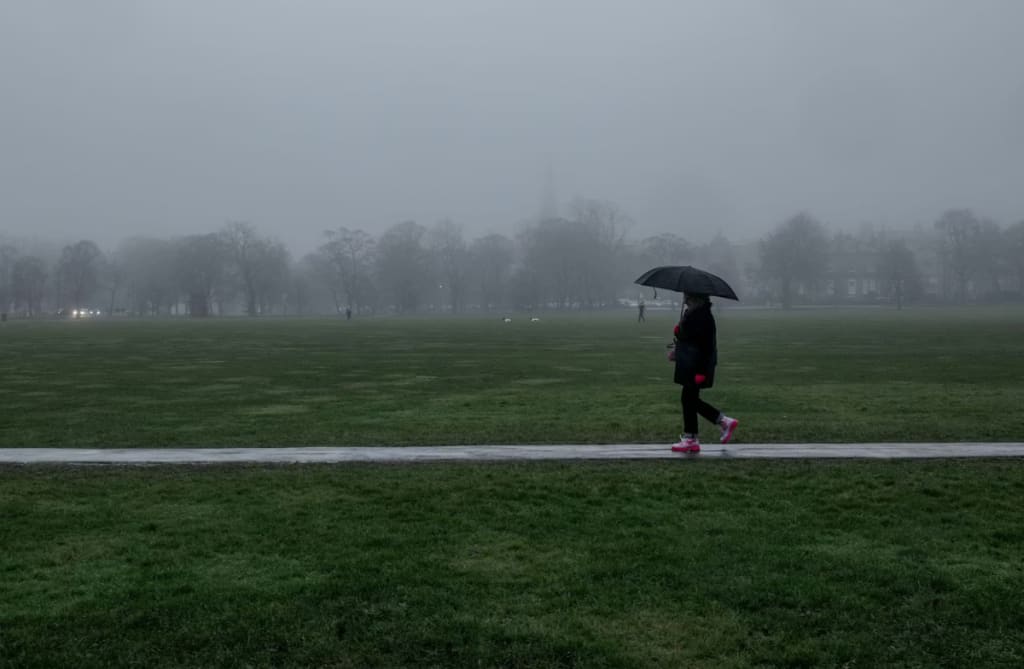
For decades, climate scientists warned that the United Kingdom would face heavier rainfall, stronger storms, and more frequent flooding as global temperatures rise. Today, those warnings no longer feel theoretical. Britain’s recent wave of relentless rain is not an unexpected anomaly — it is a striking confirmation that climate predictions are playing out almost exactly as forecasted.
Across England, Scotland, and Wales, communities are grappling with swollen rivers, saturated farmland, disrupted transport systems, and repeated flood alerts. What was once described as “once-in-a-century” rainfall now seems to arrive every few years. The science behind this shift has been clear for a long time — warmer air holds more moisture, and more moisture means heavier downpours.
The Science Behind Heavier Rainfall
Climate models from organizations such as the Met Office and the Intergovernmental Panel on Climate Change have consistently projected that the UK would experience wetter winters and more intense rainfall events. As global temperatures rise, evaporation increases from oceans and land surfaces. The atmosphere stores more water vapor, which eventually falls as heavier rain.
The UK’s geographic position also makes it particularly vulnerable. Weather systems from the Atlantic Ocean frequently move across the British Isles. When these systems carry extra moisture due to warming sea temperatures, rainfall becomes more intense and prolonged.
Recent storms have demonstrated this pattern clearly. Instead of brief showers, Britain has seen sustained rainfall lasting days, overwhelming drainage systems and rivers alike.
Flooding Becomes a Recurring Crisis
Flood warnings have become increasingly common, particularly in low-lying areas such as Yorkshire and the Somerset Levels. Emergency services have repeatedly evacuated homes as riverbanks burst under pressure. Infrastructure built decades ago was never designed to handle such frequent extreme weather.
The economic impact is significant. Flood damage repairs cost billions of pounds annually. Insurance premiums rise, and in some high-risk areas, coverage becomes unaffordable or unavailable. Farmers face waterlogged crops and delayed planting seasons, threatening food supply stability.
Urban centers are not immune either. Cities like London experience surface water flooding when drainage systems cannot cope with sudden downpours. Roads become impassable, train services are suspended, and schools close — disrupting everyday life.
Climate Predictions Were Clear
The remarkable aspect of Britain’s current rainfall crisis is not that it is happening — it is that scientists predicted it with notable accuracy. Climate simulations from the early 2000s projected a 10–30% increase in winter rainfall intensity by mid-century if greenhouse gas emissions continued at high levels.
Those projections are increasingly visible today. According to long-term data from the Met Office, several of the UK’s wettest winters on record have occurred within the past two decades. The trend is not random; it is statistically consistent with global warming patterns.
This alignment between prediction and reality reinforces the credibility of climate science. While debates over policy and economic costs continue, the physical impacts are becoming harder to ignore.
Infrastructure Under Pressure
Britain’s drainage networks, flood defenses, and transport infrastructure were largely constructed under historical climate assumptions. That means they were built for a cooler, more stable weather system. Today’s climate is different.
Flood barriers along the River Thames, including the famous Thames Barrier, have been raised more frequently in recent years to protect London from tidal surges and river flooding. Engineers warn that without continued upgrades, these defenses may struggle to cope with future extremes.
Road erosion, rail track instability, and power outages caused by storms highlight another challenge: adaptation. Even if emissions were drastically reduced tomorrow, some level of climate change is already locked in. Preparing infrastructure for heavier rainfall is no longer optional — it is essential.
Public Awareness and Political Debate
Extreme rainfall events are also shaping public opinion. Climate change is no longer a distant environmental issue; it is a lived experience. When homes flood or transport systems shut down, the connection between weather and climate becomes personal.
Political leaders face mounting pressure to invest in flood prevention, renewable energy, and climate resilience. At the same time, debates continue over economic trade-offs, taxation, and environmental regulation. The urgency of visible impacts, however, is narrowing the space for denial.
Communities are also adapting at the grassroots level. Local councils are introducing sustainable drainage systems, restoring wetlands to absorb excess water, and promoting green urban planning. These measures not only reduce flood risk but also improve biodiversity and air quality.
A Glimpse of the Future
Britain’s relentless rain offers a preview of what climate scientists describe as a “new normal.” Wetter winters, stronger storms, and more unpredictable rainfall patterns are expected to continue unless global emissions decline significantly.
Importantly, heavier rainfall does not eliminate the risk of drought. Climate change increases weather extremes in both directions. The UK could experience dry summers followed by intensely wet winters — a pattern already beginning to emerge.
The lesson is clear: climate change is not just about rising temperatures. It is about destabilized systems — water cycles, storm patterns, and seasonal rhythms.
Conclusion: Prediction Meets Reality
Britain’s recent waves of relentless rain demonstrate that climate models were not exaggerations. They were warnings grounded in physics and long-term data. The increasing frequency and intensity of rainfall align closely with scientific projections.
The question now is not whether climate change is influencing British weather. The evidence suggests it is. The more pressing question is how quickly governments, industries, and communities can adapt to a wetter, more volatile future.
As flooded streets become recurring headlines, one truth stands out: the era of climate prediction has transitioned into the era of climate experience. What was once forecasted in reports is now visible in rivers, roads, and rooftops across the United Kingdom.
For Britain — and for the world — the rain is not just weather. It is a signal. And that signal is becoming impossible to ignore.



Comments
There are no comments for this story
Be the first to respond and start the conversation.