
Creating a Shade Garden: Lush Plants for Dark Corners
Don't let shady corners of your garden feel like barren afterthoughts. A shade garden offers a unique opportunity to create a cool, tranquil oasis filled with lush foliage, subtle blooms, and captivating textures. Whether you're working under dense trees or beside a north-facing wall, this guide will help you transform dim areas into rich, layered retreats.

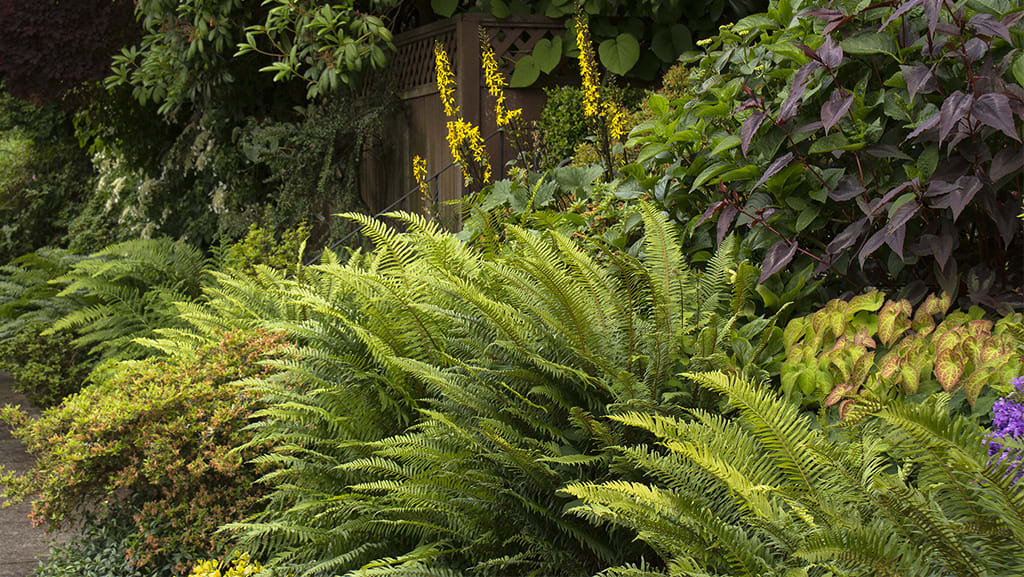
Embracing the Shade: Design Principles
The key to a successful shade garden is to work with the environment, not against it. Start by observing your space to understand the type of shade you have. Dappled shade (like under a birch tree) allows patches of sun, while deep shade (under evergreens or against north walls) is much darker and cooler.
Use shade to your advantage. It naturally creates a feeling of coolness and intimacy. Build on this by designing with form and texture first, and color second. The interplay of different leaf shapes—broad hostas, delicate ferns, spiky grasses—creates visual interest where flowers might be sparse. Add elements like a simple bench, a bird bath, or a decorative pot to create a destination within the shade.
Preparing the Perfect Shade Bed
The soil in shady spots is often dry (under thirsty trees) or damp and compacted. Preparation is crucial:
- Clear and Assess: Remove weeds, debris, and any unwanted roots. Check soil moisture by digging a small hole after rain.
- Improve the Soil: Most shade plants thrive in rich, moisture-retentive yet well-draining soil. Incorporate generous amounts of well-rotted compost or leaf mould. This improves structure, fertility, and water retention. For heavy clay, add grit to improve drainage.
- Consider Moisture: If the area is very dry (under trees), plan for drought-tolerant shade plants or install a drip irrigation system. For permanently damp areas, choose moisture-loving species.
A Curated Palette of Shade-Loving Plants
The following table organizes excellent shade plants by their light tolerance and key characteristics, helping you build a garden with year-round interest.
Beyond the Classics: For early bulbs, try Snowdrops (Galanthus) and Cyclamen coum. For foliage, consider the architectural Rodgersia or glossy Bergenia. In warmer zones, Hydrangeas thrive in dappled shade.
Planting and Maintaining Your Shade Oasis
- Planting: The best times are autumn or spring when the soil is moist and warm. Space plants according to their mature size, placing taller specimens like ferns at the back or center and lower carpeting plants at the edges.
- Watering: Water new plants thoroughly. While established shade gardens often need less watering, pay attention during dry spells, especially under trees.
- Feeding: Apply a mulch of compost or leaf mould each spring to feed the soil and retain moisture. A general-purpose fertilizer in spring can boost growth.
- Maintenance: Shade gardens are generally low-maintenance. Primary tasks include removing dead leaves in spring, dividing overgrown clumps every few years, and keeping an eye out for slugs and snails, which love lush foliage. For ongoing care, if you ever need to identify a volunteer plant or diagnose a problem in your shade garden, a tool like AI Plant Finder can provide quick, visual identification and specific care advice.
Advanced Tips for Depth and Year-Round Interest
- Layer, Layer, Layer: Create depth by planting in tiers—groundcovers like Ajuga, mid-height Heucheras, and tall Astilbes or Foxgloves.
- Play with Light and Dark: Use plants with variegated or golden foliage (like Hosta 'June' or Hakonechloa 'Aureola') to brighten dark corners. Contrast them with deep green or purple leaves.
- Extend the Season: Choose a succession of bloomers: Hellebores in winter, Pulmonaria in spring, Astilbe in summer, and Cyclamen hederifolium in autumn.
- Add Non-Plant Elements: A light-colored stone path, a piece of weathered wood, or a simple metal sculpture will catch the eye and enhance the serene atmosphere.
By choosing the right plants and embracing the calm beauty of shade, you can turn a forgotten corner into a lush, enchanting haven that offers a cool respite for many seasons to come.
About the Creator
Emma Wallace
Director of Research and Development at AI Plant Finder (Author)
Emma Wallace is an esteemed researcher and developer with a background in botany and data analytics.
Keep reading
More stories from Emma Wallace and writers in Earth and other communities.
Wild Africa Journey: Big Land, High Mountain, Blue Sea Adventure
Africa is a dream place for many people. Big land. Wild nature. Animals walking free. Mountains touching sky. The ocean water is blue and warm. Tanzania is one country where all this comes together in one beautiful travel story. You can see lions in golden grass, climb the tallest mountain in Africa, watch endless plains of animals, and then rest on a white sand island. This trip is not only a holiday. It is a life memory, a deep feeling, and a strong adventure.
By Alex Winslowa day ago in Earth
Police Identify 18-Year-Old as Suspect in Tumbler Ridge Shooting
On February 10, 2026, one of the deadliest mass shootings in recent Canadian history unfolded in the remote community of Tumbler Ridge, British Columbia, leaving the nation reeling. Police have officially identified the suspect as an 18-year-old local resident, Jesse Van Rootselaar, following a violent rampage that resulted in multiple deaths and scores of injuries.
By Sadaqat Ali8 days ago in Earth




Comments
There are no comments for this story
Be the first to respond and start the conversation.