Latest Stories
Most recently published stories in Earth.
Met Éireann Urges Vigilance as Orange and Yellow Rain Warnings in Effect. AI-Generated.
Met Éireann, the national meteorological service of Ireland, has issued a series of urgent weather warnings, including Orange and Yellow alerts, as heavy rainfall continues to impact large portions of the country. With the weather forecast indicating persistent and intense downpours over the coming days, authorities are urging the public to remain vigilant, particularly in areas most susceptible to flooding and severe weather conditions. Heavy Rainfall and Potential Flooding The Orange weather warning, the second-highest alert level in Ireland, is currently in effect for several counties, including Galway, Clare, and parts of Limerick. This alert indicates that significant rainfall could lead to localized flooding, as well as difficult driving conditions due to the accumulation of water on roads. Met Éireann has cautioned that rainfall totals may exceed 40 mm in some areas, with more intense bursts likely to occur over a relatively short period of time. In addition to the Orange warning, a Yellow alert has been issued for a wider swath of the country, including the entire eastern coast, Munster, and parts of the Midlands. While the Yellow warning is the less severe of the two, it still highlights the potential for hazardous conditions, including surface water flooding and poor visibility. The accumulation of rainwater, combined with strong winds, may create challenging conditions for motorists and pedestrians alike, making travel unsafe in some regions. The Causes Behind the Storms The heavy rainfall is being caused by a low-pressure system sweeping across the Atlantic, bringing with it intense showers and gusty winds. These weather systems are common during the autumn and winter months in Ireland, but this particular storm is notable for its widespread impact and persistent nature. The system is expected to linger over Ireland for several days, keeping the nation under the threat of continued heavy rain and strong winds. Meteorologists at Met Éireann have explained that the storms are drawing moisture from the Atlantic, causing the already saturated ground to absorb even more water. This increases the risk of localized flooding, especially in areas that have already experienced heavy rain in recent weeks. With more rain expected to fall throughout the week, concerns are mounting that rivers may overflow, and drains could become blocked, exacerbating flooding issues. Impact on Transportation and Infrastructure The weather warnings are expected to have a significant impact on transportation across the country. Motorists are being urged to exercise extreme caution while driving, especially on rural roads and in areas known to be prone to flooding. The increased risk of aquaplaning and reduced visibility due to heavy rain means that drivers should adjust their speed and avoid driving through standing water. Rail services have also been affected, with potential disruptions to some routes due to flood risks and safety concerns. Met Éireann has warned that some railway tracks may be impassable in certain parts of the country, particularly in the west and south. Passengers are advised to check with Irish Rail for real-time updates on service delays or cancellations. In addition, the aviation sector could face minor delays, as low visibility and strong winds may cause temporary issues at airports. The National Roads Authority (NRA) and local authorities have been working to clear any blocked drains, but the heavy rainfall may quickly overwhelm efforts to manage surface water. Safety Tips and Preparedness Met Éireann is strongly advising the public to take precautions to stay safe during the stormy period. For those living in flood-prone areas, it is crucial to be aware of any flood warnings issued by the local authorities and to take immediate action if flooding becomes imminent. People should avoid driving or walking through flooded areas, as even shallow waters can pose serious risks. For those living in coastal regions, the public is being reminded that high tides, combined with strong winds, may cause coastal flooding and erosion. It is recommended to stay away from exposed areas, such as beaches, cliffs, and harbors, during this time. Homeowners are also advised to check that drains, gutters, and downpipes are clear of debris to prevent water from backing up. Those in rural areas should take steps to secure outdoor furniture, equipment, and anything else that could be blown away in the strong winds. If you live in an area where flooding is a particular concern, it is wise to have an emergency kit with essentials such as flashlights, batteries, and a first-aid kit. The Role of Local Authorities Local authorities across Ireland have been working closely with Met Éireann to ensure that the public is kept informed of weather updates and to prepare for any potential flooding. In high-risk areas, sandbags are being distributed to protect properties from water damage, and emergency teams are on standby to address any flooding that may occur. In addition, Irish Water has been monitoring the potential for stormwater overflow, and is prepared to take emergency action if needed. Irish Water has warned the public that sewage systems could be overwhelmed by the heavy rainfall, and it is important for residents to avoid flushing non-biodegradable items, as this can exacerbate blockages. Looking Ahead: What’s Next for the Weather? The current Orange and Yellow warnings are expected to remain in effect throughout the week, with intermittent heavy rain continuing to affect much of the country. The low-pressure system that is driving the wet weather is forecast to weaken by the weekend, although there may still be isolated showers and wet conditions in some areas. While the weather outlook improves slightly as the system moves away, it’s important to remain cautious, as rain showers and localized flooding could still pose a risk. Met Éireann will continue to monitor the situation closely, and updates will be provided through their website and social media channels. Conclusion With the Orange and Yellow rain warnings now in effect, Met Éireann is urging the public to stay vigilant and take appropriate precautions to protect themselves and their property. Heavy rainfall, flooding, and transportation disruptions are expected over the next few days, and it’s crucial for people to stay informed and ready to act. As always, when dealing with severe weather, preparation and awareness are key to minimizing the risks and ensuring safety for all.
By Fiaz Ahmed 6 days ago in Earth
Tourist Killed by Elephant Previously Linked to Two Fatal Attacks at Thailand National Park. AI-Generated.
A tragic incident at a national park in Thailand has once again highlighted the dangers of human interaction with wild animals. Authorities confirmed that a tourist was killed by an elephant that had previously been involved in two fatal incidents. The case has reignited conversations about wildlife management, tourist safety, and the growing pressure on natural habitats due to tourism and human expansion.
By Aarif Lashari6 days ago in Earth
Enoch Burke Case: Disciplinary Panel Members Resign in Major Blow to Efforts to Resolve Row Over Teacher’s Dismissal. AI-Generated.
The long-running dispute surrounding Irish teacher Enoch Burke has taken another dramatic turn after members of a disciplinary panel resigned, dealing a significant setback to efforts aimed at resolving the controversy over his dismissal. The case, which has attracted widespread public attention, continues to raise complex questions about employment rights, institutional authority, and the handling of disputes involving personal beliefs in professional settings.
By Aarif Lashari6 days ago in Earth
Suspect Identified in Disappearance of Four-Year-Old in Australian Outback. AI-Generated.
The disappearance of a four-year-old child in the vast and remote Australian outback has shocked communities across the country and drawn international attention. Authorities have now identified a suspect in connection with the case, marking a significant development in an investigation that has mobilized large-scale search teams, law enforcement agencies, and local volunteers.
By Aarif Lashari6 days ago in Earth
Low Honey Harvest Expected as North Island Beekeepers Grapple With Storm Effects. AI-Generated.
Beekeepers across New Zealand’s North Island are bracing for one of the weakest honey harvests in years as the lingering impacts of severe storms continue to disrupt flowering cycles, damage hives, and strain an industry already under pressure from rising costs and environmental challenges. Unseasonal rainfall, strong winds, and repeated flooding events over recent months have left many apiarists facing reduced nectar flows and delayed hive recovery. Regions that normally provide abundant manuka and clover blooms have seen flowering patterns thrown off balance, cutting into the peak production period that beekeepers rely on for much of their annual income. “This season has been incredibly difficult,” said one commercial beekeeper operating in Hawke’s Bay. “We lost access to several sites because roads were washed out, and even where hives survived, the bees haven’t had consistent weather to forage properly.” Storm Damage and Disrupted Bloom Cycles The North Island experienced a series of intense storms that damaged farmland, forests, and coastal areas. For beekeepers, the consequences go beyond physical destruction of equipment. Flooding saturated soils and uprooted vegetation, while prolonged cloud cover reduced sunlight necessary for plants to produce nectar. Botanists and agricultural scientists say flowering plants are highly sensitive to weather patterns. When storms arrive during crucial blooming windows, nectar production can drop sharply. “Bees need stable conditions to collect nectar,” explained an environmental researcher at a New Zealand agricultural institute. “If rain washes pollen away or temperatures stay too low, flowers simply don’t provide enough resources.” In areas such as Northland and Waikato, beekeepers report hive productivity down by as much as 30 to 40 percent compared with average seasons. Some smaller operators fear they may not harvest enough honey to cover operational expenses. Economic Pressure on the Industry The beekeeping sector has already been grappling with challenges including fluctuating manuka honey prices, increased biosecurity requirements, and rising fuel and transport costs. A low harvest year adds further strain to businesses that rely heavily on exports. Manuka honey remains one of New Zealand’s most valuable agricultural exports, with international demand particularly strong in Asian and European markets. However, reduced supply could push prices higher, potentially benefiting some producers while limiting access for smaller exporters. “For large companies, there may be ways to absorb the losses,” said an industry representative. “But for family-run operations, this could be a make-or-break season.” Some beekeepers are considering scaling back hive numbers or shifting locations next year to avoid areas more vulnerable to extreme weather. Others are exploring diversification into pollination services for crops such as kiwifruit and apples to offset lost honey revenue. Impact on Bee Health Beyond production losses, bee health has also suffered. Wet conditions increase the risk of fungal diseases inside hives, while weakened colonies are more susceptible to pests such as varroa mites. Veterinary experts warn that stressed bees may struggle to survive winter if they enter the colder months with insufficient food reserves. Beekeepers are now spending more on supplemental feeding using sugar syrup and protein patties to keep colonies alive. “We’re not just losing honey,” one apiarist said. “We’re spending more to keep the bees healthy, and that cuts into any profit we might make.” Climate Change and Long-Term Risks Scientists link the increasing frequency and intensity of storms to broader climate change trends. Warmer oceans and shifting weather patterns are making extreme rainfall events more common in New Zealand, raising concerns about the long-term stability of industries dependent on predictable seasons. Agricultural economists argue that beekeeping is particularly vulnerable because it depends on both plant health and insect behavior, two systems sensitive to environmental stress. “This season may be a warning sign,” said a climate policy analyst. “If storms continue at this pace, the industry will need stronger adaptation strategies, such as moving hives more frequently or planting storm-resistant forage crops.” Government agencies are monitoring the situation closely. Some regional councils are assessing whether emergency assistance or recovery grants may be needed for affected farmers and beekeepers. Community and Environmental Role Beekeepers play a critical role in pollination, supporting food production far beyond honey. Crops such as berries, avocados, and squash rely heavily on bees, and reduced hive numbers could affect yields next year. Local farming communities have already reported lower pollination activity in some storm-hit districts, raising concerns about knock-on effects for the wider agricultural economy. Environmental groups stress that protecting bee populations is essential not only for economic reasons but for biodiversity. Native plants depend on healthy pollinator networks to regenerate after disasters. “Bees are part of the recovery process,” said a conservation spokesperson. “When storms damage ecosystems, pollinators help bring them back to life.” Looking Ahead Despite the grim outlook, many beekeepers remain cautiously hopeful. Weather forecasts suggest more stable conditions in the coming months, which could allow late-season flowering to provide some relief. However, expectations remain low compared with previous years. Industry leaders are urging collaboration between scientists, policymakers, and producers to build resilience against future storms. Ideas include expanding research into climate-resistant plants, improving hive design, and developing early-warning systems for extreme weather.
By Fiaz Ahmed 6 days ago in Earth
Thermal Desorption Recovery Pathways for Oil-Based Drilling Mud
Oil-based mud (OBM) is indispensable in complex drilling environments, yet it generates waste streams with high hydrocarbon loading and regulatory sensitivity. Thermal desorption has emerged as a technically mature recovery route, enabling separation of hydrocarbons from solids while reducing environmental liability. Its value lies not only in waste minimization, but in material reclamation and compliance assurance.
By Wayne Shen6 days ago in Earth
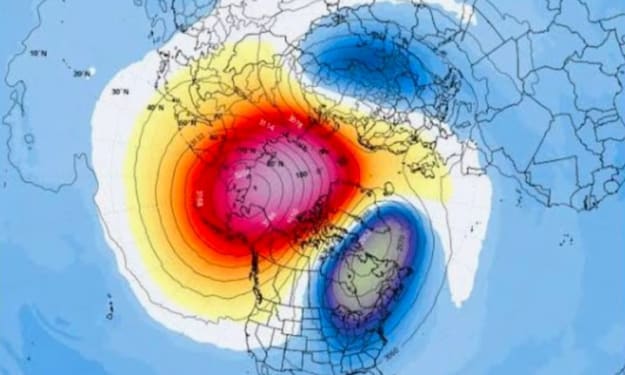
Polar Vortex Collapse Forecast: What It Really Means and Why Experts Are Watching Closely. AI-Generated.
As winter settles in, a term that always seems to capture the attention of meteorologists and the public alike is the "polar vortex." And when experts talk about a polar vortex collapse, it's not just another weather pattern to be dismissed. In fact, the forecast of a potential collapse of the polar vortex is a serious matter that can have significant consequences on weather around the globe. But what exactly does this phenomenon mean, and why are so many experts paying close attention? Let’s break it down.
By Ayesha Lashari6 days ago in Earth