
Platypus (Ornithorhynchus anatinus): The Unique Egg-Laying Mammal from Australia
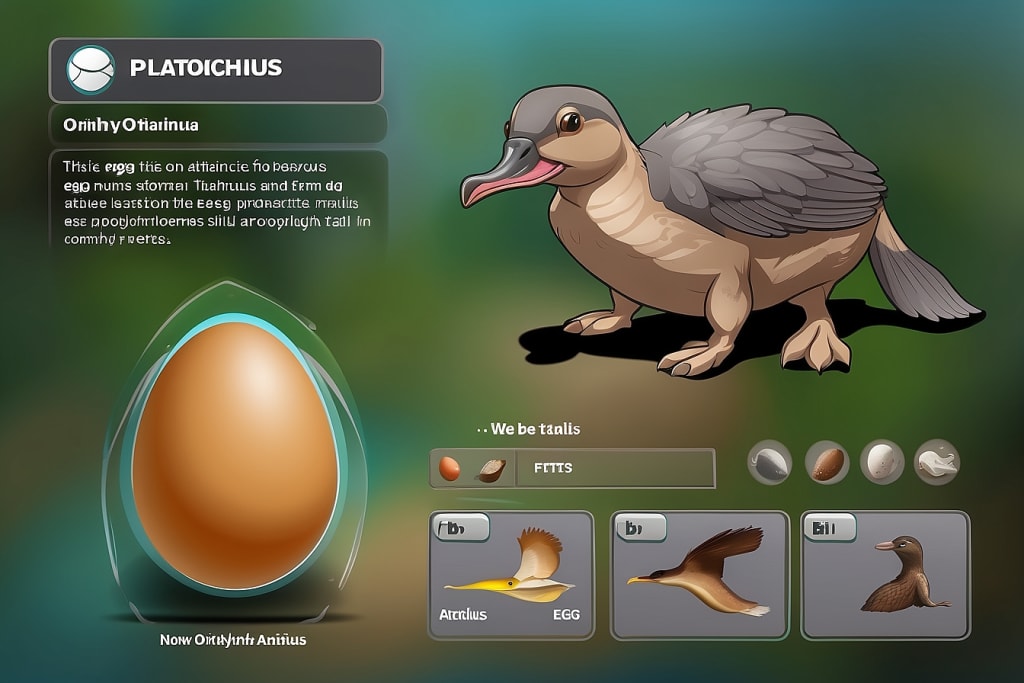
Ornithorhynchus anatinus

Description:
Discover the fascinating world of the platypus (Ornithorhynchus anatinus), an egg-laying mammal from Australia with a duck-bill, webbed feet, and a beaver-like tail. Learn about its unique characteristics, habitat, and conservation.
Introduction
The platypus (Ornithorhynchus anatinus) is one of the most intriguing creatures on Earth. With its unique combination of features—a duck-bill, webbed feet, and a beaver-like tail—it stands out as a remarkable example of evolutionary diversity. Native to Australia, the platypus is a monotreme, meaning it is one of the few mammals that lay eggs. This article delves into the various aspects of the platypus, exploring its biology, habitat, behavior, and the conservation efforts aimed at protecting this extraordinary species.
Heading; Sub-Topics
Introduction; Overview of the platypus
What is a Platypus? Description and classification
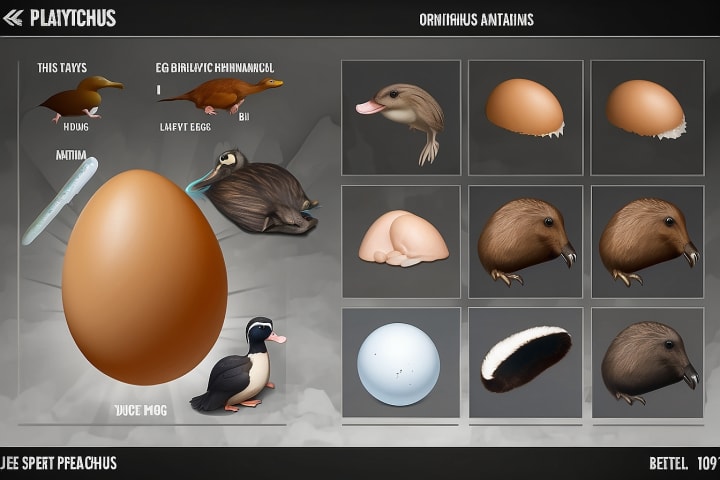
Physical Characteristics; Duck-bill, webbed feet, beaver-like tail
Unique Adaptations; Electrolocation, venom
Habitat and Distribution Australian regions, freshwater ecosystems
Diet and Feeding Habits; Carnivorous diet, hunting techniques
Reproduction and Life Cycle; Egg-laying process, development stages
Behavior and Social Structure; Solitary nature, territorial behavior
Evolutionary History Fossil records, evolutionary relatives
Platypus in Culture and Mythology; Cultural significance, myths
Threats and Conservation Status; Predators, human impact
Conservation Efforts Protection measures, research initiatives
Interesting Facts; Lesser-known facts about the platypus
How to Spot a Platypus in the Wild; Tips for wildlife enthusiasts
Comparison with Other Monotremes; Echidna comparison
The Role of Platypuses in the Ecosystem; Ecological importance
Research and Studies; Scientific research on platypuses
Platypus in Zoos and Sanctuaries; Captivity and breeding programs
Future of Platypuses; Conservation challenges and opportunities
Frequently Asked Questions; Common queries about platypuses
Conclusion Summary of key points
What is a Platypus?
The platypus is a semi-aquatic mammal native to eastern Australia, including Tasmania. It belongs to the family Ornithorhynchidae and the order Monotremata, which includes egg-laying mammals. The scientific name, Ornithorhynchus anatinus, reflects its bird-like snout (ornitho means bird, and rhynchus means snout) and duck-like appearance (anatinus means duck-like).
Physical Characteristics
The platypus is easily recognizable by its distinctive physical features:
Duck-Bill: The broad, flat bill resembles that of a duck and is equipped with sensitive electroreceptors.
Webbed Feet: The front feet are webbed for swimming, while the webbing on the back feet can retract, allowing for more effective digging.
Beaver-Like Tail: The tail is flat and broad, used for storing fat and aiding in swimming.
Unique Adaptations
The platypus possesses several unique adaptations that help it thrive in its environment:
Electrolocation: The bill contains electroreceptors that detect electrical signals from prey, making it an effective hunter in murky waters.
Venom: Males have a spur on their hind legs that can deliver venom, primarily used in territorial disputes.
Habitat and Distribution
Platypuses are found in freshwater rivers, streams, and lakes across eastern Australia and Tasmania. They prefer clean, unpolluted water bodies with abundant vegetation and undergrowth along the banks.
Diet and Feeding Habits
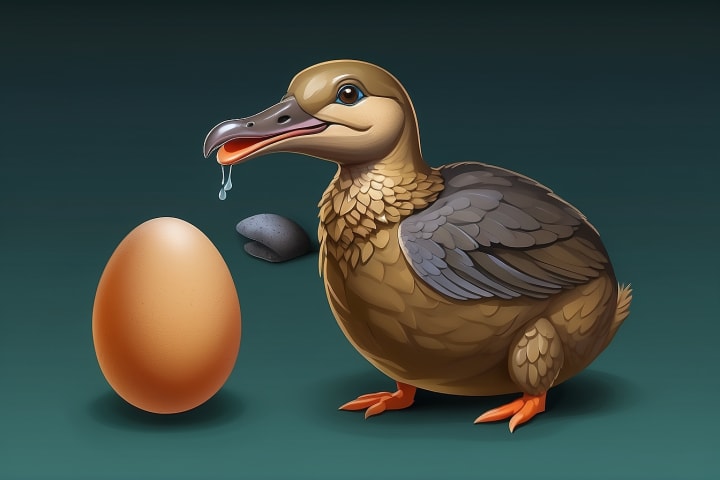
The platypus is carnivorous, feeding on aquatic invertebrates such as insect larvae, worms, and freshwater shrimp. It uses its bill to forage in the mud and silt, storing food in cheek pouches before surfacing to eat.
Reproduction and Life Cycle
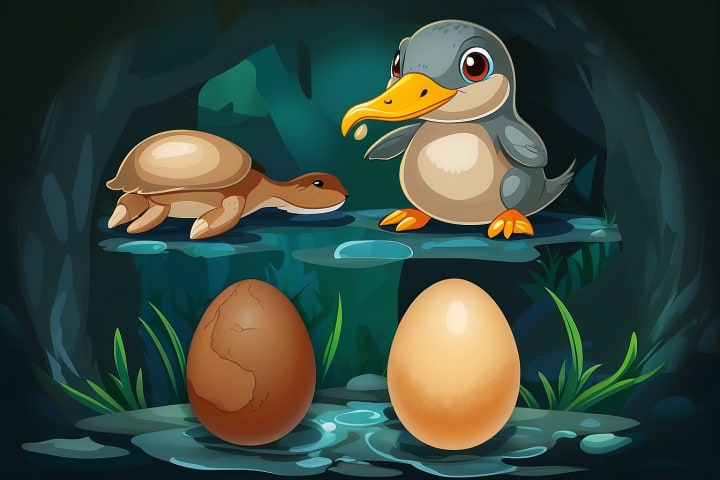
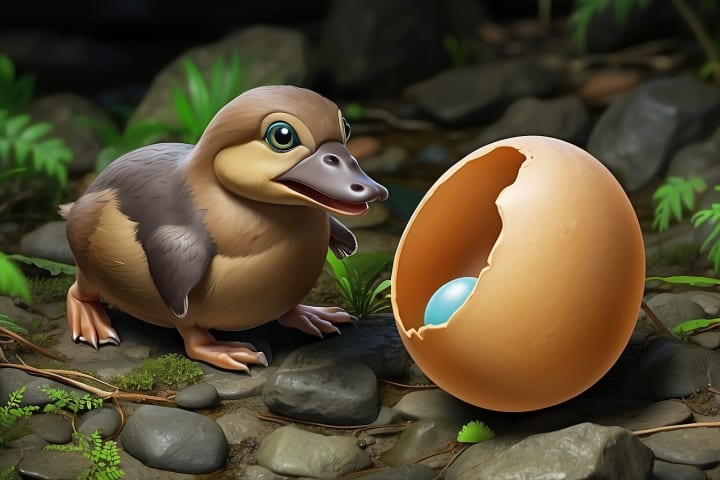
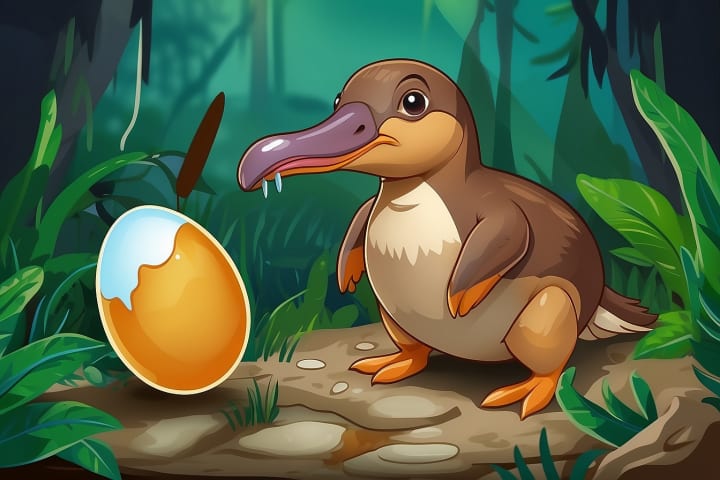
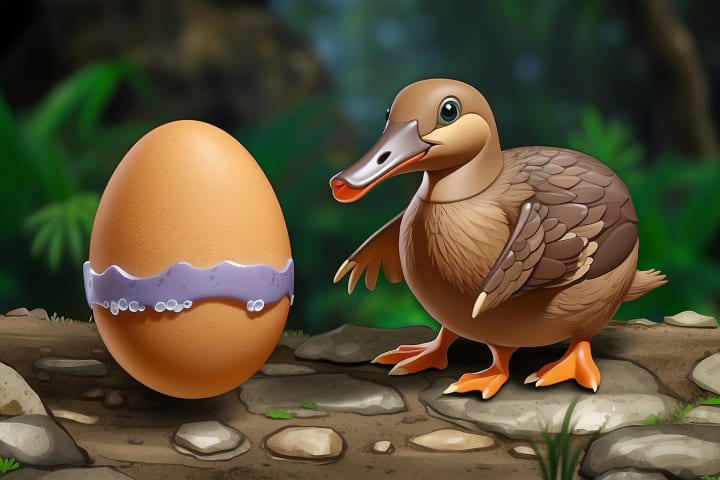
Platypuses are unique among mammals in their reproductive process. Females lay 1-3 eggs, which they incubate by curling around them. The eggs hatch after about ten days, and the mother nurses the young by secreting milk through specialized mammary gland ducts, as they lack nipples.
Behavior and Social Structure
Platypuses are solitary animals, coming together only to mate. They are primarily nocturnal, spending most of their time in the water or resting in burrows dug into the banks of rivers and streams.
Evolutionary History
The platypus has a rich evolutionary history, with fossil records dating back around 110 million years. Its closest relatives are the echidnas, and together they form the monotreme group, distinct from other mammalian lineages.
Platypus in Culture and Mythology
The platypus has captured the imagination of people worldwide, appearing in various myths and cultural stories. Indigenous Australian cultures have long revered the platypus, incorporating it into their folklore and spiritual beliefs.
Threats and Conservation Status
Platypuses face several threats, including habitat destruction, water pollution, and climate change. Predators such as foxes, birds of prey, and introduced species also pose significant risks.
Conservation Efforts
Conservation efforts for the platypus include habitat protection, pollution control, and research initiatives aimed at understanding their ecology and behavior. Several organizations work to ensure the survival of this unique species.
Interesting Facts
Platypuses close their eyes, ears, and nostrils while underwater.
They can remain submerged for up to two minutes.
The platypus genome has been sequenced, revealing its unique genetic makeup.
How to Spot a Platypus in the Wild
To spot a platypus in the wild, visit freshwater streams and rivers during dawn or dusk when they are most active. Look for ripples in the water and listen for the sound of their foraging.
Comparison with Other Monotremes
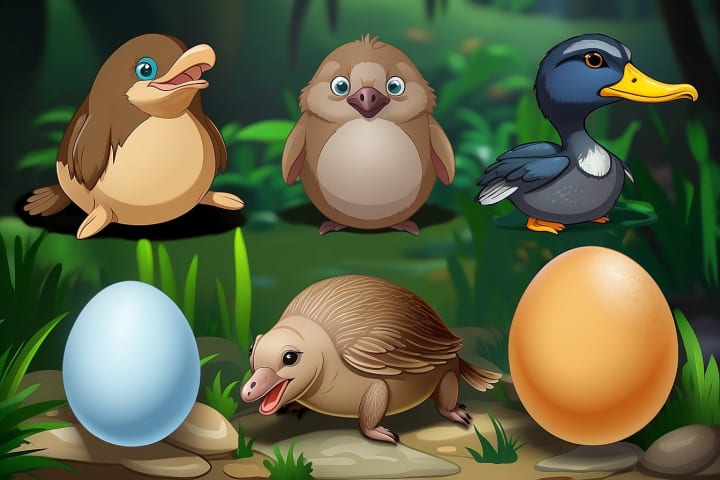
Unlike the platypus, echidnas are primarily terrestrial and lack the aquatic adaptations of their monotreme cousin. Both species lay eggs and share similar reproductive traits.
The Role of Platypuses in the Ecosystem
Platypuses play a crucial role in their ecosystems by controlling insect populations and serving as indicators of water quality and ecosystem health.
Research and Studies
Ongoing research on platypuses focuses on their unique physiology, behavior, and the impacts of environmental changes on their populations. Studies also aim to uncover more about their venom and genetic diversity.
Platypus in Zoos and Sanctuaries
Platypuses are housed in several zoos and sanctuaries, where they serve as ambassadors for conservation. These institutions provide opportunities for public education and scientific research.
Future of Platypuses
The future of platypuses depends on continued conservation efforts and addressing threats such as habitat loss and climate change. Collaborative initiatives between governments, researchers, and conservation organizations are vital for their survival.
Frequently Asked Questions
What makes the platypus unique among mammals?
The platypus is unique due to its combination of reptilian and mammalian traits, such as laying eggs, having a duck-bill, and producing venom.
Where can you find platypuses in the wild?
Platypuses are found in freshwater rivers and streams across eastern Australia and Tasmania.
How do platypuses hunt for food?
Platypuses hunt using electrolocation, detecting electrical signals from prey with their bill.
What do platypuses eat?
Platypuses primarily eat aquatic invertebrates like insect larvae, worms, and freshwater shrimp.
Are platypuses endangered?
While not currently endangered, platypuses face threats from habitat destruction, pollution, and climate change.
How do platypuses reproduce?
Female platypuses lay eggs and incubate them in burrows. The young are nursed with milk secreted through the mother's mammary gland ducts.
Conclusion
The platypus is an extraordinary creature that continues to captivate scientists and the public alike. Its unique adaptations and evolutionary history make it a fascinating subject of study and conservation. By understanding and protecting the platypus, we can ensure that this remarkable species continues to thrive in its natural habitat for generations to come.
About the Creator
KingFree MaN
Our purpose is to serve others. We strive to understand their needs, identify what they seek and streamline the journey to help them reach their goals. By removing obstacles and creating clear paths we work to make their experience smoother
Keep reading
More stories from KingFree MaN and writers in Earth and other communities.
''The Incredible Mantis Shrimp: Exploring the Vibrant Colors and Powerful Claws of the Marine Marvel''
Description: Discover the fascinating world of the mantis shrimp, known for its vibrant colors and powerful claws. Learn about its unique abilities, habitat, and significance in marine ecosystems
By KingFree MaN2 years ago in Earth




Comments
There are no comments for this story
Be the first to respond and start the conversation.