
Scientists Worry About Lasting Damage from Potomac Sewage Spill
Environmental experts warn that contamination could threaten wildlife, drinking water, and long-term river health
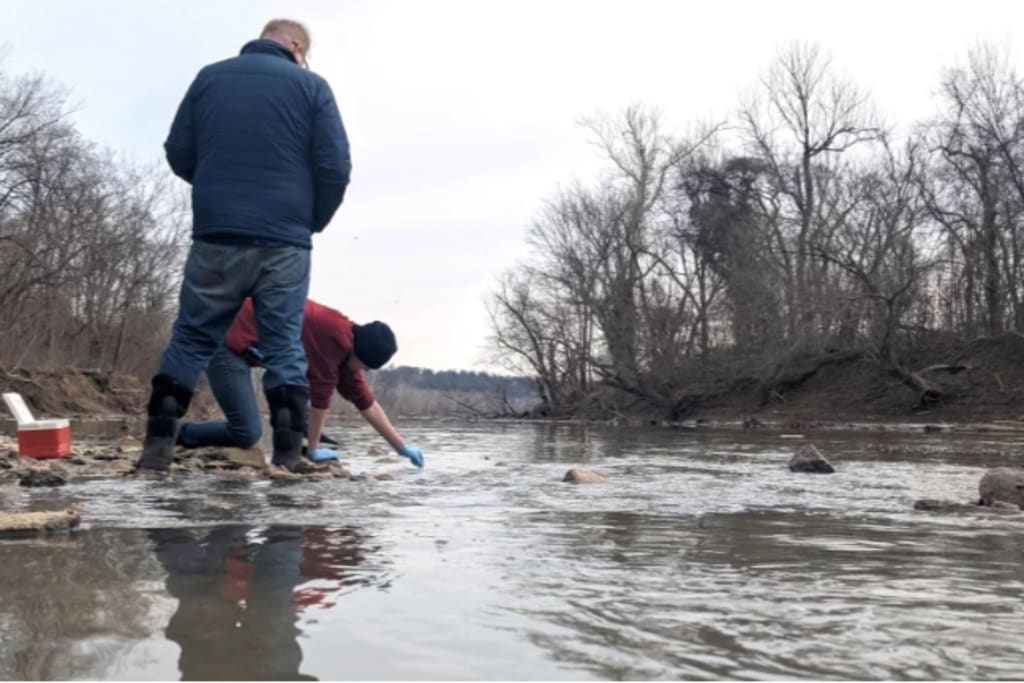
When news broke of a major sewage spill into the Potomac River, many residents were understandably alarmed. The river is more than just a scenic backdrop to the nation’s capital — it’s a critical source of drinking water, a hub for recreation, and a lifeline for diverse wildlife.
While officials moved quickly to contain the immediate contamination, scientists are increasingly concerned about what may lie beneath the surface — and what could linger long after the headlines fade.
What We Know So Far
Preliminary reports indicate that the spill resulted from a malfunction or overflow at a wastewater treatment facility, possibly exacerbated by heavy rainfall. Millions of gallons of untreated or partially treated sewage entered the river, prompting health advisories and temporary restrictions on recreational activities.
At first glance, sewage spills may seem like short-term environmental incidents. Bacteria levels spike, advisories are issued, cleanup begins, and life moves on. But experts caution that the story doesn’t end there.
Sewage is a complex mixture of contaminants, including harmful bacteria like E. coli, viruses, nitrogen and phosphorus nutrients, and trace chemicals from household and industrial waste. Some of these pollutants dissipate relatively quickly. Others do not.
The Hidden Threat Beneath the Surface
One of the biggest concerns is nutrient pollution. Excess nitrogen and phosphorus can fuel algal blooms — rapid growth of algae that block sunlight and deplete oxygen in the water. When oxygen levels drop too low, fish and other aquatic organisms struggle to survive.
The Potomac River eventually flows into the Chesapeake Bay, an ecosystem that has battled nutrient pollution for decades. Significant investments and restoration efforts have improved conditions in recent years. A large sewage spill could undermine some of that hard-earned progress.
Beyond nutrients, scientists are also watching for heavy metals and persistent chemicals that can bind to sediments. These contaminants may settle on the riverbed, remaining for years and entering the food chain through bottom-dwelling organisms. Over time, they can accumulate in fish and other wildlife, posing risks to predators — including humans.
Drinking Water Concerns
For millions in the Washington metropolitan area, the Potomac is a primary drinking water source. Water treatment plants are designed to remove bacteria and many contaminants, and officials have reassured the public that tap water remains safe.
Still, environmental researchers note that sudden pollution spikes can strain treatment systems. Prevention, they argue, is far more effective than relying solely on emergency response.
The incident has renewed calls to modernize aging infrastructure and strengthen oversight of wastewater systems. Many facilities across the country were built decades ago and face increasing stress from urban growth and climate change.
Climate Change and Aging Systems
Climate scientists have repeatedly warned that extreme rainfall events are becoming more frequent and intense. Heavy downpours can overwhelm sewer systems, especially in areas with combined sewer networks that carry both stormwater and sewage in the same pipes.
When capacity is exceeded, untreated waste can overflow directly into rivers.
In the Potomac watershed — home to dense urban centers and expanding suburbs — infrastructure upgrades have not always kept pace with development. Without sustained investment, experts fear that spills like this could become more common.
“It’s not just about one malfunction,” one watershed specialist explained. “It’s about whether our systems are built for the realities of today’s climate.”
Impact on Wildlife
The Potomac supports a remarkable array of wildlife, from migratory birds to freshwater mussels and popular sport fish like bass and shad. Many of these species are sensitive to water quality changes.
Elevated bacteria levels can disrupt spawning grounds. Nutrient overload can alter aquatic plant communities that provide shelter and food. In severe cases, oxygen depletion may trigger fish kills.
Even if no dramatic die-offs occur, subtle ecological shifts can weaken the river’s resilience over time. Sensitive species may decline, while more tolerant — sometimes invasive — species take hold.
Scientists emphasize that careful monitoring in the coming weeks and months will be critical. Water sampling, sediment analysis, and wildlife surveys will help determine the full scope of the damage.
Community and Economic Effects
Beyond environmental concerns, the spill carries economic implications. The Potomac is central to boating, fishing, tourism, and waterfront businesses. Temporary advisories and public perception of pollution can affect local livelihoods.
For communities that have worked for decades to restore the river’s health, the spill is a sobering reminder of how fragile environmental progress can be.
The Potomac has come a long way since the pollution crises of the mid-20th century. Stronger environmental regulations and regional cooperation have led to cleaner water and revived habitats. But incidents like this show that recovery is an ongoing process — not a permanent achievement.
Looking Ahead
Scientists agree that swift cleanup is only the beginning. A thorough investigation into the cause of the spill is essential. Was it equipment failure? Insufficient capacity? Maintenance oversight? Or a combination of factors amplified by extreme weather?
Long-term solutions may include expanding green infrastructure — such as rain gardens and permeable pavements — to reduce stormwater runoff. Restoring wetlands along the river can also help filter pollutants naturally.
Ultimately, protecting the Potomac requires coordinated action across state lines and sectors. It demands investment in resilient infrastructure, enforcement of environmental standards, and public awareness of how everyday actions contribute to water quality.
The sewage spill may fade from public attention in the weeks ahead. But for scientists studying the river, the work is just beginning. The true measure of the damage will unfold slowly — in sediment layers, fish populations, and water chemistry reports.
The Potomac has endured challenges before. Whether it emerges from this latest one stronger or more vulnerable depends on what happens next.
About the Creator
Where there's Art there's Heart
Here's a stupid thing: I adore art, but I start to panic whenever I step into a gallery. In the one place I should be at my contented best - surrounded by walls teeming with creative expression - I fall apart. What ought to be an enriching experience, tacitly designed to facilitate the exploration of human empathy and perspective, is for me an overwhelming purgatory of anxiety that compresses me to the point I cannot breathe. At the same time, I experience a sense of extraction, as though my head is being prized open to create a hole so big my sanity could evaporate. Somewhere between these two opposing forces of vice and vortex, I feel myself dissolving in a stream of panic that makes me want to cry; and I feel so daft feeling this way, that all I want to do is run for the hills.
By Caroline Jane4 days ago in Humans




Comments
There are no comments for this story
Be the first to respond and start the conversation.