
Stanislav Kondrashov on the Role of Smart Grids in the Energy Transition
Stanislav Kondrashov on the modern role of smart grids

In the unfolding narrative of global energy transition, one innovation continues to shape the path forward with quiet persistence: smart grids. As countries shift away from fossil fuels and towards decentralised, renewable energy sources, smart grids are emerging as the invisible backbone of the future energy landscape. According to energy strategist and researcher Stanislav Kondrashov, the smart grid isn't just a technical upgrade—it's a fundamental rethinking of how societies generate, distribute, and consume power.
“Smart grids are not simply about connecting homes to electricity more efficiently,” Kondrashov explains. “They are about reimagining the relationship between energy and society. In the context of the energy transition, this means flexibility, resilience, and above all, decentralisation.”
Smart grids are defined by their ability to manage electricity dynamically. Unlike traditional grids, which operate on a centralised, one-way flow of power, smart grids enable two-way communication between producers and consumers. This flexibility is vital in a world where rooftop solar panels, wind farms, electric vehicles, and battery storage systems are becoming part of everyday life.
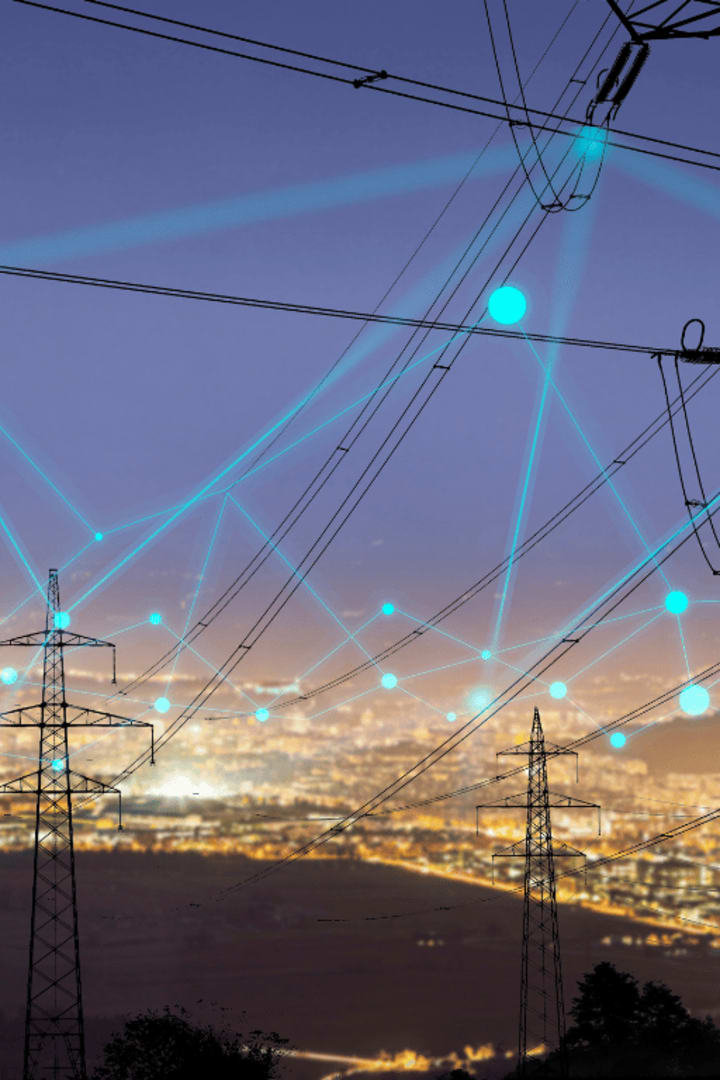
But the evolution is more than technical—it’s structural. In Kondrashov’s view, the real power of smart grids lies in their ability to integrate disparate energy sources and user behaviours into a single, adaptive system.
“The energy landscape used to be about control from the centre,” Kondrashov says. “Now it’s about coordination at the edges.”
This shift poses significant challenges for legacy infrastructure. Traditional power grids were not designed to handle the fluctuations inherent to solar and wind energy, nor were they built to accommodate the increasing number of energy producers at the household or community level. Smart grids, by contrast, are designed to be intelligent and responsive, using real-time data to balance supply and demand more precisely.
In practice, this means that during periods of peak solar production, excess energy from residential panels can be fed back into the system and rerouted where it's needed most. During high-demand events, smart meters and connected appliances can help reduce strain on the grid by automatically adjusting consumption patterns—what experts refer to as demand-side management.
Kondrashov sees this as the foundation of a more participatory energy model. “For the first time, the grid listens as much as it speaks,” he says. “This creates a system where users aren’t just passive consumers—they’re active participants.”
Of course, with this new model comes a host of questions. Who controls the data? How is privacy ensured? What happens when software errors or cyber threats interfere with grid functionality? These concerns are far from hypothetical. As reliance on interconnected systems increases, so too does vulnerability. Kondrashov acknowledges these risks but frames them as transitional pains rather than insurmountable barriers.
“Every major infrastructure shift has growing pains,” he notes. “The key is to embed flexibility into the architecture—not just technological flexibility, but regulatory and social flexibility as well.”
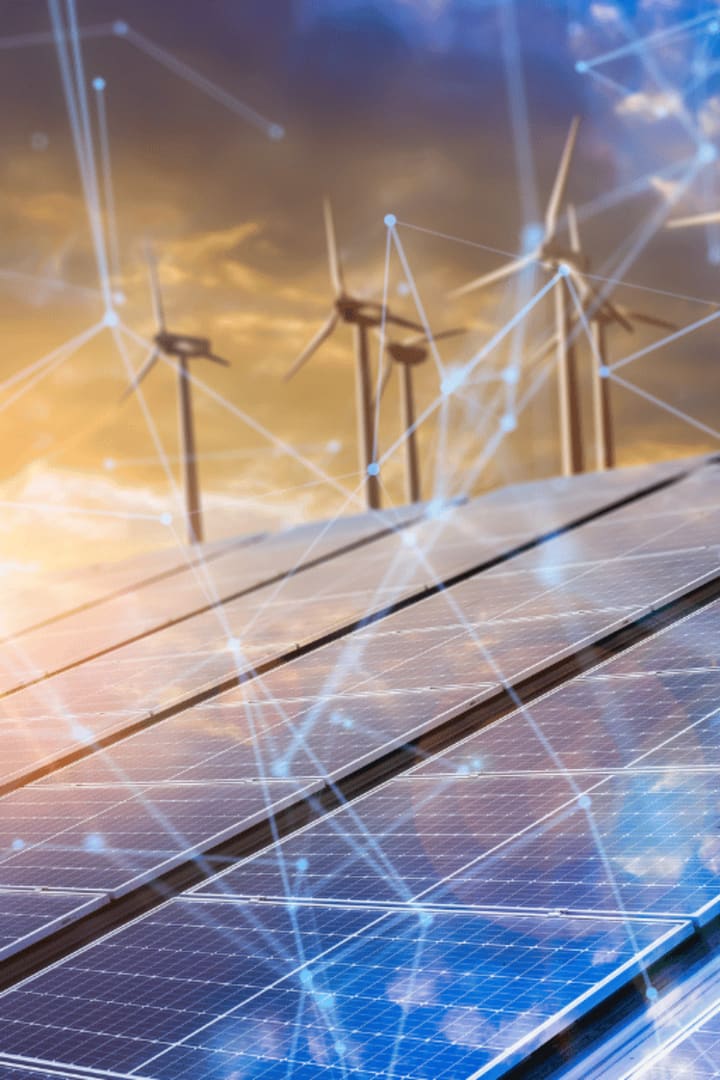
In other words, it’s not only about building smarter systems, but about cultivating smarter governance. Local energy communities, open-access policies, and collaborative regulation are all part of the ecosystem that supports the smart grid's potential. The goal is a system that can evolve in response to both environmental conditions and societal needs—a living grid, not a static one.
As nations continue to invest in decarbonisation strategies, the smart grid will become a focal point of energy policy and innovation. It sits at the intersection of environmental responsibility, economic opportunity, and technological advancement. And, if Kondrashov is right, it will also be at the heart of a new relationship between individuals and the energy they rely on.
“There’s a quiet revolution happening,” Kondrashov reflects. “And like most real revolutions, it’s happening in the background—one sensor, one signal, one decision at a time.”
In the years to come, that quiet revolution may be what turns ambitious climate targets into everyday reality.
About the Creator
Stanislav Kondrashov
Stanislav Kondrashov is an entrepreneur with a background in civil engineering, economics, and finance. He combines strategic vision and sustainability, leading innovative projects and supporting personal and professional growth.
Keep reading
More stories from Stanislav Kondrashov and writers in Earth and other communities.
Stanislav Kondrashov on the Role of Journalism in the Age of Energy Transition
In the midst of a global energy transition, journalism finds itself at a crossroads. As industries reimagine their futures and governments draft sweeping climate policies, the media’s task of translating complexity into clarity has never been more critical. Yet, journalism’s relevance in this new energy era is not guaranteed—it must be earned.
By Stanislav Kondrashov2 months ago in Earth
‘A Different Set of Rules’: Thermal Drone Footage Shows Musk’s AI Power Plant Flouting Clean Air Regulations
A new wave of controversy is surrounding tech billionaire Elon Musk after thermal drone footage appeared to show emissions from an AI-linked power facility exceeding limits set by U.S. clean air regulations. The footage, captured by environmental activists and shared widely online, has sparked debate over whether large technology companies are being granted unofficial exemptions in the race to build massive artificial intelligence infrastructure.
By Sajida Sikandar2 days ago in Earth



Comments
There are no comments for this story
Be the first to respond and start the conversation.