
The Heavy Toll of Corporate Pollution
A Debt We're Leaving for Future Generations

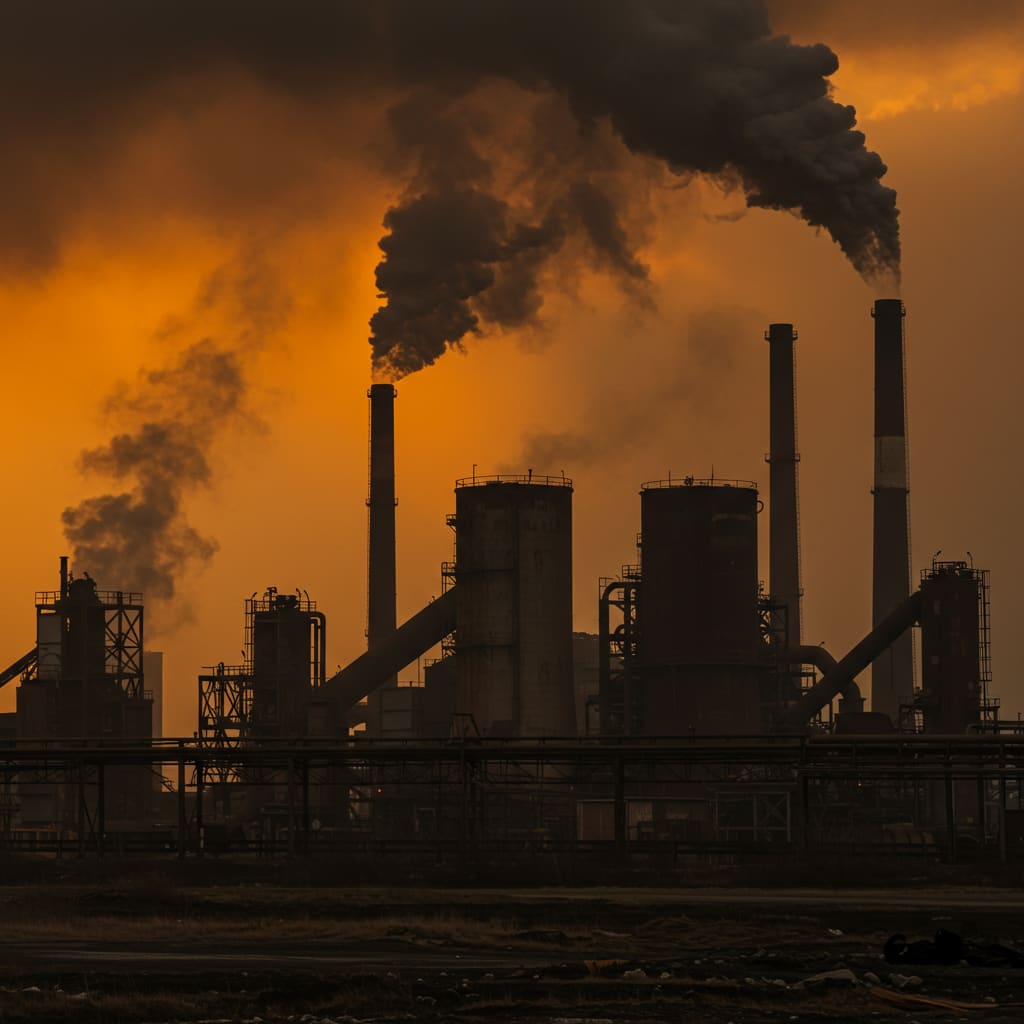
A stark reality confronts us: surprisingly, a few corporate giants are responsible for a disproportionately large share of global pollution, leaving a devastating legacy for our planet and future inhabitants. Recent data, including insights from the Carbon Majors Project, reveals a troubling concentration of environmental damage.
The image accompanying this discussion highlights a critical finding: half of the world's carbon dioxide emissions in 2023 came from just 36 companies, predominantly in the coal, cement, and oil and gas sectors.
These are not faceless industries; they include some of the world's largest corporations. For instance, if Saudi Aramco were a country, its emissions would rank it as the fourth-largest polluter globally. Furthermore, a mere five publicly traded oil companies—ExxonMobil, Chevron, Shell, TotalEnergies, and BP—collectively accounted for 5% of global carbon dioxide emissions from fossil fuels. Beyond these investor-owned giants, state-owned enterprises like Gazprom and Coal India also feature prominently among the top polluters. Astonishingly, reports indicate that as few as 57 companies have been linked to 80% of the world's CO2 emissions in recent years.
The relentless pursuit of profit by these major polluters has cast a long and ominous shadow over our planet, with far-reaching consequences for climate change, environmental integrity, and human well-being.
The Devastating Domino Effect: Climate Change and Environmental Degradation
The primary output of these polluting giants is an overwhelming deluge of greenhouse gases, the principal driver of climate change. The carbon dioxide and methane released from burning fossil fuels (coal, oil, and gas) and industrial processes like cement production trap heat in the atmosphere, leading to:
Rising Global Temperatures: Fueling more frequent and intense heatwaves.
Extreme Weather Events: Causing devastating hurricanes, droughts, floods, and wildfires.
Sea Level Rise: Threatening coastal communities and ecosystems.
Ocean Acidification: Endangering marine life and disrupting food chains.
Beyond the overarching crisis of climate change, the operations of these companies inflict direct and severe environmental damage:
Air Pollution
The combustion of fossil fuels and industrial activities release harmful pollutants like sulfur dioxide (SO2), nitrogen oxides (NOx), particulate matter (PM2.5), and volatile organic compounds (VOCs). These contribute to smog, acid rain, and respiratory diseases. The cement industry is a major source of NOx, SO2, and particulate matter, while the coal industry is notorious for releasing SO2, NOx, and heavy metals.
Water Pollution
Industrial discharge, oil spills, chemical leaching from mining, and runoff from operations contaminate rivers, lakes, groundwater, and oceans. Toxic substances, heavy metals (like mercury and lead), microplastics, and excess nutrients degrade water quality, making it unsafe for human consumption and harming aquatic ecosystems. This can lead to harmful algal blooms and "dead zones" where aquatic life cannot survive.
Land Degradation and Contamination
Mining activities (especially for coal), drilling operations, and improper waste disposal lead to soil erosion, contamination with hazardous materials, and habitat destruction. This renders land unusable for agriculture and other purposes.
Deforestation and Habitat Loss
Expansion of mining operations, pipeline construction, and related infrastructure often leads to clearing vast tracts of forests and other critical habitats, directly impacting biodiversity.
The Human Cost: Health Under Siege
The environmental toll translates directly into severe human health impacts. Communities living near industrial polluters, often marginalized and low-income, bear the brunt of these effects:
Respiratory Illnesses: Exposure to air pollutants like particulate matter and ozone exacerbates asthma, bronchitis, and emphysema, and increases the risk of lung cancer.
Cardiovascular Diseases: Air pollution is linked to an increased risk of heart attacks, strokes, and other heart conditions.
Cancers: Exposure to industrial toxins such as benzene (released in oil and gas operations) and heavy metals is associated with various cancers.
Neurological and Developmental Disorders: Certain pollutants can affect brain development in children and contribute to neurological problems.
Skin and Eye Irritations: Direct contact with or exposure to certain industrial emissions and effluents can cause severe irritation.
Other Health Issues: Contaminated water can lead to gastrointestinal illnesses, poisoning, and long-term chronic diseases. Noise pollution from industrial activities can also cause hearing loss, stress, and sleep disorders.
The pollution and habitat destruction orchestrated by these corporate activities are pushing countless species towards extinction and crippling our ability to produce food.
Impact on Biodiversity
Habitat Destruction: As mentioned, the physical footprint of mining, drilling, and infrastructure development wipes out critical habitats.
Pollution: Chemical pollutants in water and soil poison wildlife, disrupt reproductive cycles, and contaminate food chains. Acid rain damages forests and aquatic ecosystems.
Climate Change: Shifting climate patterns force species to migrate (if they can), disrupt breeding and feeding habits, and lead to widespread die-offs (e.g., coral bleaching). Species extinction rates are now estimated to be 1,000 times the natural background rate, with industrial activities cited as a primary driver.
Impact on Agriculture
Soil Contamination: Heavy metals and other pollutants from industrial emissions and waste can accumulate in agricultural soils, reducing fertility and contaminating crops.
Water Scarcity and Contamination: Pollution of irrigation water sources can damage crops, reduce yields, and introduce toxins into the food chain. For example, industrial effluents with heavy metals, abnormal pH, or high salinity can stunt plant growth and affect nutrient uptake in crops like rice.
Air Pollution Damage: Ground-level ozone and acid rain can directly damage plant tissues, reduce photosynthesis, and lower crop yields.
Impact on Pollinators: Air pollution can interfere with the ability of insects to find flowers, and pesticide use (often linked to large-scale agriculture supplying global markets, sometimes intertwined with fossil fuel-derived inputs) decimates pollinator populations crucial for food production.
Climate Change Impacts: Droughts, floods, and changing temperature patterns induced by climate change (fueled by corporate emissions) are already severely impacting agricultural productivity globally, threatening food security.
Water Contamination and Depletion of Natural Resources
Water, the essence of life, is particularly vulnerable. Industrial operations consume vast quantities and often return it to the environment laden with toxins. Rivers, lakes, and groundwater sources are frequently contaminated with a mix of industrial chemicals, heavy metals, pharmaceuticals, and microplastics, rendering them unsuitable for drinking, irrigation, or supporting healthy ecosystems. Legacy contaminants like PCBs and DDT, though banned, persist in water bodies due to past industrial discharge.
Debt for Future Generations
The most profound and tragic consequence of this large-scale corporate pollution is the burden it places on future generations. They will inherit a planet severely diminished, facing:
They will face the full, intensified impacts of climate change – more extreme weather, greater food and water insecurity, and mass displacement.
A world with less biodiversity, depleted natural resources, and broken ecological cycles, diminishing nature's ability to provide essential services.
The financial burden of mitigating climate change, adapting to its impacts, cleaning up contaminated sites, managing health crises, and dealing with resource scarcity will be astronomical. Estimates for cleaning up industrial air pollution alone run into hundreds of billions of euros annually in regions like Europe. These are "hidden costs" that societies ultimately pay.
Competition for dwindling resources like clean water and fertile land, exacerbated by climate change, is likely to increase social unrest and conflict.
The actions of a relatively small number of major polluting companies are not just affecting the environment today; they are actively shaping a more hazardous and impoverished world for our children and grandchildren. Addressing this requires urgent and systemic change: holding these corporate polluters accountable, demanding transparency, transitioning rapidly to renewable energy, implementing circular economies, and enforcing robust environmental regulations.
The cost of inaction is a price future generations cannot, and should not, have to bear.
About the Creator
KURIOUSK
I share real-life experiences and the latest developments. Curious to know how technology shapes our lives? Follow, like, comment, share, and use stories for free. Get in touch: [email protected]. Support my work: KURIOUSK.


Comments
There are no comments for this story
Be the first to respond and start the conversation.