
The Mystique of Islands: Why We're Drawn to Them
Mystique of Island
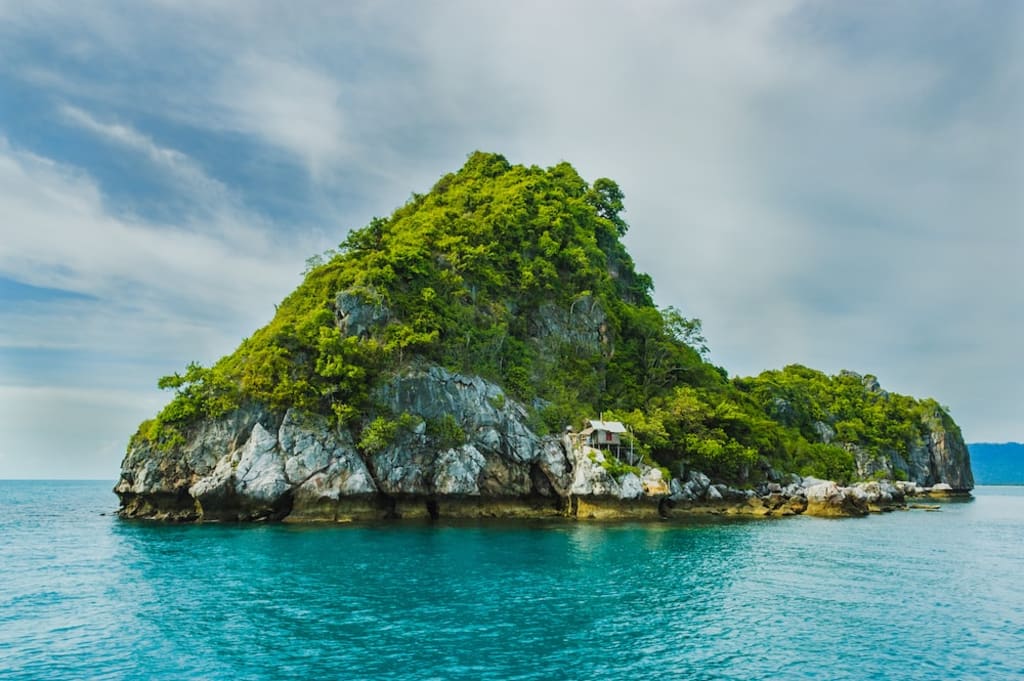
Islands have a certain allure that captures our imagination and draws us in. They are surrounded by water, creating a sense of isolation and a feeling of being cut off from the rest of the world. Despite their isolation, islands have long been places of mystery and fascination for people all over the globe. From the stunning landscapes to the unique cultures and history, there are many reasons why we are drawn to these enigmatic landmasses.
One of the primary reasons we are attracted to islands is the sense of adventure they offer. Many islands are difficult to access and require a journey by boat or plane, adding to the excitement of exploring a new place. The very act of traveling to an island creates a sense of anticipation and excitement, making the destination all the more special.
Islands are also associated with natural beauty and stunning landscapes. From the rugged cliffs of Hawaii to the white sand beaches of the Maldives, islands are known for their breathtaking scenery. The unique geography of islands often results in a variety of microclimates, making for a diverse range of flora and fauna. Visitors can find everything from lush rainforests to barren deserts on different islands around the world.
Beyond the natural beauty, islands are also rich in history and culture. Many islands have a unique and fascinating past that has contributed to their current identity. From the ancient ruins of Greece to the colonial architecture of the Caribbean, islands offer a glimpse into different periods of human history. The local culture and traditions of island communities are also often distinct from those on the mainland, adding to the sense of exoticism and mystery.
Perhaps one of the most alluring aspects of islands is the opportunity for escape and relaxation they provide. Many islands have a laid-back and slow-paced lifestyle, making them the perfect place to unwind and disconnect from the stresses of daily life. Whether it's lounging on a beach, exploring a local market, or enjoying a meal with a view, islands offer a unique opportunity to recharge and rejuvenate.
Despite the many reasons why we are drawn to islands, there are also darker elements at play. For some, islands represent a form of escapism from the realities of the world. The isolation and sense of detachment can be appealing for those looking to disconnect from society and its problems. However, this same isolation can also lead to feelings of loneliness and isolation, particularly for those who live on smaller, more remote islands.
Additionally, the influx of tourism and development on many islands has led to negative consequences for the environment and local communities. The pressure to cater to the needs of visitors can result in overdevelopment, pollution, and the exploitation of natural resources. This can have a detrimental impact on the very things that make islands so attractive in the first place.
Despite the challenges, the mystique of islands continues to captivate us. From the natural beauty to the unique cultures and history, islands offer a sense of adventure and escape that is hard to replicate elsewhere. Whether we are seeking a peaceful retreat or an exciting new adventure, islands provide a window into a world that is both fascinating and alluring.
In addition to the allure of adventure, beauty, and history, islands also hold a special place in our hearts due to their connection to the ocean. The ocean has long held a special place in human history and culture, and islands are a physical embodiment of that connection. They are surrounded by water, and the rhythms of the ocean influence daily life on many islands. The ocean also plays a critical role in the ecosystem of islands, providing food and livelihoods for local communities.
Furthermore, islands have been the setting for some of the most significant events in human history. Many islands played a critical role in world wars, serving as military bases and strategic locations. For example, the Hawaiian island of Oahu was the site of the attack on Pearl Harbor, a pivotal moment in World War II. Similarly, the Falkland Islands were the site of a significant conflict between Argentina and the United Kingdom in 1982.
Despite their popularity, islands are not without their challenges. The isolation and limited resources on many islands can make them vulnerable to external threats. Climate change and rising sea levels are a particular concern for low-lying islands, many of which are at risk of disappearing altogether. The recent hurricanes that devastated the Caribbean islands highlight the fragility of island communities and the importance of conservation efforts.
In conclusion, the mystique of islands is undeniable. From the stunning landscapes to the unique cultures and history, islands hold a special place in our hearts and imaginations. They offer a sense of adventure, beauty, and escape that is hard to replicate elsewhere. However, it is essential to recognize the challenges facing island communities and ecosystems and work towards sustainable and responsible tourism practices. By doing so, we can ensure that these enigmatic landmasses continue to captivate and inspire us for generations to come.
About the Creator
Johnson Smith
As an article writer, you have a keen eye for detail and a dedication to accuracy and fairness. You are always willing to do the necessary research and fact-checking to ensure that your work is informative and trustworthy.
Keep reading
More stories from Johnson Smith and writers in Earth and other communities.
The Fascinating Geology and Formation of Islands Around the World
Islands are some of the most fascinating and unique features on our planet. From the tropical paradises of the Pacific to the rugged and windswept outcrops of the North Atlantic, islands come in all shapes and sizes and are home to a wide variety of plant and animal species. But what exactly causes islands to form, and what makes them so different from the surrounding ocean?
By Johnson Smith3 years ago in Earth




Comments
There are no comments for this story
Be the first to respond and start the conversation.