
The Technical Rise of Naphtha Recovery from Plastic Waste
How Pyrolysis and Advanced Refining are Turning Non-Recyclable Plastics into a Valuable Petrochemical Commodity

For decades, the global narrative surrounding plastic has been defined by a linear economy: produce, use, and dispose. While mechanical recycling has served as the primary method for managing plastic waste, its limitations are well documented. Degradation of polymer chains, contamination from food waste, and the complex composition of multilayer packaging mean that a significant portion of collected plastics—often cited as high as 70%—is relegated to landfills or incineration.
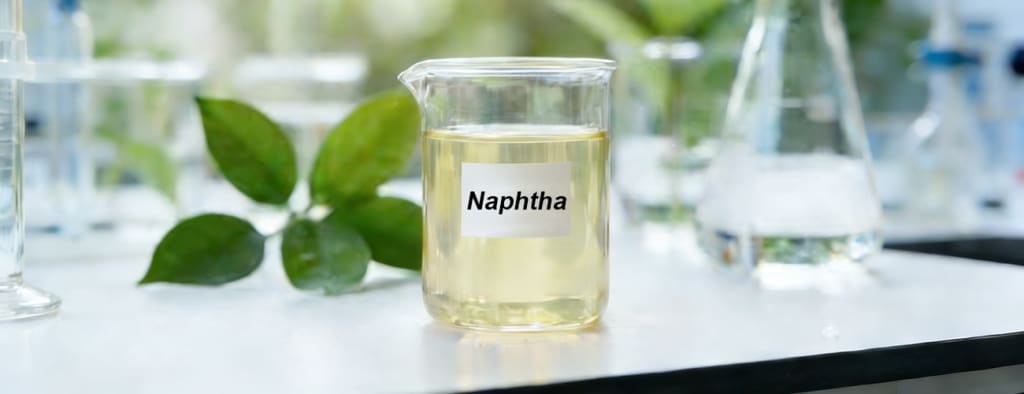
However, a paradigm shift is underway. The petrochemical industry is increasingly looking at this "waste" not as an endpoint, but as an alternative raw material. At the heart of this transformation lies a specific chemical compound: naphtha. Once exclusively derived from crude oil, naphtha is now being successfully extracted from discarded plastics, creating a circular pathway for materials that were previously unrecoverable.
What is Naphtha and Why Does It Matter?
To understand the significance of this development, it is essential to understand the role of naphtha in the industrial landscape. In the context of petrochemistry, naphtha is a volatile, liquid hydrocarbon mixture. It serves as the primary feedstock for steam crackers, which break down the molecules to produce light olefins like ethylene and propylene. These olefins are the foundational building blocks for a vast array of products, from new plastics to solvents and synthetic fibers.
Traditionally, naphtha is refined from crude oil—a fossil resource. The ability to produce a "circular naphtha" from waste plastic effectively decouples the production of virgin-quality plastics from the extraction of fossil fuels. It allows a plastic bottle to, in theory, become a plastic bottle again, repeatedly, without the quality loss associated with traditional recycling.
The Core Technology: Chemical Recycling via Pyrolysis
The process of extracting naphtha from plastic waste is not a simple mechanical separation. It relies on chemical recycling, specifically a thermochemical conversion technology known as pyrolysis.
Pyrolysis involves heating post-consumer, non-recyclable plastics—such as films, bags, and multilayered packaging—in an oxygen-deprived environment. Unlike incineration, which burns the material for energy, pyrolysis (plastic pyrolysis plant) breaks down the long-chain polymers of the plastic. This thermal cracking occurs at temperatures typically ranging from 300°C to 700°C.
The output of this process is threefold:
- Pyrolysis Oil (or "Plastic Crude"): A liquid product that can be further refined.
- Syngas: A mixture of gases that can be used to power the pyrolysis process itself.
- Char: A solid residue containing carbon black and inert materials.
The target fraction for naphtha production is the pyrolysis oil. However, this oil is a complex mixture of hydrocarbons, including paraffins, olefins, and aromatics, as well as contaminants like halogens (chlorine from PVC), nitrogen, and metals. To convert this "plastic crude" into a viable steam cracker feedstock, it must undergo further upgrading.
Refining the Crude: The Path to Steam Cracker Ready Naphtha
Raw pyrolysis oil is not a drop-in replacement for fossil naphtha. Its quality and composition can vary significantly based on the input plastic waste mixture. Therefore, the journey from waste to naphtha requires a sophisticated refining step, often utilizing existing petroleum refinery infrastructure.
This hydroprocessing involves treating the pyrolysis oil with hydrogen under high pressure and temperature in the presence of a catalyst. This step serves several critical functions:
- Removal of Contaminants: It strips out chlorine, nitrogen, and other unwanted elements that could poison the catalysts used in downstream steam cracking.
- Saturation of Olefins: The process converts unstable olefins into more stable paraffins.
- Hydrocracking: It ensures the hydrocarbon chain lengths are appropriately aligned for the naphtha fraction.
Once this upgraded oil meets the stringent specifications of a steam cracker, it is certified as circular naphtha. It can then be fed into the cracker alongside fossil-based naphtha, effectively displacing virgin fossil resources and producing new plastics with a significantly lower carbon footprint.
Market Dynamics and Industrial Adoption
The movement toward plastic-derived naphtha is not merely a laboratory curiosity; it is a rapidly scaling industrial reality. Major petrochemical players across Europe, Asia, and North America are entering strategic partnerships with advanced recycling firms to secure this feedstock.
This push is driven by two primary forces. The first is regulatory pressure. Legislation, such as the EU's ambitious recycling targets and proposed laws mandating recycled content in new products (especially in automotive and packaging), is creating a massive demand for high-quality recycled materials that mechanical recycling alone cannot satisfy.
The second is corporate sustainability. Major brands have made public commitments to incorporate recycled content into their packaging. Mass balance accounting, a chain-of-custody model, allows them to attribute the use of circular naphtha to their products, driving investment up the value chain.
Challenges and the Road Ahead
Despite the momentum, the path from waste to naphtha is fraught with challenges. The economics of pyrolysis are heavily dependent on the price of crude oil. When oil prices are low, virgin naphtha becomes cheaper, squeezing the margins for the more complex and capital-intensive chemical recycling process.
Furthermore, feedstock logistics remain a hurdle. While the technology can handle non-recyclable plastics, it still requires a relatively clean, consistent stream to operate efficiently. Building the infrastructure to sort, wash, and pelletize this waste specifically for pyrolysis is a costly and complex undertaking.
Nevertheless, the potential is undeniable. The extraction of naphtha from waste plastic represents a maturation of the circular economy. It acknowledges that not all plastic can be mechanically recycled and offers a technically robust pathway to recapture that value. By transforming a persistent environmental problem into a valuable petrochemical feedstock, the industry is slowly rewriting the definition of waste.
About the Creator
Bestonpyrolysis
Engaged in waste plastic/tyre/rubber recycling, oil sludge treatment, biomass recycling, sewage sludge management and paper recycling…
https://bestonpyrolysisplant.com/
Keep reading
More stories from Bestonpyrolysis and writers in Earth and other communities.
Why Fruit Shell Biomass Is Perfect for Charcoal Making: A Property Analysis
When it comes to sustainable charcoal production, not all biomass materials are created equal. Among the various options—from wood chips to agricultural residues—fruit shell biomass (such as walnut shells, coconut shells, peanut shells, and almond shells) stands out as an ideal candidate. Its unique physical and chemical properties not only make the charcoal making process more efficient but also result in high-quality charcoal with versatile applications. In this post, we’ll break down the key properties that make fruit shell biomass a top choice for charcoal production, and touch on how these properties interact with charcoal making equipment to optimize outcomes.
By Bestonpyrolysis21 days ago in Earth



Comments
There are no comments for this story
Be the first to respond and start the conversation.