
The World’s Growing Water Crisis – Why Everyone Should Care
• The Hidden Danger Beneath Our Feet • How Water Scarcity Shapes Conflicts • The Future: Solutions We Can’t Ignore

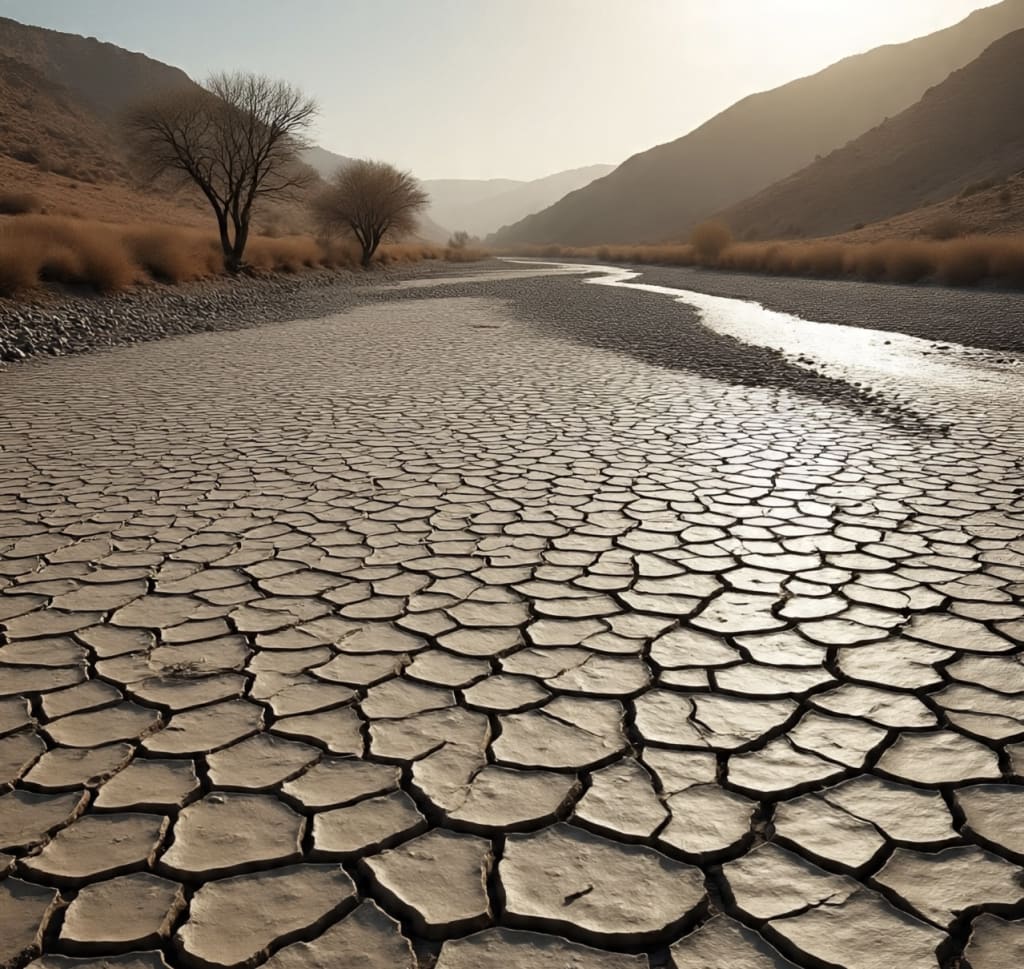
Water is one of those things we hardly think about until it’s gone. We wake up, brush our teeth, make coffee, take showers—all without realizing how precious this simple resource really is. For billions of people, clean water isn’t guaranteed. In fact, the world is slowly moving toward a crisis that could define the future of humanity: water scarcity.
The Hidden Danger Beneath Our Feet
The earth is called the “blue planet” for a reason—about 71% of its surface is covered in water. But here’s the shocking truth: less than 1% of that water is drinkable. The rest is either saltwater in oceans or frozen in glaciers. This means the fresh water we rely on is extremely limited, and it’s shrinking faster than ever.
Why? Climate change, industrial growth, pollution, and rising populations all play a role. Droughts are lasting longer, rivers are drying up, and groundwater is being drained faster than it can refill. Many scientists warn that by 2040, most of the world could face severe water shortages if nothing changes.
How Water Scarcity Shapes Conflicts
Water isn’t just a health issue—it’s a political one too. Nations that share rivers, lakes, or underground reserves often fight over access. In Africa, disputes over the Nile River have already created tension between Egypt, Sudan, and Ethiopia. In South Asia, India and Pakistan argue over rivers flowing through their borders.
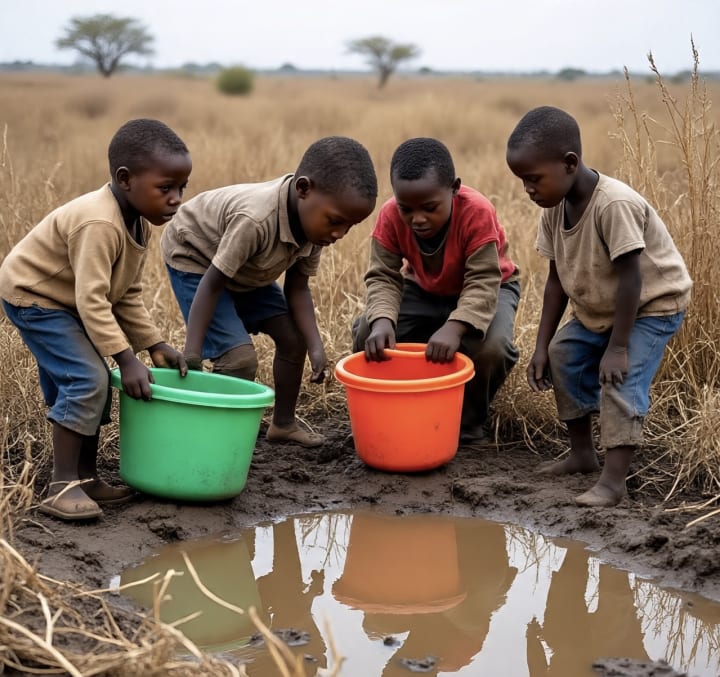
This problem isn’t only about governments. When water becomes scarce, it affects agriculture, food prices, and jobs. Farmers struggle to grow crops, cities experience blackouts because hydroelectric dams can’t run, and families are forced to travel miles just to fill a few buckets.
In some regions, this scarcity fuels migration. Families move from rural areas to already crowded cities, creating pressure on housing and services. In the worst cases, water shortages can spark violence, protests, and even wars. It may sound extreme, but experts already call water the “new oil” of the 21st century—something people are willing to fight for.
The Human Face of the Crisis
Statistics can feel distant, but behind every number is a human story. Imagine a 10-year-old child in Sub-Saharan Africa who walks two hours daily to fetch water from a muddy pond. By the time she returns, there’s little energy left for schoolwork, and her health is constantly at risk from waterborne diseases like cholera and dysentery.
Or picture a farmer in California watching his fields dry out year after year. Even with advanced technology, he can’t fight nature forever. His loss isn’t just personal—it affects food supply chains worldwide, driving up the cost of fruits, vegetables, and grains.
These are not isolated cases. They are snapshots of a global reality we can no longer ignore.
The Future: Solutions We Can’t Ignore
While the problem is huge, solutions do exist. Some countries are already leading the way. Singapore, for example, recycles wastewater into drinkable water through advanced purification. Israel has developed cutting-edge drip irrigation systems that save enormous amounts of water in farming.
Desalination—turning seawater into fresh water—is another growing technology. Although it’s expensive and energy-intensive, progress is being made to make it more sustainable.
On a smaller scale, individuals and communities can also make a difference. Reducing water waste at home, supporting organizations that provide clean water access, and holding governments accountable for water policies are steps everyone can take.
Perhaps most importantly, we need to treat water as the treasure it truly is. It’s not unlimited, and without it, nothing—no economy, no society, no human life—can survive.
Why Everyone Should Care
Some might think water scarcity is a faraway issue, happening only in deserts or poor countries. But the truth is, it’s closer than we realize. Even wealthy nations like the United States, Spain, and Australia face water stress in certain regions. Climate change doesn’t respect borders, and neither does this crisis.
Caring about water isn’t about charity; it’s about survival. Each of us, no matter where we live, depends on clean water every single day. Recognizing its value is the first step toward ensuring it’s there for future generations.
The global water crisis is not a problem for tomorrow—it’s happening today. And if we don’t act, we may discover too late that the resource we once took for granted has quietly become the world’s biggest threat.
About the Creator
Legends Unfold
Unfolding the stories that shape our world – from breaking global news to powerful human journeys. At Legends Unfold, you’ll find news, motivation, money tips, and inspiring stories that matter.
Keep reading
More stories from Legends Unfold and writers in Earth and other communities.


Comments
There are no comments for this story
Be the first to respond and start the conversation.