
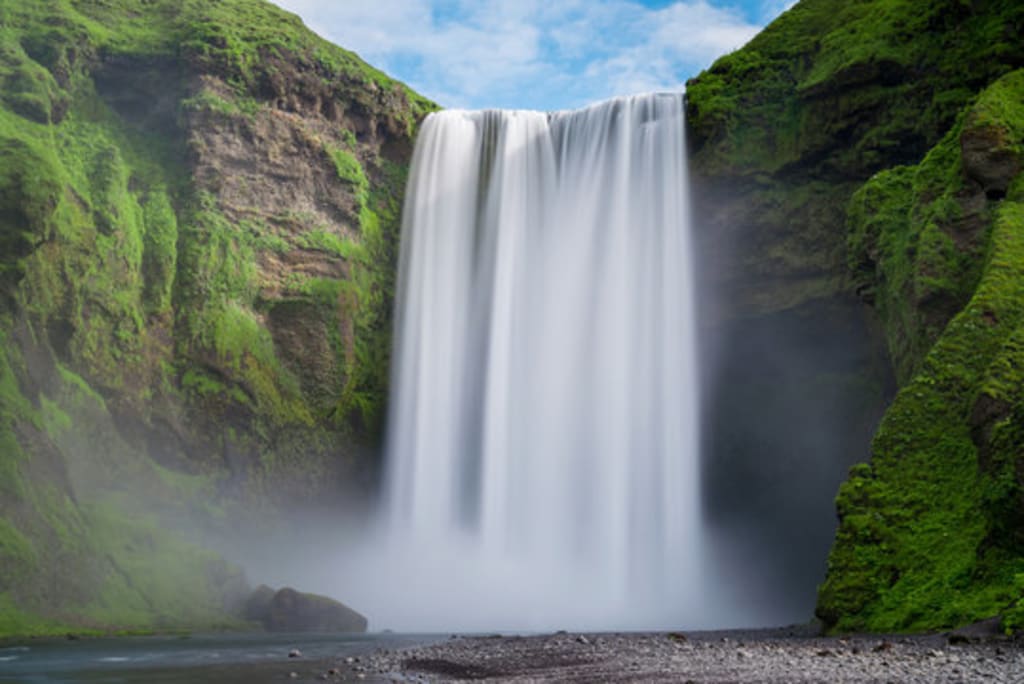
A waterfall is a natural wonder where water flows over a steep incline or a cliff, creating a beautiful cascade of water. Waterfalls can be found all over the world, and they vary in size and shape. Some waterfalls are small and tranquil, while others are large and powerful.
Waterfalls are usually formed by erosion, which occurs when water flows over a rock formation and wears it down over time. The amount of water flowing over a waterfall can vary greatly depending on the season, weather conditions, and other factors.
Waterfalls are popular tourist attractions, and many people enjoy hiking to see them up close. Some famous waterfalls include Niagara Falls in North America, Victoria Falls in Africa, and Angel Falls in South America, which is the tallest waterfall in the world.
Waterfalls are not only admired for their beauty, but they also serve important ecological and environmental functions. They can provide habitat for various species of plants and animals that are adapted to live in wet and rocky environments. The mist and spray created by waterfalls can also contribute to the humidity of the surrounding area, which can help sustain nearby plant life.
In addition to their ecological importance, waterfalls have also played significant cultural and spiritual roles in many societies throughout history. Some indigenous cultures consider waterfalls to be sacred places, and they are often featured in myths, legends, and artwork.
Waterfalls can also have practical uses, such as providing a source of hydroelectric power. Many hydroelectric dams have been built near waterfalls to harness the energy of falling water to generate electricity.
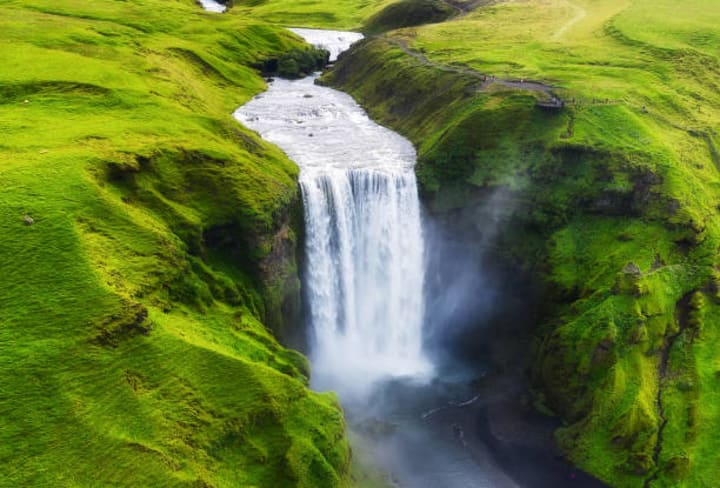
Overall, waterfalls are a fascinating natural phenomenon that continue to captivate and inspire people around the world. Whether admired for their beauty, ecological importance, or cultural significance, they serve as a reminder of the power and wonder of nature.
One of the most notable characteristics of waterfalls is the sound they produce. The sound of falling water can be soothing and calming to the human ear, and many people find it to be a natural form of relaxation. Waterfalls can also have a visual and aesthetic appeal, with their picturesque views and dramatic drops.
Waterfalls can be found in various types of environments, ranging from rainforests to deserts. They can be permanent or temporary, and their size can vary from a few feet to several hundred feet. Some of the most famous waterfalls in the world are known for their height and power, such as the aforementioned Angel Falls, which drops a staggering 3,212 feet (979 meters).
While waterfalls are certainly beautiful to behold, they can also be dangerous and even deadly. Visitors should always exercise caution when exploring waterfall areas, as rocks can be slippery and the water flow can be powerful and unpredictable.
In recent years, waterfalls have become a popular subject for photography and social media, with people traveling from all over the world to capture the beauty of these natural wonders. As interest in nature and outdoor activities continues to grow, waterfalls are sure to remain a beloved destination for generations to come.
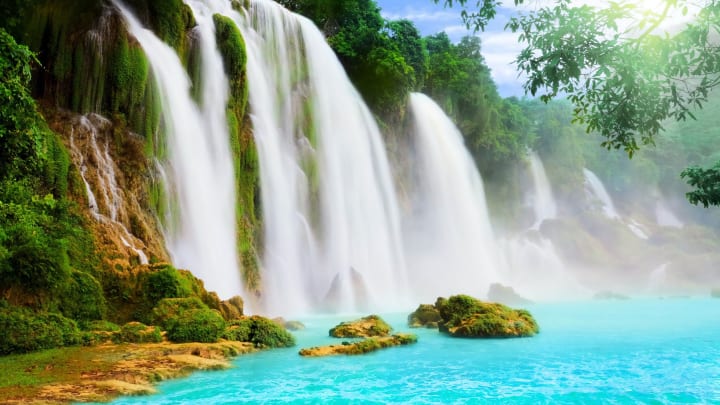
Waterfalls also have a significant impact on the local economy in many areas, particularly in regions where tourism is a major industry. Waterfalls attract visitors from all over the world, who often stay in nearby hotels and restaurants, purchase souvenirs, and engage in other tourist activities.
To protect and preserve waterfalls for future generations, many organization's and government agencies have implemented measures to ensure their conservation. This can include initiatives such as reducing pollution in nearby rivers and streams, controlling the number of visitors to waterfall areas, and implementing educational programs to teach visitors about the importance of environmental conservation.
Despite the challenges and risks associated with visiting waterfalls, they continue to draw people in with their beauty and majesty. From the smallest cascades to the largest and most powerful falls, waterfalls are a testament to the incredible power and wonder of nature.
Waterfalls also have a cultural significance in many societies. In some cultures, waterfalls are seen as spiritual places, associated with deities or spirits, and often used for ritual purposes. For example, the Keegan Falls in Japan are regarded as a sacred site, and visitors can participate in a traditional water purification ritual there.
Waterfalls have also been the inspiration for many works of art and literature throughout history. They have been featured in paintings, poetry, and music, and have served as symbols of natural beauty and power. The romantic movement in art and literature during the 18th and 19th centuries, for example, was heavily influenced by the awe-inspiring natural landscapes, including waterfalls.
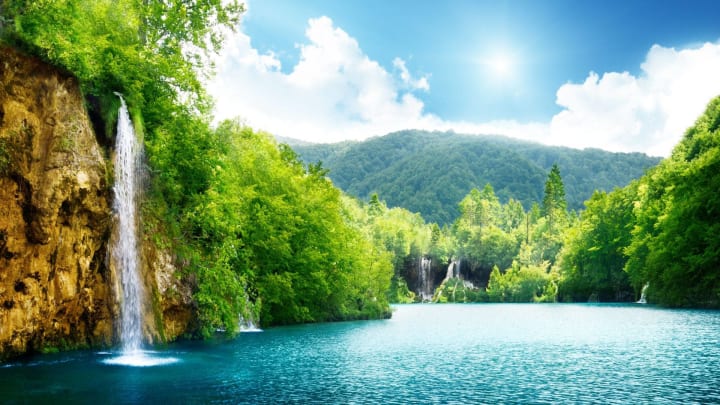
Waterfalls also offer recreational opportunities for outdoor enthusiasts. Many people enjoy hiking, climbing, and camping near waterfalls, while others enjoy swimming or simply relaxing near the flowing water. Some waterfalls also offer opportunities for rafting or kayaking.
In conclusion, waterfalls are not only natural wonders, but they also have important ecological, cultural, and economic significance. They offer visitors a chance to experience the beauty and power of nature, and provide important habitats for plant and animal species. While there are risks associated with visiting waterfalls, with proper care and caution, they can be enjoyed for generations to come.
About the Creator
Keep reading
More stories from Sangeetha S and writers in Earth and other communities.
Save the nature
I completely agree with you that it is important to save nature. The natural world provides us with countless benefits, including clean air and water, food and resources, and opportunities for recreation and relaxation. However, human activities such as deforestation, pollution, and climate change are threatening the health of our natural world. Here are some ways we can help to save nature:
By Sangeetha S3 years ago in Earth
From Loss to Harvest
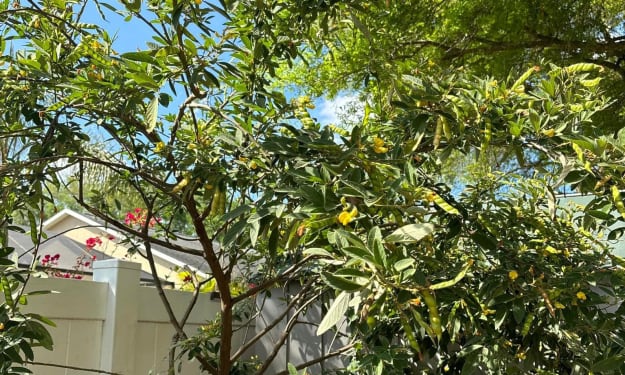
Today we took down our pigeon pea tree. After the recent freeze, it simply couldn’t hold on. The cold wrapped itself around its branches, and what once stood tall and green slowly surrendered to brittle stems and fading leaves. It’s strange how quickly a shift in weather can change the fate of something that felt so steady. But three weeks before the freeze, I gathered its final harvest. And for that, I am grateful.
By Debbie's Reflection5 days ago in Earth

Comments
There are no comments for this story
Be the first to respond and start the conversation.