
Yemen: Separatists Allow Saudi-Backed Forces in Seized Areas
A Fragile Accord in a Nation Plagued by Conflict Signals Both Hope and Uncertainty

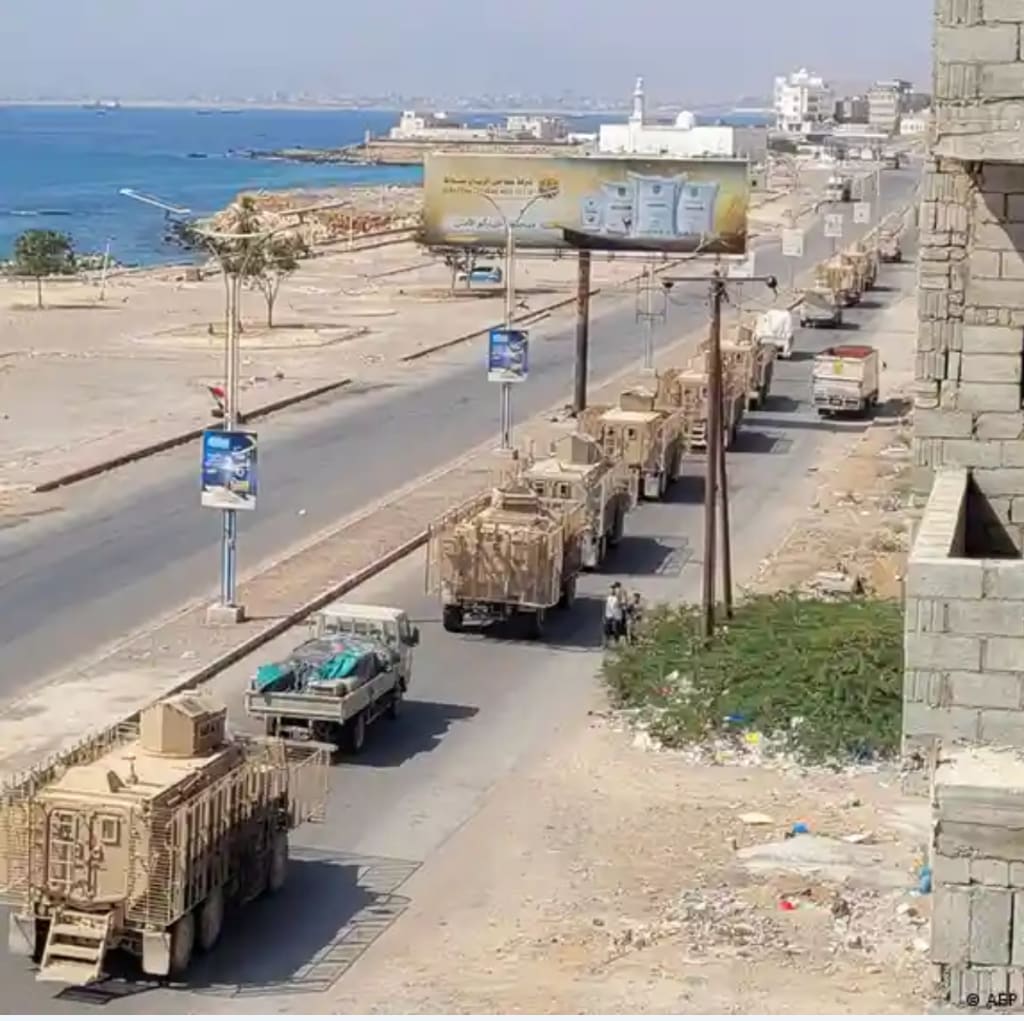
Yemen, a country long marred by conflict and humanitarian crises, has witnessed a new development that could reshape the fragile balance of power in its southern regions. Separatist forces, primarily part of the Southern Transitional Council (STC), have reportedly allowed Saudi-backed Yemeni government forces to enter areas previously seized by the separatists. While this move appears to be a step toward easing tensions, analysts caution that the situation remains volatile, with long-standing political, tribal, and regional rivalries threatening to undermine stability.
The Southern Transitional Council, backed by the United Arab Emirates, has held sway over significant portions of southern Yemen, including the strategic city of Aden. Historically, the STC has pursued a separatist agenda, aiming to establish an independent state in the south, which was formerly a separate country before unification with the north in 1990. The council has frequently clashed with the internationally recognized Yemeni government, which enjoys support from Saudi Arabia. The recent decision to permit Saudi-backed forces into STC-controlled areas marks a rare instance of cooperation, though it is largely seen as a tactical move rather than a resolution of the underlying conflict.
The agreement, reportedly brokered through diplomatic channels involving both Saudi Arabia and the United Arab Emirates, seeks to reduce tensions in the south, particularly around key urban centers such as Aden and Shabwa. For the Yemeni government, this development offers a chance to reassert control in areas where its authority has been challenged for years. Meanwhile, for the STC, allowing government forces to enter does not necessarily indicate surrender or compromise of its broader separatist ambitions. Instead, it appears to be a strategic decision designed to maintain influence while avoiding direct confrontation.
Experts suggest that this development could provide a temporary boost to Yemen’s humanitarian situation. The conflict in the south has led to widespread displacement, economic disruption, and limited access to essential services. By reducing armed confrontations in these areas, aid organizations may find it easier to operate, potentially alleviating the suffering of civilians caught between warring factions. However, analysts warn that any improvement is likely to be fragile, as mistrust between the STC and Yemeni government remains deep-rooted.
Saudi Arabia’s role in this development is crucial. Riyadh has long sought to unify anti-Houthi forces in Yemen to strengthen the fight against the Houthi movement in the north, which is backed by Iran. By facilitating cooperation between the STC and the Yemeni government, Saudi Arabia aims to consolidate its influence in the south, stabilize key ports, and maintain the flow of commercial and humanitarian goods. Yet, balancing the interests of both parties remains a delicate challenge, as the STC maintains its own agenda and the Yemeni government is under pressure to reclaim legitimacy and territorial control.
The broader geopolitical context also adds complexity. The Yemeni conflict has become a proxy battleground, with Saudi Arabia and the UAE backing different factions despite being allies in the Gulf Cooperation Council (GCC). Iran’s support for the Houthis in the north further complicates the situation, creating a multi-layered conflict where local, regional, and international interests intersect. In this environment, agreements such as the recent one between separatists and Saudi-backed forces may be short-lived unless accompanied by sustained diplomatic efforts and inclusive political dialogue.
For ordinary Yemenis, the impact of such political maneuvering is immediate and tangible. Southern cities have experienced cycles of fighting, airstrikes, and checkpoints that disrupt daily life. Markets struggle to function, schools face closures, and healthcare access remains precarious. Even minor reductions in violence can make a meaningful difference, offering residents temporary relief and allowing aid agencies to deliver food, medical supplies, and other essential services more effectively.
Despite cautious optimism, challenges persist. Trust between the STC and Yemeni government is historically low, and there is no guarantee that the arrangement will hold. Any resurgence of clashes could quickly reverse gains, deepen humanitarian suffering, and destabilize an already fragile region. Moreover, the Houthis, who continue to control large portions of northern Yemen, remain outside this agreement, meaning that the broader war in Yemen is far from over.
International observers have highlighted that durable peace in Yemen will require more than tactical truces. Negotiations must address political representation, resource sharing, and the aspirations of Yemen’s diverse communities. Without these measures, temporary agreements risk becoming superficial, offering only a brief pause in the fighting rather than a path toward lasting resolution. The recent allowance of Saudi-backed forces into separatist areas is therefore a positive step, but it is not a solution to Yemen’s protracted crisis.
In conclusion, the decision by Yemeni separatists to permit Saudi-backed forces into areas they control reflects both pragmatism and caution. It signals a potential easing of tensions in southern Yemen and could improve conditions for civilians in the short term. However, the deep-rooted political divisions, historical grievances, and regional rivalries that have fueled Yemen’s conflict for years mean that this development must be approached with cautious optimism. For Yemen to move toward lasting peace, all parties will need to engage in genuine dialogue, build trust, and prioritize the well-being of their citizens above territorial or political ambitions. Until then, the path forward remains uncertain, with each step forward shadowed by the potential for renewed conflict.
About the Creator
Muhammad Hassan
Muhammad Hassan | Content writer with 2 years of experience crafting engaging articles on world news, current affairs, and trending topics. I simplify complex stories to keep readers informed and connected.
Keep reading
More stories from Muhammad Hassan and writers in Earth and other communities.
A Monumental Church in Amsterdam Ravaged by Flames on New Year’s Day: Fire Destroys Centuries of History
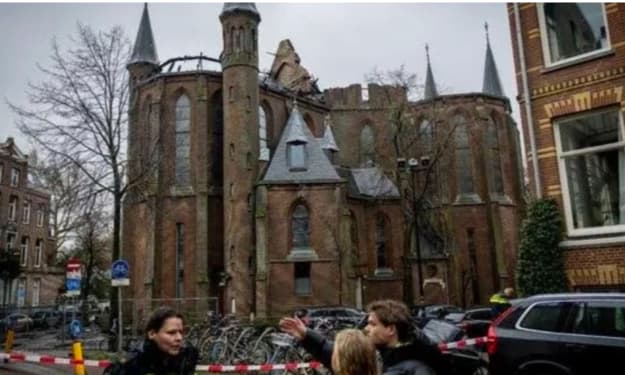
Amsterdam, a city known for its rich history, picturesque canals, and stunning architecture, faced a heartbreaking tragedy on New Year’s Day as one of its most iconic churches was ravaged by flames. The fire, which broke out in the early hours of January 1, 2026, destroyed centuries of history, art, and cultural heritage, leaving both locals and global observers in disbelief.
By Muhammad Hassan2 months ago in Earth



Comments
There are no comments for this story
Be the first to respond and start the conversation.