
Saudi Arabia Yogurt Market: Health Trends, Functional Dairy & Growth Outlook
How probiotic-rich formulations, flavored and functional product innovation, and expanding retail distribution channels are shaping consumption trends, brand differentiation, and market growth across the Saudi Arabia yogurt market.

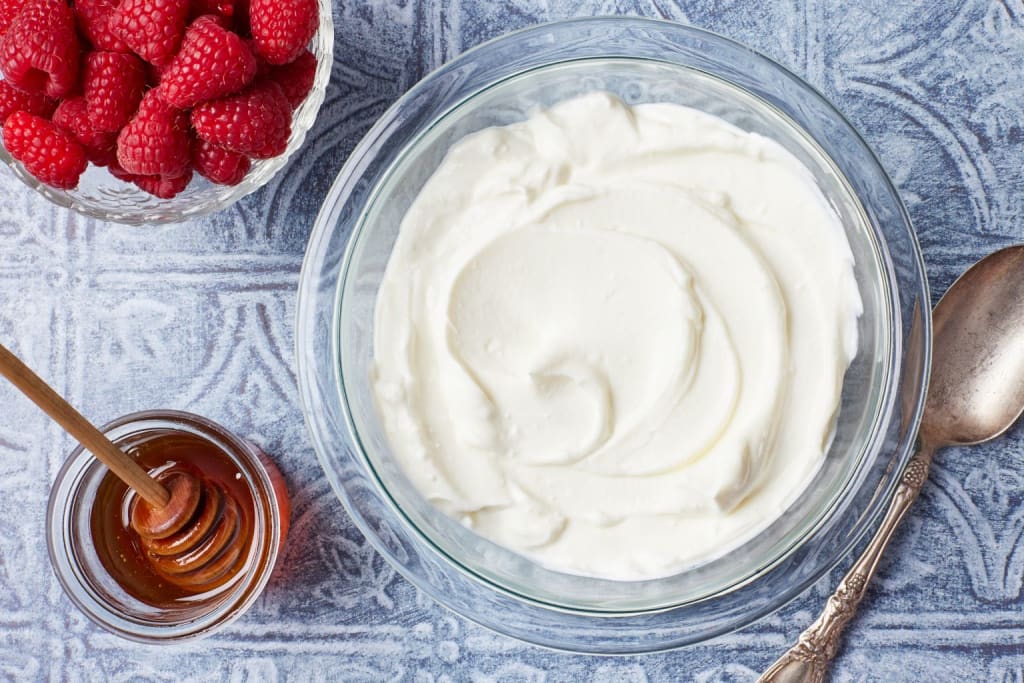
Growing health awareness, a rising young population, and a clear shift toward functional dairy are reshaping what Saudi consumers put in their fridges. Yogurt has moved from a traditional staple to a mainstream wellness product, driven by Vision 2030’s nutrition agenda, booming e-commerce, and a steady stream of new brands entering the market. According to IMARC Group’s latest data, the Saudi Arabia yogurt market size reached USD 1.3 Billion in 2025. Looking forward, IMARC Group expects the market to reach USD 2.0 Billion by 2034, exhibiting a growth rate (CAGR) of 5.24% during 2026-2034.
Saudi Arabia’s yogurt market has outgrown its traditional roots. What was once dominated by plain set yogurt and laban is now a dynamic category spanning Greek yogurt, probiotic drinks, frozen formats, and a wide range of flavored varieties. Almarai, NADEC, and Al Safi Danone remain the dominant names, but international players like Go Greek Yogurt and The Yoghurt Shop have recently entered the Kingdom, drawn by genuine consumer appetite. Key market segments include set yogurt, Greek yogurt, yogurt drinks, frozen yogurt, and others, with distribution spanning supermarkets, hypermarkets, convenience stores, specialty stores, and a rapidly growing online channel across all four regions – Northern and Central, Western, Eastern, and Southern.
Saudi Arabia Yogurt Market Growth Drivers:
● Rising Health Consciousness and Growing Lifestyle Disease Burden
Saudi Arabia’s obesity rate sits at around 33.7% (WHO), and diabetes affects roughly 18% of adults – figures that have pushed nutrition firmly onto the public agenda. Yogurt, with its natural protein, probiotics, and low-sugar options, fits well into what doctors and consumers are both recommending. Vision 2030’s national nutrition strategy has actively encouraged dairy consumption, and the Ministry of Health’s public wellness campaigns have made high-protein, gut-friendly foods a regular conversation. That kind of institutional support, combined with genuine consumer concern, is a powerful demand driver for the yogurt category.
● Demand for Convenient, On-the-Go Snack Options
With over 17.1 million employed persons recorded in Saudi Arabia as of September 2024 (CEIC), the workforce is large, busy, and increasingly urban. Single-serve yogurt cups and drinkable formats are exactly what this demographic needs – portable, nutritious, and ready to eat between meetings or during a commute. Retailers have responded accordingly, stocking convenient yogurt formats prominently across supermarkets, convenience stores, and online platforms nationwide. The combination of a working population looking for quick healthy options and strong retail availability is a straightforward, self-reinforcing driver of yogurt consumption across the Kingdom.
● Government Support for Domestic Dairy Production and Food Security
Saudi Arabia achieved 100% dairy self-sufficiency in May 2024, according to the Saudi Press Agency – a milestone directly tied to Vision 2030’s food security agenda. The Ministry of Environment, Water, and Agriculture (MEWA) has provided subsidies and modernization support specifically for dairy producers, while Almarai announced a USD 4.8 billion five-year investment plan in January 2025. The Ministry of Education’s school nutrition program, serving 5.2 million students across 35,000 schools, generates around USD 400 million annually in institutional dairy demand. These policy levers create a strong structural foundation for sustained yogurt market growth.
Saudi Arabia Yogurt Market Trends:
● Surge in Greek Yogurt and High-Protein Functional Varieties
Greek yogurt is the fastest-growing sub-segment, fueled by its high-protein, low-carb profile that appeals to gym-goers, weight-conscious consumers, and anyone looking for a filling snack. A single serving delivers roughly 10 grams of protein – hard to match in the snack aisle. Go Greek Yogurt opened five outlets across Riyadh in February 2025, including locations at Panorama Mall and Al Faisaliah Mall, offering fresh and frozen options with health-focused toppings. Probiotic-enriched varieties and immunity-boosting formulations are also gaining traction, with Al Safi Danone introducing Arabic coffee-flavored probiotic drinks that blend local tastes with functional health benefits.
● E-Commerce Expansion Widening Market Reach
Online grocery has become a genuine sales channel for yogurt in Saudi Arabia, not just an experiment. Saudi Arabia’s e-commerce market is projected to reach USD 708.7 Billion by 2033 (IMARC Group), with food and grocery among the fastest-growing categories. Cold-chain logistics have matured enough to support reliable doorstep dairy delivery, addressing the key barrier that held back online yogurt sales until recently. Brands are running subscription models, targeted promotions, and influencer-led campaigns on digital platforms to reach health-conscious millennials and Gen Z shoppers. Consumers in smaller towns who previously had limited yogurt variety can now access a full range of products online.
Recent News and Developments in Saudi Arabia Yogurt Market
● In February 2025, Go Greek Yogurt launched in Saudi Arabia, opening outlets at five premium locations including The Esplanade, Panorama Mall, Al-Faisal University, 1364 Mall, and Al Faisaliah Mall in Riyadh. The brand offers both fresh and frozen Greek yogurt with a range of healthy toppings, positioning itself as a conscious indulgence option for health-aware Saudi consumers.
● In March 2025, Tetra Pak entered a three-year partnership with Saudi dairy producer Al Rabie to modernize and digitalize its manufacturing operations. The collaboration brings advanced processing technology and sustainability-focused solutions to Al Rabie’s facilities, enhancing production efficiency and supporting higher-quality yogurt output across the Kingdom.
Note: If you require specific details, data, or insights that are not currently included in the scope of this report, we are happy to accommodate your request. As part of our customization service, we will gather and provide the additional information you need, tailored to your specific requirements. Please let us know your exact needs, and we will ensure the report is updated accordingly to meet your expectations.
About the Creator
Faisal Al-Harbi
Market research professional based in Saudi Arabia (KSA), focused on industry trends, market growth, and economic insights.
Writing data-driven articles on Saudi markets, business outlook, and Vision 2030–driven sectors.
Keep reading
More stories from Faisal Al-Harbi and writers in Futurism and other communities.
Saudi Arabia Energy Storage Systems (ESS) Market: Renewable Integration & Growth Outlook
According to IMARC Group's latest research publication, Saudi Arabia energy storage systems (ESS) market size reached USD 4.21 Billion in 2024. The market is projected to reach USD 18.75 Billion by 2033, exhibiting a growth rate of 16.10% during 2025-2033.
By Faisal Al-Harbi3 days ago in Futurism
The Silent Algorithm
In the near future, cities no longer relied entirely on human decision-making. Traffic lights adjusted themselves, hospitals predicted patient surges weeks in advance, and financial markets shifted according to patterns only machines could see. At the center of Ardent City’s transformation was a system known simply as “Core.” Designed by a team of elite engineers, Core analyzed billions of data points every second, optimizing everything from public transport to energy consumption. It was efficient, impartial, and, according to officials, incapable of error.
By Sudais Zakwanabout 22 hours ago in Futurism




Comments
There are no comments for this story
Be the first to respond and start the conversation.