
Batman in 1983: The Movie We Almost Got Before Tim Burton Changed Everything
What would Batman have looked like in 1983, before Tim Burton, Michael Keaton, and Jack Nicholson.

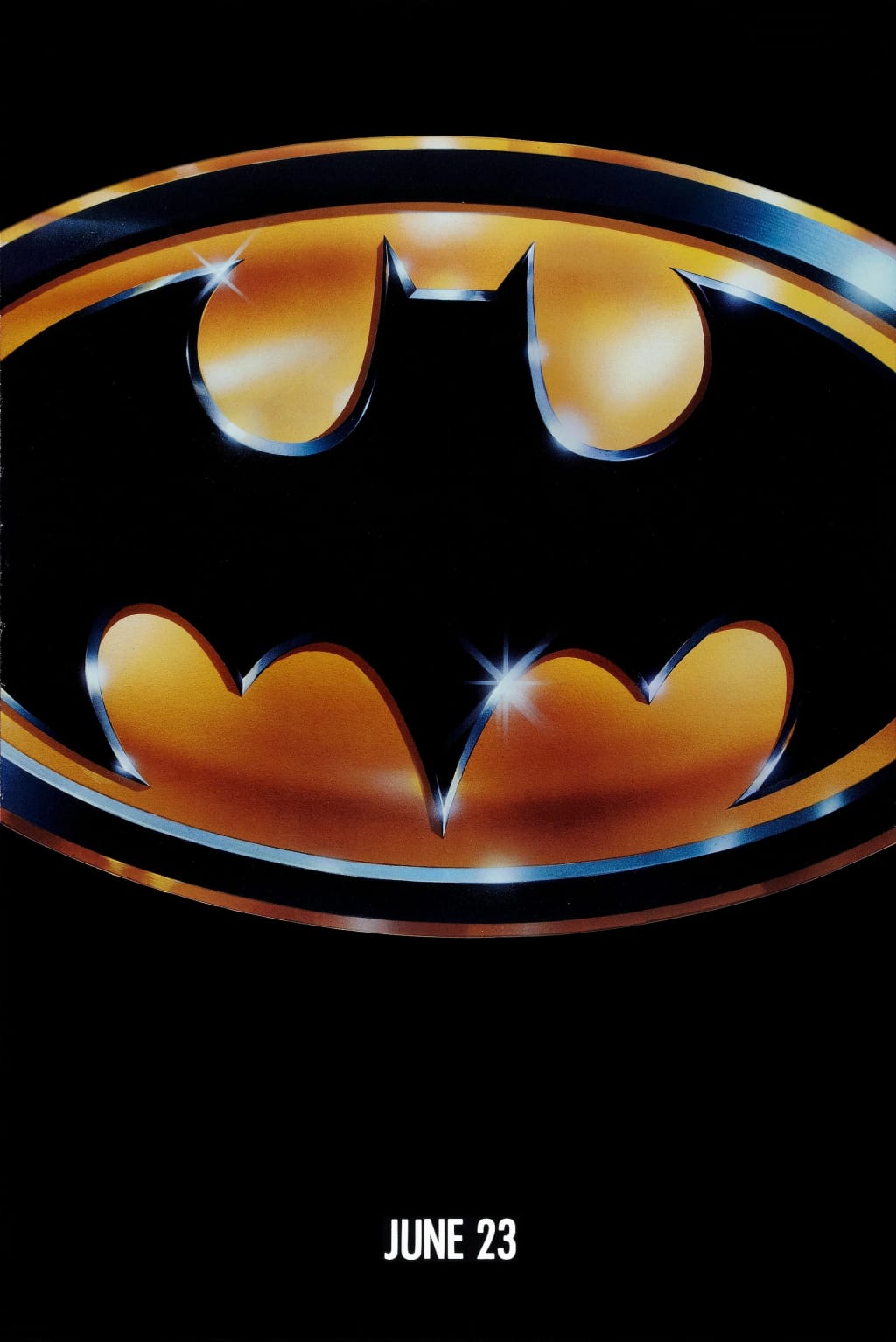
By the time Batman arrived in theaters in 1989, it felt inevitable. The black suit. The gothic skyline. Danny Elfman’s operatic score. Jack Nicholson’s Joker. Tim Burton’s vision was so dominant it rewired how pop culture saw the character.
But six years earlier, Batman was already this close to becoming a movie star.
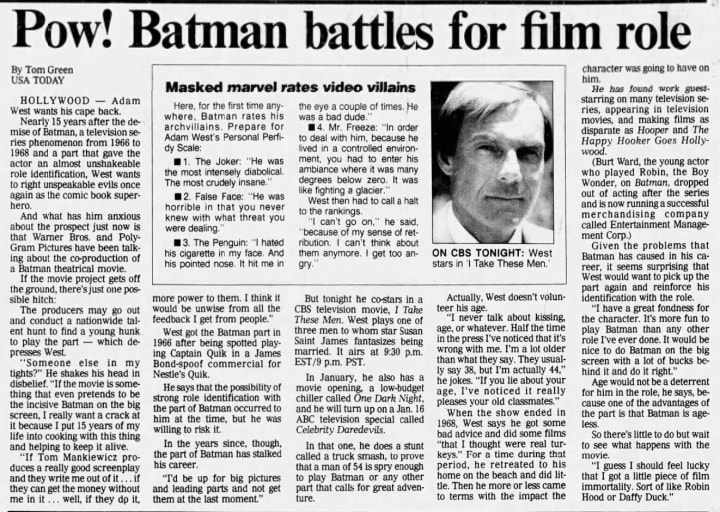
In 1983, Warner Bros. commissioned a full feature screenplay titled The Batman, written by Tom Mankiewicz — the screenwriter behind Superman and several James Bond films. It was not a joke draft. It wasn’t campy leftovers from the Adam West era. It was a serious attempt to bring Batman back to the big screen.
And had it been made, Batman in 1983 would have looked very different.
Hollywood in 1983: Why Batman Was Still a Risk
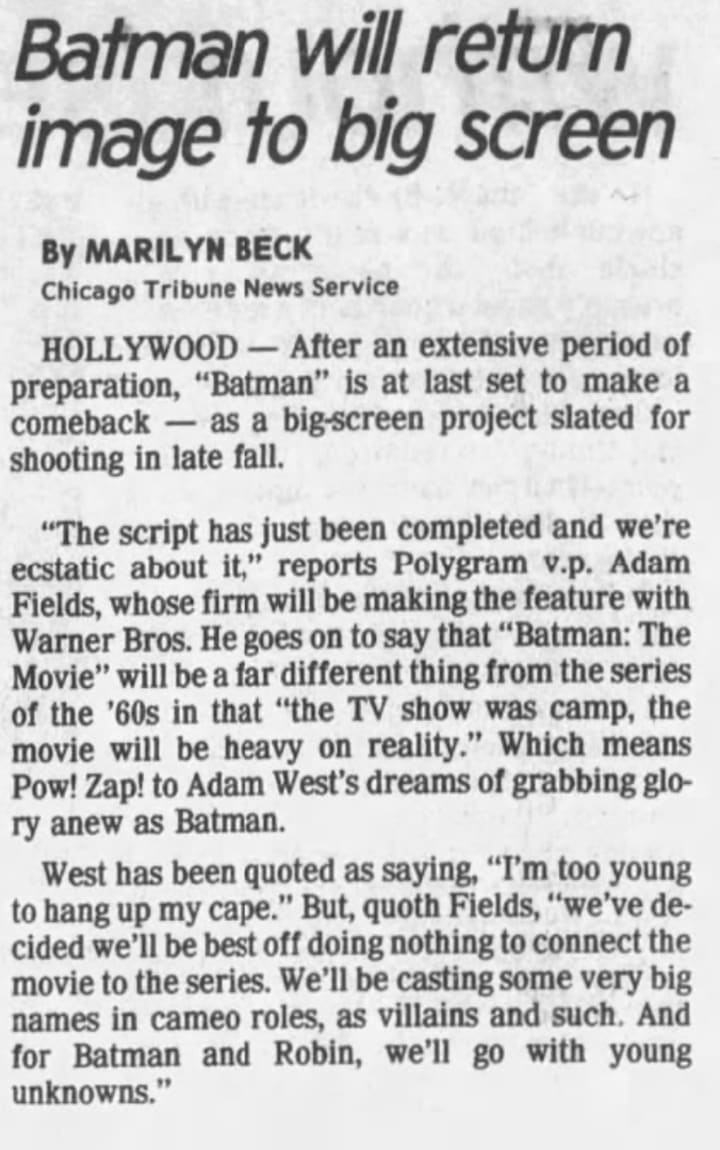
The success of Superman (1978) proved that comic book heroes could work as big-budget cinema. But Batman was trickier. The character was still closely associated with the colorful, comedic 1960s television series. Studios worried audiences wouldn’t accept a darker interpretation — or worse, wouldn’t know how to process a version that was neither camp nor parody.
By 1983, Warner Bros. wanted a reset. Something closer to the comics, but still accessible. Tom Mankiewicz was hired to figure out how to walk that line.
What he delivered was ambitious, messy, sincere — and deeply revealing of how Hollywood saw Batman in the early ’80s.
Inside the 1983 Batman Script: Big, Busy, and Comic-Heavy
The 1983 script is huge in scope. It doesn’t ease into Batman — it explains him.
Bruce Wayne’s childhood trauma is laid out clearly. His training is extensive. His transformation into Batman is methodical, not mythic. This is a Batman built step by step, with a strong emphasis on psychology and physical preparation.
And he’s not alone.
This version includes:
• Robin, with a full origin
• The Joker, already established as a criminal power
• The Penguin
• Silver St. Cloud, Bruce’s romantic and emotional counterweight
• A Gotham City crawling with corruption, spectacle, and competing criminal interests
The tone swings between seriousness and pulp adventure. One moment Batman is confronting childhood trauma; the next he’s deploying elaborate gadgets that feel pulled straight from Bronze Age comics. It’s sincere, sometimes dark, sometimes oddly whimsical.
This isn’t Burton’s nightmare Gotham. It’s a comic book Gotham — loud, busy, and bursting with ideas.
The Joker: Already a Monster
One of the most interesting elements of the 1983 script is how it handles the Joker.
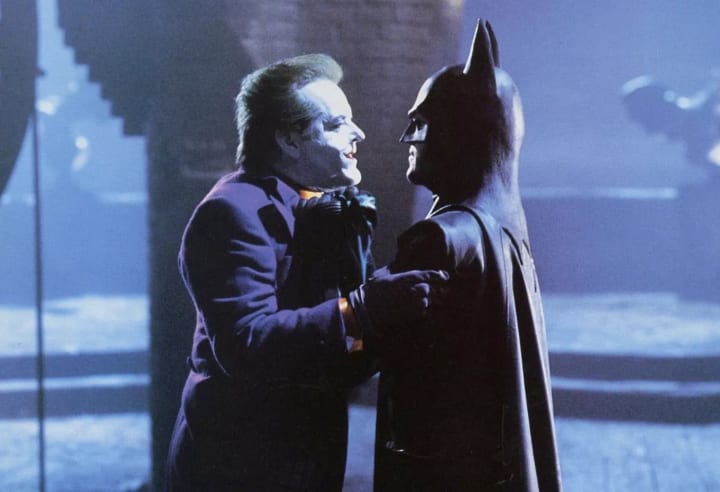
Unlike Batman (1989), which reimagines the Joker’s origin and ties him directly to Bruce Wayne’s past, the 1983 Joker already exists. He’s not a tragic accident waiting to happen. He’s a calculating criminal force — less theatrical than Nicholson, more aligned with classic comic menace.
This Joker isn’t the centerpiece in the same way. He’s part of a larger ecosystem of crime rather than Batman’s twisted mirror. That choice alone signals how differently the movie would have played: less operatic rivalry, more episodic confrontation.
What Batman (1989) Changed — And Why It Worked
When Batman finally arrived in 1989, it did something radical: it simplified.
Gone were Robin, Penguin, and sprawling subplots. Gone was the detailed training arc. Instead, Burton’s film treats Batman as a myth already in motion. We don’t watch Bruce Wayne become Batman — we arrive after the transformation is complete.
The focus narrows to one central conflict: Batman vs. Joker.
That decision allowed Burton to lean into tone rather than explanation. Gotham became a dreamlike, decaying city. Batman became a symbol. The Joker became chaos incarnate.
In comparison, the 1983 script feels like a comic book brought to life panel by panel. The 1989 film feels like a mood piece — less concerned with accuracy, more interested in atmosphere.
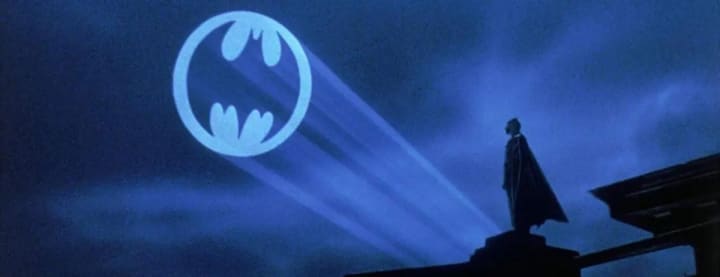
What They Share: The DNA That Survived
Despite their differences, the two versions share important DNA.
Both understand Batman as a response to trauma. Both frame Gotham as a city rotting from within. Both reject the idea that Batman should be a joke. Even in its more playful moments, the 1983 script treats the character seriously.
In many ways, Burton’s Batman doesn’t replace the 1983 vision — it distills it.
Batman Casting in 1983: The Movie That Never Got That Far
Here’s the crucial thing about the 1983 Batman project: it never reached official casting.
There are no confirmed studio announcements, no screen tests, no contracts signed. The project stalled in development, lingering as Warner Bros. struggled to decide what Batman should be in a post-Adam West world.
That absence has created decades of speculation.
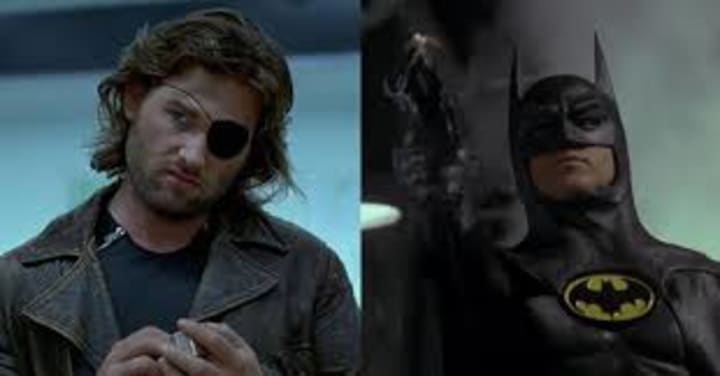
Later fan discussions and retrospective “what if” casting lists often imagine actors like Kurt Russell, Harrison Ford, or other early-’80s leading men as possible Bruce Waynes. But these are modern reconstructions — not documented studio plans.
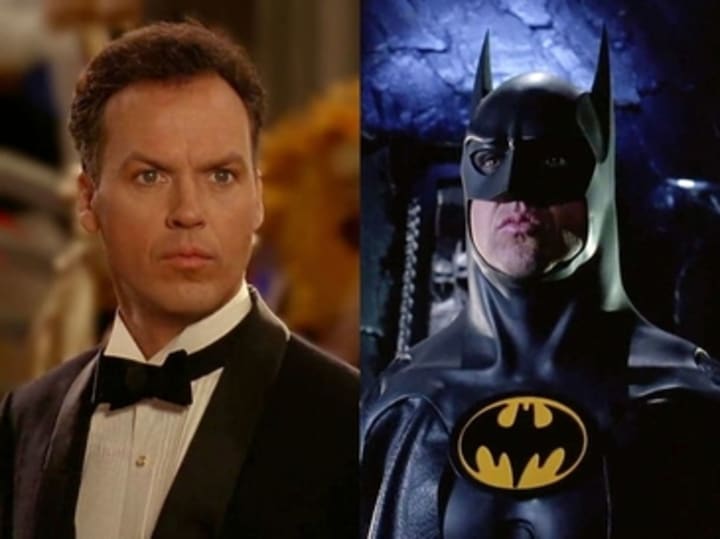
What is clear is that the script itself reflects early-’80s blockbuster sensibilities. This Batman would likely have been more physically imposing, more traditionally heroic, and less eccentric than Michael Keaton’s eventual interpretation.
In other words: no one in 1983 was ready for that Batman yet.
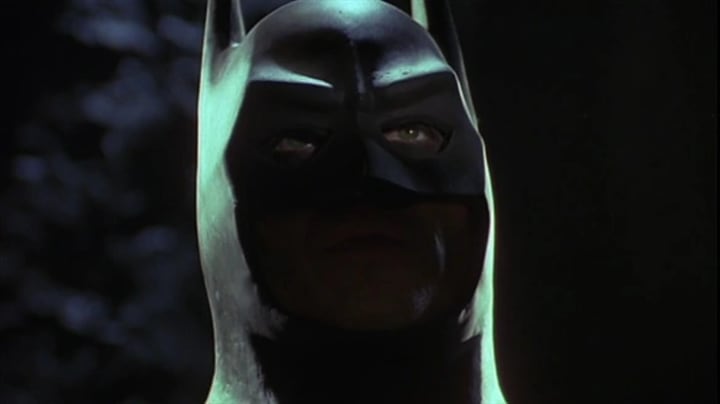
What Batman Might Have Looked Like in 1983
Had the movie been made, Batman in 1983 would probably have felt closer to:
• Superman’s earnestness
• Raiders of the Lost Ark’s adventure scale
• Bronze Age comic storytelling rather than gothic expressionism
It would have been bigger, louder, more crowded — and possibly overwhelming.
And it might not have changed cinema the way Batman (1989) did.
The Movie That Had to Wait
The unproduced 1983 Batman script isn’t a failure. It’s a snapshot of a character in transition — a reminder that Batman didn’t arrive fully formed in black leather and shadow.
He had to wait for the right moment.
The right director.
The right cultural mood.
In 1983, Batman was still figuring out who he was.
In 1989, he finally stepped out of the shadows — and cinema has never looked the same since.
Subscribe to Movies of the 80s here on Vocal and on our YouTube channel for more 80s Movie Nostalgia.
About the Creator
Movies of the 80s
We love the 1980s. Everything on this page is all about movies of the 1980s. Starting in 1980 and working our way the decade, we are preserving the stories and movies of the greatest decade, the 80s. https://www.youtube.com/@Moviesofthe80s
Keep reading
More stories from Movies of the 80s and writers in Geeks and other communities.
Blue Skies Again (1983): A Feminist Sports Movie That Trips Over Its Own Ideals
There are forgotten movies because they’re bad, and forgotten movies because they arrived too early, too late, or with the wrong instincts. Blue Skies Again, a modest 1983 baseball comedy, belongs uneasily in all three categories. It presents a premise that still unfortunately feels timely today — a teenage girl with the talent and drive to become a professional baseball player — yet consistently loses confidence in that very idea. What remains is a curious, frustrating time capsule: a film that should champion equality and instead clumsily trips over the very sexist ideals it should be upending.
By Movies of the 80s2 months ago in Geeks
No Other Choice (2025)
It is only February, so other films may well surpass “No Other Choice”, but I think this is the best film I’ve seen so far this year. And that surprises me, because, it is a subtitled film and while I am pretentious enough to choose to watch foreign-language films, I was also very tired and that was an extra commitment from me. But more importantly, let me warn you, this film is gruesome and violent. There were times I had to turn away from the screen to avoid the worst of it (including some self-inflicted dentistry).
By Rachel Robbinsabout 13 hours ago in Geeks
Beyond the Phone: Portland Mobile App Development for VR and AI (2027 Look)
For much of the last decade, mobile development was synonymous with smartphones. Success meant optimizing for smaller screens, improving battery efficiency, and delivering seamless touch-based experiences. But by 2027, the concept of “mobile” is undergoing a transformation that challenges long-standing assumptions about platforms and user interaction.
By Mary L. Rodriquez2 days ago in Geeks



Comments
There are no comments for this story
Be the first to respond and start the conversation.