literature
Geek literature from the New York Times or the recesses of online. Our favorite stories showcase geeks.
Akira—How the World Fell in Love with an Incomplete Masterpiece
In 1988, the world was treated to the stunning marvel that is Akira. Critically acclaimed, and celebrated the world over, Akira has become a staple of cult cinema and anime. Based on the seminal Manga of the same name by Katsuhiro Otomo, and more commonly referred to as the stack of phone books most collectors of such material have in the top corner of their libraries. The film has garnered much respect for its visuals, style, and compelling story. It was revolutionary in its creation, even from a technical standpoint. Having all new colours created for the process of cell colourisation, particularly in the films numerous nighttime scenes, and its use of pre-recorded dialogue, something that while standard in the west, was and still is, consistently uncommon in the east.
By Mikayla J. Laird9 years ago in Geeks
Saddest Deaths in the Harry Potter Series
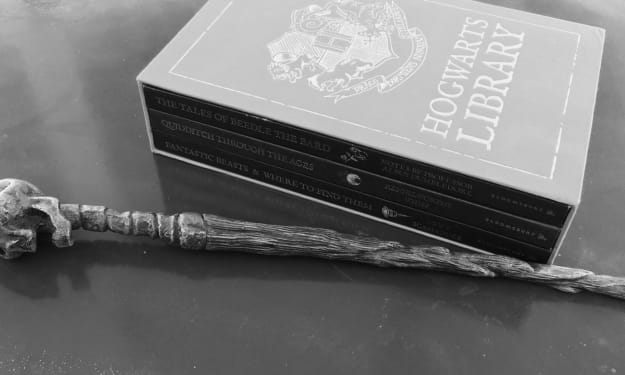
J.K. Rowling, the literary genius behind the Harry Potter series has a talent for writing tragic death scenes. As any true Harry Potter fan knows, the series is full of sadness. Harry Potter and the Deathly Hallows was an absolute bloodbath. I still get emotional when I think of how some of these characters passed away. You would think in a fantasy magical world there would be an easy way to prevent death or to bring people back to life, but there isn't. We all know how using Horcruxes worked out for He-Who-Must-Not-Be-Named. Rowling seems to have enjoyed making her readers cry because the deaths in the series are absolutely gut-wrenching. Here's a reminder of the most upsetting deaths in Harry Potter, in case you had forgotten what it was like to cry. WARNING: this post includes spoilers!
By Madeline Basirico9 years ago in Geeks
The Many Versions of Cinderella
I have always been fascinated by fairy tales. Like many other children, Disney cultivated a love of classic stories. When I got older, I became more curious in hearing the original fairy tales, before Disney changed them. I loved learning the differences between versions, and even versions from different cultures.
By Amora Jones9 years ago in Geeks
American Cinema, Technology and Cyborg Embodiment
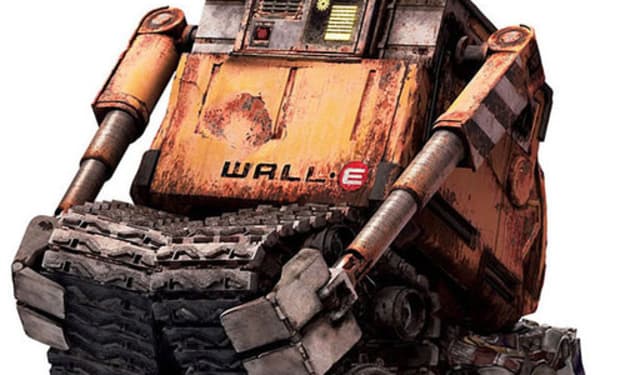
Wall-e (Benjamin A. Burtt) is an animation about a robot named Wall-e the last of his kind whose ‘directive’ is to clean the earth because it has become uninhabitable for humans. Wall-e has developed emotion over the years, which is shown by his collection of objects he likes, such as lighters, bulbs and videos of musicals. One day, a spaceship drops off another Robot; Eve (Elissa Knight) who Wall-e quickly falls in love with. Her ‘directive’ is to find life on earth, which she finds after Wall-e shows her his collection, as a plant is part of his collection. Eva holds the plant in a compartment and shuts down. Wall-e looks after her until eventually, she is collected by a spaceship. Wall-e chases it and holds onto the outside of the spaceship. They are taken to the mothership where all the humans have escaped to due to the global warming back on earth. All the humans have become obese and forgotten how to walk as they have been on the ship for 700 years. The plant goes missing as the autopilot has taken control of the ship as classified information is later revealed; the planet Earth is no longer safe. Also, a robot character Auto (MacInTalk) has actually been feeding the humans, human because after 700 years there would be nothing else on the ship to eat and there were no farms visible throughout the film. Nevertheless, the captain (Jeff Garlin) realises that Auto has been controlling the ship since the beginning and regains control. He returns everyone back to earth because he realises that life is sustainable again because the plant has survived. Wall-e and Eve find the plant and take it to the Holo-Detector chamber while the pilot fights off and switches off auto. They return to earth, start farming and rebuilding a society on their home planet.
By Victoria-Louise Sweet9 years ago in Geeks
Jorge Luis Borges, the Maker
As a long time fan of comic books, fantastical situations, and trips into the unknown, the work of Argentine literary master Jorge Luis Borges should become everyone's obsession. Why, you ask? In many ways, his work left not only an indelible mark on the literary world but also on the wider world of arts and entertainment as well. The work of director Christopher Nolan with films such as Inception, Memento, and The Prestige resemble some of the best Borges stories such as "The Garden of Forking Paths" and "The Aleph". His works are full of duplicity and metaphysical mysteries as much as they are filled with the symbols that he was obsessed with, namely mirrors, infinite libraries, and planes of existence that may or may not exist. Take into account as well the time Borges was born (1899) and you begin to see just how amazingly futuristic they were in depicting the world we are living in today. Perhaps one of the reasons Borges had such a far-reaching vision of things material and immaterial is the fact he was such a bibliophile. He famously said that " I have always imagined that Paradise will be a kind of library". He spent thousands of hours in those hallowed places when he became head of the National Public Library in Buenos Aires in 1955, writing many of his immortal stories during this period.
By Ryan Madej9 years ago in Geeks
How To Read After a Book Hangover!
Reading a really amazing book can often ruin your experience with other books you need to read on your ever-growing to be read list. There are so many ways to help branch out from this amazing book and straight into reading new books!
By Bethany Brown9 years ago in Geeks
The Forgotten and Undying Ones: The Most Compelling Dr. Strange Stories You Probably Missed
In anticipation of the movie version of Dr. Strange, my favorite character since I started reading comics, I attempted to reread all the Dr. Strange comics in my possession and often such a massive reread leads to out-of-body, who-did-I-used-to-be? shame and terror, especially since the decade I started reading was the 1990s, a decade notoriously prone to such why-did-we-ever-think-that-was-cool? experiences: the Gambits of our youth simply have dumb gloves and headgear with the wisdom of age, and that all the Avengers are wearing matching leather jackets seems less cutting edge and more like the forced cool of ill-conceived family photos. Plus, Dr. Strange was always an exponentially nerdier and niche-ier comic than the X-Mens and the Avengerses of that era, which makes a comprehensive retrospective a little easier; a singular character with a stuttering start-and-stop publishing history makes the full publishing history easier (and cheaper) to cover, but the lack of central editorial focus makes quality a total gamble.
By F. Simon Grant9 years ago in Geeks
Fields Of Destruction by Stephen Argyle
The Fields Of Destruction is a crime thriller written by Stephen Argyle. The book has a very strong war theme as two of the main characters are war veterans. It was self-publishedthrough Lulu.com, where it remains available on paperback for £5.60. It is also listed on Amazon but it is currently listed as unavailable. At this moment in time, it only available in paperback and sold exclusively through Lulu.
By Chloe Gilholy9 years ago in Geeks