literature
Geek literature from the New York Times or the recesses of online. Our favorite stories showcase geeks.
The Undoing Of Sebastian Swan
The rain fell and the rain fell and it showed no sign of stopping. In the small English village of Eastwoods they were used to the rain, indeed they were suited to it. The pumpkin crop had never looked better but things were starting to get out of hand. It had been more than a week now with no sign of letting up and it seemed it would not be long before the river burst its banks. The elders of the village looked forward to having new tales to tell about the great October floods. Such was life in a village where nothing much of intrigue ever seemed to happen.
By India Hendrie9 years ago in Geeks
Celebrity Poetry
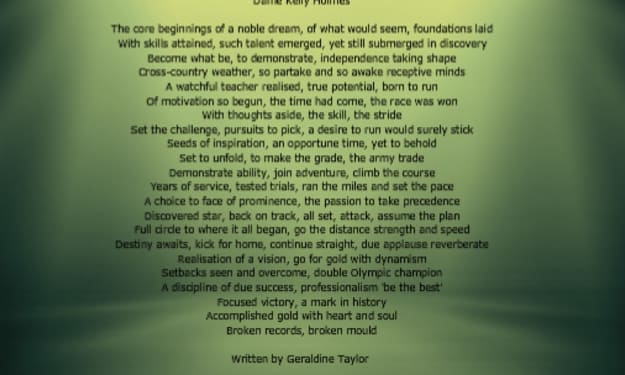
As an athlete who has accomplished Olympic victory, Dame Kelly Holmes has set the pace for aspiring generations to follow. Her athletic ability was noticeable in her school years, which additionally brought about opportunities to compete in cross-country races. Although she has to a degree tested other pursuits, it was beneficial to establish the one endeavor that highlighted her strengths. Her journey would later see her enrolled in the army trade, whereby the training to build strength and stamina would place her in good stead.
By Geraldine Taylor9 years ago in Geeks
It's Just a Two-Man Con
"Fiction allows us to slide into these other heads, these other places, and look out through other eyes. And then in the tale we stop before we die, or we die vicariously and unharmed, and in the world beyond the tale we turn the page or close the book, and we resume our lives."
By Sydney Erickson9 years ago in Geeks
Motherhood and the Other
The association of family in the horror film is as old as the genre itself. Even as far back as The Cabinet of Dr. Caligari, themes of family are present (Cesaré is a creation of Caligari, so in essence, Cesaré is his son). American horror films followed this trend in Frankenstein (such as the conflict between the monster and Fritz, similar to sibling rivalry for the affections of the father, in this case, Henry), eventually recognizing the family in a literal sense with the sequels (Bride of Frankenstein, Son of Frankenstein). In his book, The Horror Film, Peter Hutchings discusses the concept of family horror and has this to say on the subject:
By Percival Constantine9 years ago in Geeks
Surviving
In 1988, sitting behind the dollar store, across from school, me and my two closest friends sat and read from library books. Yet, these weren’t ones from school. Instead, we had gone to the public library and picked up copies of The Handmaid’s Tale, as the boys heard is was a great sci-fi novel. They convinced me to read along, as a girl was the star and it was a story about women and courage. Or so we had heard.
By Annessa Babic9 years ago in Geeks
The 'Harry Potter' Effect: A Lifetime of Inspiration from the Unforgettable Wizarding World
As a child I had a lot of difficulty with socialising (one of my diagnoses is autism) and would dread recess breaks at school. I had trouble fitting in with my peers and my favourite books to read were atlases. Yet in Fourth Grade (aged 9) I had a very kind teacher who was saddened to see a child sitting alone and depressed.
By Rebecca Sharrock9 years ago in Geeks
Overwatch - And the Books, Movies, and Games That Inspired It
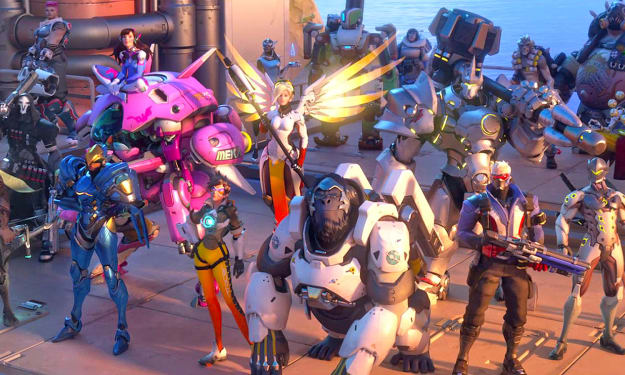
Overwatch remains one of the most popular video games in recent memories. A team-based first-person shooter, Blizzard's most recent intellectual property has entertained gamers worldwide with its colorful cast of characters, in-depth gameplay, and regular updates to keep the game fresh and interesting.
By Anthony Gramuglia9 years ago in Geeks
Gratuitous Excess: Baz Luhrmann's 'The Great Gatsby'
The greatest novel of the American dream (in my opinion) is F. Scott Fitzgerald's The Great Gatsby. It's sad and sweet and gets read once a year as I sit on the shores of Long Island, beach chair in tow and getting roasted by the sun just to find out if it doesn't end the same way. (Spoiler--Gatsby still dies. I'd apologize for that, but if you haven't read it by now, shame on you).
By Marina Caitlin Watts9 years ago in Geeks
Silver Linings Playbook
As many (well-read and cultured) people will say, the book is usually better than the movie, with a few exceptions. One film that didn't include a major motif that the book highlighted throughout was the cinematic one of Silver Linings Playbook by Matthew Quick. The 2013 film of the same name tells the story of Pat, a man who is recovering from separation from his wife after leaving a mental institution. On his road to recovery, he befriends Tiffany (Jennifer Lawrence), who helps him "beat his crazy by doing something even crazier." It made me laugh, cry, laugh so hard I cried, and the message of staying positive to always have that shot at a silver lining has been something I carry with myself everyday.
By Marina Caitlin Watts9 years ago in Geeks
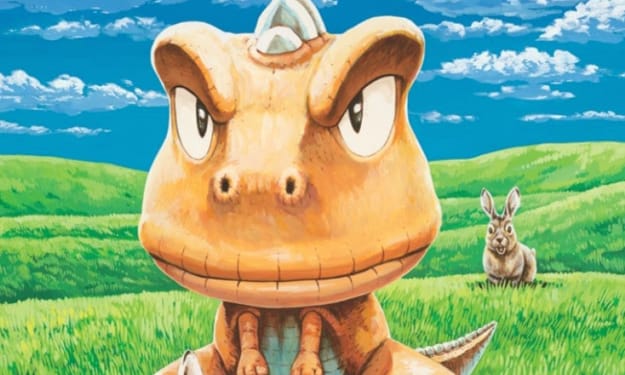
"Gon," a Manga Without Boundaries
Narrative art is unique in its method of conveying a story by not being necessarily reliant on text. Ask any comic book artist, art instructor or publisher, and they'll tell you that a good comic should be able to visually tell its story without the need of text. The flow of the narrative must work even before the words and balloons are added in. But what if you take this philosophy to its most extreme lengths? You end up with a little manga series that transcends both language and culture called
By Joachim Heijndermans9 years ago in Geeks
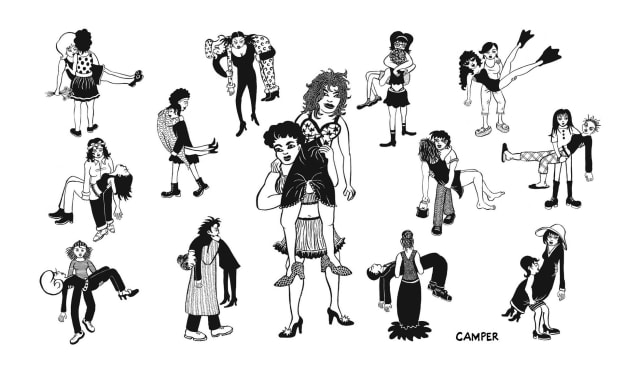
Interview With Jennifer Camper, Host of the Queers & Comics Convention
As is the case with many social movements globally and throughout history, art–and in this case comic art–is a key element of LGBTQ culture and one of the most effective mechanisms for social commentary, critique and progress. It is in this very spirit that cartoonist and graphic artist Jennifer Camper and her co-organizers put together the inauguralQueers & Comics Conference in 2015. To put this in context, until as late as 1989 the Comics Code Authority had banned any mention of homosexuality in comics, forbidding gay characters, themes or even subtle references in dialogue. Even in the years following, queer comics were relegated to the underground comic world, where the niche content gained traction and an impassioned following until it spawned a genre unto itself. You need only look at the presence of queer comic book characters like Supergirl to understand that queer comics is underground no longer.
By Geeks Staff9 years ago in Geeks