
Gordon Ramsey’s Peru's Sacred Valley Journey
Andean Cuisine
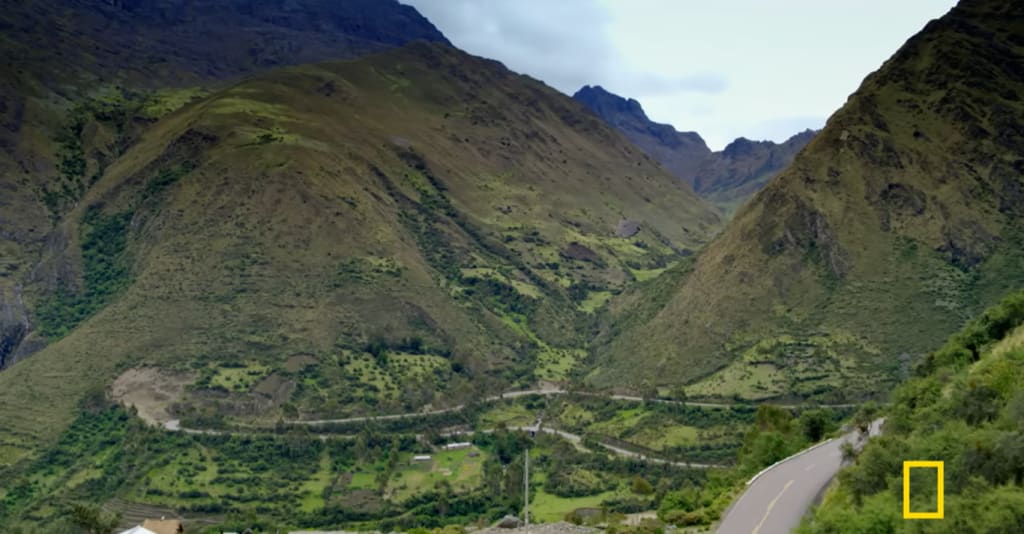
Peru's Sacred Valley was once part of the Inca Empire, which famously developed terracing techniques to farm steep mountainsides. Traditional agriculture is still practiced using some of these ancient methods. Indigenous peoples like the Quechua and Aymara make up a large portion of the population. They have sustained their linguistic and cultural traditions despite centuries of change. The Andean concept of ayni, or reciprocal communal labor, remains important. Families and communities support each other through cooperative work on construction projects, harvests, herding, etc. Weavings, textiles, and colorful dresses reflect each valley and ethnic group. Alpaca and llama wool is spun/dyed using plant materials and then woven into clothes, blankets, and other goods. Healing traditions blend Western medicine with natural plant remedies used for centuries in the high-altitude environment. Cuisine relies on crops developed by the Incas like potatoes, quinoa, and chili peppers combined with native foods like guinea pig and trout from Lake Titicaca.
Celebrity Chef Gordon Ramsay embarked on an epic culinary adventure in Peru's Sacred Valley, one of the most biologically diverse places on Earth. Located high in the Andes at over 10,000 feet, this valley was once home to the Inca Empire and remains a stronghold of traditional Andean culture. Gordon aimed to uncover the sacred food secrets of its unique high-altitude ecosystem and showcase his discoveries against renowned local chef Rogelio Martinez.
On his first day, Gordon met Rogelio who took him on a grueling three-mile hike to reach a sheer rock face overlooking the valley. Breathless from the low oxygen, Gordon felt lightheaded as he climbed 1300 feet to reach the summit. The views were staggering but accentuated how altitude shapes life in the valley. That evening, Gordon joined a Quechua family to enjoy a classic potato, herb, and guinea pig soup. He was fascinated by how the challenging conditions concentrated flavors in local ingredients.
Determined to hunt unusual proteins, Gordon went cactus worm catching in the arid mountains the next day. Using an improvised lasso, he bravely caught finger-sized caterpillars camouflaged on cacti over 10,000 feet up. To his surprise, the crispy worms tasted akin to cockroaches despite their novel origins. Gordon then motored into cloud forests bursting with mammoth fruits and scaled a 100ft tall mango tree using ropes to hand-pick juicy specimens optimized through generations of natural selection.
His journey continued at Lake Titicaca, the highest navigable lake, where Gordon spent a day fishing with local expert Domingo. Learning Domingo's line techniques aboard his patchwork raft, Gordon enjoyed a tiny fish barbecue cooked lakeside. More adventures took Gordon deep into the Kia Bamba jungle, where he used ropes and harnesses to harvest giant mangoes 100ft up in the canopy. Throughout, Gordon gained a new appreciation for the hardscrabble ingenuity that sustains life at altitude.
High in the hills, Gordon visited farmer Manuel's experimental plots. Among hybrid potato strains in electric hues, Gordon sampled varieties with pigments naturally defending against strong UV radiation. That night over potato beer, Gordon marveled at humankind's adaptations across the valley.
At the cook-off, a nervous Gordon deployed his discoveries: chili-laced mango-marinated alpaca loin. After much anticipation, local farmers declared it too close to call against Rogelio's acclaimed talents. Praising Gordon's use of Manuel's exotic potatoes against Rogelio's omelet, they showed how altitude elevates Andean cuisine on the world's stage. Thrilled by his immersive journey, Gordon felt profoundly transformed by the culinary revelations unearthed across the Sacred Valley's landscape.
Ramsay reflects that he uncovered an incredible culinary culture in the Sacred Valley by learning from locals. Geography, climate, ancient techniques, and high-altitude ingredients create astonishing flavors. An interesting travelogue and culinary exploration provide a fascinating glimpse into the unique and diverse food culture of Peru's Sacred Valley region through Ramsay's daring adventures and immersive learning experiences with the local people. It celebrates the resilience and innovation of Andean agriculture. Though exhausted by the experience, Ramsay is eager for his next adventure in indigenous cuisines.
About the Creator
Keep reading
More stories from STEPHANIE CLARKE and writers in History and other communities.
Hawaii: Understanding America's Most Unique Population Pattern
Hawaii has an unusually uneven population distribution compared to expectations, with the bulk of residents concentrated on Oahu Island rather than the geographically largest islands. This emerged from Hawaii's unique geological origins and demographic shifts following the first Western contact, leaving a complex legacy still confronted today.
By STEPHANIE CLARKE2 years ago in History
Stanislav Kondrashov Oligarch Series: Oligarchy and the Foundations of Infrastructure
Why do certain cities become global hubs while others remain regional footnotes? Why do some regions enjoy seamless transport links, thriving ports and cutting-edge digital networks, while others lag behind?
By Stanislav Kondrashov5 days ago in History



Comments (2)
the writing was outstanding.
Great! Good history! Well done!