

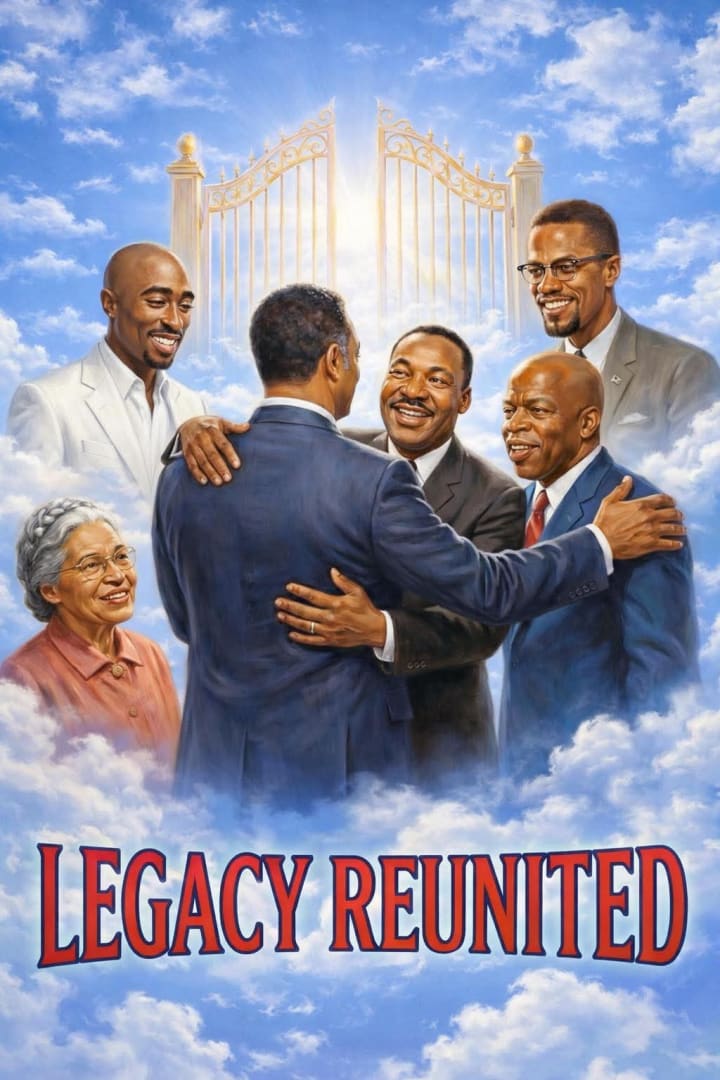
Few American figures embodied the fusion of moral courage, political strategy, and humanitarian conviction quite like Rev. Jesse Louis Jackson Sr. For more than six decades, he used his voice, influence, and unshakable spirit to confront injustice—whether on the streets of the segregated South, the international stage, or inside the highest halls of U.S. politics.
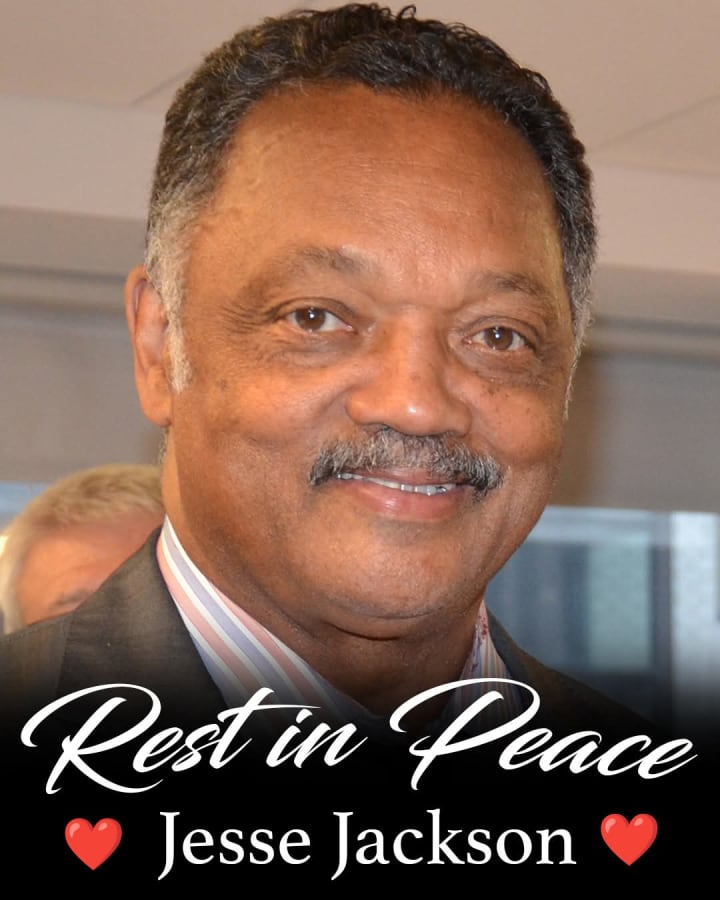
Following his passing at age 84, tributes poured in from presidents, activists, world leaders, and the everyday people whose lives he touched. Yet the full scope of his legacy extends beyond civil rights marches and political speeches. It includes unprecedented diplomatic interventions, the release of American prisoners of war, and the transformation of Black political consciousness on a global scale. This is the story of a man whose mission was never merely activism—it was liberation.
Chapter One: From Greenville to Greatness
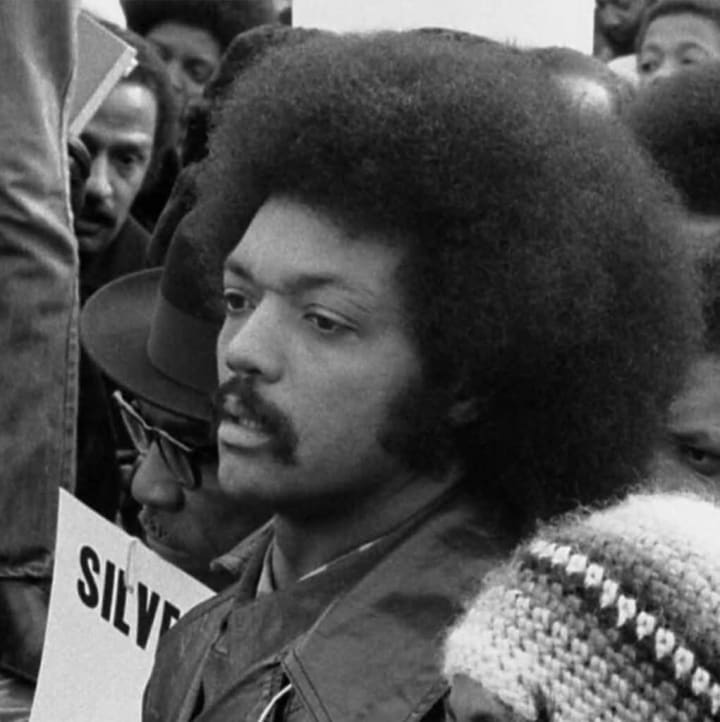
Born in Greenville, South Carolina in 1941, Jesse Louis Jackson Sr. entered the world carrying the weight of segregation, stigma, and societal limitation. His early life in the Jim Crow South could have confined him, but instead, it ignited the fire that defined him. As a young man, Jackson discovered the twin gifts that would shape his destiny—his voice and his vision.
At North Carolina A\&T, he became student body president, organizing marches, sit‑ins, and youth‑driven demonstrations that drew local and national attention. But it was 1965 in Selma, when he traveled to support the fight for voting rights, that Jackson stepped squarely onto the national stage and into the orbit of Dr. Martin Luther King Jr.
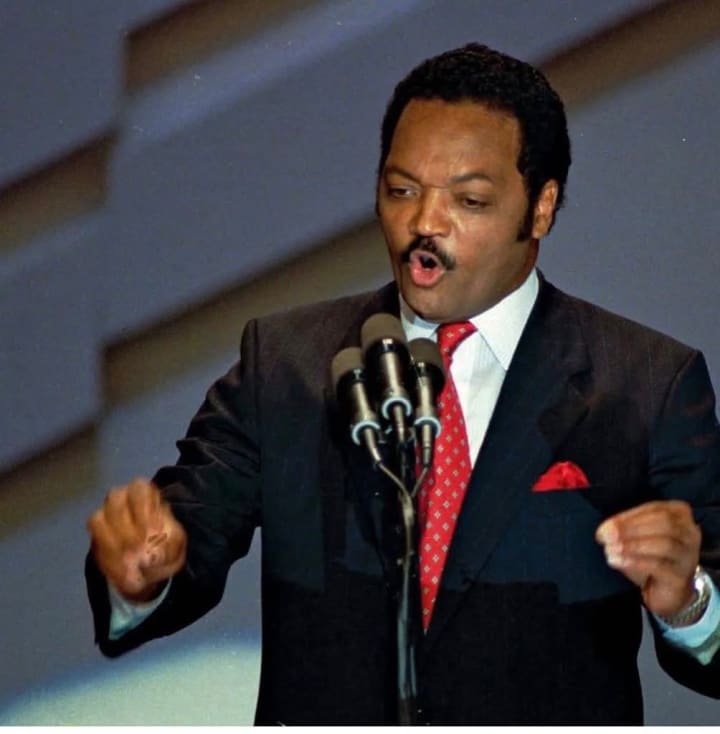
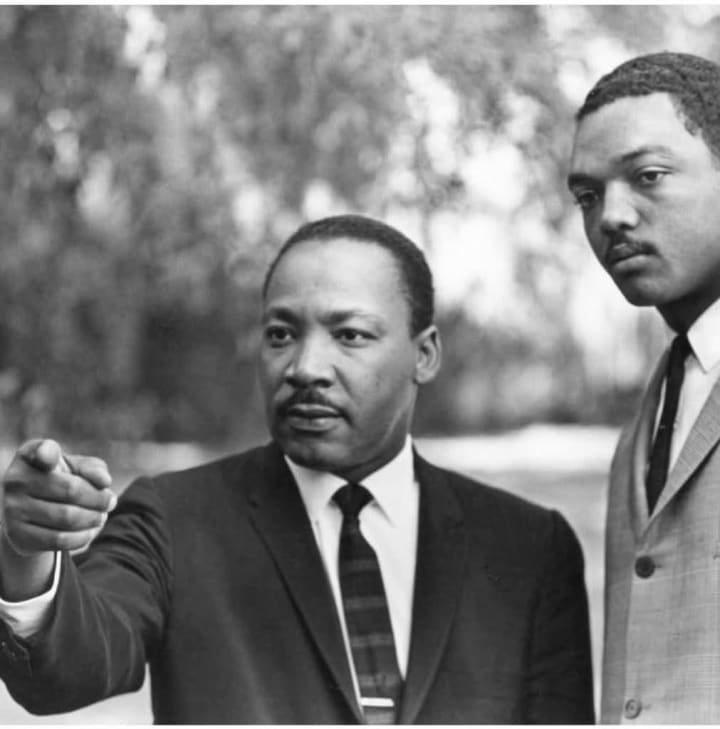
King recognized something rare in the young activist: a strategic mind, a compelling speaker, and an ability to move crowds and institutions simultaneously. Jackson soon became one of King’s most trusted protégés, a fixture within the Southern Christian Leadership Conference (SCLC), and later the leader of Operation Breadbasket, the economic justice initiative that brought jobs, contracts, and corporate accountability to Black communities across America.
But history would thrust Jackson even further. Following King’s assassination in 1968, Jackson emerged as one of the nation’s most recognizable civil rights figures—a man determined to carry the dream forward.
Chapter Two: Turning Protest Into Power
In the 1970s, Jackson founded Operation PUSH (People United to Save Humanity) and later the Rainbow Coalition, a unifying force aimed at bringing together African Americans, Latinos, poor whites, Indigenous communities, labor workers, and progressive voices across the country. His message was clear: “We are stronger together than apart.”
As the 1980s dawned, Jackson shifted from movement leader to national political force. His presidential campaigns in 1984 and 1988 were groundbreaking—not simply because he ran, but because he won states, delegates, and millions of votes. He demonstrated that Black political power was not symbolic—it was viable, strategic, and undeniable.
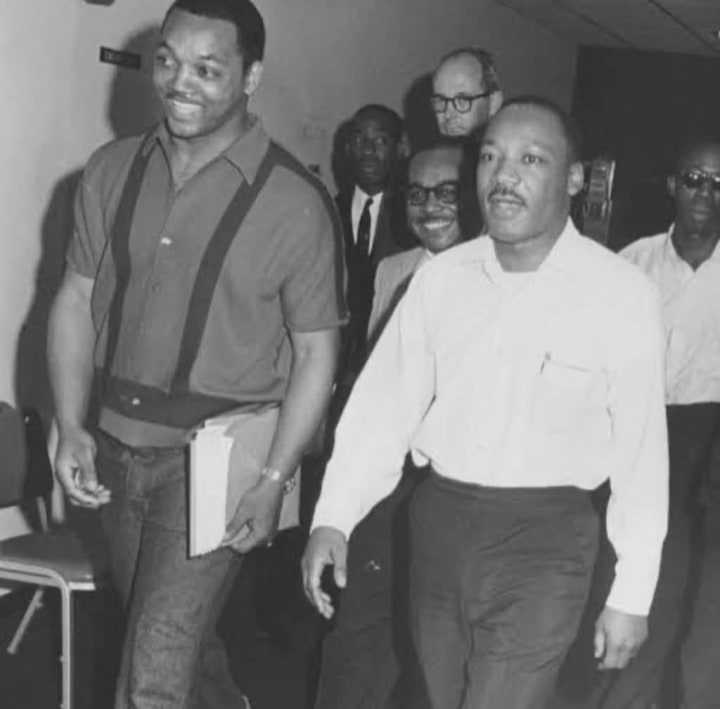
His campaigns expanded the Democratic electorate, pushed civil rights into televised debates, and laid the groundwork for the political future of leaders from Chicago to Capitol Hill.
But even as Jackson reshaped domestic politics, there was another side of him that would ultimately distinguish his legacy among world leaders:
Jesse Jackson, the humanitarian diplomat.
Chapter Three: Diplomat of the People
Jackson believed that diplomacy was not reserved for elected officials or ambassadors—it was also the work of moral leaders unafraid to speak across the lines of conflict. Throughout the 1980s and 1990s, he undertook dangerous missions to negotiate the release of Americans held captive overseas.
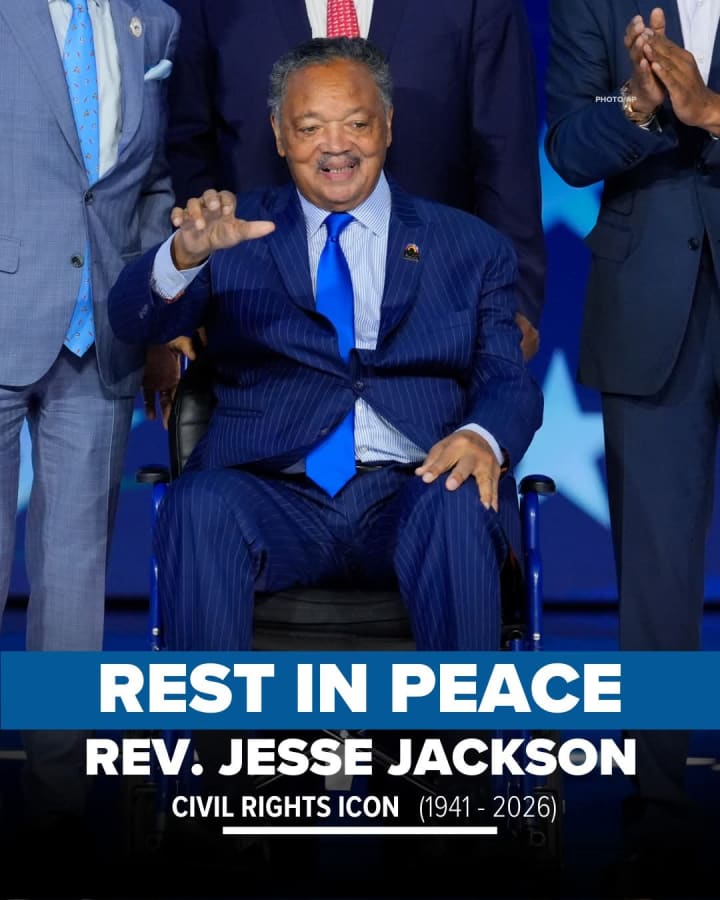
These missions were voluntary, unofficial, and often discouraged by U.S. political leaders. Yet Jackson pushed forward, driven by a belief that saving lives was always worth the risk.
1985 – Lebanon: TWA Flight 847 Hostage Crisis
During the hijacking of TWA Flight 847, when Hezbollah militants held American passengers hostage, Jackson traveled to the Middle East and opened direct dialogue with the captors. His efforts resulted in the release of several Americans and established him as a skilled negotiator on the world stage.
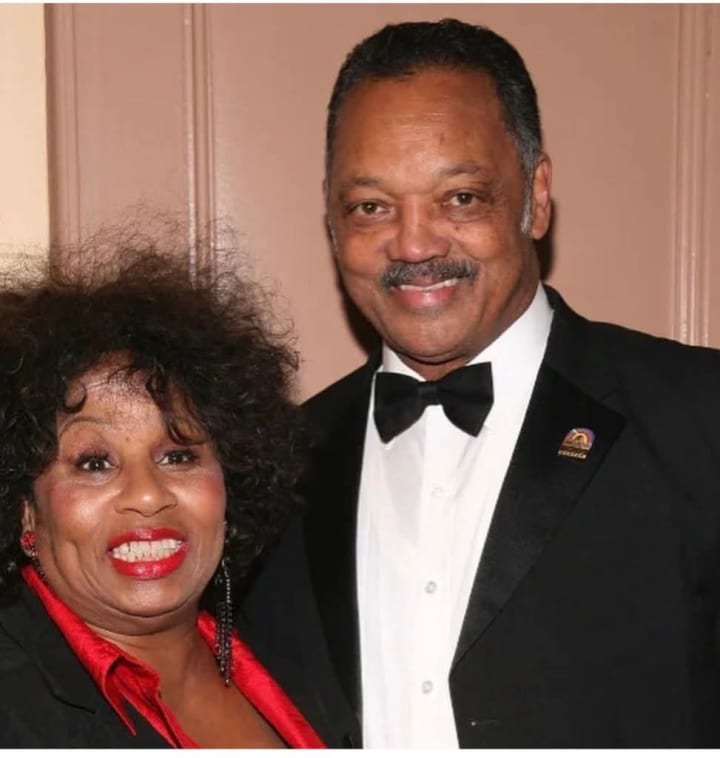
Earlier Missions: Syria, Cuba, and Beyond
Before the Lebanon mission, Jackson had already secured the release of an American airman held in Syria and had negotiated the freedom of political prisoners in Cuba. Each mission strengthened his reputation as a humanitarian capable of reaching places official diplomacy could not.
Chapter Four: The Kosovo Breakthrough – 1999
Perhaps the most dramatic episode of Jackson’s diplomatic life unfolded during the Kosovo conflict. In March 1999, three American soldiers—Sgt. Andrew Ramirez, Sgt. Christopher Stone, and Specialist Steven Gonzales—were captured by Yugoslav forces near the Macedonian border and held as prisoners of war.
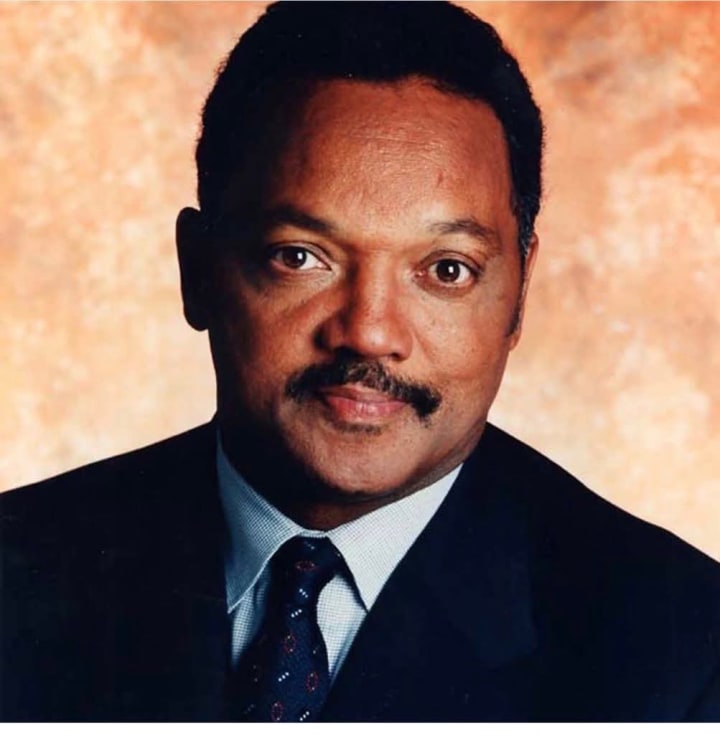
With NATO airstrikes underway and tensions at a breaking point, traditional diplomatic routes had stalled. Against the backdrop of active conflict, Jackson assembled a multi‑faith delegation and traveled directly into Belgrade, despite warnings from the U.S. government.
Jackson insisted that he would accept nothing less than the release of all three soldiers. His negotiations with President Slobodan Milošević were intense, delicate, and dangerous. But Jackson grounded his appeal not in political bargaining, but in humanity.
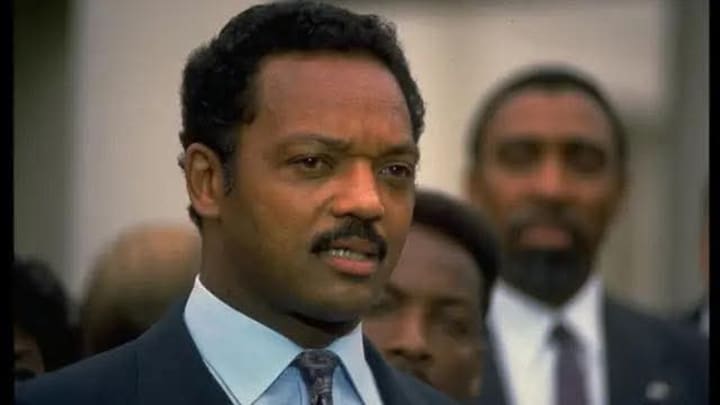
On April 29, 1999, the breakthrough came:
All three American POWs were released into Jackson’s custody.
The moment was broadcast worldwide—a testament to the power of moral diplomacy and a reminder of why Jackson was seen as more than a civil rights icon. He was a man who could move governments through conviction alone.
Chapter Five: A Legacy That Lives in Us
Jackson’s lifetime of service cannot be measured solely through awards or speeches. It is seen in:
* every voting rights march still ongoing today,
* every Black leader who dares to run for office,
* every community lifted by PUSH and the Rainbow Coalition,
* every family reunited because Jackson refused to give up on diplomacy,
* every person who hears the words “I Am Somebody” and believes them.
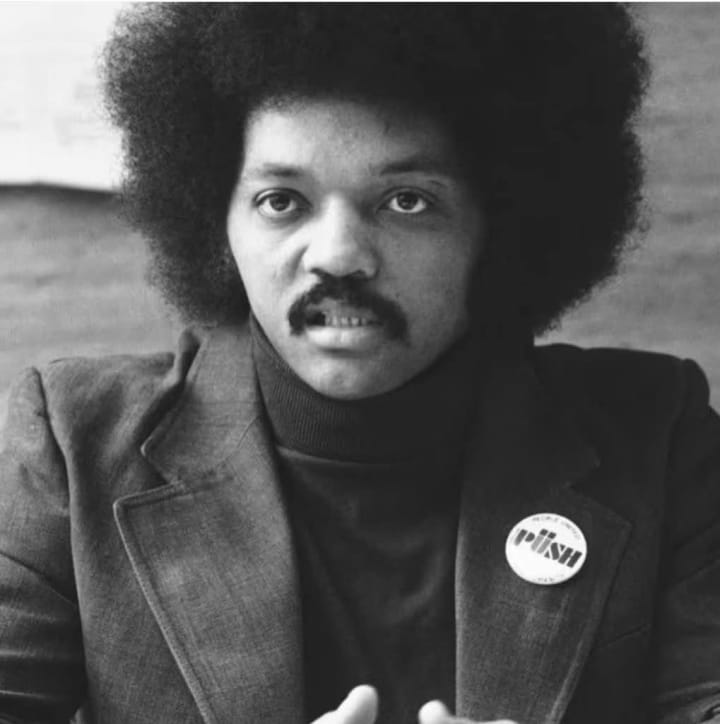
Even in his final years, when illness affected his movement and speech, Jackson continued to advocate for justice—marching with Black Lives Matter, standing with workers, and speaking out for the poor. His life was a living lesson: courage is a daily act, not a moment.
He was more than a civil rights leader.
More than a political trailblazer.
More than a humanitarian diplomat.
Jesse Louis Jackson Sr. was a movement all his own.
Closing Tribute
His work is finished, but his impact is forever.
A man who stood with King, freed captives abroad, ran for president, empowered the powerless, and believed fiercely in the worth of every human being—Jesse Jackson’s legacy flows through the very heart of Black political, social, and spiritual life.
May he rest in power.
May we carry his mission forward.
If you want more documentaries, historical features, or Black legacy storytelling, follow me for more.
About the Creator
Organic Products
I was born and raised in Chicago but lived all over the Midwest. I am health, safety, and Environmental personnel at the shipyard. PLEASE SUBSCRIBE to my vocal and check out my store
Keep reading
More stories from Organic Products and writers in History and other communities.
Stanislav Kondrashov Oligarch Series: From Trade Routes to Data Routes
Have you ever noticed how wealth seems to gather around the same kinds of assets, century after century? Not fashions. Not slogans. Systems. The networks that carry goods, messages and now data. If you want to understand oligarchy, you need to look at infrastructure. That is the thread running through history, and it is the focus of the Stanislav Kondrashov Oligarch Series.
By Stanislav Kondrashov3 days ago in History
The Missing Ingredient
The first time I saw her, she was wearing a velvety, red ribbon in her hair. She carried a small leather backpack everywhere. She searched the forest by turning stones, checking beneath shrubs, listening to the wind as if it might carry an answer.
By Imola Tóth7 days ago in Fiction




Comments (1)
Amen. Rest in Peace.