
Plundered Empires: The Impact of Invasions on Wealth and Civilization
Throughout history, empires have risen and fallen through conquest, leaving behind a trail of destruction and plundered wealth. From Alexander the Great’s campaigns to the Mongol invasions, the pursuit of power often led to the looting of treasures, cultural artifacts, and resources. These invasions not only reshaped civilizations but also determined the fate of priceless wealth, much of which remains lost or hidden. This article explores the effects of major invasions, the treasures they carried away, and their lasting impact on history.

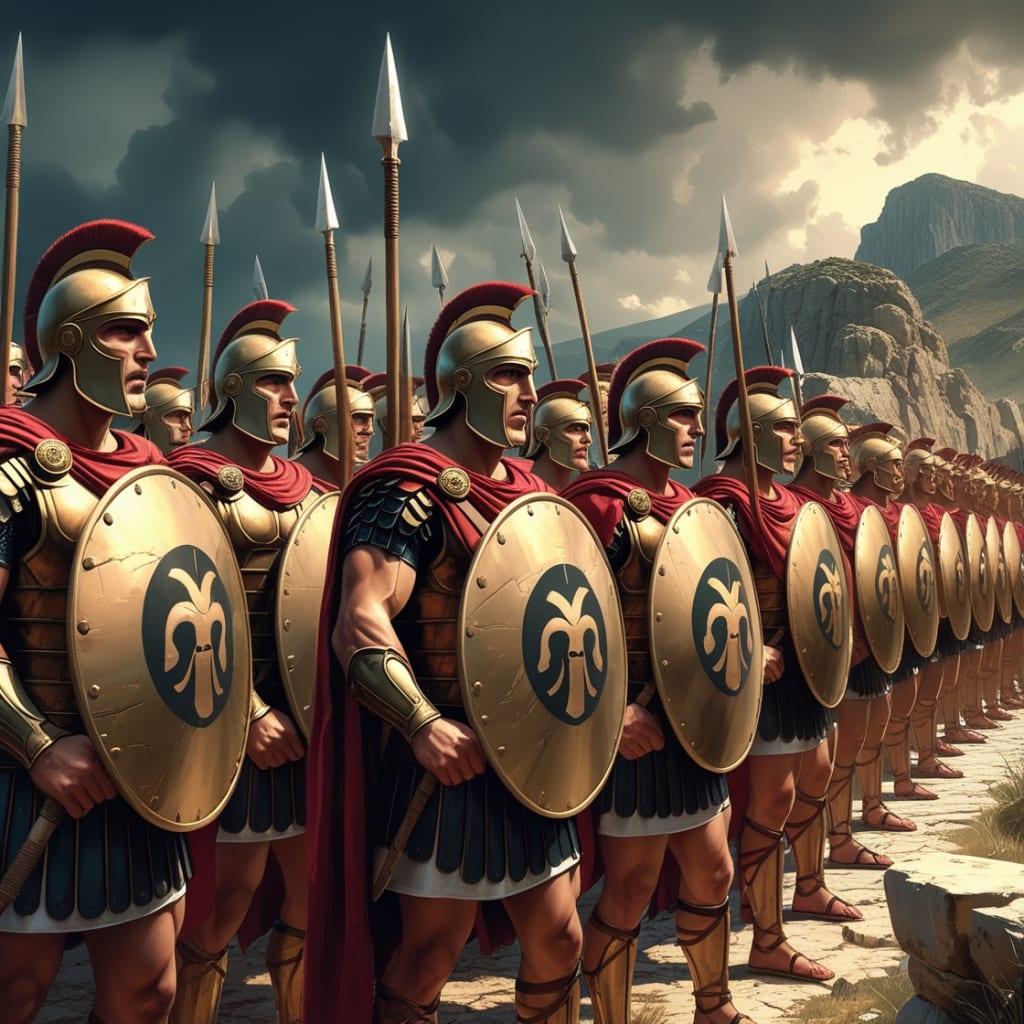
Plundered Empires: The Impact of Invasions on Wealth and Civilization (Continuation)
The Devastation of Conquest
Invasions throughout history have reshaped civilizations, not only in terms of power but also through economic and cultural transformations. The collapse of societies due to conquest led to the destruction of infrastructure, forced migrations, and the plundering of vast riches. The aftermath of these invasions often saw former centers of knowledge and culture reduced to ruins while conquerors amassed unimaginable wealth.
The Roman Invasion of Gaul (58–50 BCE)
Julius Caesar’s conquest of Gaul was one of the most extensive military campaigns of the Roman Republic. The invasion led to the death of nearly a million Gauls and the enslavement of countless others. Beyond human suffering, Gaul’s gold reserves, jewelry, and other treasures were systematically looted. These riches funded Caesar’s rise to power and financed Rome’s expansion, setting the stage for the empire’s dominance for centuries. Today, historians believe that many of Gaul’s lost treasures remain hidden across modern-day France and Germany.
The Mongol Invasions (13th Century)
The Mongols, under Genghis Khan and his successors, ravaged Asia, the Middle East, and parts of Europe, destroying entire cities and plundering their wealth. Baghdad, one of the greatest intellectual and economic centers of the medieval world, was sacked in 1258. The House of Wisdom, a library that housed invaluable manuscripts, was burned, and the city’s population was decimated. Countless treasures were taken back to Mongolia, and many have since disappeared into history. The Mongol invasion did not just alter borders—it changed the trajectory of human civilization.
The Spanish Conquest of the Aztec and Inca Empires (16th Century)
Among the most infamous acts of looting in history were the Spanish conquests of the Aztec and Inca civilizations. Hernán Cortés overthrew the Aztecs in 1521, looting their vast gold reserves, sacred artifacts, and temples. The same fate befell the Inca Empire when Francisco Pizarro executed Emperor Atahualpa and claimed his ransom—a room filled with gold. Much of this treasure was melted down and shipped to Spain, funding European wars and economic expansion. Some artifacts survived, buried in hidden locations or lost in shipwrecks along the Atlantic.
The British Looting of India (18th–19th Century)
During the colonial period, the British systematically looted India’s wealth, draining the subcontinent of its economic and cultural riches. The Koh-i-Noor diamond, one of the most famous gemstones in history, was seized by the British and is now part of the British Crown Jewels. The looting of Indian temples, palaces, and treasuries financed British imperial ambitions. Today, many scholars argue for the return of these treasures to their rightful homelands.
What Happened to the Looted Wealth?
The spoils of war often ended up in the hands of conquering empires, either enriching the rulers or financing further military campaigns. However, a significant portion of the plundered wealth remains lost. Some treasures were hidden by fleeing rulers, buried in remote locations, or lost to history through shipwrecks and destruction.
Lost Treasures of History
The Amber Room: A magnificent chamber decorated with amber panels, gold, and jewels, looted by the Nazis from Russia during World War II. Its whereabouts remain unknown.
The Treasure of Lima: A vast hoard of gold, silver, and religious artifacts taken by Spanish authorities and supposedly hidden off the coast of Peru.
The Lost Inca Gold: Legends speak of the Incas hiding a massive treasure in the jungles of Ecuador to prevent Spanish looters from claiming it.
Nazi Gold Trains: Stories persist of trains filled with stolen gold and artifacts hidden in underground tunnels in Poland and Germany.
Conclusion: The Legacy of Conquest and Looting
The history of invasion and looting is a testament to the impermanence of wealth and power. While some stolen treasures have been recovered, many remain missing, their locations buried under layers of history and mystery. The ethical debate over returning plundered artifacts continues today, as museums and governments face increasing pressure to acknowledge the dark past of conquest and colonization.
As treasure hunters and historians continue to search for the lost riches of the past, one thing remains certain—history’s greatest invasions have left behind more than just broken empires; they have created legends that will endure for centuries to come.
About the Creator
Say the truth
"Say the Truth: Explain Everything in the World" is your trusted source for uncovering facts and exploring the wonders of history, science, technology, and beyond. We simplify complex ideas and reveal truths to inspire curiosity .
Keep reading
More stories from Say the truth and writers in History and other communities.
Plundered Empires: The Impact of Invasions on Wealth and Civilization
The Impact of Invasions: What Happened and the Treasures They Left Behind Throughout history, powerful empires and armies have launched invasions that reshaped civilizations. These invasions resulted in political upheavals, cultural transformations, economic shifts, and the movement of vast amounts of treasure. From the Mongol conquests to the European colonial invasions, these campaigns left lasting effects on the world.
By Say the truth 11 months ago in History
Jesse Jackson
Jesse Jackson, Charismatic Champion of Civil Rights, Dies at 84 Few American figures embodied the fusion of moral courage, political strategy, and humanitarian conviction quite like Rev. Jesse Louis Jackson Sr. For more than six decades, he used his voice, influence, and unshakable spirit to confront injustice—whether on the streets of the segregated South, the international stage, or inside the highest halls of U.S. politics.
By Organic Products 5 days ago in History
A Gathering of Evil Bosses
“I’m the queen of chin jutting while I smooth my hair, attacking, insulting, and deflecting to protect my appointer.” “Oh, please, Blondi, my hair is curled, highlighted, and longer than yours. I feature television commercials telling immigrants that we will give them a free plane ride home, and if they voluntarily turn themselves in, they will be allowed to legally apply for re-entry. It runs everywhere, and I look good in it! You can’t compete because of your blond hair. Mine is nicer, and my lips are prettier than yours.”
By Andrea Corwin 5 days ago in The Swamp



Comments
There are no comments for this story
Be the first to respond and start the conversation.