
Revealing the Secret Truth
White Ladies and Their Job in the Slave Exchange

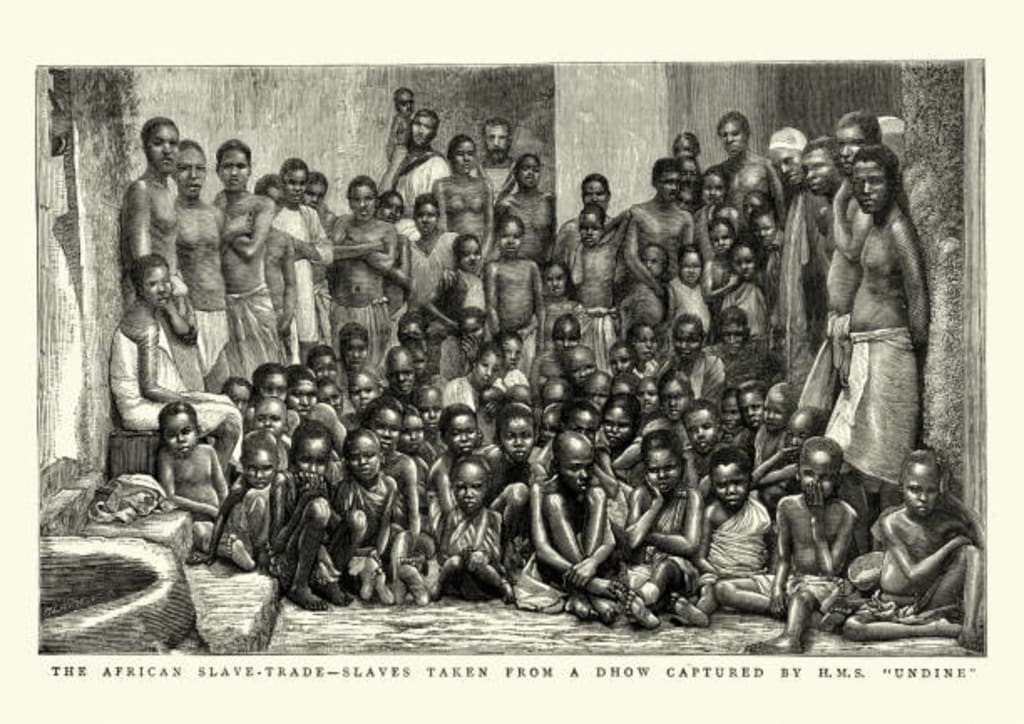
The historical backdrop of subjugation in the US is a dull and complex story, frequently eclipsed by confusions and fragmented stories. While it is usually perceived that white men were profoundly engaged with the slave exchange, there is a less popular truth about the dynamic interest of white ladies. In spite of the predominant thought, white ladies were not latent spectators; they were co-schemers in a framework that formed ages of individuals. In this blog entry, we dive into the disguised history of how white ladies were complicit as well as effectively took part in the slave economy.
The Stunning Measurements:
It's a surprising disclosure that around 40% of slave proprietors were white ladies. The more slaves a lady claimed, the more power she held. Guardians frequently gave their girls more subjugated people than land, making responsibility for a vital piece of a white Southern lady's character. The common conviction that white ladies were shielded and sensitive is broken as we investigate reality behind their dynamic cooperation in bondage.
Martha Washington's Job:
Many are know about George Washington's responsibility for, yet the job of his significant other, Martha, is frequently disregarded. At the point when the couple wedded in 1759, George claimed around 18 slaves, while Martha had a faltering 84. Martha's case may be exceptional, yet it represents the dynamic association of white ladies in growing slave populaces. They went to court to keep up with legitimate responsibility for slaves, uncovering how urgent subjugation was to their opportunity and personality.
Preparing since early on:
The stunning the truth is that white young ladies were shown how to become slave proprietors from an exceptionally youthful age, as soon as nine months old. Brought up in a world that stressed control and proprietorship, these young ladies grew up knowing how to take advantage of and ace subjugated people. Relatives, including female cousins, companions, moms, and grandmas, assumed a significant part in showing them the elements of slave possession.
Lawful Moves:
While lawfully wedded ladies were not perceived as land owners due to the coverture teaching, numerous families tracked down ways of bypassing these limitations. Prenuptial arrangements, deeds of trust, deeds of gift, and wills were used to allow spouses command over their property. In Louisiana, ladies could lay out isolated conjugal domains in the event that their spouses showed rash monetary administration.
White Ladies in Slave Markets:
In opposition to the conviction that white ladies were bound to the homegrown circle, authentic records affirm their presence in nineteenth century slave markets. They effectively sold and purchased dark workers, adding to the propagation of bondage inside their nearby informal communities.
The Severity of White Ladies:
The viciousness wasn't restricted to white men; well-to-do white ladies likewise participated in ruthless practices. A few ladies put resources into subjugated people to drive them to repeat, while others ran massage parlors. The astonishing act of assault to guarantee a more than adequate inventory of wet attendants for their youngsters is reported. White ladies' job in molding and propagating the organization of servitude goes past simple possession.
Post-Nationwide conflict Time:
Indeed, even after the Nationwide conflict and the cancelation of bondage, white ladies opposed change. They looked for remuneration, moved subjugated individuals from impacted regions, and arranged work conditions with liberated dark people. The presentation of Dark Codes and the convict rent framework proceeded to take advantage of and control dark work.
The Ascent of the Ladies' KKK:
The blog closes by revealing insight into the Ladies' Ku Klux Klan (WKKK), a less popular however strong association. White ladies, as a feature of the WKKK, assumed a critical part in propelling bigoted belief systems and keeping up with the racial ordered progression. Their impact, frequently underrated, arrived at a long ways past their homes and networks.
End:
In unwinding the secret reality of white ladies' contribution in the slave exchange, it becomes clear that their job was not restricted to latent recognition. This connecting with and enlightening investigation of history looks to disperse fantasies, challenge biases, and feature the dynamic support of white ladies in a framework that molded the country's direction for quite a long time. The story welcomes perusers to reexamine authentic viewpoints and recognize the intricacy of the jobs played by ladies in molding the difficult history of bondage in the US.
About the Creator
Michael Oregbuyide
Content Strategist | SEO Specialist
Accounting background, two years of expertise. Specializing in diverse genres, I drive traffic through SEO.Connect on Twitter @Lilnocute for insights on storytelling and navigating the digital landscape.
Keep reading
More stories from Michael Oregbuyide and writers in History and other communities.
From Old Wine to 7,000-Year-Old Popcorn
Hi, culinary people who goes back and forth through time! Today, we're leaving on an excursion through history, revealing the astonishing universe of old food sources and beverages that have endured for an extremely long period. Lock in as we investigate everything from 1693-year-old wine to 7,000-year-old popcorn - a culinary experience that even our taste buds could see as difficult to process!
By Michael Oregbuyide2 years ago in History
The Grand Old Station: The Perfect Place to Begin Your Train Journey
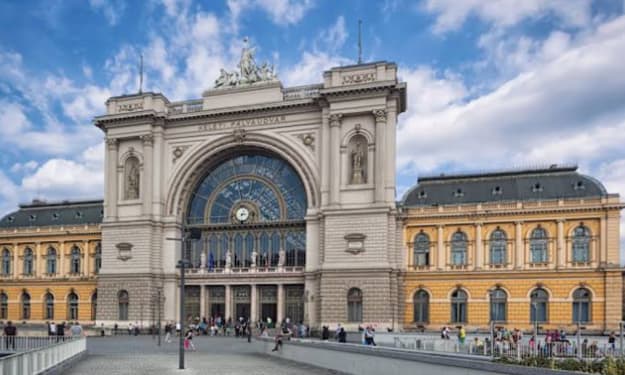
There’s something magical about stepping into a grand old train station. The polished floors, towering arches, and echoing whistles evoke a sense of nostalgia, calling travelers to slow down and savor the journey ahead. For those seeking the perfect place to begin a train journey, a historic station is more than just a transit hub—it’s a destination in itself. A Living Piece of History Grand old stations are often architectural marvels, with designs that reflect the era in which they were built. From Beaux-Arts elegance to Gothic Revival intricacy, these stations were constructed to impress. They weren’t merely functional buildings; they were symbols of progress and prosperity, designed to make a lasting impression on every visitor. Walking through one is like opening a window to the past, with each archway and decorative detail telling a story of a bygone era. Many of these stations have stood the test of time. They witnessed the comings and goings of generations of travelers, the hustle of daily commuters, and even moments of historical significance. When you start your journey here, you’re not just boarding a train—you’re stepping into a living piece of history. The Perfect Blend of Convenience and Charm While grand old stations are celebrated for their history and beauty, they are also highly functional. Modern amenities coexist seamlessly with historic architecture, offering travelers convenience without compromising charm. Ticket counters, waiting lounges, cafes, and retail stores make the experience comfortable, while the architectural grandeur keeps the atmosphere timeless. Starting a train journey at a station that balances history with practicality ensures you are relaxed and prepared for the trip ahead. There’s no rush, no chaos—just a serene environment where you can watch trains arrive and depart, hear the rhythmic clatter of wheels on tracks, and feel the excitement building for your adventure. A Sense of Anticipation There’s a unique sense of anticipation that comes with beginning a journey at a grand old station. Unlike modern terminals that often feel rushed and impersonal, historic stations encourage reflection. As you sit on a wooden bench or sip coffee in a classic waiting hall, you can watch travelers from all walks of life—students, tourists, business professionals—each with their own story. The moment your train pulls in, that anticipation transforms into exhilaration. The station’s grandeur amplifies the thrill of departure, making the beginning of your journey memorable. Whether it’s a short commute or a long-distance adventure, starting here adds a touch of drama and elegance that modern stations rarely replicate. Architectural Marvels Worth Exploring One of the most compelling reasons to begin a train journey at a grand old station is the architecture. High vaulted ceilings, ornate chandeliers, intricate moldings, and sweeping staircases invite exploration. Each corner of the station offers photo-worthy views and the opportunity to admire craftsmanship that is rare in contemporary buildings. Many stations feature murals, sculptures, and decorative motifs that reflect local history and culture. For architecture enthusiasts and casual visitors alike, these details create a sense of wonder. Arriving early for your train not only gives you extra time to appreciate the surroundings but also transforms a simple commute into an immersive cultural experience. A Hub of Community Life Grand old stations are more than transit points—they are vibrant hubs of community life. Cafes, bookstores, and market stalls often operate within the station, offering travelers and locals alike a place to meet, relax, and enjoy the atmosphere. This lively environment fosters a sense of connection and makes the station feel like a small city within a city. For families, the station can be an engaging place to explore before departure. Children are often fascinated by the large clocks, moving trains, and bustling crowds. Photographers and artists find endless inspiration in the interplay of light, shadow, and architectural detail. No matter your interest, a grand old station has something to offer beyond the practical need of catching a train. Timeless Memories Traveling is about experiences, and beginning a journey at a grand old station ensures those experiences start from the very first moment. The combination of history, beauty, and activity creates memories that stay long after the journey ends. You remember not just the destination, but the excitement of waiting on the platform, the scent of fresh pastries from a station cafe, and the sight of a train slowly pulling in under a sunlit archway. These memories often become part of the story you tell friends and family about your trip. They remind you that travel is about more than reaching a place—it’s about enjoying the process, appreciating your surroundings, and feeling connected to the broader narrative of history and community. Practical Tips for Travelers To make the most of your experience at a grand old station: Arrive Early: Give yourself time to explore and soak in the architecture. Grab a Coffee or Snack: Many stations house cafes with local treats. Look Up: Don’t forget to admire the ceilings, chandeliers, and murals. Take Photos: Capture the essence of the station for lasting memories. Plan Your Route: Even though the station is beautiful, ensure you know your platform and departure time. By blending practicality with exploration, you transform
By Aqib Hussain3 days ago in History
The Sowing of Comala: When the Earth Remembers Sins
In the region of Comala, where the sun beats down with the force of a bitter memory and the earth seems to have forgotten how to be fertile, desperation has a familiar taste: of dust, of salty sweat, of broken promises. Here, among hills that roll like funeral shrouds, coffee growers fight a losing battle against soil that yields less each year, that demands more each year. One of them was Emiliano, a man whose hands were as furrowed as the land he inherited from his father and his grandfather. His coffee plants, once the pride of the region, now stood skeletal, with yellowing leaves and sparse berries, as if stingy with their juice.
By diego michel6 days ago in History


Comments
There are no comments for this story
Be the first to respond and start the conversation.