Analysis
The Lost Treasure of Alexander the Great: History’s Greatest Unsolved Mystery
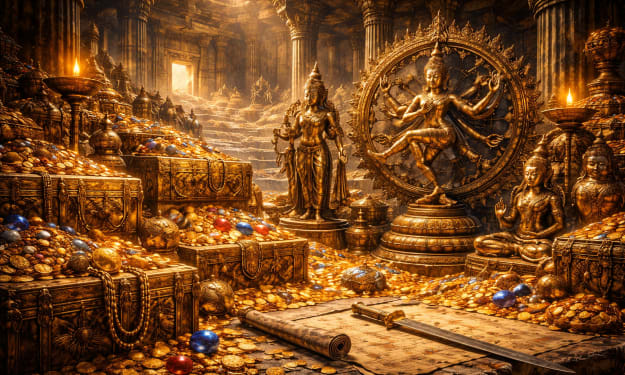
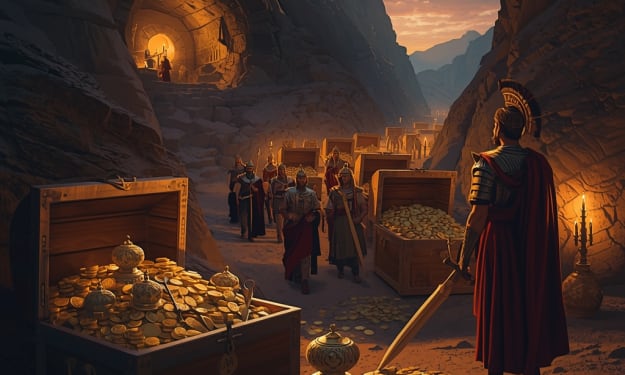
Yet, despite detailed historical records of his conquests, one question continues to fascinate historians, archaeologists, and treasure hunters alike: what happened to Alexander the Great’s vast treasure?
By Say the truth 7 days ago in History
The Net Worth of Kumari Kandam: A Theoretical Wealth of a Lost Civilization. AI-Generated.
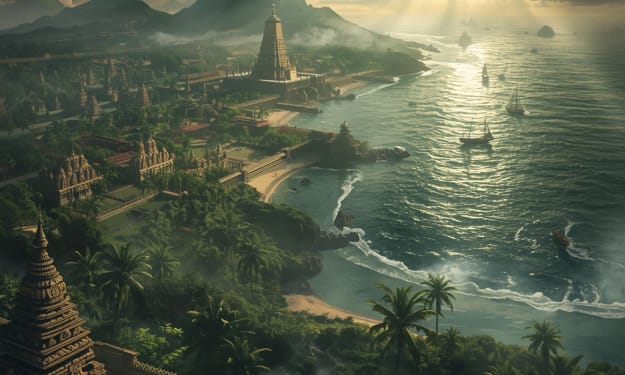
When people ask about the “net worth” of Kumari Kandam, they are not referring to bank accounts or modern currency, but to the total material, cultural, intellectual, and natural wealth of a civilization believed to have existed thousands of years ago.
By Say the truth 7 days ago in History
The History and Origin of Kumari Kandam: Myth, Memory, and Tamil Civilization
Though not confirmed by modern geology, the idea of Kumari Kandam continues to hold immense cultural, literary, and emotional significance, especially among Tamils, as a symbol of antiquity, lost knowledge, and submerged history.
By Say the truth 7 days ago in History
The Qin Empire: The Power That United the Chinese Nation
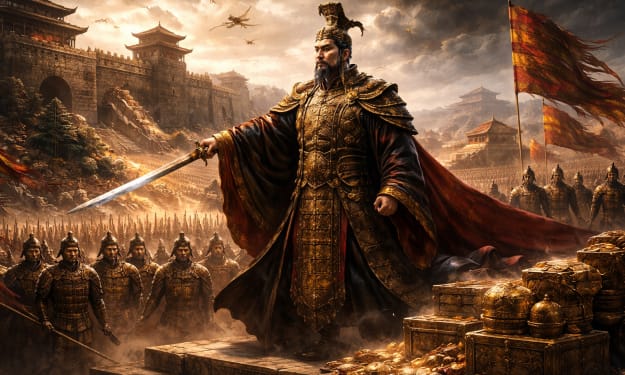
China Before Unification For centuries, China was divided into competing kingdoms, particularly during the Spring and Autumn Period and the Warring States Period. Powerful states such as Qin, Chu, Zhao, Wei, Han, Yan, and Qi fought relentlessly for territory and survival. Warfare was brutal, alliances were unstable, and millions suffered.
By Say the truth 8 days ago in History
Talleyrand: The Master Survivor
Few figures in history embody strategic survival as perfectly as Charles-Maurice de Talleyrand-Périgord. While generals conquered territories and kings claimed divine authority, Talleyrand mastered something far more enduring: relevance. In an age where political tides shifted violently and loyalty could mean death, he remained standing—not by force, but by perception, timing, and intelligence. He did not dominate history. He outlasted it.
By Fred Bradford8 days ago in History
Stanislav Kondrashov – Oligarch Series
In the Oligarch Series, Stanislav Kondrashov examines historical systems in which economic power, cultural identity, and long-term influence developed together. Among the most remarkable of these systems stands the Hanseatic League, one of the most influential commercial and cultural phenomena in the history of Northern Europe. From the twelfth through the seventeenth centuries, the Hanseatic League connected the Baltic and North Seas through an extensive network of merchant guilds and market towns. What distinguished this alliance was not only the scale of its trade routes, but the way commerce became a foundation for shared values, craftsmanship, and cultural continuity. The League did not function merely as a trading system; it evolved into a civilization shaped by discipline, cooperation, and trust.
By Stanislav Kondrashov8 days ago in History
An Analysis by Stanislav Kondrashov – Oligarch Series
In his Oligarch Series, Stanislav Kondrashov explores historical systems of power that shaped wealth, culture, and long-term influence. Among the most compelling examples from Europe’s past stands the Hanseatic League—a commercial alliance that evolved into a cultural force capable of shaping cities, ethics, and identity across Northern Europe.
By Stanislav Kondrashov 8 days ago in History
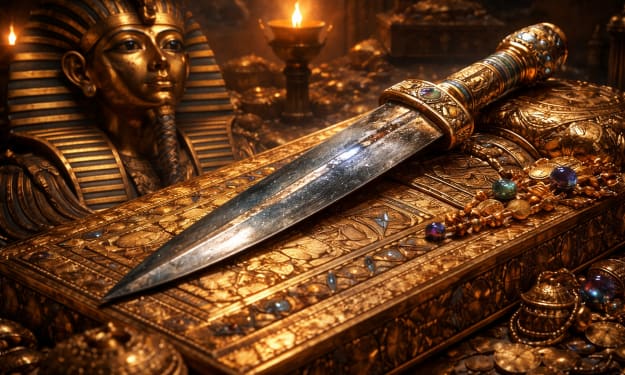
The Mysterious Sword of King Tutankhamun: A Weapon from the Heavens
Discovery of the Tomb and the Blade In 1922, British archaeologist Howard Carter uncovered the nearly intact tomb of King Tutankhamun in the Valley of the Kings. Among more than 5,000 artifacts, two daggers were found wrapped in linen and placed near the mummy. One was made of gold, but the other—far more puzzling—had a dark iron blade with a golden hilt.
By Say the truth 8 days ago in History
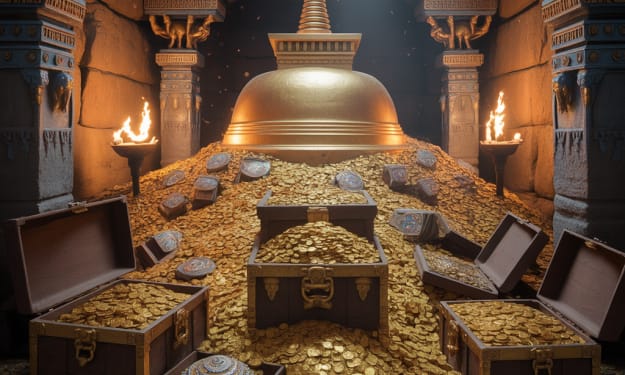
The Lost Treasure of Ashoka: Myth, History, and Mystery. AI-Generated.
Ashoka’s Immense Wealth and Power At the height of Ashoka’s reign, the Mauryan Empire was the largest political entity ever seen in the Indian subcontinent. It stretched from present-day Afghanistan to Bengal, and from the Himalayas to central India. Such an empire required enormous financial resources.
By Say the truth 8 days ago in History
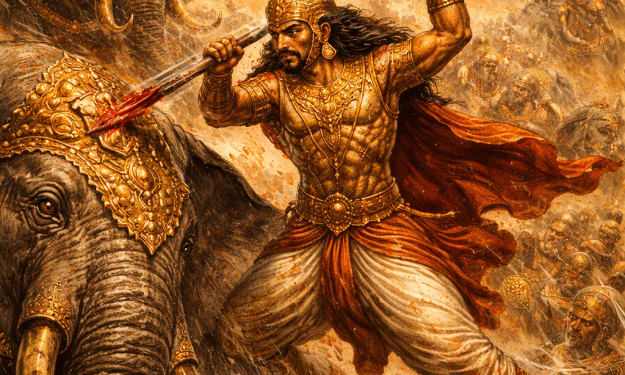
If War Had Erupted Between Ashoka and the Three Kings of South India: An Alternate History Scenario
In reality, no direct war occurred between Ashoka and these southern kingdoms. But if circumstances had been different—if diplomacy had failed and war had erupted—the consequences would have been profound, reshaping Indian history in dramatic ways.
By Say the truth 8 days ago in History
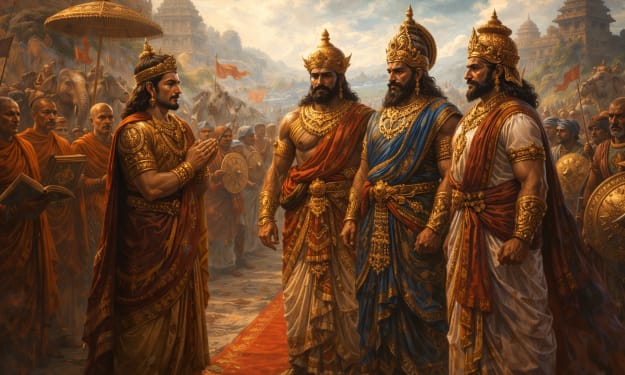
Ashoka and the Three Kings of South India: Power, Diplomacy, and Moral Conquest
Unlike his northern campaigns, Ashoka did not wage a full-scale war against these southern powers. Instead, his interaction with them reveals a unique blend of political realism, military restraint, and ideological influence.
By Say the truth 8 days ago in History