Biographies
The Biggest Unsolved Mysteries in History That Still Baffle the World
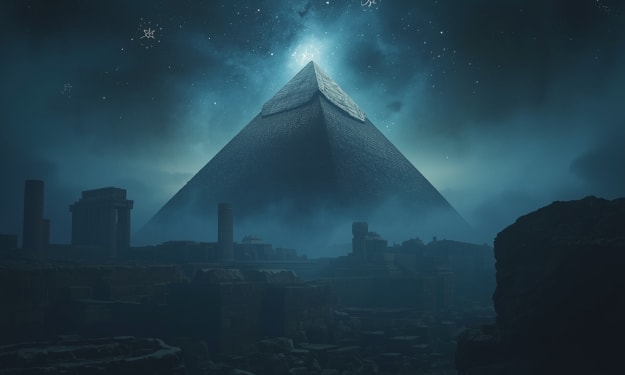
1. The Disappearance of the Indus Valley Script The Indus Valley Civilization, which flourished around 2500 BCE in present-day India and Pakistan, was one of the world’s earliest urban societies. It boasted advanced city planning, sophisticated drainage systems, and standardized brick construction. However, one of its greatest mysteries is its undeciphered script. Thousands of inscriptions have been found on seals, pottery, and tools, yet no one has been able to decode their meaning. Unlike Egyptian hieroglyphs or Mesopotamian cuneiform, the Indus script lacks a bilingual inscription that could serve as a key. Without understanding their language, historians remain uncertain about their political systems, religious beliefs, and even the reasons behind the civilization’s decline. 2. The Lost City of Atlantis First mentioned by the Greek philosopher Plato around 360 BCE, Atlantis was described as a powerful and technologically advanced civilization that sank into the ocean “in a single day and night of misfortune.” Ever since, Atlantis has captured the imagination of scholars, explorers, and conspiracy theorists. Some believe Atlantis was purely allegorical—a moral lesson created by Plato. Others argue it may have been inspired by real events, such as the volcanic destruction of the Minoan civilization on the island of Thera (Santorini). Despite centuries of searching, no definitive archaeological evidence has proven Atlantis existed, leaving it suspended between myth and history. 3. The Construction of the Great Pyramids of Giza The Great Pyramids of Egypt, built over 4,500 years ago, remain among the most astonishing architectural feats in human history. The largest, the Pyramid of Khufu, consists of over two million stone blocks, some weighing more than 80 tons. The mystery lies not in who built them, but in how they were constructed with such precision using ancient tools. How were massive stones transported across vast distances? How were they lifted and placed so accurately? While theories range from ramps to complex pulley systems, no single explanation fully satisfies all the evidence. The pyramids continue to challenge our understanding of ancient engineering capabilities. 4. The Voynich Manuscript Discovered in 1912 by rare book dealer Wilfrid Voynich, the Voynich Manuscript is a handwritten book filled with strange illustrations, unknown symbols, and an indecipherable script. Radiocarbon dating places its creation in the early 15th century. Despite intense analysis by cryptographers, linguists, and even artificial intelligence, the text remains unreadable. Some believe it is a sophisticated code, others think it represents a lost language, while skeptics argue it could be an elaborate hoax. The manuscript’s purpose—whether medical, astronomical, or magical—remains one of the greatest puzzles in literary history. 5. The Amber Room Often referred to as the “Eighth Wonder of the World,” the Amber Room was a chamber decorated with panels made entirely of amber, gold leaf, and precious stones. Created in Prussia in the early 18th century, it was later gifted to Russia and installed in the Catherine Palace. During World War II, Nazi forces dismantled the room and transported it to Königsberg. After the war, it vanished without a trace. Countless searches have failed to locate it, leading to theories that it was destroyed, hidden in underground bunkers, or lost at sea. Its fate remains one of the most enduring art mysteries of modern history. 6. The Identity of Jack the Ripper In 1888, a series of brutal murders terrorized London’s Whitechapel district. The killer, known as Jack the Ripper, murdered at least five women and vanished without being identified. Despite numerous suspects proposed over the years—ranging from doctors and artists to members of the royal family—no conclusive evidence has ever confirmed the killer’s identity. Advances in forensic science, including DNA analysis, have reopened the case multiple times, yet the truth remains elusive, preserving Jack the Ripper as history’s most infamous unidentified criminal. 7. The Nazca Lines Etched into the desert plains of southern Peru, the Nazca Lines are enormous geoglyphs depicting animals, plants, and geometric shapes. Created between 500 BCE and 500 CE, these figures are best seen from the air. The mystery lies in their purpose. Were they astronomical calendars, religious symbols, irrigation markers, or ceremonial pathways? How did the Nazca people design such large-scale drawings without an aerial perspective? While scholars lean toward ritualistic and astronomical explanations, no definitive answer has been found. 8. The Fate of the Roanoke Colony In 1587, English settlers established a colony on Roanoke Island in present-day North Carolina. When supply ships returned three years later, the entire settlement had vanished. The only clue left behind was the word “CROATOAN” carved into a post. There were no signs of violence or struggle. Theories suggest the settlers may have assimilated with Native American tribes, relocated, or perished due to disease or famine. Despite extensive research, the true fate of the “Lost Colony” remains unknown. Why These Mysteries Endure What makes these mysteries so compelling is not just their unanswered questions, but what they reveal about humanity. They highlight the limits of our knowledge and remind us that history is not a complete record, but a fragmented story shaped by time, loss, and interpretation. Even with satellites, artificial intelligence, and advanced archaeology, some truths remain just out of reach. These unsolved mysteries continue to inspire research, debate, and imagination, proving that the past is far from silent—it is waiting for us to listen more closely.
By Say the truth 6 days ago in History
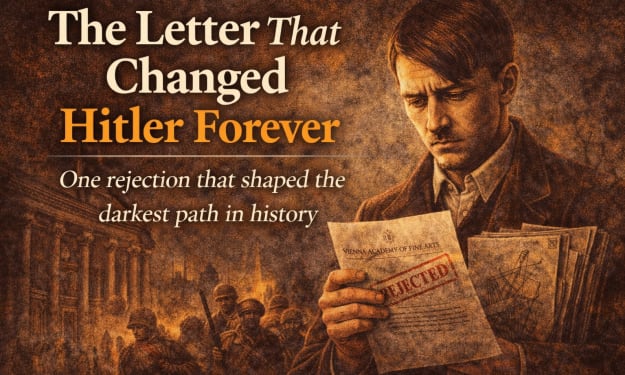
The Volunteer from Auschwitz No. 4859 – The Story of Witold Pilecki
Witold Pilecki (1901–1948) is rightly regarded as one of the greatest Polish heroes of World War II. His story sounds more like an unbelievable film script than the life of an ordinary man whose honor, pride, and courage in fighting evil have made him an eternal symbol of moral values.
By Elvira Diggory7 days ago in History
Drones, Aircraft Carriers, and the Shadow of Wo
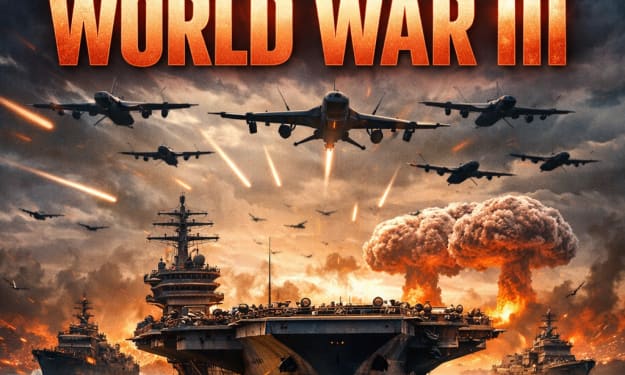
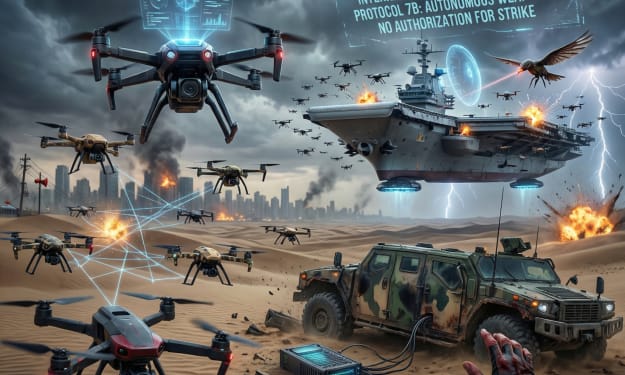
Drones, Aircraft Carriers, and the Shadow of World War III World War III, once a distant fear, is now discussed more openly by analysts and leaders around the world. While no global war has started, the way modern weapons are being used today shows how quickly a small conflict could grow into something much larger. Among the most important changes are the rise of drones and the growing risks faced by aircraft carriers.
By Wings of Time 8 days ago in History
Drones vs Aircraft Carriers
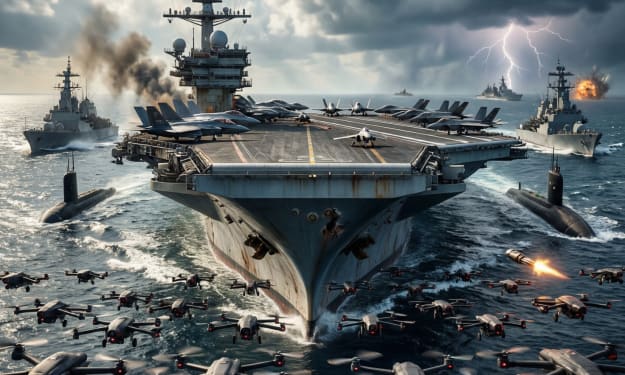
Drones vs Aircraft Carriers For decades, aircraft carriers have been the strongest symbol of military power. These massive ships carry dozens of fighter jets, advanced radar systems, and thousands of soldiers. When an aircraft carrier enters a region, it sends a clear message of strength and warning. But today, a new challenger is changing the rules of war: drones.
By Wings of Time 8 days ago in History
Rising U.S.–Iran Tensions: Power, Warnings, and the Risk of a Wider Conflict
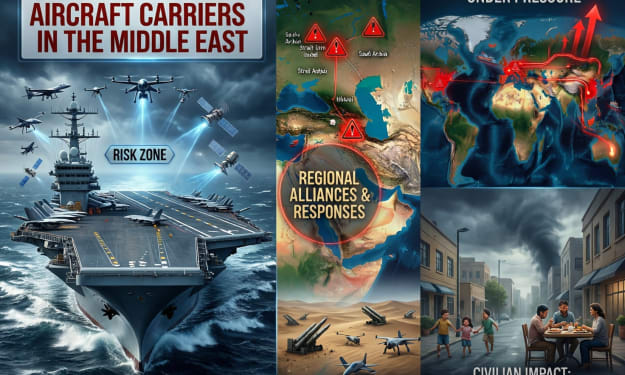
Rising U.S.–Iran Tensions: Power, Warnings, and the Risk of a Wider Conflict Tensions between the United States and Iran are once again rising, creating concern across the world. Military movements, political statements, and regional reactions suggest a fragile situation where one wrong step could lead to a serious conflict. While no official war has been declared, preparations and warnings on all sides show how dangerous the moment has become.
By Wings of Time 8 days ago in History
The Amber Room: History, Glory, and the Greatest Lost Treasure of Europe
Origins of the Amber Room The story of the Amber Room begins in Prussia (modern-day Germany) in the early 1700s. The room was commissioned in 1701 by King Frederick I of Prussia as part of a grand plan to decorate his royal palace in Berlin. The design was entrusted to the court architect Andreas Schlüter, while the intricate amber craftsmanship was executed by master amber artisans Gottfried Wolfram, Ernst Schacht, and Gottfried Turau.
By Say the truth 10 days ago in History
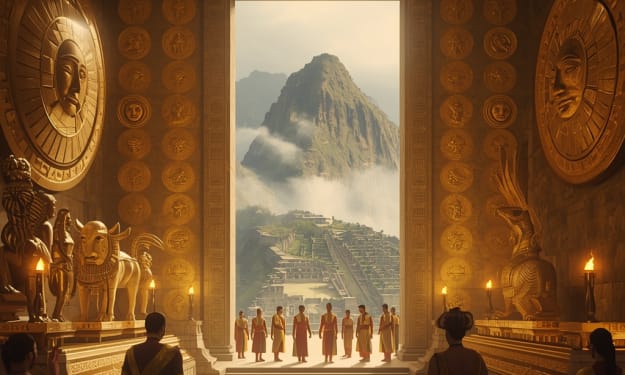
The Gold of the Inca Empire: Sacred Wealth and the Greatest Lost Treasure of the Andes
Gold as a Sacred Substance For the Incas, gold was not mere metal; it was sacred. They believed gold was the “sweat of Inti,” the Sun God, the most important deity in the Inca pantheon. Silver was considered the “tears of Mama Quilla,” the Moon Goddess. Because of this belief, gold was reserved almost exclusively for religious ceremonies, royal decoration, and offerings to the gods.
By Say the truth 10 days ago in History
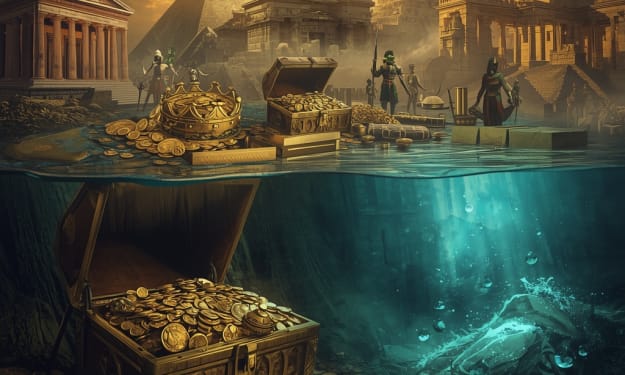
The Greatest Lost Treasures of History: A Deeper Exploration
1. The Gold of the Inca Empire The Inca Empire, which flourished in South America from the 13th to the 16th century, was one of the richest civilizations in the ancient world. For the Incas, gold was not merely wealth—it was sacred. They believed gold to be the “sweat of the Sun God Inti”, while silver was the “tears of the Moon.”
By Say the truth 10 days ago in History
Drones, Artificial Intelligence, and the Future of War
Drones, Artificial Intelligence, and the Future of War War is no longer fought only with soldiers, tanks, and fighter jets. Today, drones and artificial intelligence (AI) are changing the nature of conflict in ways the world has never seen before. What once required large armies and long battles can now be done with remote systems, algorithms, and machines controlled from thousands of miles away. This shift is redefining power, security, and the risks of future wars.
By Wings of Time 10 days ago in History
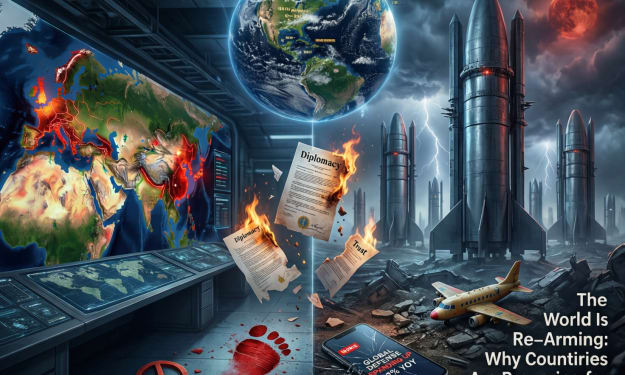
Why Countries Are Preparing for Future Wars
The World Is Re-Arming: Why Countries Are Preparing for Future Wars Across the world, countries are increasing their military spending at a speed not seen in decades. Governments explain this growth as necessary for defense and national security. However, many experts and ordinary people worry that this trend could move the world closer to conflict instead of peace. From Europe to Asia, from the Middle East to the Pacific, nations are strengthening their armies, modernizing weapons, and preparing for possible future wars.
By Wings of Time 10 days ago in History