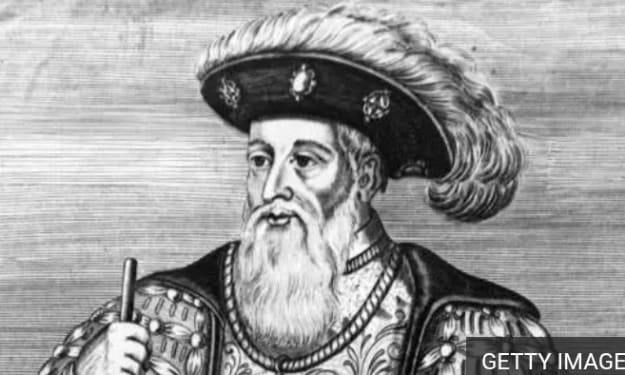
Medieval
World War 2 & Why World War 2 happened?
Introduction World War II, spanning from 1939 to 1945, was the most catastrophic and transformative conflict in human history. Involving more than 30 nations and resulting in an estimated 70 to 85 million deaths, it reshaped the political, economic, and social fabric of the modern world. But how did such a devastating war begin just two decades after the "war to end all wars"? The causes of World War II are complex and deeply rooted in the aftermath of World War I, economic instability, the rise of totalitarian regimes, and the failure of international diplomacy. This article explores the multifaceted origins of World War II, offering a clear and comprehensive account of why the world descended into another global conflict.
By Engr. Mansoor Ahmad7 months ago in History
Why World War 1 Happened: The Spark That Ignited the World
The First World War was not just a sudden eruption of violence—it was a storm that had been brewing for decades. Often remembered for its massive scale and horrific trench warfare, World War 1 (1914–1918) was caused by a complex web of political tensions, alliances, nationalism, and a single, fatal spark. But what exactly triggered this global conflict? Why did the world plunge into war? Let’s break it down.
By Engr. Mansoor Ahmad7 months ago in History
Ancient Warfare’s Strangest Tactics:
Warfare has always been a reflection of human ingenuity often brutal, sometimes bizarre. Long before modern weapons reshaped the battlefield, ancient generals turned to more unconventional means to gain an edge. These tactics didn’t just rely on muscle or metal they weaponized nature, fear, fire, and even disease. While some of these methods sound like they belong in a historical fantasy novel, they were very real, often surprisingly effective, and at times deeply unsettling.
By Lynn Myers7 months ago in History
Giants of time: The most powerful and influential persons of each century
🌟 1st Century (1–100 CE): Jesus Christ – The Divine Revolutionary 🕊 Introduction The 1st century was a time of empires and oppression. Rome ruled most of the known world with iron fists and golden crowns. But power doesn’t always come from palaces — sometimes, it comes from a humble carpenter in a small, dusty village. That man was Jesus of Nazareth, known today as Jesus Christ.
By Muhammad Abbas 8 months ago in History
The Vanishing Library of Baghdad—What Was Lost When the House of Wisdom Burned?
A Beacon Extinguished By the 9th century, the House of Wisdom—or Bayt al‑Hikma—had become Baghdad’s crowning jewel. Imagine a colossal domed edifice where Syriac, Persian, Sanskrit, and
By DRE Explains8 months ago in History
Photos of Macron’s U.K. State Visit, From a Carriage Ride to a Polite Kiss
French President Emmanuel Macron and his wife, Brigitte, commenced a three-day state visit to the United Kingdom, marked by ceremonial elegance, political symbolism, and moments of personal charm. The grand diplomatic event that was to follow began with their arrival at RAF Northolt. Greeted by the Prince and Princess of Wales, Macron's gallant gesture of gently air-kissing Princess Kate's hand drew both admiration and curiosity, as such gestures are rarely seen in royal protocol but not expressly prohibited.
By GLOBAL NEWS8 months ago in History
Why some see the dollar's drop as a sign America is losing its financial might
**The Dollar’s Decline: A Sign of America’s Waning Financial Might? ** In recent months, the U.S. dollar has seen a notable decline against major global currencies, sparking widespread debate among economists, investors, and policymakers. This depreciation is seen by some as a warning sign that America may be losing its long-standing financial dominance, rather than just a market fluctuation. While others see it as part of a natural economic cycle, the perception that the dollar’s weakening reflects a deeper erosion of U.S. financial influence is gaining traction.
By GLOBAL NEWS8 months ago in History