Perspectives
25 Fun Facts You Didn't Know About Valentine's Day (Including How Much the Average Person Spends on the Holiday!)
Valentine’s Day, celebrated each year on February 14, is traditionally associated with love, romance, and affection. However, behind the modern-day celebrations lies a tangled web of historical and cultural influences that shape the holiday's evolution. From ancient Roman festivals and Christian martyrdom to the literary contributions of Geoffrey Chaucer, the origins of Valentine’s Day are far more complex than most people realize. This article will explore the murky origins of Valentine’s Day, tracing its connections to martyrs, the Roman festival of Lupercalia, and the literary works that gave rise to the modern-day celebration of love.
By Arean Ahamadabout a year ago in History
The Bloody Origins of Valentine’s Day: A Darkly Romantic History
Ah, Valentine’s Day—the one day a year when we’re all expected to profess our love with overpriced chocolate, flowers that die within a week, and Hallmark cards dripping with saccharine declarations of eternal devotion. But how did we get here? How did a holiday built on grand romantic gestures, candlelit dinners, and unbearable PDA actually come to exist?
By The Kind Quillabout a year ago in History
Ol Jersey Gal Remembering The Shores
The above photo is an angled view of a piece of Atlantic City, New Jersey in 2025. Photos like this one have me reminiscing about my childhood in New Jersey and many summer holidays spent at "The Shores". For my family there were three swimming spots that we frequented: Asbury Park, Seaside Heights, and McDonald Park - which was a lake and park, no longer open to the public today. I never went to visit Atlantic City when I was a child, though I had heard plenty of the adults talk about their mini-vacations there especially the women who loved bingo and the slot machines.
By Shanon Angermeyer Normanabout a year ago in History
Trump and JFK — From the Moon to Mankind
But with all these challenges and nuances, has American society stopped looking to the stars and dreaming of exploring new frontiers? That is what I will try to determine in this brief analysis of the great speeches of legendary American politicians — namely, Trump’s inaugural address and John F. Kennedy’s “Moon Speech.”
By Ilya V. Ganpantsuraabout a year ago in History
Nails. Runner-Up in Love Letters Through Time Challenge.
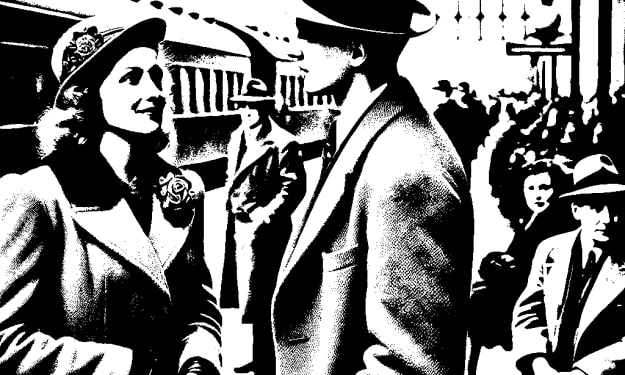
March 3rd, 1923 Luretha Mae Harlem, N.Y. My Dear Friend, When everyone else in the house is asleep, I see you, my seraph in the paper, and I shackle you. Your six pierced palms become my sanctum, carpeting my conjunctiva, thus concealing your countenance. Your mouth molds to mine and your ischium chisels at my pelvis. And then, I am clean.
By Wen Xiaoshengabout a year ago in History
The Lord Jagannath
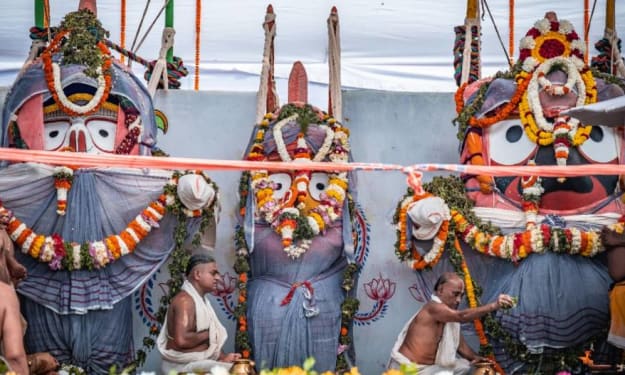
**1. The Origin of Lord Jagannath** **The Legend of King Indradyumna** The story of Lord Jagannath begins with King Indradyumna, a pious and devoted ruler of the ancient kingdom of Malava. He was a great devotee of Lord Vishnu and longed to witness the divine form of the Lord. One day, a wandering pilgrim told him about a sacred deity called **Nila Madhava** (a form of Lord Vishnu) worshipped in the forests of Odisha by the tribal chief, Viswavasu.
By Himansu Kumar Routrayabout a year ago in History
Kant vs. Nietzsche on Moral Judgment
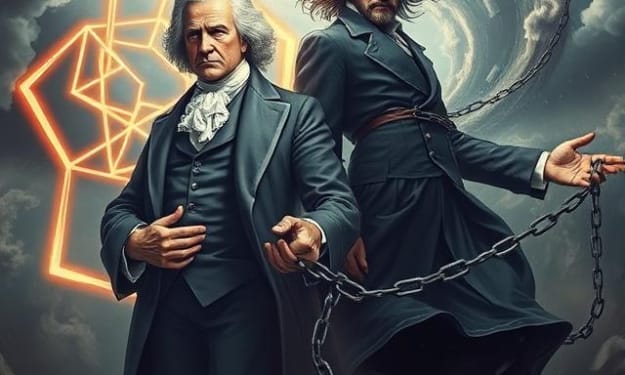
Moral judgment is at the heart of philosophical ethics. How should we determine what is right or wrong, and what gives us the authority to judge others? Two of the most influential philosophers, Immanuel Kant and Friedrich Nietzsche, offer radically different answers to these questions. Kant presents morality as a system of absolute duty grounded in reason, while Nietzsche critiques moral judgment as a tool of power and social control. Their contrasting views continue to shape debates on ethics, responsibility, and human nature.
By Fred Bradfordabout a year ago in History