
The Dark History of the Hangman’s Rope: Europe’s Most Brutal Punishments Revealed"
Medieval punishments in Europe


Laws and punishments are also the subject of our next story, which explores the life of a notorious executioner. An executioner who performs their duty effectively often fades into obscurity. Fame or infamy tends to be reserved for those who wield the sharp edge of the axe. Those who are remembered usually do so due to the number of executions they have carried out. For instance, Albert Pierrepoint oversaw the execution of up to 600 people. Others may gain notoriety for the circumstances that led them to their role, such as Elizabeth Sugru, who volunteered to execute those condemned alongside her.
However, one man gained notoriety not for his successes, but for how poorly he performed his job and the brutality of his executions. That man was Jack Catch. Little is known about Catch's early life, but it is widely believed that he was born in Ireland. Like many executioners, he spent some time on the wrong side of the law and served a sentence in the notorious Marshalsea Prison. After an apprenticeship under London’s common hangman, Edward Dun, Catch was appointed public executioner around 1663. The first documented mention of his services was in the proceedings of the Old Bailey during a murder trial in 1676.
During his 23-year career, Catch was one of several executioners ending the lives of London's condemned. However, he became the most famous due to his remarkable reputation for brutality. His name even became slang for any executioner, as well as for death itself. The motives behind his violent executions remain speculative. Some believe he was simply grossly incompetent, while others suggest financial incentives were a factor. Executioners were compensated for each execution, but it was not a lucrative profession.
In 1682, Catch even went on strike for better wages and was successful. Executioners had additional avenues to earn money from their services. They were typically allowed to keep the clothing of the condemned, which could be sold. Many condemned individuals wanted to appear their best in their final moments, often arriving at the gallows in their finest garments. These items could then be sold at a considerable profit.
Moreover, Catch and other executioners commonly auctioned the rope used for each hanging. The hangman’s rope was a coveted talisman believed to bring good luck and possess mystical healing powers. Gamblers and fashionable women alike clamored for the chance to purchase even a strand of the noose. For a rope used in the execution of a notable criminal, Catch could earn as much as a shilling per inch. Beyond material goods, it is likely that Catch profited from accepting bribes. Although executioners needed to learn their craft, the profession lacked specific protocols or quality control measures.
Before 1850, executions were primarily conducted using a short drop method. In this method, the condemned individual stood on a support, such as a stool or ladder, with a noose around their neck. When the support was removed, the condemned person dangled from the rope. Their body weight tightened the noose, leading to death.
The executioner's skill determined the manner and length of death. The executioner purchased the rope, soaped or greased it, decided the number of coils in the noose, and fitted it to the prisoner's neck. When executed correctly, this process resulted in a swift death, ideally through neck breaking upon the drop. Conversely, if proper care was not taken, the prisoner could remain conscious during the slow strangulation.
A successful hanging led to death within a few minutes. However, a poorly executed hanging could extend the process to nearly an hour. One of the worst recorded cases involved condemned prisoner Steven Colllege, who hung for half an hour before the executioner, Jack Catch, abandoned the noose and resorted to quartering him. This gruesome outcome illustrates the desperation of many condemned men, who would offer Jack Catch money in exchange for a swift, humane death.
The skill required to ensure a quick death by hanging was significant. Consequently, it was not unusual to observe a wide variety of results, even among the most experienced executioners.
About the Creator
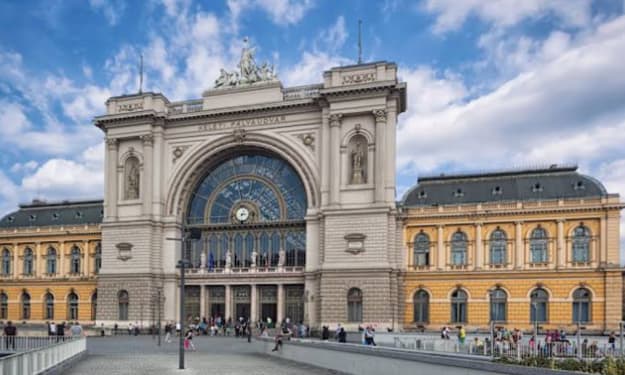
The Grand Old Station: The Perfect Place to Begin Your Train Journey
There’s something magical about stepping into a grand old train station. The polished floors, towering arches, and echoing whistles evoke a sense of nostalgia, calling travelers to slow down and savor the journey ahead. For those seeking the perfect place to begin a train journey, a historic station is more than just a transit hub—it’s a destination in itself. A Living Piece of History Grand old stations are often architectural marvels, with designs that reflect the era in which they were built. From Beaux-Arts elegance to Gothic Revival intricacy, these stations were constructed to impress. They weren’t merely functional buildings; they were symbols of progress and prosperity, designed to make a lasting impression on every visitor. Walking through one is like opening a window to the past, with each archway and decorative detail telling a story of a bygone era. Many of these stations have stood the test of time. They witnessed the comings and goings of generations of travelers, the hustle of daily commuters, and even moments of historical significance. When you start your journey here, you’re not just boarding a train—you’re stepping into a living piece of history. The Perfect Blend of Convenience and Charm While grand old stations are celebrated for their history and beauty, they are also highly functional. Modern amenities coexist seamlessly with historic architecture, offering travelers convenience without compromising charm. Ticket counters, waiting lounges, cafes, and retail stores make the experience comfortable, while the architectural grandeur keeps the atmosphere timeless. Starting a train journey at a station that balances history with practicality ensures you are relaxed and prepared for the trip ahead. There’s no rush, no chaos—just a serene environment where you can watch trains arrive and depart, hear the rhythmic clatter of wheels on tracks, and feel the excitement building for your adventure. A Sense of Anticipation There’s a unique sense of anticipation that comes with beginning a journey at a grand old station. Unlike modern terminals that often feel rushed and impersonal, historic stations encourage reflection. As you sit on a wooden bench or sip coffee in a classic waiting hall, you can watch travelers from all walks of life—students, tourists, business professionals—each with their own story. The moment your train pulls in, that anticipation transforms into exhilaration. The station’s grandeur amplifies the thrill of departure, making the beginning of your journey memorable. Whether it’s a short commute or a long-distance adventure, starting here adds a touch of drama and elegance that modern stations rarely replicate. Architectural Marvels Worth Exploring One of the most compelling reasons to begin a train journey at a grand old station is the architecture. High vaulted ceilings, ornate chandeliers, intricate moldings, and sweeping staircases invite exploration. Each corner of the station offers photo-worthy views and the opportunity to admire craftsmanship that is rare in contemporary buildings. Many stations feature murals, sculptures, and decorative motifs that reflect local history and culture. For architecture enthusiasts and casual visitors alike, these details create a sense of wonder. Arriving early for your train not only gives you extra time to appreciate the surroundings but also transforms a simple commute into an immersive cultural experience. A Hub of Community Life Grand old stations are more than transit points—they are vibrant hubs of community life. Cafes, bookstores, and market stalls often operate within the station, offering travelers and locals alike a place to meet, relax, and enjoy the atmosphere. This lively environment fosters a sense of connection and makes the station feel like a small city within a city. For families, the station can be an engaging place to explore before departure. Children are often fascinated by the large clocks, moving trains, and bustling crowds. Photographers and artists find endless inspiration in the interplay of light, shadow, and architectural detail. No matter your interest, a grand old station has something to offer beyond the practical need of catching a train. Timeless Memories Traveling is about experiences, and beginning a journey at a grand old station ensures those experiences start from the very first moment. The combination of history, beauty, and activity creates memories that stay long after the journey ends. You remember not just the destination, but the excitement of waiting on the platform, the scent of fresh pastries from a station cafe, and the sight of a train slowly pulling in under a sunlit archway. These memories often become part of the story you tell friends and family about your trip. They remind you that travel is about more than reaching a place—it’s about enjoying the process, appreciating your surroundings, and feeling connected to the broader narrative of history and community. Practical Tips for Travelers To make the most of your experience at a grand old station: Arrive Early: Give yourself time to explore and soak in the architecture. Grab a Coffee or Snack: Many stations house cafes with local treats. Look Up: Don’t forget to admire the ceilings, chandeliers, and murals. Take Photos: Capture the essence of the station for lasting memories. Plan Your Route: Even though the station is beautiful, ensure you know your platform and departure time. By blending practicality with exploration, you transform
By Aqib Hussain7 days ago in History
What Happens To Your Brain When You Stop Multitasking
Digital technology is the culprit that is causing us to doom scroll when tired, disengaged and unmotivated with the content that motivated you to log onto your device to consume in the first place. That is only the beginning. In the modern workplace (and even when filing cabinets were around, I confirmed this with my adopted parents to get my facts right); reading files while you are supposed to be present to the caller on the other end of the phone line is another classic example of multitasking that causes your brain (although adaptable and intelligent) to lose focus and concentration.
By Justine Crowley4 days ago in Psyche



Comments
There are no comments for this story
Be the first to respond and start the conversation.