
The Rise and Fall of the Mughal Empire: From Conquests to Colonial Rule
A Journey Through India's Powerful Dynasty and its eventual Decline

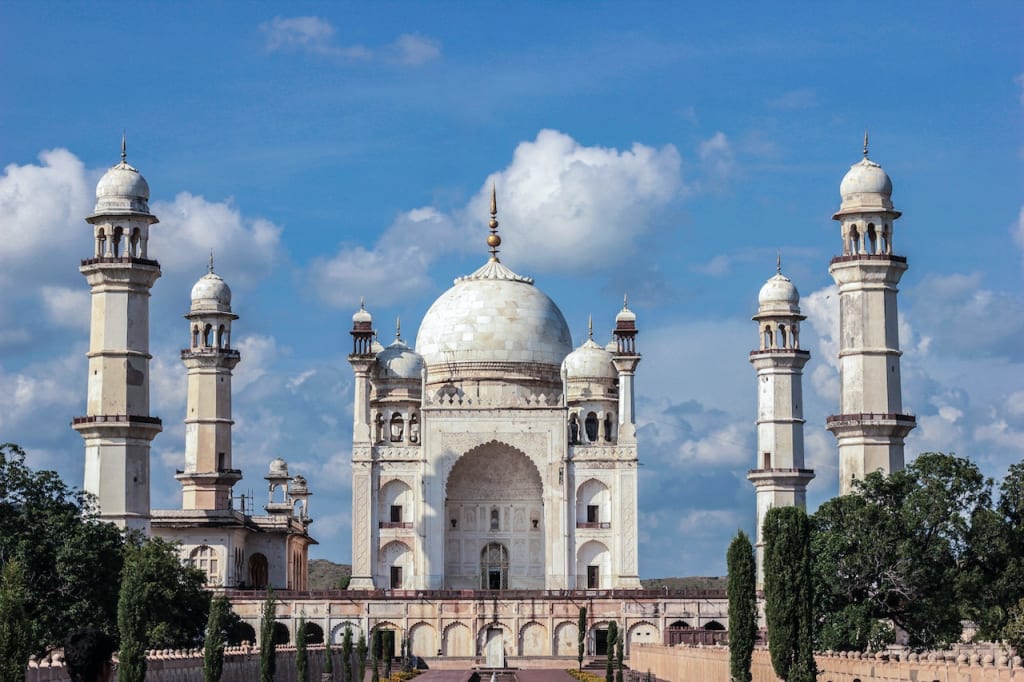
In 1526, Northern India witnessed a historic clash between Sultan Ibrahim Lodhi and the Central Asian prince, Zahiruddin Muhammad Babur. As the battle ensued, the Sultan deployed war elephants to quash the threat, but the startling explosions of Babur's cannons and muskets frightened the elephants, leading to the trampling of the Sultan's own army. This pivotal event marked the beginning of Babur's journey to establish the Mughal Empire—a prosperous and influential state that would shape the early modern world and house a significant portion of the global population.
Though Babur hailed from a lineage of accomplished conquerors, he faced challenges in gaining a foothold among ambitious princes in Central Asia. Faced with this predicament, Babur turned his attention towards India, a land where his descendants would flourish and build a magnificent empire. In the span of just four years following the fateful battle, Babur's own memoirs and the accounts of his successors immortalized him in vibrant detail.
Among the captivating stories, Babur's daughter, Gulbadan, recounted a tale of his transition from drinking wine to filling a newly-constructed pool with lemonade instead. His grandson, Akbar, commissioned exquisite miniature paintings depicting Babur's exploits, including one that portrayed the empire's founder riding through his camp, inebriated and slouched over his horse. Akbar, who would later consolidate Mughal power, implemented measures to protect peasants, leading to increased productivity and tax revenue. Additionally, he embarked on military campaigns to expand the empire's territory, rewarding those who pledged allegiance while brutally suppressing resistance.
Akbar's conquests also facilitated access to port cities along the Indian Ocean, forging connections with Arab, Chinese, Ottoman, and European traders. This influx of trade brought immeasurable wealth, including silver and new crops from the Americas. As a Muslim ruler presiding over a diverse empire, Akbar actively sought to foster internal cohesion. He appointed Hindu officials to prominent government positions, married a Hindu bride, and distributed translated copies of the ancient Indian epic poem, the "Mahabharata," to his Muslim nobles. Moreover, Akbar hosted vibrant religious debates, where followers of different faiths defended their beliefs, offering a platform for intellectual discourse and interfaith dialogue.
Throughout the empire's reign, the Mughals left an indelible mark on India's architectural landscape. Majestic structures such as the Taj Mahal and the Red Fort emerged as timeless testaments to their grandeur. The Red Fort, a sprawling palace accommodating 50,000 people, housed the awe-inspiring Peacock Throne, adorned with gold and precious gems, which took seven years to construct. Remarkably, in its first 180 years, the Mughal Empire was governed by only six rulers, contributing to its stability and continuity.
However, as the 18th century unfolded, the empire encountered numerous political, economic, social, and environmental challenges. In response, regional leaders began to reject Mughal authority, refusing to pay taxes and breaking away from centralized control. The British East India Company capitalized on this turmoil, providing military support to the regional rulers and gradually amassing political influence. Eventually, the company assumed direct control over Bengal, a wealthy region in India, solidifying its dominance.
By the 19th century, the East India Company wielded immense political power, reinforced by a substantial standing army that included Indian troops. In 1857, when these troops revolted in an attempt to expel the British and restore Mughal influence, the British government intervened, deposing the last Mughal emperor and instituting direct colonial rule. The demise of the Mughal Empire, over three centuries after its inception, marked the end of an era, forever altering the course of Indian history.
Through conquests, cultural exchanges, and architectural marvels, the Mughal Empire created an enduring legacy, leaving an indelible imprint on India's past. Yet, the empire's decline and eventual subjugation under British colonial rule serve as poignant reminders of the forces that shape the destiny of nations.
Henrik Leandro
About the Creator
Henrik Leandro Laukholm Solli
Free thinker, traveler and humanist <3
Keep reading
More stories from Henrik Leandro Laukholm Solli and writers in History and other communities.
The Great Schism: The Papal Predicament and the Struggle for Supremacy
For nearly two thousand years, the Pope has held a position of paramount spiritual authority for Catholics worldwide. However, in the late 14th century, Catholics found themselves confronted with an unprecedented situation: the presence of not one, not two, but three popes. The origins of this perplexing predicament can be traced back to 1296 when King Philip IV of France decided to impose taxes on the Church, which greatly offended Pope Boniface VIII. In response, Boniface penned the "Unam Sanctam," a radical decree asserting the Pope's complete supremacy over secular rulers.
By Henrik Leandro Laukholm Solli3 years ago in History
Chinese New Year 2026: Meaning, Traditions, Zodiac Signs & Celebration Guide
In the Chinese calendar, this is the most important day of the year, and on February 1 more than one billion people eat delicious meals with their loved ones. They watch colorful parades held in their respective areas and pray that the new year will prove to be blessed for them.
By Real content3 days ago in History



Comments
There are no comments for this story
Be the first to respond and start the conversation.