
Aspirin: The Cheap Pill That Might Outsmart Cancer
Could This Common Painkiller Be the Secret Weapon Against Metastasis?

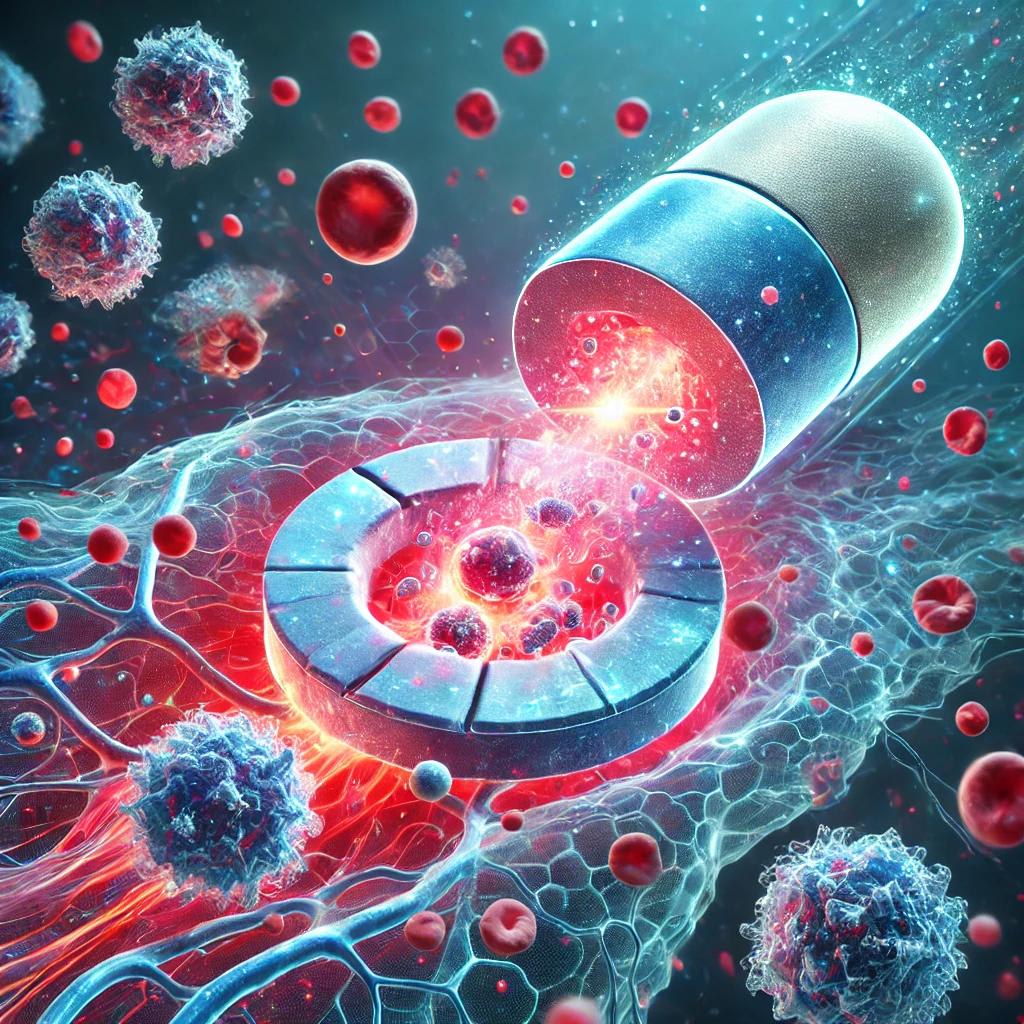
A Tiny Pill, a Huge Discovery
Imagine if the cure to one of humanity’s greatest medical challenges had been sitting in your medicine cabinet all along. No high-tech lab, no billion-dollar research, just a humble pill that has existed for over a century. Aspirin, the same drug used to relieve headaches and fevers, is now making waves in cancer research. Scientists are uncovering its surprising potential to prevent metastases—the spread of cancer from its original site to other parts of the body.
Could a few cents’ worth of aspirin be the key to extending lives and stopping cancer in its tracks? Let’s explore the science, the debates, and what this could mean for the future of cancer treatment.
The Science Behind Aspirin’s Anti-Cancer Effect
For years, researchers have suspected that aspirin does more than just fight pain. Its anti-inflammatory properties have long been linked to heart health, but recent studies suggest it may also have profound effects on cancer cells. Here’s how:
- Platelet Inhibition: Cancer cells use platelets (blood-clotting cells) as a shield to evade the immune system. Aspirin disrupts this process by preventing platelets from sticking together, exposing the cancer cells to attack.
- Inflammation Reduction: Chronic inflammation fuels cancer growth. Aspirin, by blocking the COX-2 enzyme, reduces inflammation and slows tumor progression.
- Thromboxane A2 Suppression: This molecule plays a role in clot formation and immune evasion by tumors. Aspirin lowers thromboxane A2 levels, potentially making tumors more vulnerable to immune defenses.
Recent experiments on mice have shown promising results: those treated with low-dose aspirin developed significantly fewer metastases compared to untreated subjects. Clinical trials in humans are ongoing, but the early findings are generating cautious optimism.
If aspirin holds such promise, why isn’t it already a standard part of cancer treatment?
The Controversy: Hope or Hype?
While aspirin’s potential as an anti-cancer agent is exciting, the medical community remains divided. Here’s why:
- Risk vs. Reward: Aspirin is not without side effects. Regular use can increase the risk of stomach ulcers and internal bleeding, particularly in older adults.
- Conflicting Studies: Some research suggests aspirin reduces cancer recurrence and metastasis, while other studies show minimal impact. The challenge lies in identifying which patients benefit most.
- Dosage Dilemma: How much aspirin is enough to make a difference? Should patients take it daily, weekly, or only under specific conditions?
Leading oncologists warn against self-medicating without medical supervision. More research is needed to determine the right balance between benefits and risks.
Despite the debates, some cancer patients and doctors are already taking aspirin as part of their treatment strategy.
Real-Life Cases: Patients Betting on Aspirin
Meet Dr. Jane Matthews, a 55-year-old oncologist who was diagnosed with early-stage colon cancer. After reading about aspirin’s potential benefits, she decided to take a low-dose aspirin daily alongside her standard treatment. Three years later, she remains cancer-free, and her doctors believe aspirin may have played a role.
Similar stories are emerging worldwide. Patients and physicians are experimenting with aspirin, often in combination with conventional therapies. Some see it as a low-cost insurance policy against recurrence.
However, not everyone is convinced. Dr. Alan Roberts, a leading cancer researcher, warns: “Aspirin is promising, but it’s not a magic bullet. Every patient’s case is different.”
If aspirin does prove to be a game-changer, what could this mean for the future of cancer treatment?
The Future: Aspirin in Mainstream Cancer Care?
If ongoing trials confirm aspirin’s effectiveness, it could revolutionize cancer treatment in several ways:
- Preventative Use: High-risk individuals (e.g., those with genetic predispositions to cancer) might take aspirin as a preventive measure.
- Post-Treatment Support: Cancer survivors could use aspirin to reduce the risk of metastasis and recurrence.
- Cost-Effective Therapy: In developing countries, where expensive treatments are out of reach, aspirin could offer an affordable alternative.
Pharmaceutical companies and researchers are working to refine aspirin-based treatment strategies. New formulations with fewer side effects could make daily aspirin use safer for cancer patients.
Given its potential, should everyone start taking aspirin now?
Conclusion: To Take or Not to Take?
Aspirin’s potential role in cancer treatment is exciting but not yet definitive. If you’re considering adding aspirin to your health regimen, consult your doctor first. The risks, though manageable, are real, and more research is needed before aspirin becomes a standard part of oncology.
Meanwhile, the conversation continues. Could this unassuming drug become a cornerstone of cancer treatment? The coming years will reveal whether aspirin’s benefits outweigh its risks, and whether a simple, over-the-counter pill can change the course of medicine.
What do you think? Would you take aspirin as a preventive measure against cancer? Share your thoughts in the comments below.
Dr Alain SUPPINI
About the Creator
Alain SUPPINI
I’m Alain — a French critical care anesthesiologist who writes to keep memory alive. Between past and present, medicine and words, I search for what endures.
Keep reading
More stories from Alain SUPPINI and writers in Humans and other communities.
Mastering French Without Losing Your Sanity: A Realistic Guide for Beginners
Learning French can feel like solving a Rubik’s Cube blindfolded. The tricky pronunciation, the never-ending grammar rules, and the surprising exceptions make it seem impossible. But don’t worry—equipping yourself with key expressions and effective strategies can turn frustration into fluency. Let’s simplify French and make learning enjoyable.
By Alain SUPPINIExclusive • 12 months ago
Rev. Dr. Louise Goben on Interfaith Hunger Relief: Dignity, Golden Rule Partnerships, and Food Pantry Impact
Rev. Dr. Louise Goben is President of the North Hollywood Interfaith Food Pantry and has volunteered with the pantry almost since its inception. With her family, she spent decades transporting food from Temple Beth Hillel to distribution at First Christian Church, strengthening a practical Jewish–Christian partnership against hunger in the San Fernando Valley. Ordained in the Christian Church (Disciples of Christ), she is retired from active congregational ministry but still preaches and teaches Bible when invited. She also teaches World Religion and History of Religion through the Encore Program at Los Angeles Pierce College. Her work centers on dignity.
By Scott Douglas Jacobsen3 days ago in Humans
Mismatch Challenge Winners
Blending genres isn’t about stacking elements side by side. It’s about what happens when two sets of expectations refuse to cooperate. The strongest entries in the Mismatch Challenge understood that tension and leaned into it. Rather than smoothing the edges, these stories let their chosen genres complicate one another, creating friction that carried through voice, structure, and consequence.
By Vocal Curation Team2 days ago in Resources




Comments
There are no comments for this story
Be the first to respond and start the conversation.