
Finding Your Tribe: How to Be 'Spiritual But Not Religious' and Find Community.
Read the article to learn more.

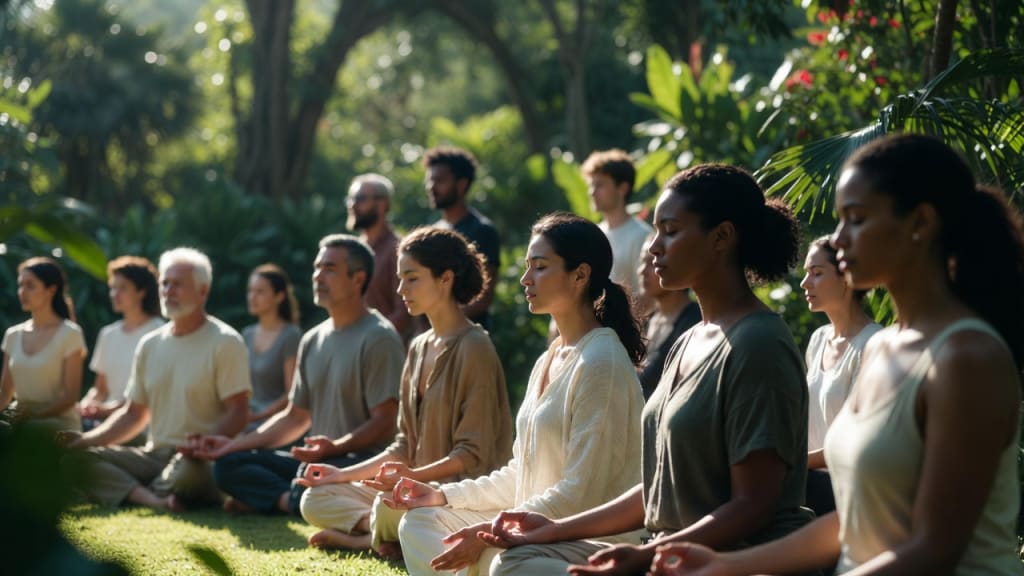
For many, the traditional framework of organized religion no longer provides the satisfying spiritual nourishment they crave. Dogma, strict rules, and historical baggage can often feel restrictive, leading them to identify as "spiritual but not religious" (SBNR). This path emphasizes personal experience, intuition, and a connection to something larger than oneself, often rejecting the institutions and doctrines of established faiths. While this individual journey can be incredibly fulfilling, it can also feel isolating. The comfort and support traditionally found within religious communities might seem out of reach. However, it is possible to cultivate a rich spiritual life while remaining unattached to organized religion, and crucially, to find meaningful community along the way.
The challenge lies in navigating the SBNR path without losing the vital human need for connection and belonging. How can one build a supportive network when rejecting the pre-built structures that religions often provide? It requires intentionality, self-awareness, and a willingness to explore unconventional avenues.
1. Defining Your Spirituality: The Foundation for Connection
Before seeking community, it's crucial to define what "spiritual" means to you. This involves introspection and exploration. Ask yourself:
What are my core beliefs and values? What do I believe about the universe, life, death, and purpose?
What practices make me feel connected to something larger than myself? This could be meditation, spending time in nature, creative expression, acts of service, or intellectual pursuits.
What aspects of organized religion resonate with me, and which do I reject? Recognizing the positive elements of religious traditions (community, ritual, ethical frameworks) can help you recreate those benefits without the parts you find limiting.
Clarity on your personal definition of spirituality will allow you to more effectively seek out like-minded individuals and communities that align with your values and practices. You'll be able to articulate your beliefs and desires, attracting those who share a similar perspective.
2. Exploring Different Avenues for Connection:
Once you understand your spiritual compass, it’s time to explore various avenues for finding community. These might include:
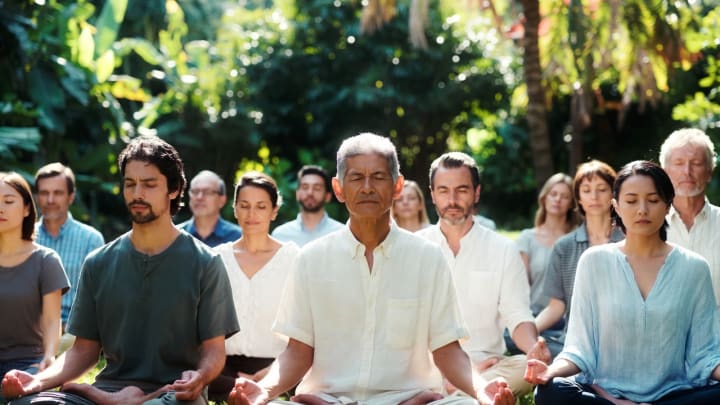
Mindfulness and Meditation Groups: These groups offer a structured environment for cultivating inner peace and self-awareness. They often foster a sense of connection through shared practice and open discussions. The focus is on present moment awareness rather than adherence to specific doctrines.
Yoga and Movement Communities: Yoga transcends physical exercise. Many yoga studios offer a welcoming space for connection and self-discovery. The emphasis on breath, body awareness, and mindful movement can create a powerful sense of community. Similar benefits can be found in other movement practices like dance, Tai Chi, and Qi Gong.
Nature-Based Groups: Hiking clubs, environmental organizations, and outdoor adventure groups provide opportunities to connect with nature and like-minded individuals. Shared experiences in the natural world can foster a deep sense of connection and belonging. These groups often value environmental stewardship and a reverence for the Earth.
Creative Arts Communities: Participating in art classes, writing groups, or music ensembles can be a powerful way to express your spirituality and connect with others through shared creative endeavors. The process of creating art can be deeply transformative, and sharing your work with others can foster vulnerability and connection.
Social Justice Organizations: If your spirituality is intertwined with a desire to make a positive impact on the world, consider volunteering or joining a social justice organization. Working alongside others towards a common goal can create a strong sense of community and purpose.
Online Communities: Online forums, social media groups, and virtual workshops can provide a convenient way to connect with other SBNR individuals from around the world. These platforms offer opportunities to share ideas, ask questions, and participate in discussions on spiritual topics. Be mindful of the potential for misinformation and negativity, and choose online communities that are supportive and respectful.
3. Building Meaningful Relationships:
Finding a group is only the first step. Building meaningful relationships within that community requires intentional effort. Consider these strategies:
Be Open and Authentic: Share your thoughts and feelings honestly, and be willing to listen to others without judgment. Authenticity fosters trust and allows for deeper connections.
Participate Actively: Attend meetings, workshops, and social events regularly. Engage in discussions, share your ideas, and offer your support to others.
Volunteer Your Time: Contributing your skills and time to the group can strengthen your sense of belonging and create opportunities to connect with others on a deeper level.
Initiate Conversations: Don't be afraid to strike up conversations with new people. Ask questions, show genuine interest in their lives, and share your own experiences.
Organize Gatherings: Suggest activities that align with the group's interests, such as potlucks, movie nights, or outdoor excursions. Taking initiative can help build community spirit.
4. Creating Your Own Rituals and Traditions:
One of the benefits of being SBNR is the freedom to create your own rituals and traditions. This allows you to infuse your life with meaning and connect with your spirituality in a personalized way. Consider:
Daily Gratitude Practice: Start or end your day by listing things you are grateful for. This simple practice can shift your perspective and cultivate a sense of appreciation.
Mindful Morning Routine: Create a morning routine that sets a positive tone for the day. This might include meditation, journaling, yoga, or spending time in nature.
Seasonal Celebrations: Mark the changing seasons with rituals that honor the natural cycles of life. This could involve celebrating the solstices and equinoxes, or simply spending time outdoors appreciating the beauty of nature.
Personal Affirmations: Create affirmations that reflect your values and goals. Repeating these affirmations regularly can help you cultivate a positive self-image and achieve your dreams.
Spiritual Reading: Dedicate time each day or week to reading books, articles, or poems that inspire you and deepen your understanding of spirituality.
5. Embracing the Journey:
The path of the "spiritual but not religious" is a journey of continuous exploration and self-discovery. Be patient with yourself, and don't be afraid to experiment with different practices and communities until you find what resonates with you. Remember that community is not about finding a perfect fit, but about connecting with others in a meaningful way, even if your beliefs and practices differ slightly. Embrace the freedom to define your own spirituality, and trust that you will find the support and connection you need along the way. The key is to be open, authentic, and intentional in your search for community. Your tribe is out there, waiting to connect.
About the Creator
Wilson Igbasi
Hi, I'm Wilson Igbasi — a passionate writer, researcher, and tech enthusiast. I love exploring topics at the intersection of technology, personal growth, and spirituality.
Keep reading
More stories from Wilson Igbasi and writers in Humans and other communities.
Shielding Your Light: Energy Hygiene for Healers and Therapists.
Healers and therapists, by their very nature, operate in a space of profound connection and empathy. They are the conduits for healing, the safe harbor for those navigating emotional storms, and the guides leading others towards inner peace. This demanding role, while immensely rewarding, can also be incredibly draining. The constant exposure to others' pain, trauma, and energy can leave healers feeling depleted, overwhelmed, and susceptible to burnout, or even worse, absorbing the very energies they are trying to alleviate. This is where the crucial practice of energy hygiene comes into play.
By Wilson Igbasiabout an hour ago in Humans
At My Wits’ End
Life is about taking out the trash and calling it trash because you have every reason to. It wasn't meant to be linear, they say. But the times you tried to make it straight led to problems, and you didn’t have the tools to put any of it to use. You don't put your right shoes on the right feet; you put the left shoes on the left feet. The grey hardened slab will trip you up anyway.
By Caitlin Charlton6 days ago in Humans
Practical Magick: Applied metAlchemy
"Anyone who has never made a mistake has never tried anything new." - Albert Einstein These simple words from a complicated man embody the spirit of the third mantra of metAlchemy. Where there is surplus energy, extract it to convert it to something you can use in the future. This applies as much to walking away from arguments until you're calm enough to have discussions as it does to learning from an over-enthusiastic mishap in the kitchen that costs you dinner for the night.
By Maia Gadwall the metAlchemistabout 21 hours ago in Humans
Boundless
A geographical map could take you there. To the places I've been, to the sights I've seen, to the landscapes I've climbed. But no compass could point you in the direction of my memories. To the experiences I've lived, to the happiness I've felt, to the wonder I've held so close to my heart.
By Alyssa Musso3 days ago in Writers



Comments
There are no comments for this story
Be the first to respond and start the conversation.