
How sugar affects your mental and physical health.
Negative effects of sugar on the body
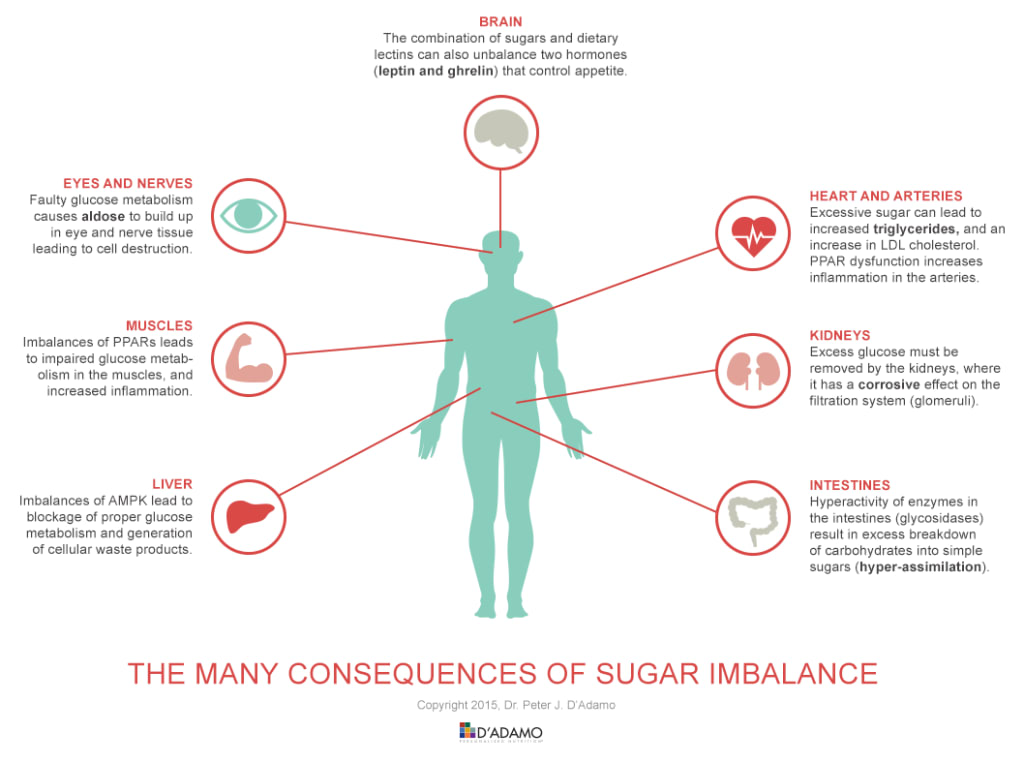
What is sugar and why is it so prevalent in our diets?
Sugar is a carbohydrate that is naturally found in many different foods, and to some extent, our bodies require sugars for energy production. However, in recent years, the amount and frequency of sugar intake has risen sharply, with an average person now consuming an estimated 100-150% more sugar than they did 50 years ago. Sugar is now found in a wide variety of processed and convenience foods, including soft drinks, candies, cakes and cookies, granola bars, and many more. While naturally occurring sugars, such as those found in fruits, are nutritious and beneficial to our health, refined sugars, which are typically found in processed foods, pose substantial health risks. There are many reasons why the amount of sugar in our diets has increased so sharply, but perhaps the most significant is that it is cheaper to produce and buy than healthy, unprocessed foods. As a result, the food industry has created products that are high in sugar content but low in nutrients to keep costs down. Consumers have also contributed to the growing prevalence of sugar in our diets by demanding processed and sugary foods. Furthermore, our bodies have become less able to cope with the effects of sugar due to time-poor lifestyles and reduced physical activity that makes it harder to process the extra sugar.
How sugar affects your mental and physical health.
The effects of sugar on physical health
There are a variety of ways that sugar negatively affects our physical health. It can lead to weight gain and obesity, which is a major risk factor for a wide range of serious health issues, including heart disease and type 2 diabetes, two conditions for which diet is a significant risk factor. The effects of sugar on our metabolism can cause a rise in blood glucose levels, which can be detrimental to those with diabetes. Most people who eat a high sugar diet are likely to be consuming too many calories and not burning off enough energy through exercise. Sugar can also be highly addictive, and many people experience withdrawal symptoms when they reduce or stop their intake of sugar. This can make it difficult to reduce your sugar consumption, especially if you eat a lot of it.
The effects of sugar on mental health
Sugar is often consumed as a mood-altering substance. Many people reach for a sweet treat when they are feeling down or stressed, which can actually make these feelings worse in the long term. The sugar rush that you get from consuming too much sugar can make you feel more positive, but it’s short-lived, and it’s followed by a crash that leaves you feeling low and irritable once the effects wear off. The more you consume sweets as a mood-altering substance, the more likely you are to develop a mental health issue, such as depression. Too much sugar can also cause a mineral deficiency, particularly if you eat too many sweets and baked goods. Minerals like calcium, iron, and zinc are essential for healthy brain function, so without them, you are more likely to suffer from a mental health issue.
How sugar affects your mental and physical health.
The potential health benefits of reducing or eliminating sugar from our diets
Sugar can cause a lot of damage to our bodies, so it makes sense that reducing or eliminating it from our diets can provide a range of health benefits. A reduction in sugar intake has been shown to reduce blood pressure, which can reduce the risk of developing heart disease and stroke. Another common side effect of reducing sugar intake is weight loss, which can lower your risk of developing many diseases, including certain types of cancer. Many people also report feeling more energetic and focused on reducing or eliminating sugar from their diets. Many people also report feeling more energetic and focused on reducing or eliminating sugar from their diets.
How to reduce sugar consumption
If you want to reduce your sugar consumption, you need to be mindful of the food choices that you make. The best way to reduce your sugar intake is to eat whole, unprocessed foods, such as fruits, vegetables, nuts, seeds, and whole grains. Avoid foods like baked goods, soft drinks, and candies, which are high in refined sugars. It can be helpful to keep a food journal so you can track your food intake and make sure you are making healthy choices. You can also look for healthier alternatives to the foods you currently eat. For example, you can replace your afternoon coffee with a herbal tea, or you can replace your afternoon snack with an apple. You can also replace your breakfast cereal with oats, which are naturally lower in sugar.
About the Creator
Keep reading
More stories from writers in Humans and other communities.
The Fam and the Date
At some point in your relationship, your partner might want you to meet his or her family. This might be a nerve racking situation, because you might be afraid that his or her family won’t like you, or you might even be afraid that his or her family will judge you. Nevertheless, if your partner is close to his or her family, then it is important to go through with this step. Getting to know his or her family might help you learn about how your partner grew up. It might offer an explanation as to some of the things that shaped his or her personality, and it might allow you to find other people that know your partner better than you do in some ways.
By Nicole Higginbotham-Hogue3 days ago in Humans
Unofficial Challenge: What would you do if you were rich?
I love the kind of work I get to do in my career, but as I job search and browse apartments again due to another understaffed and unsustainable work environment that I did not intend to get into, my daydreams of better days consistently lean into the same question: What would I do if I didn't have to worry about my basic needs being met?
By Kay Husnick7 days ago in Writers
Winterthorne
Winterthorne stood alone at the edge of the park. The beautiful snow that had surrounded him was all trampled now, from the feet of all of the children who had built him. He missed the sparkly clean snow blanket, but he was happy that so many children had come out to make him.
By Laura DePace3 days ago in Fiction



Comments
There are no comments for this story
Be the first to respond and start the conversation.