science
The Science Behind Relationships; Humans Media explores the basis of our attraction, contempt, why we do what we do and to whom we do it.
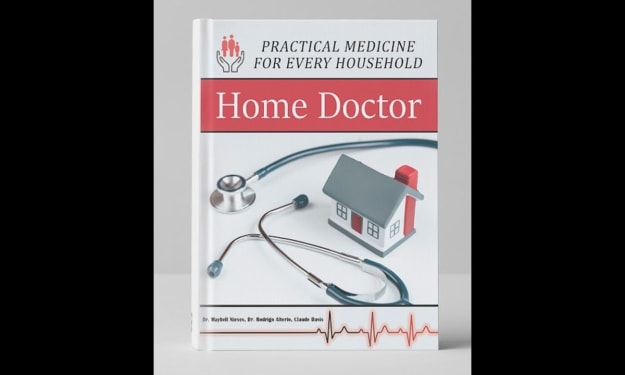
Home Doctor
Home Doctor – BRAND NEW: Revolutionizing Healthcare at Home Home Doctor is a revolutionary new product that is set to change the way healthcare is delivered to people. This new product is a highly advanced and technologically advanced device that can be used in the comfort of one's own home, without the need for a visit to the hospital or doctor's office.
By Therealartiste3 years ago in Humans
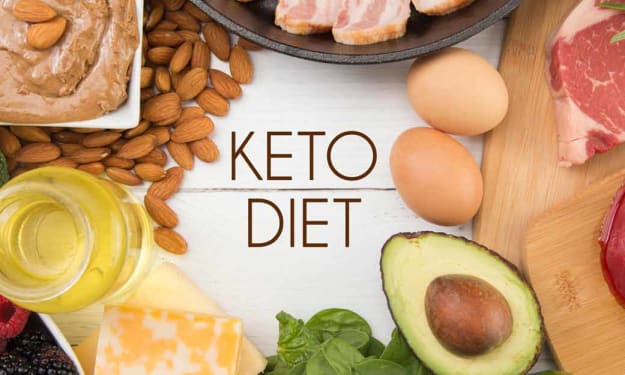
The Ultimate Keto Meal Plan
The Ultimate Keto Plan is a comprehensive guide that provides individuals with everything they need to know to successfully follow a ketogenic diet. Whether you're a busy professional or a family, the Ultimate Keto Plan has you covered, with a variety of meal plans and recipes to choose from, as well as tips and tricks for sticking to the diet.
By Healthy Habits3 years ago in Humans
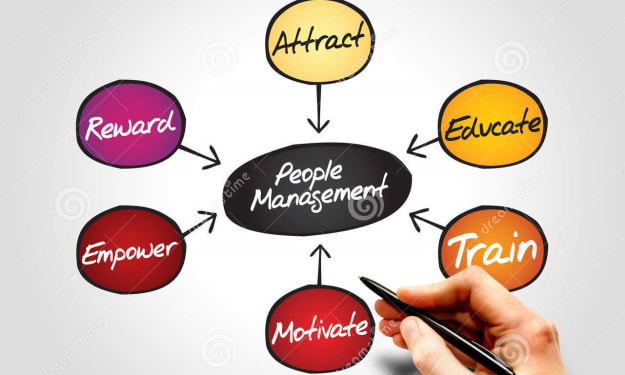
The Unseen Struggles: Comparing the Lives of Medical Practitioners in India and Developed Nations
The medical profession is one of the most noble and challenging careers in the world. It requires extensive knowledge, skill, compassion, and dedication to serve the sick and needy. The medical practitioners play a crucial role in the health and well-being of the community and are often considered the frontline workers in the fight against diseases and pandemics. However, despite their critical importance, the lives of medical practitioners are often marred by unseen struggles and challenges that they face in their day-to-day work. In this blog, we will compare the lives of medical practitioners in India and developed nations and highlight the unique difficulties that they face in their respective countries.
By Naveen Kumar3 years ago in Humans
A Rose By Any Other Name
Imagine this. You have just endured something that has left you in pain, possibly physical, but at the very least, emotional more than anything else. You've maybe told some people about your experience, or at least, whatever you have been able to process into word form, and more than likely the responses you have received either address the physical pain primarily, or barely addressed the emotional pain as well as you had hoped.
By Alicia Summers3 years ago in Humans
Why buy Air Purifier?
Why invest in Air Purifier product? TOPPIN HEPA Air Purifiers are a brand of air purifiers that use HEPA (High-Efficiency Particulate Air) filters to clean the air. HEPA filters are capable of removing 99.97% of airborne particles, including allergens, dust, mold, and pet dander, making the air cleaner and healthier for the people inside a room.
By Toms Bogusevics3 years ago in Humans
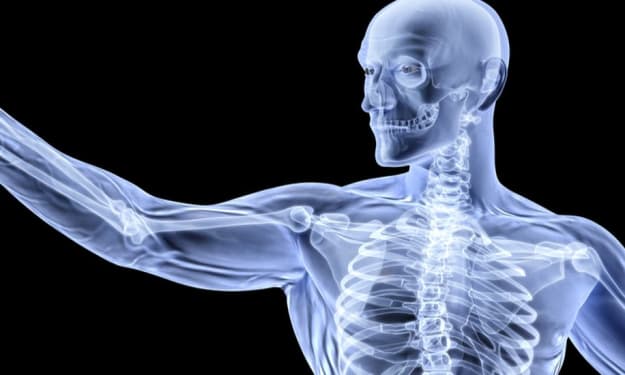
THYROID
Tom: Hey Cherry, what's a thyroid? Cherry: It's a small butterfly-shaped gland found in the neck that's responsible for controlling the body's metabolism and energy levels. Without it, your body would be out of balance. Tom and Cherry are walking along, discussing the thyroid and its role in the body. Tom: "Hey Cherry, did you know that the thyroid is a gland located in the neck that produces hormones that regulate metabolism?" Cherry: "That's incredible! So, how does the thyroid release these hormones?" Tom: "Well, the thyroid gets signals from the anterior pituitary gland, which then triggers the thyroid to release hormones." Cherry: "Wow, that's amazing! So, the thyroid is like a superhero, responding to a call to action and saving the day with its hormones!" Tom: Hey Cherry, did you know that the thyroid gland produces two hormones called triiodothyronine (T3) and thyroxine (T4)? Cherry: Wow, what do those hormones do. Tom: Well, these hormones play an important role in controlling the body’s metabolism. They help regulate the body’s energy use and the growth of cells and tissues. Cherry: That sounds really important! How do the hormones work? Tom: Well, these hormones are released by the thyroid gland and travel through the bloodstream to reach various organs throughout the body. They bind to specific receptors in the cells that can be found in these organs, triggering a series of chemical reactions that help regulate the body’s metabolism . Tom: There are four main types of thyroid disorders: hypothyroidism, hyperthyroidism, goiter, and thyroid cancer. Cherry: Hypothyroidism is when the thyroid gland doesn't produce enough hormones, causing fatigue, weight gain, and a slower metabolism. Tom: Hyperthyroidism is when the thyroid produces too much of the hormone, leading to rapid weight loss, nervousness, and a faster metabolism. Cherry: Goiters are an enlargement of the thyroid gland and can be caused by iodine deficiency, thyroid cancer, or other thyroid disorders. Tom: Lastly, thyroid cancer is a rare type of cancer that can affect the thyroid gland, and is usually treatable when caught early. TOM and Cherry were walking in the park one day when they noticed a huge billboard that said "Thyroid Health: Beware the Causes". Tom and Cherry were puzzled, so they decided to figure out what was going on. Tom: What could be causing thyroid problems? Cherry: Well, according to the doctor, there are a lot of reasons. For example, your genetics, certain medications, radiation exposure, iodine deficiency, autoimmune diseases, and even certain foods can all contribute to thyroid issues. Tom: Wow, that’s a lot of causes! How can we make sure we keep our thyroids healthy? Well, it’s important to get regular checkups, eat a balanced diet, avoid radiation exposure, and take any medications prescribed by your doctor. It’s also important to get enough sleep and manage stress levels, as these can also affect how your thyroid functions.Thyroid hormones are hormones produced by the thyroid gland, which is located in the neck. These hormones are responsible for regulating the body's metabolism, energy levels, and other important functions. The two main thyroid hormones are thyroxine (T4) and triiodothyronine (T3). These hormones are produced in response to signals from the hypothalamus and pituitary gland, which control the thyroid gland. Thyroid hormones are essential for normal growth and development, as well as for maintaining normal metabolism, body temperature, and other functions. THYROID Thyroid refers to a butterfly-shaped gland located in the neck which produces hormones that regulate metabolism, heart rate, and other functions. It is part of the endocrine system. THYROID TYPES . Hypothyroidism . Hyperthyroidism . Thyroiditis . Goiter . Thyroid nodules . Thyroid cancer . Thyroid hormone resistance . Hypopituitarism . Congenital hypothyroidism . Postpartum thyroiditis Common symptoms of thyroid disease include fatigue, weight gain or difficulty losing weight, hair loss, dry skin, muscle cramps, difficulty sleeping, irregular or heavy menstrual cycles, mood swings, depression, anxiety, and brain fog. HYPERTHYROIDISM SYMPTOMS . Weight loss . Increased appetite . Rapid or irregular heartbeat . Sweating . Nervousness, anxiety and irritability . Trouble sleeping . Fatigue . Difficulty concentrating . Heat intolerance . Tremors in the hands and fingers . Visible enlargement of the thyroid gland (goiter) . Change in menstrual cycle . Changes in bowel habits . Itching and skin thickening 15. Muscle weakness . Enlarged eyes . Puffiness around the eyes . Changes in vision HYPOTHYRODISM SYMPTOMS Hypothyroidism symptoms vary depending on the severity of the thyroid hormone deficiency, but they may include: -Fatigue -Weight gain -Dry skin -Hair loss -Feeling cold -Constipation -Depression -Memory loss -Muscle weakness -Joint pain -Abnormal menstrual cycles -Decreased libido THYROID MAIN REASONS FOR OCCURANCE The most common causes of thyroid problems include: 1. Autoimmune disease: An autoimmune disorder called Hashimoto’s thyroiditis is the most common cause of hypothyroidism. This condition occurs when your immune system mistakenly attacks your thyroid gland. 2. Thyroid nodules: These are growths that form on the thyroid and can cause it to become enlarged. 3. Radiation exposure: Certain radiation treatments, such as those used to treat cancer, can damage the thyroid and lead to problems. 4. Iodine deficiency: Your body needs iodine to make thyroid hormones. A lack of iodine in your diet can lead to hypothyroidism. 5. Medication side effects: Some medications, such as lithium, can interfere with your thyroid’s ability to produce hormones. 6. Thyroid cancer: This is a rare cause of thyroid problems, but it can occur. HOW TO CURE THYROID NATURALLY 1. Eat a healthy diet: A diet rich in nutrient-dense foods like fresh fruits and vegetables, lean proteins, and healthy fats can help support your thyroid health. 2. Get enough selenium: Selenium is an important mineral for thyroid health. Foods like Brazil nuts, tuna, and shrimp are all good sources. 3. Avoid foods that can interfere with thyroid function: Foods like soy, cruciferous vegetables, and raw goitrogens can interfere with thyroid function. 4. Exercise regularly: Exercise can help regulate your hormones, including those related to your thyroid. 5. Consider herbs and supplements: Certain herbs and supplements may help support thyroid health, such as ashwagandha, selenium, and probiotics. 6. Manage stress: Stress can interfere with thyroid function, so it's important to manage it. Consider yoga, meditation, and other stress-relieving activities. HYPERTHYROIDSIM PATIENT EATBLE AND NON EATABLE DIET CHART Eatable Diet: • Fresh fruits and vegetables • Whole grain breads and cereals • Lean proteins such as fish, chicken, and eggs • Low-fat dairy products • Nuts and legumes • Healthy fats such as olive oil and avocados Non-Eatable Diet: • Sugary and processed foods • Refined grains • Trans fats • Excess sodium • Caffeine • Alcohol HYPOTHYROIDSIM PATIENT EATBLE AND NON EATABLE DIET CHART Eatables Fruits - Apples - Oranges - Bananas - Berries Vegetables - Broccoli - Spinach - Kale - Carrots - Sweet potatoes Grains - Oats - Quinoa - Brown rice - Barley Proteins - Legumes - Beans - Tofu - Nuts - Seeds Dairy - Low-fat milk - Yogurt - Cheese Non-Eatables Caffeine - Coffee - Tea - Sodas Alcohol - Beer - Wine - Spirits Food additives - Artificial colors - Artificial sweeteners - Preservatives - Monosodium glutamate Sugar - Table sugar - High fructose corn syrup - Other added sugars.
By sanjay ozone3 years ago in Humans