
The History and Significance of Alpacas in Peru

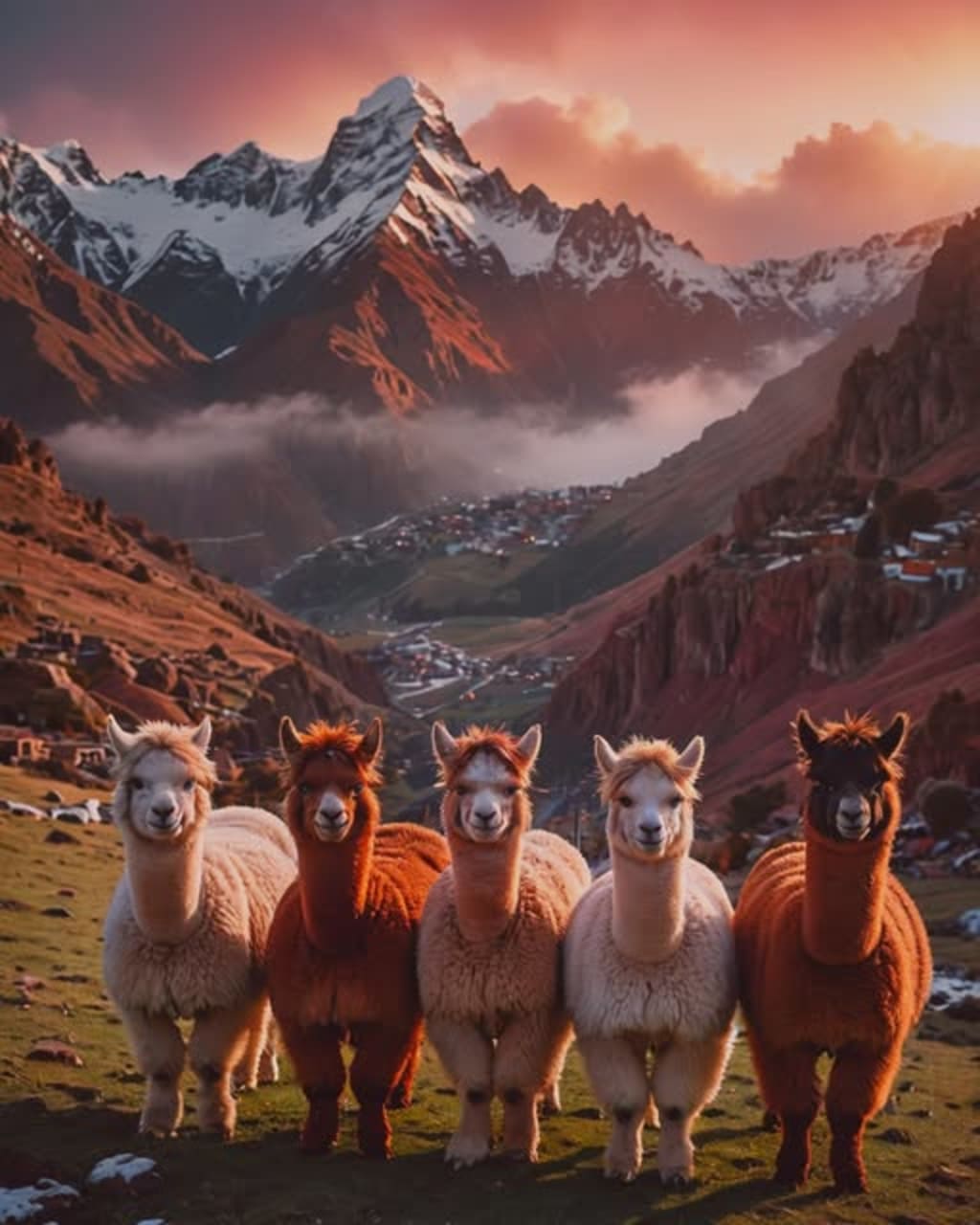
The History and Significance of Alpacas in Peru
Introduction
Alpacas (Vicugna pacos) are emblematic of the Peruvian Andes, where they have been a vital part of the indigenous culture and economy for thousands of years. Known for their luxurious fleece and gentle demeanor, alpacas have garnered attention worldwide as popular livestock. This article delves into the rich history of alpacas in Peru, exploring their origins, cultural importance, and contemporary challenges and opportunities.
1. Origins and Domestication of Alpacas
The history of alpacas dates back thousands of years to the Andean cultures of South America. They are believed to have descended from the wild guanaco, a camelid native to the Andes.
1.1. Pre-Columbian History
Alpacas were domesticated by ancient civilizations such as the Incas, who cherished them for their soft fleece. Archaeologists suggest that domestication occurred around 6,000 years ago, making alpacas an integral part of Andean life. They were raised primarily for their fiber, meat, and as pack animals.
1.2. The Importance of Alpacas in Incan Society
During the Inca Empire (1438–1533 AD), alpacas held great significance. The Incas created a complex system of breeding and herding, ensuring that they produced high-quality fiber. Alpaca wool was woven into textiles, which became essential for clothing and trade, reflecting the wealth and status of the community.
 (Image placeholder: link to an image of Inca textiles)
2. Cultural Significance of Alpacas
Alpacas are woven into the cultural fabric of Peru, where they are celebrated for their fiber and companionship.
2.1. Traditional Andean Textiles
The fiber obtained from alpacas is prized for its softness, warmth, and durability. The indigenous people of Peru have long utilized alpaca wool to create intricate textiles, such as shawls, blankets, and ponchos, often decorated with traditional designs and patterns that reflect their cultural heritage. The vibrant colors arise from natural dyes, showcasing Peru's rich biodiversity.
2.2. Rituals and Festivals
Alpacas also play a role in Peruvian rituals and festivals. In the Andean community, they are often featured in celebrations, such as the Fiesta de la Cruz (Festival of the Cross) and the Carnaval. They symbolize abundance, prosperity, and a connection to the earth, and ceremonies often include blessings for the animals to ensure good health and productivity.
3. The Economic Role of Alpacas
In addition to their cultural significance, alpacas are vital to the economic well-being of many communities in Peru.
3.1. Fiber Production and Export
The alpaca industry contributes significantly to Peru's economy. With over 80% of the world's alpaca population found in Peru, the country is the leading producer of alpaca fiber, which is highly regarded in the global market. Alpaca fleece is considered an alternative to sheep wool and has numerous applications in the fashion industry. Peruvian alpaca wool is marketed for its quality and luxurious texture, and it is often used in high-end clothing and accessories.
3.2. Eco-Tourism and Alpaca Farms
Given the beauty of the Andes and the appeal of alpacas, many farmers have turned to eco-tourism by offering farm tours and experiences involving alpacas. This provides additional income for families while educating visitors about the significance of these animals. Travelers are drawn to the opportunity to interact with alpacas, learn about traditional farming practices, and support local communities.
4. The Challenges Facing Alpaca Farming
Despite their significance, alpaca farming in Peru faces numerous challenges that threaten the sustainability of the industry.
4.1. Climate Change
Climate change poses a significant threat to alpaca farming. Rising temperatures, changes in precipitation patterns, and extreme weather events can affect the availability of grazing land and water resources. Many farmers are forced to adapt their practices to cope with these changes, which can strain traditional methods.
4.2. Market Competition
The global demand for sustainable and ethically sourced fiber has increased, but this has also led to competition. Other countries, such as China, have begun producing alternative fibers, which can impact the market for Peruvian alpaca wool. Farmers must find ways to differentiate their products and maintain high-quality standards to remain competitive.
4.3. Economic Vulnerability
Many alpaca farmers in rural areas are economically vulnerable, relying on traditional practices that may not provide sufficient income. Access to modern technology, training, and markets can be limited, making it crucial to support farmers in improving their practices and livelihoods.
5. Innovations and Opportunities in the Alpaca Industry
Despite the challenges, there are numerous opportunities for growth and innovation in the Peruvian alpaca industry.
5.1. Sustainable Practices
There is a growing movement towards sustainable farming practices among alpaca farmers. Emphasizing organic farming, conservation, and ethical treatment of animals can appeal to environmentally conscious consumers. Additionally, initiatives that promote the welfare of both alpacas and farmers are gaining traction.
5.2. Certification and Quality Control
Developing certification programs that highlight the unique qualities of Peruvian alpaca products can help farmers gain recognition and higher market prices. By focusing on quality control and branding, Peruvian alpaca wool can compete effectively in the global market.
5.3. Community Empowerment
Empowering local communities through training and education can facilitate improved practices and increase economic stability. Cooperatives that enable farmers to share resources, knowledge, and innovations can foster resilience and collaboration within communities.
 (Image placeholder: link to an image of alpaca farmers working together)
6. The Future of Alpacas in Peru
The future of alpacas in Peru remains promising as long as there is a focus on sustainability, collaboration, and cultural preservation. Integrating traditional practices with modern innovations can help secure a lasting legacy for alpacas in Peru.
6.1. Promoting Alpaca Products
Continued promotion of alpaca products can help boost their visibility in international markets. By emphasizing their unique features and sustainable origins, Peruvian alpaca products can attract consumers looking for quality and ethical choices.
6.2. Strengthening Climate Resilience
Research and investment in climate-resilient practices would be beneficial for alpaca farming. Techniques such as rotational grazing, improved pasture management, and crop diversification can enhance the sector's ability to adapt to changing conditions.
6.3. Preserving Cultural Heritage
The cultural richness of alpacas should be preserved and celebrated. By promoting traditional textile arts and rituals, local communities can maintain their heritage while attracting cultural tourism. Educational programs centered around alpaca farming can help younger generations appreciate their significance.
Conclusion
Alpacas hold an integral place in Peruvian culture and economy, representing a rich history and connection to the land. From ancient civilizations to contemporary sustainability efforts, alpacas continue to embody the enduring spirit of the Andean people. Addressing challenges through innovation, community collaboration, and cultural preservation will ensure that alpacas thrive for generations to come.
References
1. Aldersebaes, M. (2012). Alpacas: A Guide to Production and Profitability. Andean Publishing House.
2. Gonzalez, M. (2015). “The Cultural Importance of Alpacas in Andean Society.” Journal of Indigenous Cultures, 8(2), 130-145.
3. Johnson, R. (2018). The Alpaca Industry: Trends and Innovations in Peru. International Journal of Sustainable Agriculture.
4. Lovett, J. (2019). “Sustainability in Alpaca Farming: Adaptation Strategies.” Rural Development Studies, 19(4), 144-160.
5. Mendoza, L. (2020). “Economic Impacts of Alpaca Farming in Peru.” Economic Perspectives on Agriculture, 27(3), 89-102.
I am a global nomad/permanent traveler, or coddiwombler, if you will, and I move from place to place about every three months. I am currently in Peru and heading to Chile in a few days and from there, who knows?. I enjoy writing articles, stories, songs and poems about life, spirituality and my travels. You can find my songs linked below. Feel free to like and subscribe on any of the platforms. And if you are inspired to, tips are always appreciated, but not necessary. I just like sharing.
YouTube Top Song List.
https://www.YouTube.com/results?search_query=julia+o%27hara+top+songs
Amazon PlayList
https://www.amazon.com//music/player/artists/B0D5JP6QYN/julia-o'hara
Spotify PlayList
https://open.spotify.com/artist/2sVdGmG90X3BJVn457VxWA
You can also purchase my books here:
https://www.lulu.com /spotlight/julie-ohara
About the Creator
Julie O'Hara - Author, Poet and Spiritual Warrior
Thank you for reading my work. Feel free to contact me with your thoughts or if you want to chat. [email protected]
Keep reading
More stories from Julie O'Hara - Author, Poet and Spiritual Warrior and writers in Humans and other communities.
The Rich History of Amazonian Vegetables in Peru
Introduction The Amazon rainforest, the largest tropical rainforest in the world, is one of the most biodiverse regions on the planet. In Peru, which boasts a significant portion of the Amazon basin, indigenous cultures have cultivated and utilized a vast array of vegetables that have been integral to their survival and traditions. This article explores the history of Amazonian vegetables in Peru, delving into their cultural significance, nutritional value, economic impact, and contemporary challenges.
By Julie O'Hara - Author, Poet and Spiritual Warrior5 months ago in Humans
The Fam and the Date
At some point in your relationship, your partner might want you to meet his or her family. This might be a nerve racking situation, because you might be afraid that his or her family won’t like you, or you might even be afraid that his or her family will judge you. Nevertheless, if your partner is close to his or her family, then it is important to go through with this step. Getting to know his or her family might help you learn about how your partner grew up. It might offer an explanation as to some of the things that shaped his or her personality, and it might allow you to find other people that know your partner better than you do in some ways.
By Nicole Higginbotham-Hogue2 days ago in Humans



Comments
There are no comments for this story
Be the first to respond and start the conversation.