
The Role of Shingle Roof Ventilation in Preventing Roof Damage
How Proper Shingle Roof Ventilation Protects Your Home from Costly Roof Damage
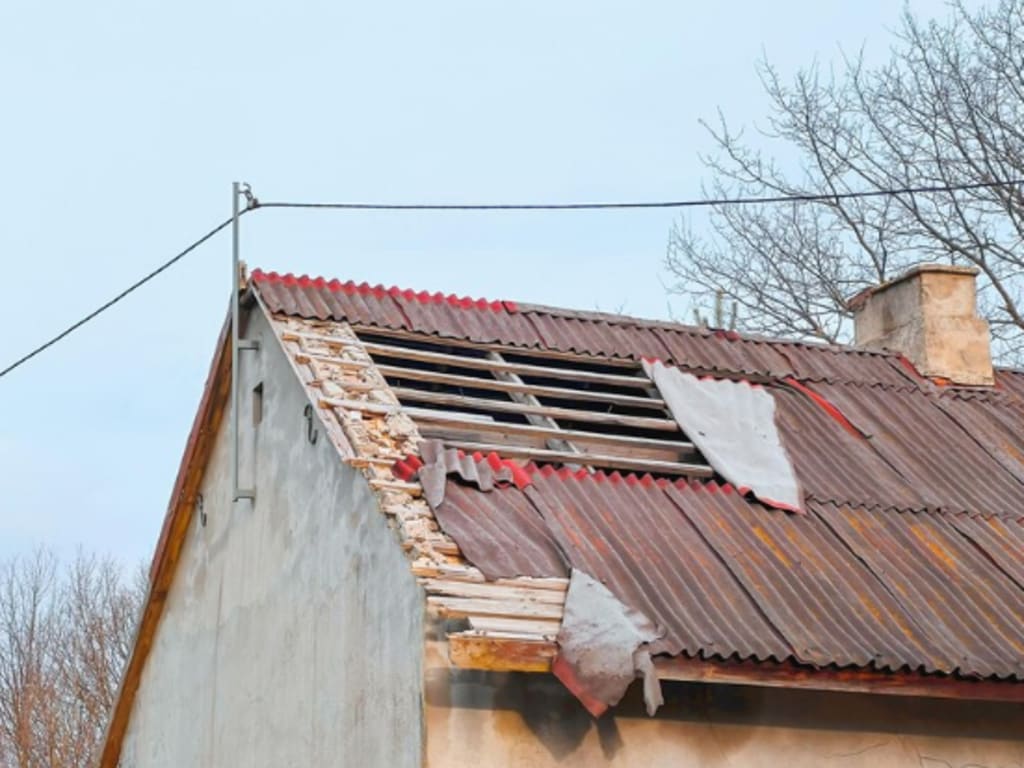
Proper ventilation plays a crucial role in the longevity and performance of your roof. For homes with shingle roofing, ensuring adequate ventilation is key to preventing costly damages and maintaining the overall health of your roof. This article explores the role of shingle roof ventilation in preventing roof damage, with a specific focus on how it applies to homes in different climates, such as those in Florida.
What Is Roof Ventilation and Why Is It Important?
Roof ventilation refers to the system of air intake and exhaust that allows heat and moisture to escape from the attic space. Without proper ventilation, your attic can become a trap for excessive heat and moisture, leading to various issues, such as mold growth, shingle deterioration, and even structural damage.
The Role of Shingle Roof Ventilation in Preventing Roof Damage
One of the most important benefits of ventilation is that it helps regulate the temperature in your attic. When hot air is trapped in the attic, it can cause shingles to overheat and age prematurely. In colder climates, poor ventilation can result in moisture buildup, which leads to mold and mildew growth. But it’s not just homes in colder regions that are affected—the role of shingle roof ventilation in preventing roof damage is just as crucial in warm, humid environments like Florida.
How Shingle Roof Ventilation Works
A good ventilation system involves both intake vents (which bring in fresh air) and exhaust vents (which expel hot, moist air). Intake vents are often located in the soffits or eaves of the roof, while exhaust vents are installed at or near the roof’s peak. This continuous airflow helps balance temperature and humidity levels, protecting the roof's integrity.
Preventing Heat Damage to Shingles
In warm climates like Florida, heat is a major concern for homeowners with shingle roofs. Prolonged exposure to intense sunlight can cause shingles to crack, warp, or become brittle. Without proper ventilation, attic temperatures can soar, exacerbating this issue.
The role of shingle roof ventilation in preventing roof damage is to keep attic temperatures closer to the outside air temperature, minimizing the risk of heat damage to your shingles. Overheated shingles are more likely to fail, leading to leaks and other problems that could otherwise be avoided.
Protecting Against Moisture and Mold Growth
Shingle roof ventilation also helps prevent moisture buildup in the attic. When warm, moist air is trapped, it creates the perfect environment for mold and mildew to thrive. Not only can this cause health issues for your family, but it can also compromise the structural integrity of your roof.
In areas like Florida, where humidity levels are high, moisture control is especially important. Proper ventilation allows moist air to escape, keeping the attic dry and reducing the risk of mold growth and wood rot.
Shingle Roof Ventilation and Energy Efficiency
Another benefit of proper shingle roof ventilation is that it can improve your home’s energy efficiency. When your attic is well-ventilated, it helps keep the entire house cooler during the hot summer months. This reduces the strain on your air conditioning system, potentially lowering your energy bills.
For homeowners with a shingle roof in Florida, where cooling costs are often a concern, proper ventilation can offer significant energy savings. By allowing hot air to escape, ventilation systems prevent your attic from becoming a heat trap, making it easier to maintain a comfortable indoor temperature.
Extending the Life of Your Shingle Roof
The role of shingle roof ventilation in preventing roof damage goes beyond protecting the materials—it also extends the lifespan of your entire roof. A well-ventilated roof experiences less wear and tear from heat and moisture, meaning you won’t need to replace it as frequently.
In regions like Florida, where both heat and humidity pose challenges to roofing systems, proper ventilation can help homeowners avoid the expense and hassle of premature roof replacement.
How to Ensure Proper Shingle Roof Ventilation
Ensuring your roof has adequate ventilation requires a balanced system of intake and exhaust vents. If you’re unsure whether your current system is working effectively, here are a few steps to take:
Check for proper airflow: Ensure there are enough intake and exhaust vents to allow for adequate air circulation.
Inspect the attic for signs of moisture: Look for any signs of mold, mildew, or excessive humidity in your attic space.
Monitor attic temperature: If your attic feels excessively warm, even on cooler days, it may indicate poor ventilation.
Consult a professional: For homeowners with a shingle roof in Florida, it’s especially important to work with a roofing expert familiar with the unique challenges of the local climate.
What Are The Three Types of Roofing?
FAQs
1. How does roof ventilation help prevent shingle damage?
Roof ventilation helps control the temperature and moisture levels in your attic, reducing the risk of shingles overheating, cracking, or warping. Proper ventilation also prevents moisture buildup, which can lead to mold growth and structural damage over time.
2. Is roof ventilation necessary for homes in Florida?
Yes, roof ventilation is especially important for homes in Florida due to the hot and humid climate. Proper ventilation helps prevent heat damage to shingles and moisture buildup in the attic, both of which are common issues in Florida homes with shingle roofs.
Conclusion
Proper ventilation is essential for maintaining the health and longevity of your roof. Whether you live in a hot, humid climate like Florida or a cooler region, the role of shingle roof ventilation in preventing roof damage cannot be overlooked. By keeping your attic well-ventilated, you can protect your shingles from premature aging, prevent moisture-related problems, and even improve your home’s energy efficiency.
About the Creator
Where there's Art there's Heart
Here's a stupid thing: I adore art, but I start to panic whenever I step into a gallery. In the one place I should be at my contented best - surrounded by walls teeming with creative expression - I fall apart. What ought to be an enriching experience, tacitly designed to facilitate the exploration of human empathy and perspective, is for me an overwhelming purgatory of anxiety that compresses me to the point I cannot breathe. At the same time, I experience a sense of extraction, as though my head is being prized open to create a hole so big my sanity could evaporate. Somewhere between these two opposing forces of vice and vortex, I feel myself dissolving in a stream of panic that makes me want to cry; and I feel so daft feeling this way, that all I want to do is run for the hills.
By Caroline Jane2 days ago in Humans



Comments (1)
Hey, just wanna let you know that this is more suitable to be posted in the FYI community 😊