
The Weight of Becoming Someone
Why growth feels lonely before it feels right

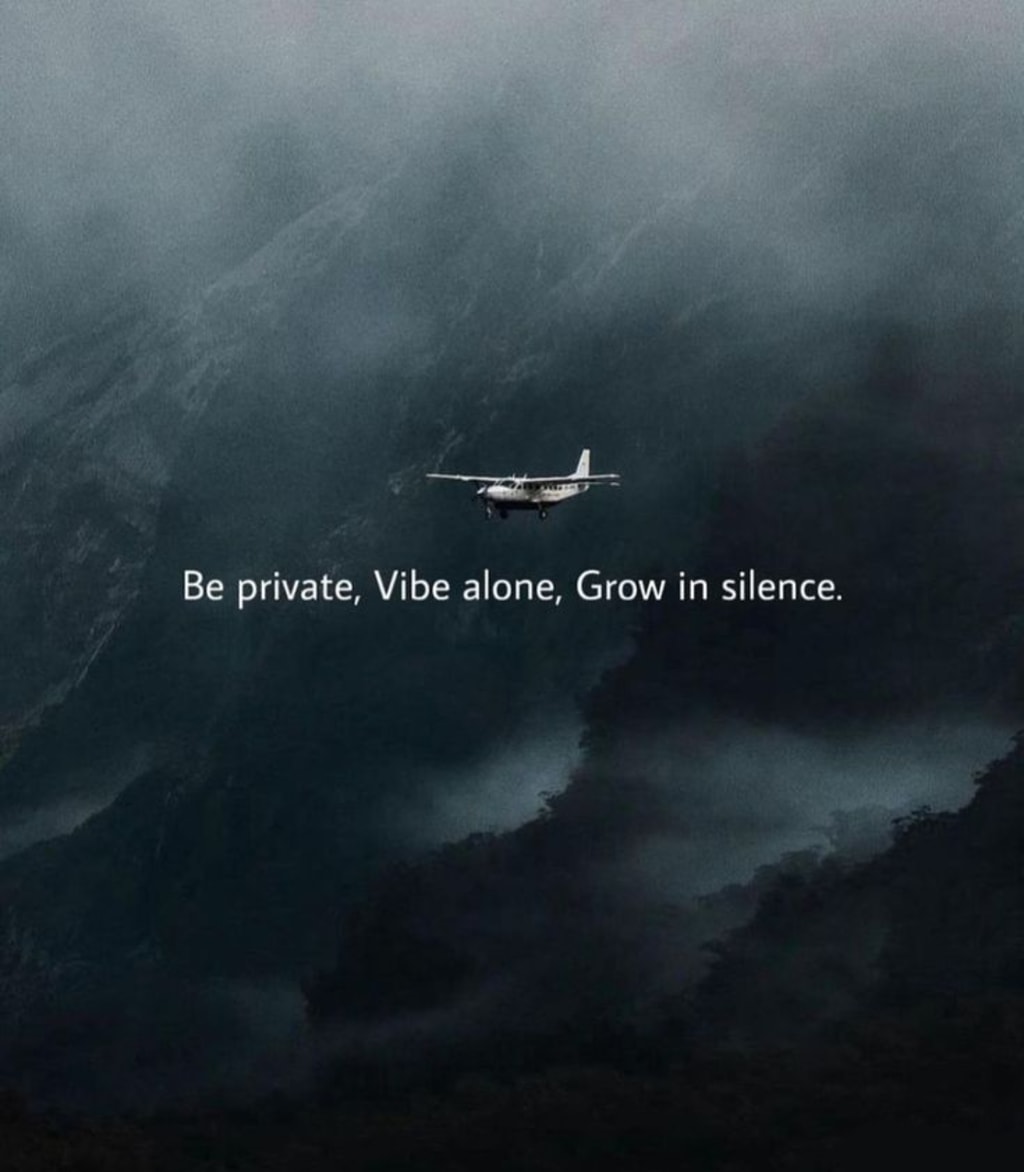
There’s a part of growth nobody warns you about.
It’s not the hard work.
It’s not the discipline.
It’s not even the fear of failure.
It’s the loneliness that comes from becoming someone new while still living among who you used to be.
Growth doesn’t always feel like progress. Sometimes it feels like loss. You outgrow habits before you outgrow people. You change internally long before your external life reflects it. And in that in-between space, you don’t fully belong anywhere.
You’re not who you were — but you’re not who you’re becoming yet.
That space is heavy.
When you start evolving, old versions of you don’t disappear immediately. They linger in routines, relationships, and expectations. People still talk to you like you’re the same. They still expect the same reactions, the same availability, the same limits.
And part of you feels guilty for changing.
Growth challenges identity — not just yours, but other people’s image of you. When you shift, it forces others to adjust, and not everyone wants to. Some will resist. Some will mock it. Some will pretend nothing has changed.
That resistance can make you doubt yourself.
You start wondering if you’re being dramatic. If you’re “doing too much.” If staying the same would be easier.
And honestly — it would be easier.
But it wouldn’t be honest.
Becoming someone new requires discomfort because you’re shedding familiar ground. Even unhealthy familiarity feels safe. It’s predictable. Growth removes that predictability.
That’s why it feels destabilizing.
Another truth people don’t talk about: growth often makes you quieter. Not because you have less to say — but because you stop explaining yourself to people who aren’t listening.
You realize not every thought needs to be shared. Not every realization needs validation. Silence becomes a form of self-respect.
And that silence can look like distance.
You might notice fewer people reaching out. Conversations feeling shallow. Jokes that no longer land. Interests that no longer excite you. You’re not better than anyone — you’re just not aligned anymore.
Misalignment drains energy.
Growth also changes your tolerance. Things you once accepted start feeling wrong. Dynamics you once ignored start feeling heavy. You become more sensitive — not weaker, but more aware.
Awareness is uncomfortable before it’s empowering.
There’s also grief in growth. Grief for old dreams that no longer fit. Grief for versions of yourself that tried their best with what they knew. Grief for relationships that only worked when you stayed small.
That grief doesn’t mean growth was a mistake.
It means you’re human.
One of the hardest parts is trusting that the emptiness is temporary. When you let go of old patterns, there’s a gap before new ones form. When you stop tolerating certain things, there’s space before better things arrive.
That space can feel like failure.
But it’s actually transition.
Most people turn back during this phase. Not because they can’t grow — but because they misinterpret discomfort as a warning instead of a sign.
Growth rarely feels good at first. It feels unfamiliar. Unstable. Lonely.
But staying the same feels heavier over time.
Another quiet challenge is learning to move without applause. Early growth is internal. No one sees it. No one claps for boundaries. No one celebrates emotional regulation. No one notices restraint.
You’re changing — but the world doesn’t react.
That can feel discouraging.
But growth that depends on recognition isn’t stable. Real growth is self-anchored. It continues even when no one is watching.
Over time, something shifts.
You stop needing constant reassurance. You feel more grounded in your decisions. Your reactions slow down. Your sense of self strengthens. You don’t feel the need to rush your becoming.
You start trusting the process.
The loneliness softens. Not because everyone returns — but because you become comfortable in your own presence. You learn how to sit with yourself without distraction.
That’s when growth starts to feel right.
You realize that becoming someone isn’t about adding layers — it’s about removing what no longer fits. Expectations. Roles. Fear-based versions of yourself.
And yes, some people won’t recognize you anymore.
But the right ones will meet you where you are — not where you used to be.
Growth doesn’t ask you to abandon your past. It asks you to stop living there.
And the weight you feel right now?
It’s not because you’re lost.
It’s because you’re carrying yourself forward.
And that weight gets lighter — once you stop fighting it.
About the Creator
The Poisoned Smile: How Passive‑Aggressive Kindness Weakens a Society That Desperately Needs Courage
There is a particular kind of kindness that does not heal. It does not soothe, uplift, or transform. It does not soften the world or strengthen the bonds between people. Instead, it corrodes quietly, like water slipping into the cracks of a foundation. It is the kindness that avoids truth, the kindness that refuses to confront harm, the kindness that smiles while the house burns behind it. It is the kindness that calls itself gentle while it enables cruelty. It is the kindness that insists on seeing only flowers while the garden is choking on weeds.
By Julie O'Hara - Author, Poet and Spiritual Warrior5 days ago in Humans



Comments
There are no comments for this story
Be the first to respond and start the conversation.