
What My 9-Year-Old Son Taught Me About Courage
Subtitle: Sometimes the greatest life lessons come from the smallest teachers.
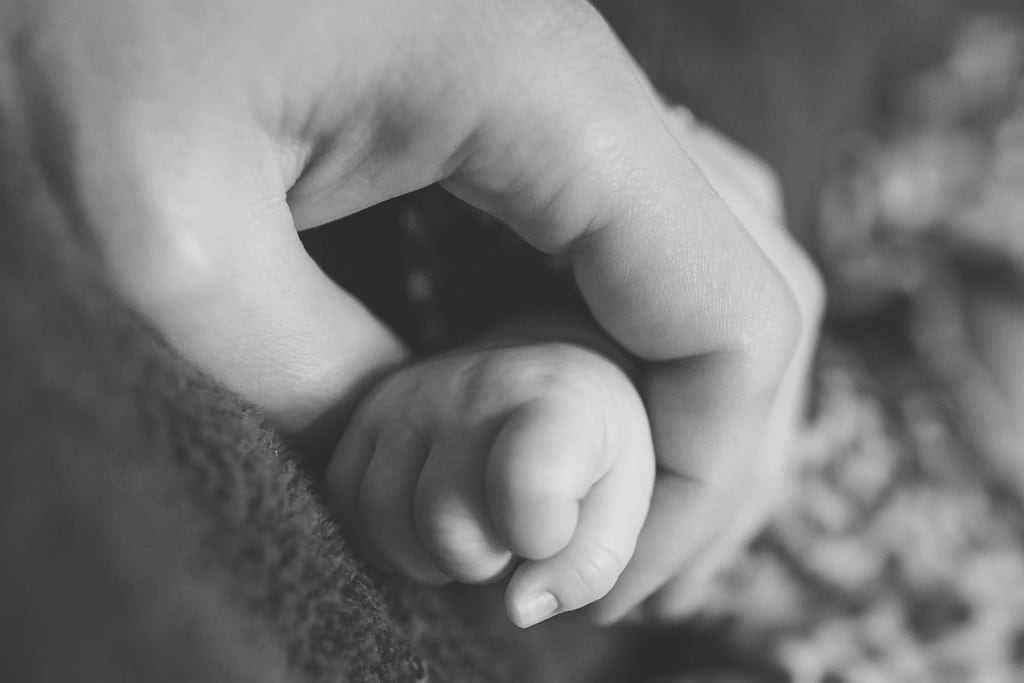
When we think of courage, our minds often jump to soldiers on battlefields, heroes in movies, or people facing extraordinary challenges. Yet one quiet evening, sitting at the edge of my son’s bed, I realized that courage can emerge from the smallest, most unexpected places—a child’s heart.
My son is nine years old, full of curiosity, energy, and that fearless imagination only children seem to have. Like many kids his age, he loves to explore, ask endless questions, and push his own limits. But a few months ago, he faced something that would make even grown-ups pause: his very first school competition.
It was a public speaking event, and dozens of eyes would be on him, waiting to see what he could do. He had practiced for days, repeating lines in front of me, stumbling over words, correcting himself, and starting all over again. The night before the competition, I saw the fear in his eyes—the kind that makes your heart ache for someone you love.
“Mama,” he whispered, voice trembling, “what if I forget everything? What if everyone laughs at me?”
As a parent, my first instinct was to protect him. I wanted to wrap him in my arms and say, “It’s okay—you don’t have to do it.” But then I remembered a truth I had often told him: courage isn’t the absence of fear. So I hugged him tightly and whispered, “Courage doesn’t mean you’re not afraid. It means you do it even while you’re afraid.”
The next morning, I sat in the audience, heart pounding faster than his. When he stepped onto the stage, hands shaking and voice quivering, I held my breath. And then something incredible happened. He paused, looked at the crowd, took a steadying breath, and spoke every word with clarity and passion. By the end, the audience erupted into applause, louder and more enthusiastic than I could have imagined.
That moment alone would have been enough to teach me about courage, but the lessons didn’t stop there. Later that week, he wanted to teach his younger cousin some of the lines for a small home performance. I watched him patiently guide the little one, correcting mistakes with gentle words and encouraging smiles. Even after feeling nervous just days before, he displayed confidence, patience, and grace. Courage, I realized, isn’t just about personal achievement—it’s about helping others find their strength too.
Another small moment reinforced this lesson. A few days after the competition, he came home disappointed. A classmate had teased him about a minor mistake during rehearsal. Instead of crying, hiding, or giving up, he calmly said, “Mama, it hurt, but I’ll do better next time. I’m not afraid to try again.”
I realized then that bravery isn’t confined to moments on a stage. It lives in everyday acts—standing up for yourself, trying something new, helping someone else, or simply choosing to keep going despite fear. Courage quietly shapes our lives, often in ways the world never sees.
That night, as I tucked him into bed, he smiled and said, “Mama, I was still scared. But I did it.” In that simple statement, I recognized the purest form of courage: it’s not being fearless, but choosing to move forward anyway.
As adults, we sometimes forget that the most profound lessons don’t come from books, seminars, or speeches. They come unexpectedly—from children, fleeting moments, or simple experiences that remind us what truly matters. Sitting beside my son that night, I realized courage isn’t loud or dramatic. It’s quiet, persistent, rooted in the heart, and expressed through love, determination, and the willingness to face life despite fear.
And on that day, my nine-year-old son taught me something I will never forget: courage isn’t measured by the size of the challenge but by the strength to take the first step, again and again, even when your heart trembles.
About the Creator
Asima Bibi
My work often explores complex characters and hidden truths, offering readers an immersive experience. I am based in Abu Dhabi, UAE, where I enjoy blending her personal and professional experiences into her literary works.
Keep reading
More stories from Asima Bibi and writers in Humans and other communities.
The Day I Learned Patience From a Stranger
It was one of those mornings when nothing seemed to go right. My alarm hadn’t rung on time, the traffic was worse than usual, and my phone was buzzing nonstop with emails and reminders. By the time I arrived at the government office I had to visit, my stress levels were through the roof.
By Asima Bibi5 months ago in Humans
Think for Me
"How do you calculate the circumference of a circle? Submit your answer when ready." [Pause] "Excellent! Every student was able to call up the answer electronically very quickly. If I, as a robot had feelings, I would express pride. You may break for lunch. Return to this cyber room in 45 minutes."
By Julie Lacksonen5 days ago in Humans
Whispers of a Valentine Part eight
Love the second time feels different. Not weaker. Not uncertain. But deliberate. After their Valentine’s Day reunion, Ethan and Lila didn’t rush into reclaiming what once was. Instead, they stepped carefully—like two people walking across fragile glass, aware of its beauty and its vulnerability.
By Ahmed aldeabella4 days ago in Humans


Comments
There are no comments for this story
Be the first to respond and start the conversation.