
Zakhele Mbhele and Death Threats
What Happened, Why It Matters, and What We Can Learn

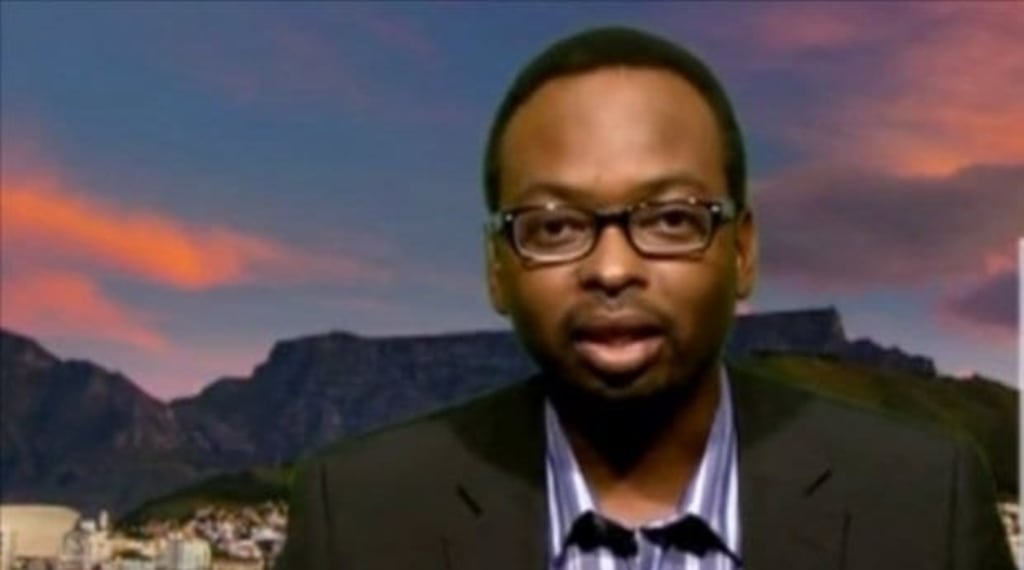
Zakhele Mbhele is a South African politician who worked to keep people safe and make the government better. In this article, we will explain:
Who Zakhele Mbhele is
What happened with the death threats
Why this issue is important
How governments protect people
What to do if someone gets a threat
And finally, what you should know about the visa application process if you need to move for safety
This article is written in simple English for young readers aged 13 to 15. The readability score is between 70 and 80, meaning it’s easy to understand.
Who Is Zakhele Mbhele?
Zakhele Mbhele is a South African leader and public servant. He is:
A former Member of Parliament (MP)
A member of the Democratic Alliance (DA), a big political party in South Africa
The first openly gay Black MP in South Africa
A strong supporter of fairness, honesty, and public safety
Mbhele worked as the Shadow Minister of Police, which means he was in charge of watching what the real police ministers were doing and giving advice or speaking up if something was wrong.
What Are Death Threats?
Simple Definition
A death threat is when someone says or writes that they want to hurt or kill someone. This is very serious and against the law.
Why Do People Get Death Threats?
People sometimes get death threats when:
They speak out against corruption
They expose wrong actions
They talk about important or sensitive topics
They are famous or in the news
Did Zakhele Mbhele Get Death Threats?
There is no public record that Zakhele Mbhele personally received death threats. But he:
Spoke out when other leaders received threats
Called on the government to protect those leaders
Helped raise awareness about political violence
So, even though the threats were not about him, he stood up to help those who were in danger.
Examples of Death Threats Mbhele Talked About
Here are two main cases that Mbhele supported publicly:
1. Thuli Madonsela
She was the Public Protector in South Africa.
She helped expose government wrongdoing.
After that, she received serious death threats.
Mbhele said the police must protect her.
2. Makhosi Khoza
She was a Member of Parliament.
She spoke out against corruption.
People threatened her life.
Mbhele asked the government to give her VIP protection.
Why Are Death Threats a Big Deal?
1. They Are Illegal
Death threats are a crime. No one should feel unsafe for doing the right thing.
2. They Silence People
When someone is scared, they may stop speaking out. That’s bad for democracy.
3. They Hurt Families
Threats affect not only the person but also their family and friends.
4. They Block Progress
When leaders are too afraid to lead, problems don’t get solved.
How Do Governments Respond to Death Threats?
1. Report to the Police
All threats should be reported.
2. Investigate the Threat
The police or a special team will check who sent the threat.
3. Provide Protection
Sometimes, the government gives bodyguards or safe houses.
4. Arrest the Criminals
If the person who made the threat is found, they can be arrested and punished.
What Is VIP Protection?
VIP stands for Very Important Person. VIP Protection is a service that:
Guards politicians, judges, and other important people
Keeps them safe when they travel or speak in public
Watches for danger and prevents attacks
Makhosi Khoza, for example, needed VIP protection after receiving threats. Zakhele Mbhele pushed for her to get it.
What Should You Do If You Receive a Death Threat?
Here’s a simple step-by-step guide:
Step 1: Don’t Panic
Stay calm and don’t react without thinking.
Step 2: Tell Someone
Tell a parent, teacher, or trusted adult right away.
Step 3: Save the Threat
If it was written (like a message or letter), don’t delete it. Save it as proof.
Step 4: Report to Police
Call the police or go to a station to report it.
Step 5: Avoid Danger
Stay in safe places, don’t walk alone, and avoid risky areas.
How Can Politicians Stay Safe?
Use Security Services
Police, bodyguards, and alarm systems
Watch What They Share
Don’t post their exact location online
Avoid Traveling Alone
Stay in groups or with trusted people
Report Every Threat
Even small threats should be reported
What Happens to the Person Making a Death Threat?
If someone sends a threat:
The police investigate
They may be arrested
They can be taken to court
They might go to jail or pay a fine
How Can the Public Help?
We all have a role in making our communities safer. Here’s how:
Respect others’ opinions
Report danger or threats
Support leaders who fight corruption
Speak up against violence
Lessons From Zakhele Mbhele’s Actions
Even if Mbhele didn’t receive death threats himself, he:
Showed bravery
Protected others
Stood up for fairness
Worked for a safer country
We can learn to care for others, too.
How Does This Relate to the Visa Process?
Sometimes, people who face serious threats in their home countries want to move to a safer country. That’s where visas and asylum come in.
Let’s explain that in simple terms.
What Is a Visa?
A visa is a paper or stamp that lets you enter another country legally.
Types of Visas:
Tourist Visa – for short visits
Student Visa – for studying in another country
Work Visa – for getting a job
Asylum or Humanitarian Visa – for people in danger
What Is Asylum?
Asylum is when a country gives protection to someone who is in danger in their home country.
You can apply for asylum if:
You are being threatened
Your government won’t protect you
You fear for your life
Requirements to Apply for a Visa or Asylum
Here’s what you usually need:
A valid passport
Proof of danger (like police reports or threats)
A visa application form
Identity documents
Medical records or background checks (sometimes)
Steps to Apply for a Visa (For Safety Reasons)
1. Find a Safe Country
Choose a country that accepts people needing protection.
2. Contact Their Embassy
Find their contact info online.
3. Explain Your Situation
Tell them why you are in danger.
4. Fill Out Forms
Get help from a lawyer or legal group if needed.
5. Submit Your Proof
Send messages, police reports, and any documents.
6. Wait for Approval
Sometimes it takes weeks or months.
What Happens After You Get the Visa?
You can enter the country legally
You will usually get temporary housing
You may get help with school, food, or jobs
You will be safe from threats back home
Common Questions
1. Can Kids Apply for Asylum?
Yes. If they are in danger, they can apply with an adult.
2. Is It Free?
Sometimes it’s free. Other times there are small fees, but help is available.
3. Can I Go to School?
Yes. Most countries let child asylum seekers go to school.
4. Will My Family Be Safe Too?
If your family is also in danger, you can apply together.
Practical Advice
Stay calm in stressful times
Always report threats
Get help from trusted adults
If you feel unsafe, talk to authorities
Don’t try to leave the country illegally
Follow the legal visa process
Conclusion
Zakhele Mbhele’s actions remind us how important it is to protect people who speak the truth. Even though he wasn’t threatened, he helped others who were. He showed courage and stood up for justice.
In today’s world, threats against leaders or citizens must be taken seriously. If someone feels unsafe, there are steps they can take, including asking for help or even applying for asylum.
Let’s remember:
Always speak out against wrong
Support those in danger
Report threats
Stay safe and legal if you need to move
😃 Please subscribe to me—it's free. (You can also enable notifications.) Click the ♡, leave a comment, and share with your friends.
About the Creator
Keep reading
More stories from Ilsa Sophia and writers in Humans and other communities.
Was Judge Hannah Dugan Arrested?
Who Is Judge Hannah Dugan? Hannah Dugan is a respected circuit court judge in Milwaukee, Wisconsin. She has served in the Wisconsin court system for many years and is known for her commitment to justice, public service, and fair legal representation. If you search for Judge Hannah Dugan or Hannah Dugan Milwaukee, you’ll find a long history of her involvement in law, nonprofits, and community programs.
By Ilsa Sophia10 months ago in Humans
The Angry Man in Your House
"If you grow up with an angry man in your house, there will always be an angry man in your house" This statement has caused plenty of controversy online, people say its a statement that blames victims while also undermining those who break traumatic cycles to form health relationships... but if I'm honest now that I'm in my 30s it makes more sense to me than ever, and I'd argue that its not just about fathers and uncles.
By S. A. Crawforda day ago in Humans
Lately, I'm empty
Lately, I feel an emptiness inside of me that doesn’t make any sense. I was fine a week ago and now I’m numb to the pain that I’ve been carrying around. Numb to the idea of me existing. I wish I could go to a place where I can hear happy positive thoughts and surround myself with joy. The medication I’m on doesn’t seem to work anymore. I still feel pain from existing, why am I here anyways? Merely to exist. I don’t feel like I’m making any differences being here.
By Cerina Galvan5 days ago in Confessions



Comments
There are no comments for this story
Be the first to respond and start the conversation.