
Is Varicose Vein Treatment Right for You? Signs to Watch For
Do your eyes catch that thick, tortuous, swollen vein of the leg?
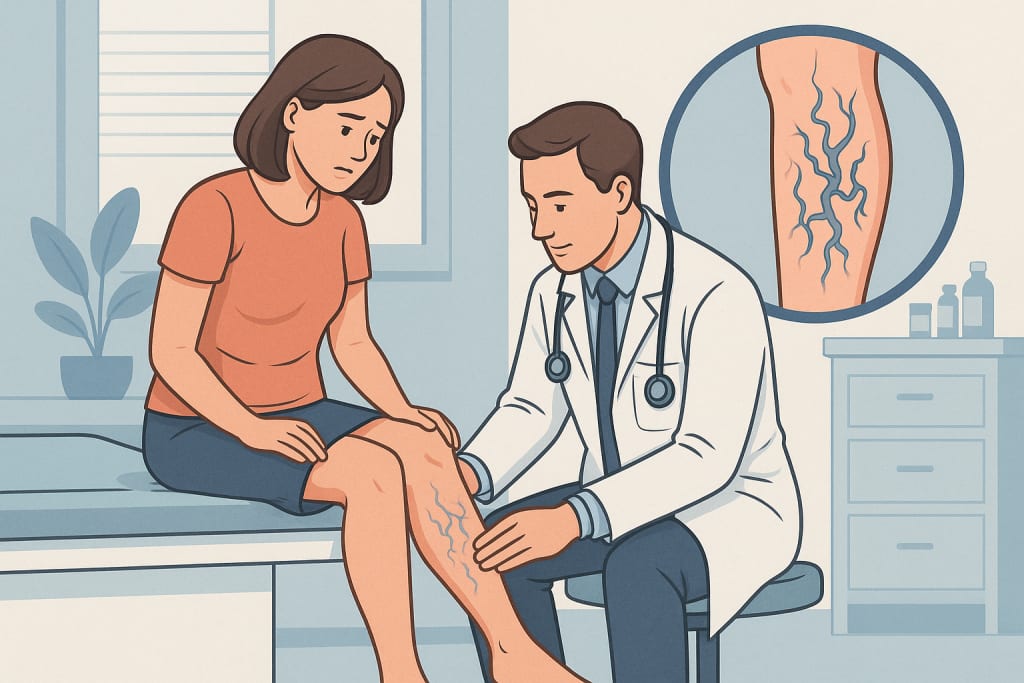
Do your eyes catch that thick, tortuous, swollen vein of the leg? If it looks bluish or purplish, you are seeing varicose veins. Almost everyone has one; at times, it is just a cosmetic problem, while at times it can actually hurt and create real trouble.
If someone asks when to treat varicose veins, this article explains the signs to watch for and when they warrant a doctor's visit.
Varicose Veins Brief?
These peculiar veins are the result of the improper functioning of tiny valves inside the veins. They are responsible for transporting the blood back to the heart, and the valves inside them ensure that this blood does not flow back. Thus, when any of these valves weaken, blood begins to pool inside the vein, thus leading to an evident protruding or twisting situation, which is referred to as varicosity.
Varicose veins can develop in anybody, but especially in:
- Women
- People with excess weight
- People who remain in prolonged standing or sitting positions
- Women who are pregnant
- Elderly persons
- Those with a family history of varicose veins
- Signs That You May Need Treatment
Not all persons with varicose veins need treatment. In any case, the following signs may be Cause for concern:
- Pain and aching: A heavy, sore, and achy sensation in the legs might be a symptom whenever standing or sitting for long hours may suggest that treatments are required for the veins.
- Swelling: Swelling may be found in the lower legs, around the ankles, or feet associated with varicose veins.
- Changes in skin: If the skin around varicose veins becomes dry, itchy, hardened, or changes color-skin especially dark brown or blue- see a doctor.
- Bleeding: Occasionally, varicose veins close to the skin can rupture and bleed. Even something as trivial as bumping against furniture can result in a lot of bleeding.
- Planting: Ulcerating, painful sores are usually seen around the ankle. Treatment could be done for uncontrolled pressure of varicose veins over a long time. These ulcers do not heal easily and thus need treatment.
- Restless legs: The extreme urge to move impetuously with varicose veins might have you waking or tossing in bed. This impairs sleep and comfort.
- Blood clots: Varicose veins could, in rare cases, lead to thrombosis. Should your leg start swelling, feel warm, and then hurt like the devil, get medical help without delay.
With any of the above symptoms, always be on the lookout to see a vein treatment doctor.
Why Treat Varicose Veins?
Many would say that their varicose veins are simply the leg's cosmetic consideration. Avoiding attention, however, on one part of the varicosities might unnecessarily take you through a serious medical concern later. Among these, discomfort and risk will remain reduced if varicose veins are treated. They may:
- reduce pain and swelling
- Improve the visible appearance of your legs
- reduce the risks of developing ulcers and blood clots
- Give you mobility and sleep
- help you keep those spirits high
What are the Treatments?
Well, now the very good news is that treatment of varicose veins has improved into options that are fast, safe, and practically painless. Some of the common choices are:
- Lifestyle modifications: In less severe varicose veins, changes in lifestyle management might include wearing compression stockings, regular exercise, leg elevation, and minimising sitting or standing for too long periods to a minimum.
- Laser Treatment: This consists of the use of strong bursts of light to shut down a varicose vein. This is a simple outpatient procedure.
- liquid injection: A liquid injection is usually used in sclerotherapy; this liquid treatment creates a collapse in the vein, which causes it to disappear from vision.
- Radiofrequency or laser ablation: A very thin tube is placed into the vein, and then heat is applied through it to close the vein.
- Surgical stripping: Surgical stripping and ligation- Severe cases are tied off or cut out through small incisions. Surgery is now becoming less common as manipulative techniques are available.
- Microphlebectomy: This method involves making very small incisions while simultaneously removing the vein.
Treatments are more or less performed minimally and painlessly; hence, the majority of patients would go home on the same day.
When to See a Doctor
Having those varicose veins treated would be beneficial if they gave pain or discomfort, were disfiguring, or reduced your quality of life with increased beauty. A visit to the doctor should be made when experiencing:
- Swelling or pain along with changes in skin persistent or chronic
- From veins about bleeding
- Sores or ulcers around the area of the veins
- Concern about the appearance of your legs
With timely action, you potentially close the door to complications and enjoy a better life.
Conclusive Ideas
Varicose veins are quite common, and for many, they are not the only cosmetic issue. They might hurt badly, or it might become a major medical concern if neglected. The ability to determine these symptoms early and to get help promptly could mean all the difference in the world.
If you're having leg pain, swelling, skin changes, or any of the other problems mentioned, it's time to see a doctor for his or her opinion. Today's treatments are safe and effective, and let you get back to a pain-free life without the worry of varicose veins.
Look after your veins, and they will take care of you!
About the Creator
Keep reading
More stories from irfacilities x and writers in Journal and other communities.
Understanding Financial Statements: A Practical Guide for Small Business Owners
Why Financial Structure Deserves Attention Running a small business involves constant decision-making. Pricing, hiring, marketing, and expansion all require judgment calls. While many decisions rely on experience and instinct, long-term stability depends on reliable financial information.
By Delerme CPAa day ago in Journal




Comments
There are no comments for this story
Be the first to respond and start the conversation.