
Limp Bizkit Announces Death of Sassist Sam Rivers Aged 48
The band’s social media post broke the news with heartbreaking simplicity:

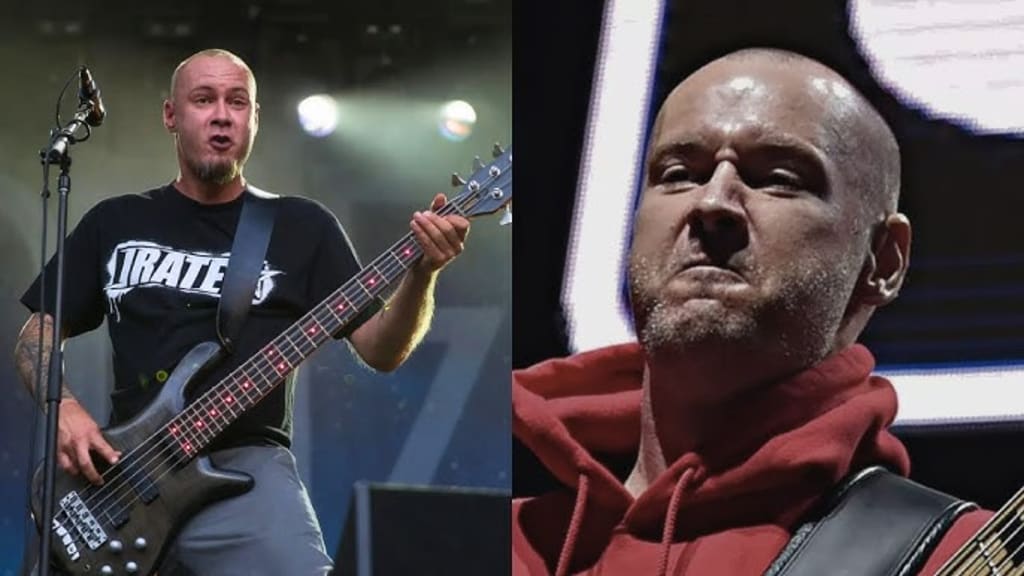
When the rhythm stops, silence feels louder. On October 19, 2025, that silence struck the world of rock when Limp Bizkit announced the death of their bassist and founding member, Sam Rivers, at the age of 48.
The band’s social media post broke the news with heartbreaking simplicity:
“Today we lost our brother. Our bandmate. Our heartbeat. Sam Rivers wasn’t just our bass player — he was pure magic. The pulse beneath every song, the calm in the chaos, the soul in the sound.”
For fans of nu-metal, those words cut deep. Sam wasn’t just a musician; he was the quiet architect behind some of Limp Bizkit’s most iconic grooves — the rhythmic glue that held together the chaos, angst, and attitude that defined a generation.
🎸 The Beat That Built an Era
To understand what made Sam Rivers’ death such a profound loss, one has to understand what he was to Limp Bizkit.
Born in Jacksonville, Florida, Rivers co-founded the band in 1994 alongside vocalist Fred Durst, drummer John Otto (his cousin), guitarist Wes Borland, and turntablist DJ Lethal. Together, they weren’t just making songs — they were creating a cultural movement.
Limp Bizkit fused metal riffs with hip-hop swagger, punk energy, and a touch of rebellion that spoke to a generation of outcasts. They didn’t just play music; they turned teenage rage into anthems. And Sam Rivers was right there, at the heart of it, his basslines steady as a heartbeat beneath the band’s raw emotion.
Think of songs like “Break Stuff”, “Nookie”, or “Re-Arranged” — that subtle, muscular groove? That was Sam. His playing wasn’t flashy; it was foundational. He gave the chaos rhythm, the anger pulse, the aggression swing.
💿 The Rise: From Jacksonville to Global Domination
In 1999, Limp Bizkit dropped “Significant Other,” a record that didn’t just top charts — it became a cultural event. It was followed by the wildly titled “Chocolate Starfish and the Hot Dog Flavored Water” in 2000, an album that went multi-platinum and cemented the band as icons of the nu-metal era.
At their peak, Limp Bizkit were filling arenas and dominating MTV — their sound a collision of genres, their shows a blend of mosh-pit fury and hip-hop swagger. Fred Durst was the face, Wes Borland the eccentric artist, but Sam Rivers was the anchor — the unshakable constant amid the madness.
His bass didn’t scream for attention. It pulsed quietly, powerfully — like an undercurrent holding up a tidal wave.
⚡ The Calm in the Chaos
Inside the storm that was Limp Bizkit — a band often surrounded by controversy, feuds, and wild live shows — Sam was described as the calm one.
In interviews, he came across as grounded and thoughtful, someone who loved the music first. Bandmates often referred to him as the soul of the group, someone who brought balance when egos and emotions flared.
And you could hear that calm in his playing. While others brought distortion and fury, Sam brought depth. His tone wasn’t just low — it was alive, warm, and deliberate.
It’s fitting, then, that when the band remembered him, they didn’t call him a “bassist” or a “performer.” They called him their heartbeat.
💔 “Rest Easy, Brother” — The Band’s Farewell
The announcement of his death came with no mention of cause — only grief.
“From the first note we ever played together,” the band wrote, “Sam brought a light and a rhythm that could never be replaced. His talent was effortless, his presence unforgettable, his heart enormous.”
DJ Lethal echoed the sentiment in a deeply emotional comment:
“We are in shock. Rest in power, my brother! You will live on through your music and the lives you helped save with your charity work and friendships. We are heartbroken. Enjoy every millisecond of life — it’s not guaranteed.”
Those words resonated beyond the band — through fans, musicians, and even critics who once dismissed Limp Bizkit’s brashness. Because whatever you thought of the band, there’s no denying their impact — and Sam was part of the DNA that made it happen.
🧩 The Legacy of a Reluctant Rock Star
Rivers wasn’t the loudest member of Limp Bizkit, but he was one of its most enduring forces. After taking a hiatus in the late 2000s due to health issues, he returned to the fold when the band reunited.
He never chased fame; he chased sound. In studio sessions, he was known for meticulous attention to tone — sometimes spending hours tweaking a single bassline until it “felt right.”
And that’s perhaps the truest definition of artistry: not the fame, not the stage lights, but the relentless pursuit of something that feels right.
For Sam, that “feel” was everything. And for millions of fans, his sound became the soundtrack to their teenage years — a mix of fury, confusion, and catharsis.
🔥 The Golden Age of Nu-Metal and the Rhythm That Defined It
To talk about Sam Rivers is to talk about nu-metal — the genre that defined the late ’90s and early 2000s. It was raw, rebellious, and messy. Critics hated it, but kids devoured it.
And at the heart of that movement was groove — heavy riffs that didn’t just crush, but swung. That was Sam’s gift.
Bands like Korn, Slipknot, and Linkin Park may have taken the headlines, but Limp Bizkit added swagger to the genre. Their music didn’t just thrash — it moved. And Rivers’ bass made that possible.
Listen closely to “Nookie” — the way that bassline slithers under the verse before exploding into the chorus. That’s the kind of groove that can only come from someone who understands not just rhythm, but emotion.
🌊 From Chaos to Reflection — The Later Years
While the band’s fame dimmed in the 2010s, their legacy didn’t. Limp Bizkit remained cult icons, headlining festivals and drawing massive crowds.
In recent years, Sam Rivers seemed content. He had found balance in music and life. Fans who met him at shows described him as humble, kind, and generous with his time.
The band’s latest tours often leaned into nostalgia — but it wasn’t just about reliving the past. It was about celebrating how far they’d come, scars and all.
And in every photo, Sam stood there — quiet, grounded, smiling. The calm in the chaos, still.
🎶 The Music Lives On
As news of his death spread, tributes poured in across social media. Fellow musicians called him a legend, fans shared stories of how his music got them through dark times, and countless others posted videos of Limp Bizkit’s live performances where Sam’s bass shook entire arenas.
It’s a reminder of something profound: music doesn’t die. Neither do the people who make it.
Sam Rivers may be gone, but his rhythm — that deep, pulsating heartbeat of a thousand anthems — will echo long after the lights fade.
💫 A Final Note — The Heartbeat Never Stops
Death, in music, is never truly final. Notes linger, vibrations resonate, and somewhere, the echo of a bassline still hums in the background of someone’s memory.
Limp Bizkit said it best:
“Rest easy, brother. Your music never ends.”
And indeed, it doesn’t.
Because Sam Rivers wasn’t just a bassist. He was a reminder of what music does best — it connects, it comforts, it moves.
In the end, maybe that’s what makes legends. Not fame, not fortune — but the rhythm that keeps playing long after the hands that created it are gone.
Rest in rhythm, Sam Rivers (1977–2025) — the heartbeat that will never fade.
About the Creator
Omasanjuwa Ogharandukun
I'm a passionate writer & blogger crafting inspiring stories from everyday life. Through vivid words and thoughtful insights, I spark conversations and ignite change—one post at a time.
Keep reading
More stories from Omasanjuwa Ogharandukun and writers in Journal and other communities.
Portland’s “No Kings” Protest Becomes a Symbol of American Resistance
When the streets of Portland swell with chants, banners, and thunderous footsteps this Saturday, it won’t just be another protest—it will be a reckoning. Thousands are expected to gather for the second “No Kings” march of the year, a nationwide movement that has become a metaphor for America’s pushback against fear, autocracy, and the creeping return of authoritarianism.
By Omasanjuwa Ogharandukun4 months ago in Journal



Comments
There are no comments for this story
Be the first to respond and start the conversation.