
3 Signs You Have to Consider Spinal Fusion Surgery
Choosing to have spinal surgery is a serious decision. If you've reached this point, you've most likely had numerous visits to physical therapists, a series of expert consultations, and a large collection of diagnostic photos.

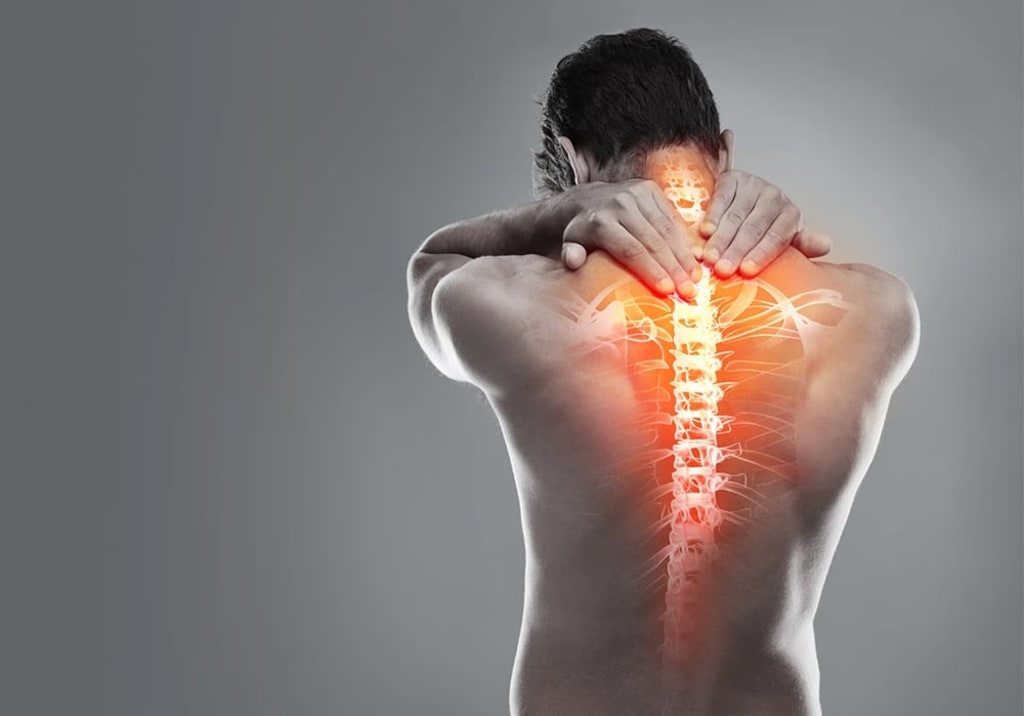
Choosing to have spinal surgery is a serious decision. If you've reached this point, you've most likely had numerous visits to physical therapists, a series of expert consultations, and a large collection of diagnostic photos.
However, when conservative therapy fails, spinal fusion surgery is generally the best option.
The finest surgeon will never suggest surgery lightly. They will grasp the many subtleties of the spine, making them particularly suited to counsel patients on when surgery is a viable option and when it is not.
While each case is unique, here are three indicators that you should speak with your surgeon regarding spinal fusion surgery.
Spinal fusion surgery basics
Spinal fusion surgery involves joining two or more vertebrae in your spine to relieve pain and restore stability.
It is a complex treatment for various spine diseases, including spondylolisthesis and degenerative disk disease. The fusion procedure replicates the normal healing process of bones by fusing the painful vertebrae into a single, solid bone.
Sign 1: Chronic back pain
Understanding the distinction between a day of aching muscles and true chronic pain is the first step in determining whether back-related ailments necessitate surgical intervention.
Chronic back pain is more than just a constant pain; it's a daily challenge, a shadow that never goes away. Common jobs and leisure activities are no longer fun or practical due to the aches and pains emanating from your spine, indicating that back pain has had a substantial influence on your life.
When does your back discomfort progress from an infrequent occurrence to a life-altering event? The type, severity, and persistence of the problem are frequently used to determine the solution. Have you ever spent months on end struggling just to sit or stand? It might be time to schedule an appointment with your doctor.
Sign 2: Nerve pain and weakness
Nerve pain can be painful and is frequently accompanied by burning or tingling feelings. It's like a lightning bolt that warns you your nerves are under attack.
In contrast, weakness suggests the long-term effects of pain. Perhaps you've observed it in the form of a foot that suddenly gives way or arms and hands that can't maintain their normal grasp.
Don't dismiss neurological problems that begin to interfere with your life. They indicate more than just a bad back; your body is struggling to function normally. They are also an indication that it is time for a surgical evaluation.
Sign 3: Spinal instability
Spinal instability weakens the foundation of your emotional support system. When you injure the ligaments that support your spine, your vertebrae become loose and mobile. The consequences can be severe, with each step or twist unsettling your spine and causing extreme agony.
Your surgeon can detect these symptoms before you can. They understand how to recognize minor symptoms of instability, such as the inability to maintain a posture without becoming fatigued or in pain.
Spinal instability can cause various difficulties, including chronic weariness and an inability to maintain exercise levels. When you can no longer rely on your back to provide a secure foundation, you should seriously explore surgical options.
Spinal fusion procedures at McNulty Spine
Your surgeon may suggest many spinal fusion options. His expertise includes both classic open operations and cutting-edge minimally invasive treatments, enabling a wide range of care for patients with varying needs. They perform:
- Facet Fusion
- Anterior Lumbar Interbody Fusion
- Pedicle Screw Fixation
- Anterior Cervical Discectomy and Fusion
- Lumbar Interbody Fusion
- Laminectomy with Fusion
- Occipitocervical Fixation
- Lateral Lumbar Interbody Fusion
- Transforaminal Lumbar Interbody Fusion (TLIF)
During surgery, your surgeon may administer general anesthetic while also monitoring your neurologic status.
He also takes a unique technique to bone grafting, combining the patient's stem cells with a synthetic bone substitute to reduce the need for major bone harvesting. This approach alleviates discomfort and speeds up recuperation.
His competence encompasses the entire spine, including the cervical, thoracic, and lumbar areas, like sophisticated fusion reconstructions including the occiput or pelvis as needed.
The surgeon's spinal fusion technique is similar to gluing and clamping two pieces of wood together. First, they carefully align and stabilize the spine before fusing the vertebrae with bone graft material. His expert use of metal rods, screws, and cable band anchors keeps everything stable during the healing process.
The surgeon tackles the urgent issues of spinal instability or discomfort by combining current procedures with patient-centered treatment, paving the way for long-term health and mobility.
About the Creator
Amelia Grant
I am journalist, and blogger.
Keep reading
More stories from Amelia Grant and writers in Longevity and other communities.



Comments
There are no comments for this story
Be the first to respond and start the conversation.